
Best Cameras for Bird Watching: A Buyer Checklist for 2026
Disclosure: We may earn a commission when you buy through links on this page, at no extra cost to you. As an Amazon Associate I earn from qualifying purchases. Learn more
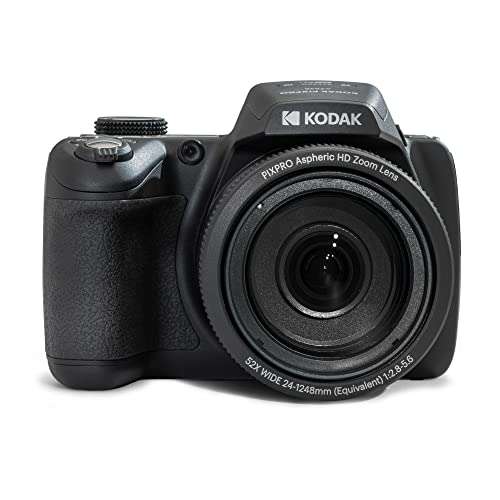
Run this buyer checklist for the best cameras for bird watching: reach, carry weight, silent shooting and budget paths for record shots or feather detail.
Birds are the least forgiving subjects in photography. They are small, they are far away, they sit in poor light against tangled branches, and they leave the moment you are finally ready. A camera that charms you in a shop can frustrate you for a whole season if it fails on the few checks that birding actually depends on.
So treat what follows as a checklist rather than a catalog, and run the checks in order. Do that, and the best cameras for bird watching for your patch, your budget and your ambitions will narrow down quickly. The comparison table below summarizes the main camera classes, and each check after it explains what to look for, what to skip, and where sellers most often blur the truth.


The Checklist, in the Order It Matters
Run these five checks in sequence, because each one eliminates a different set of cameras. A model that fails an early check cannot rescue itself with a later one, no matter how impressive its other numbers look.
Check One: Reach Comes First, Because Birds Are Small and Far
Reach is not one feature among many in birding; it is the feature the whole hobby hangs on. A warbler at the top of an oak or a sandpiper at the far side of a mudflat needs a long telephoto class of lens, and the lens class decides the hobby far more than the body behind it. Compare the longest focal length in millimeters and ignore zoom ratios, which describe range rather than distance. Remember the other side of the bargain: every step up in reach adds weight, cost and a narrower view that makes the bird harder to find in the first place.
Check Two: Weight You Will Actually Carry All Morning
A birding kit earns its pictures on foot, often for three or four hours at a stretch. A heavier kit that stays home takes no photographs at all, so weigh the whole setup in your hands, body, lens, battery and strap together, and imagine it at the end of the walk rather than the start. Smaller sensor classes exist in this hobby largely because their lenses reach the same distances at a fraction of the weight. A good strap or harness that spreads the load is part of the purchase, and it costs far less than the regret of an unused heavyweight lens.
Check Three: Quiet and Fast at the Moment of Takeoff
The frame everyone wants is the takeoff, and it lasts a fraction of a second. A silent electronic shutter class matters twice over here: it fires without the clatter that can startle a close bird, and it usually brings the fastest burst rates for that split second of spread wings. Some cameras can also save frames from just before you fully press the button, which turns a late reaction into a usable sequence. Ask how long the burst lasts before the camera slows, because a fast rate with a shallow buffer still misses the second half of the action.
Check Four: Set Your Standard Before You Spend
Decide honestly which of two goals you are buying for, because they live at very different prices. A record shot that shows the field marks clearly enough to confirm an identification is a legitimate and satisfying goal, and it costs far less than the other standard: feather level detail, where individual barbs stay crisp in a large print. Neither goal is wrong, but paying for the second while only needing the first is the most common overspend in this hobby. Readers whose aim is the portfolio image rather than the record are shopping a neighboring shelf, and our guide to the best cameras for bird photography follows that aim instead.
Check Five: Sealing, Batteries and Cards for Long Sits
Birding means waiting in whatever weather the birds prefer, so check that the body and the lens are both sold as weather sealed, since one unsealed half cancels the other. Cold mornings drain batteries faster than the gauge promises, which makes a spare battery a checklist item rather than an accessory. Fast bursts also fill memory cards quickly and need cards that can keep up, or the camera pauses to write while the bird performs. None of these items is glamorous, and all three end more outings early than any lens limitation does.
First, Sort the Shelf: Watching Gear Is Not Camera Gear
Shops and search results mix three different purchases together, and sorting them saves real money. Plain binoculars are for watching only; guides to the best binoculars bird watching cover glass you look through, with no sensor and no files at the end of the day. The hybrid shelf, covered in our look at the best bird watching binoculars with camera, adds a small built in camera to that glass for quick record shots, a convenience class rather than a serious camera.
Fixed feeder units are a third thing again: the best bird feeder cameras mount at a feeder and photograph visitors on their own, which is backyard monitoring, not a camera you carry. None of these is a substitute for the handheld cameras in the checklist above, and treating them as separate purchases keeps each budget honest.
What Each Budget Path Actually Buys
Within the checklist for the best cameras for bird watching, three spending paths cover most birders. Notice that on every path the lens takes the larger share of the money, because in this hobby the lens usually outlasts two or three bodies and outweighs the body in the budget as well as in the hand.
The Record Shot Path: About $300 to $600
This path buys bridge cameras and entry kits with long fixed zooms, and it serves the identification goal well. You get remarkable reach for the money in a light package you can carry all day, and the limits show up at dawn and in deep shade, where the smaller sensors produce noisy files. For a birder who wants proof of what they saw and pictures to share with friends, this is a complete answer rather than a compromise.
The Serious Hobby Path: About $900 to $1,800
Stepping up buys an interchangeable lens system built around a crop sensor body and a long telephoto zoom. The focusing gets faster and surer, the files hold up in poorer light, and the kit stays light enough for long walks. This is where most committed birders settle, because the next step buys refinement rather than new capability. It is also the path where used lenses stretch the budget furthest.
The Feather Detail Path: About $2,500 and Up
The top path buys full frame bodies and the longest, brightest telephoto lenses, and it serves the print standard from Check Four. You gain cleaner files in bad light, shallower depth that separates a bird from a messy background, and focusing that tracks through clutter more stubbornly. You also gain serious weight and a price where each lens costs more than entire kits on the paths below. Buy here only when the detail standard is truly yours.
Three Side Paths Worth a Look
When Moving Pictures Matter More Than Stills
Behavior is often the story, and stills cannot tell it. If footage matters more than frames, you are really shopping for the best video cameras for bird watching, and the checklist shifts: look for smooth zooming that does not jerk at long reach, focus that holds a moving bird without pulsing, and recording that runs long enough for a full courtship display without overheating. Sound counts too, since dawn chorus recordings come free with the footage when the microphones are decent.
Set It and Leave It: Remote Cameras
A remote camera left near a nest box, a dust bath or a quiet corner of a marsh photographs the birds you never see in person. The checks for this class are trigger speed, battery life measured in weeks rather than hours, and weatherproofing that survives being ignored outdoors. It answers a different question from the handheld checklist, closer to field research than to photography, and many birders run one alongside their main camera rather than instead of it.
The Bargain Path: Last Season and Used Glass
Birding gear ages gracefully, because birds have not changed and last season's telephoto still reaches them. The safe bargain is a used lens from a seller who accepts returns, checked for smooth rings and clean glass, paired with a body a generation or two old. Avoid bargains built on mystery bundles padded with filters, bags and tripods of no real value. The discount should live in the glass, not in a pile of accessories you would never buy on their own.
Red Flags to Walk Away From
- A headline zoom figure based on digital zoom, which is cropping dressed as reach and adds nothing you cannot do later.
- Weather sealing claimed for a kit when only the body is sealed and the bundled lens is not.
- Burst rates quoted only at reduced resolution or with focus locked, which the small print reveals and the headline hides.
- Autofocus described with invented certainty, since every maker tests its own system and no figure compares across brands.
- Used gear sold with no return window, because the faults that matter in a telephoto lens only show up in real shooting.
Setup and Care for a Season of Mornings
A few small habits keep a birding kit dependable. Clean the front glass with a proper lens cloth rather than your shirt, since grit caught in fabric scratches coatings over time. Carry a spare battery and store the kit in a dry, padded bag between outings, especially after a wet morning.
Update the camera firmware when the maker offers it, because bird detection focusing is exactly the sort of feature that improves through updates. Set your buttons once at home, so the field is spent watching birds rather than menus.
Bird Watching Camera Questions Answered
How much reach do I need for backyard birds compared with shorebirds?
Backyard birds at a feeder sit only a few meters away, so a moderate telephoto that would disappoint on open ground feels generous in a garden. Shorebirds and waders feed across wide mudflats and keep far more distance, which pushes you toward the longest lens class you can carry. Judge your need by the birds you chase most often, not the rarest case. Buying for the exception leaves you carrying heavy glass on every ordinary morning.
Can I use a phone with a spotting scope instead of a camera?
Yes, holding a phone to a spotting scope eyepiece, a method called digiscoping, produces genuine record shots and costs little if you already own the scope. It suits patient subjects at fixed spots, such as waders on a mudflat viewed from a hide. It struggles with moving birds, because aligning the phone takes time and the scope view is narrow. Treat it as a bridge into the hobby: if you digiscope every outing, a dedicated camera will soon feel worth its price.
Why do my bird photos look soft even with a long lens?
Soft bird photos usually come from the air and the shutter rather than the lens. Heat shimmer over warm ground bends light visibly at long distances, and no lens can sharpen its way through moving air, so early morning sessions beat midday ones. A shutter speed that freezes a perched bird may still blur a wingbeat or a shaking branch.
Raise the speed, shorten the distance where you can, and blame the glass last. That order of suspicion saves many needless upgrades.
Is image stabilization worth paying for on a bird camera?
Yes, stabilization earns its price for handheld birding because it steadies the view while you find and follow the bird, which improves both your aim and your keeper rate. It works in the lens, the body, or both together on many systems, and the combined forms help most at the longest reaches. Remember its limit: stabilization calms your movement, not the bird's. A hopping warbler still needs a fast shutter, so treat stabilization as a partner to good shutter speeds rather than a replacement for them.
Should a beginner buy used birding gear?
Yes, used gear is the smartest entry into this hobby, because lenses hold their value and their performance far longer than bodies do. A telephoto zoom from a few seasons back, bought from a seller with a return window, will out reach any new kit lens at the same money. Put the savings into the lens rather than the body, since that is where birding results live. When your skills outgrow the setup, the lens will still sell for much of what you paid.
Final Thoughts
Run the checks in order and the decision mostly makes itself: reach first, then the weight you will carry, then quiet speed, with your honest standard, record shot or feather detail, setting the budget before a seller sets it for you. The product table above lets you compare the classes against those answers side by side. Choose the best cameras for bird watching kit that you will take out on an ordinary gray morning, because that is the camera that will actually meet the birds.


