
Best Bird Watching Binoculars with Camera by Budget for 2026
Disclosure: We may earn a commission when you buy through links on this page, at no extra cost to you. As an Amazon Associate I earn from qualifying purchases. Learn more

Compare the best bird watching binoculars with camera by budget, with honest notes on record quality, sensor size, exit pupil, close focus, and weather sealing.
A pair of binoculars with a camera built in sounds simple, but prices run from about $60 to well over $600, and the gap is not only about the optics. The best bird watching binoculars with camera for your budget depends on what you want the camera to do, because in this class the camera is a recording tool, not a photography tool. This guide splits the market into budget bands so you can see where extra money helps and where it does not.
Use the comparison table below to compare the bands side by side, then read the feature sections to match a band to the way you watch birds. If you want clearer stills to help with tricky identifications, the middle and upper bands earn their price.
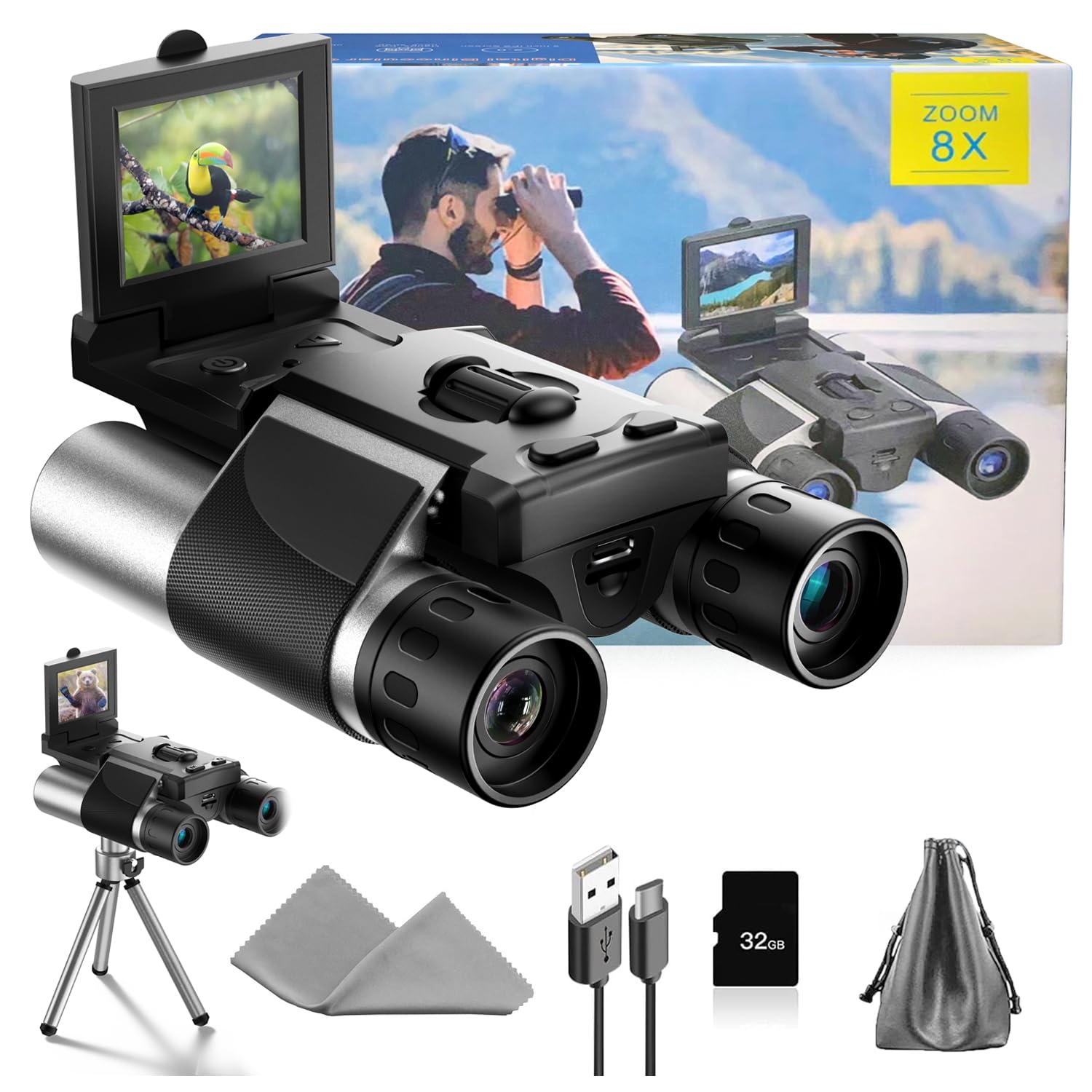
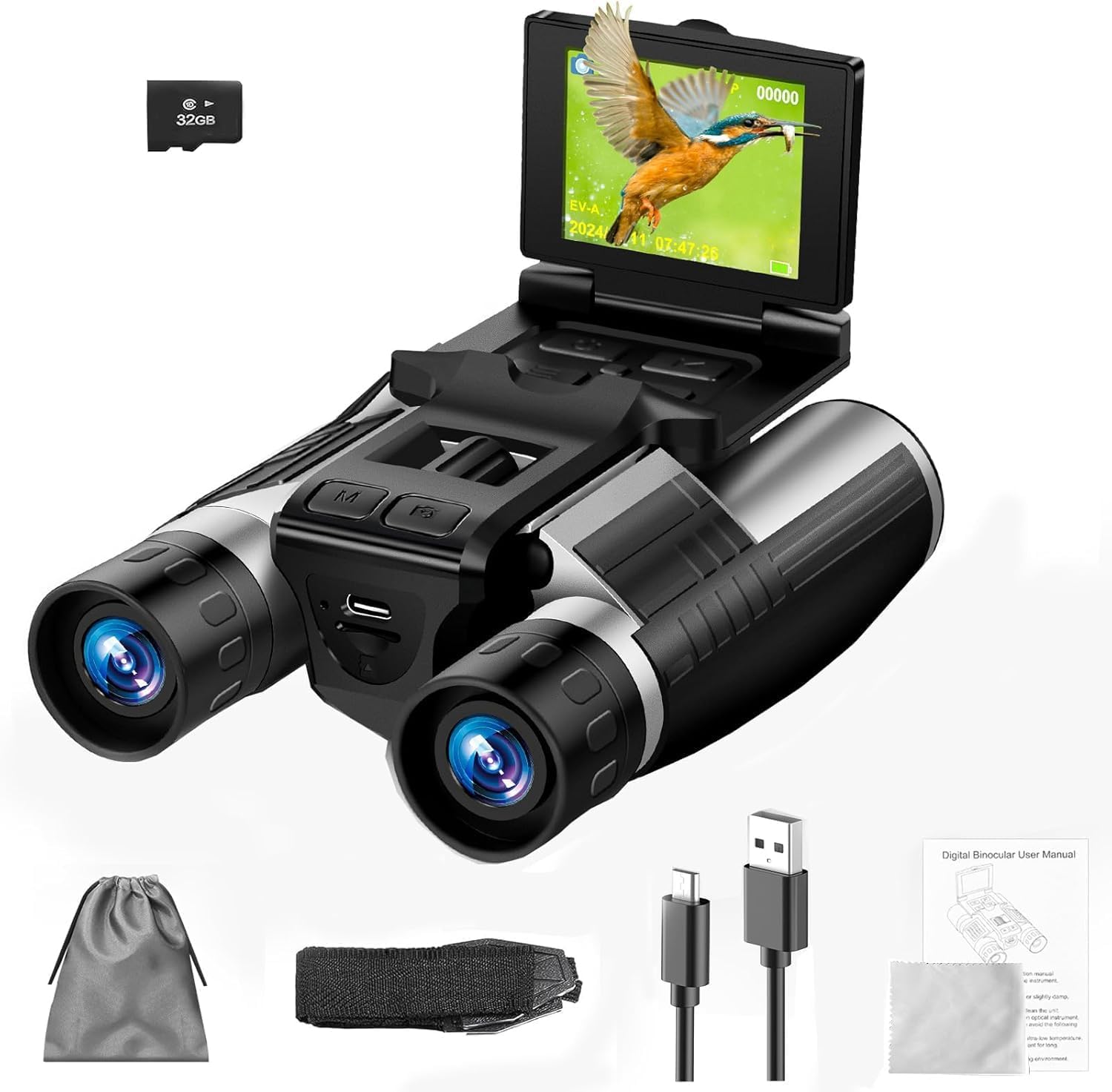
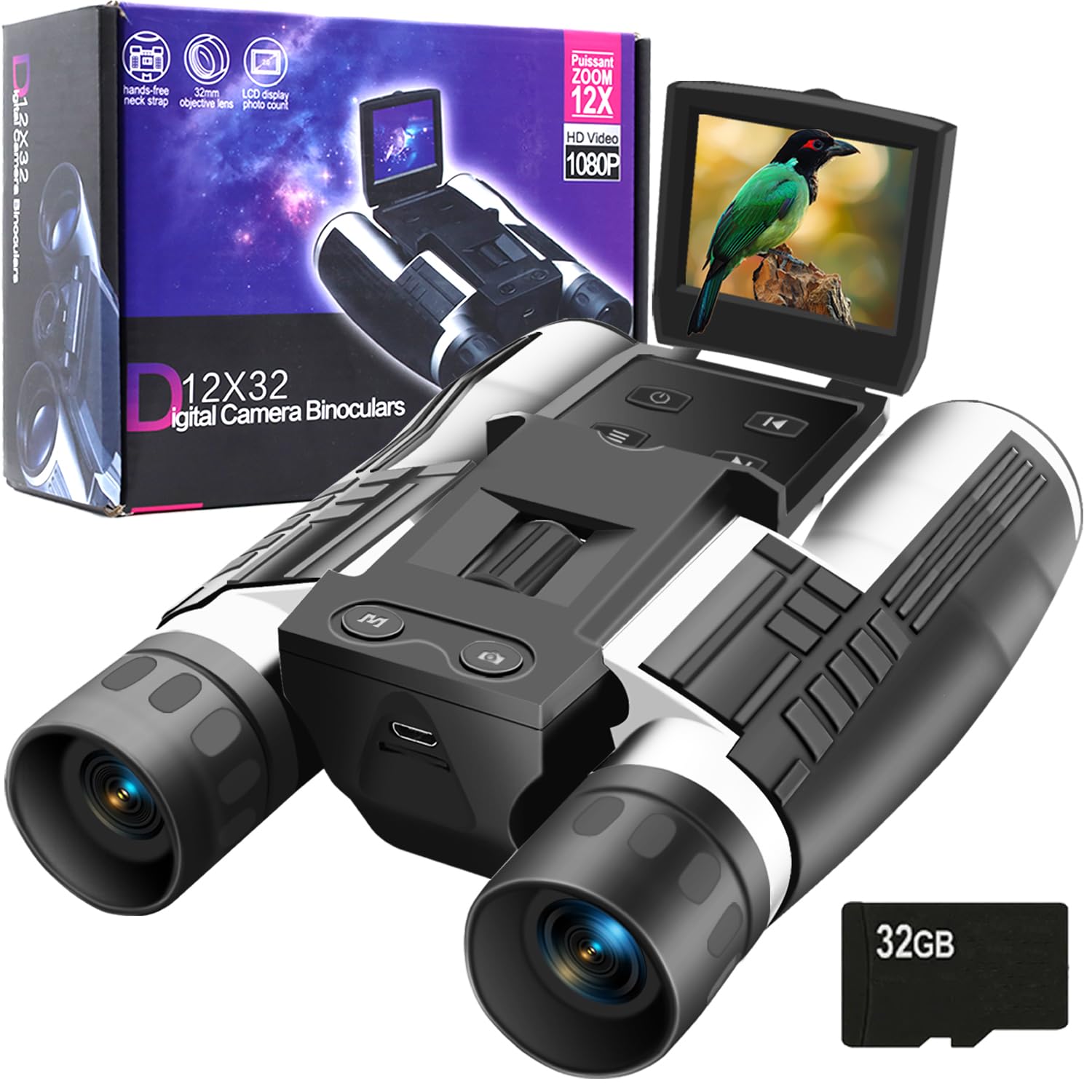
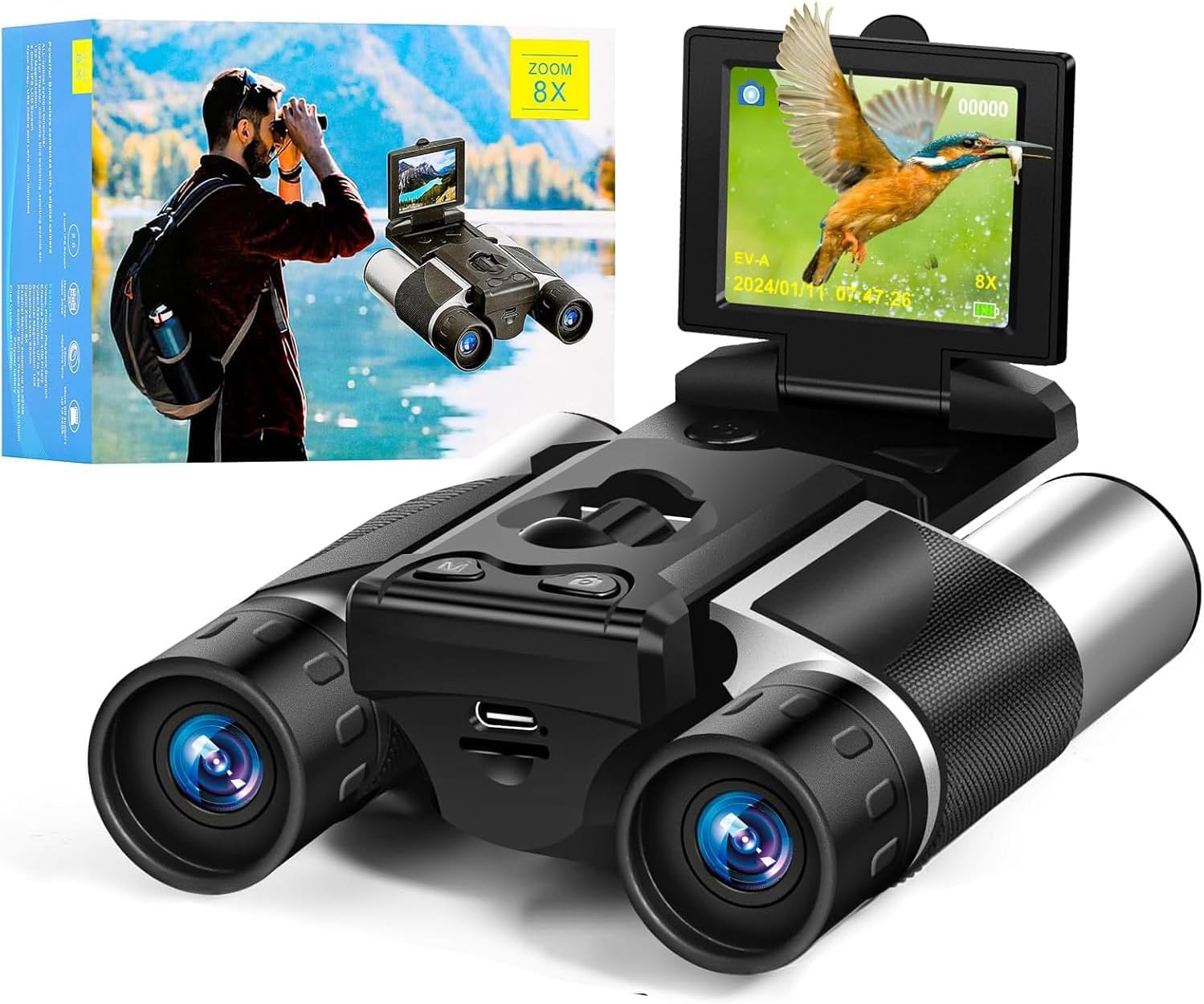
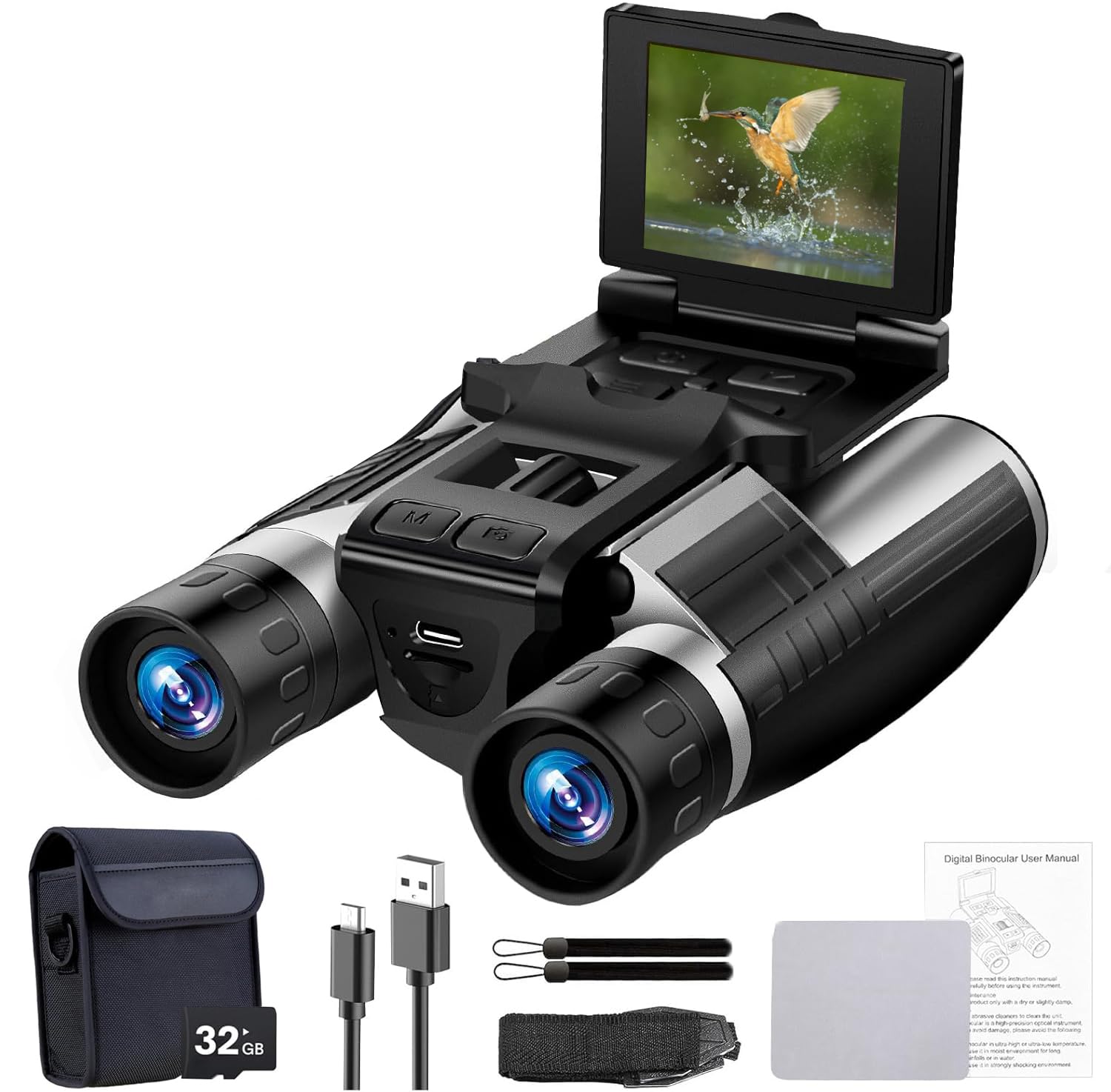
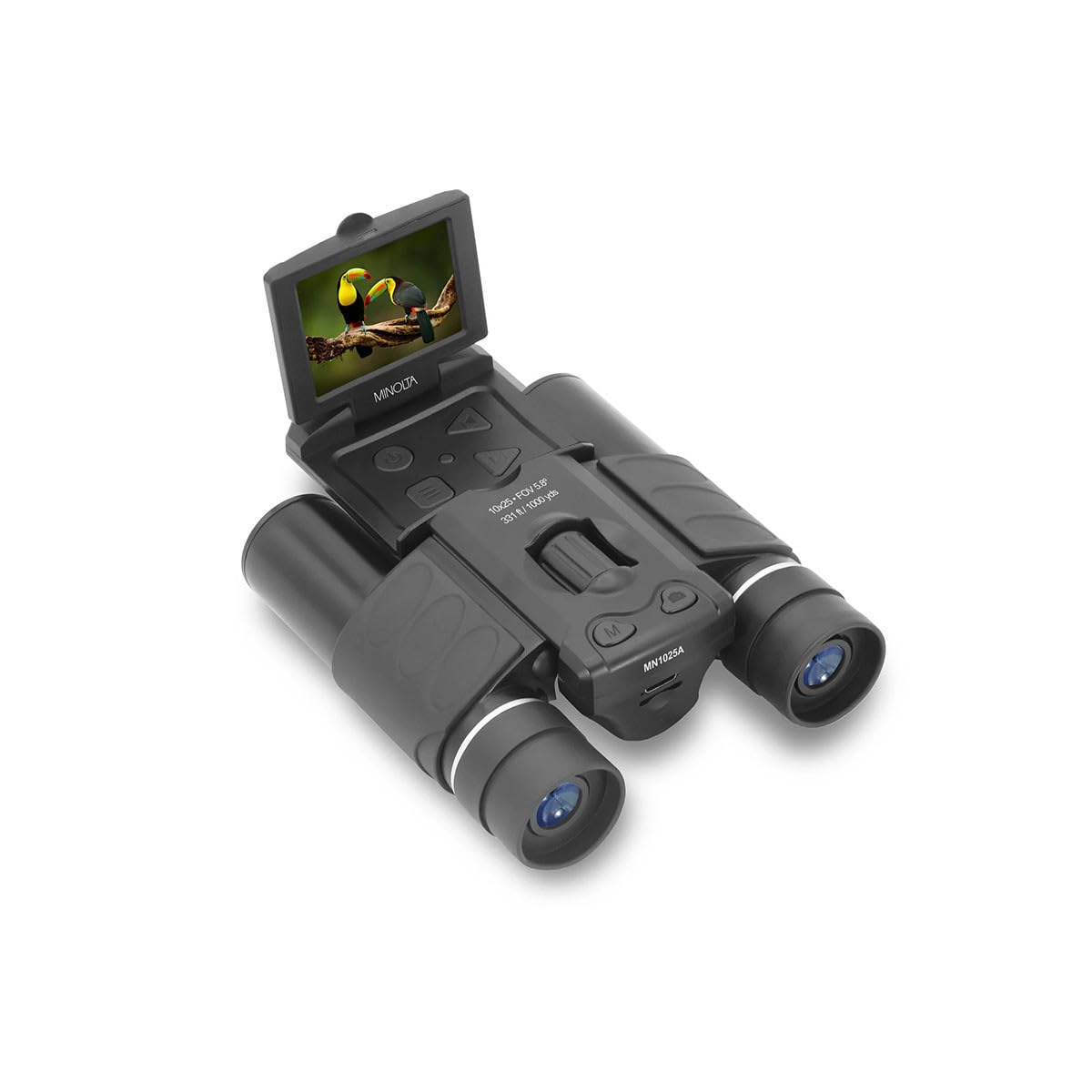
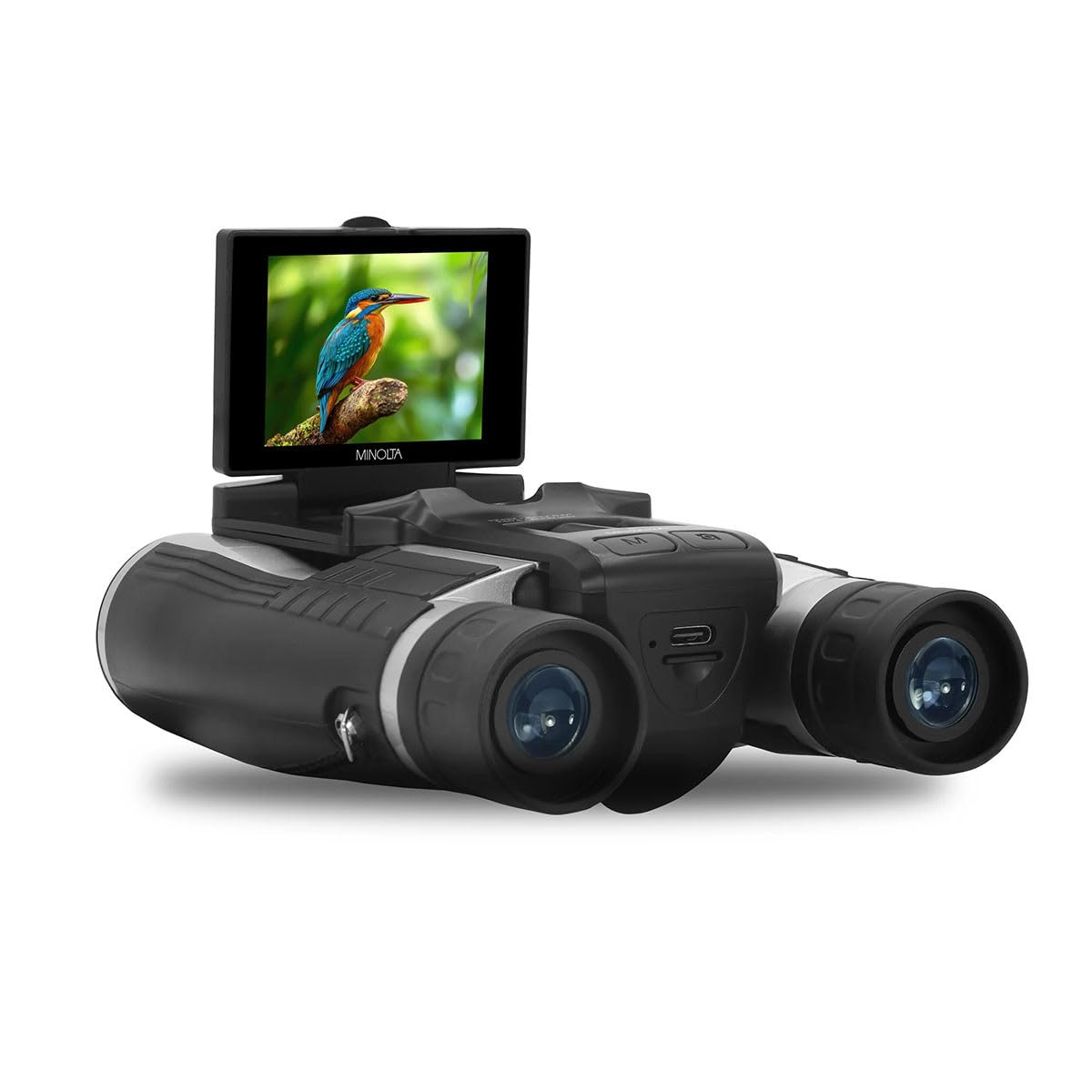
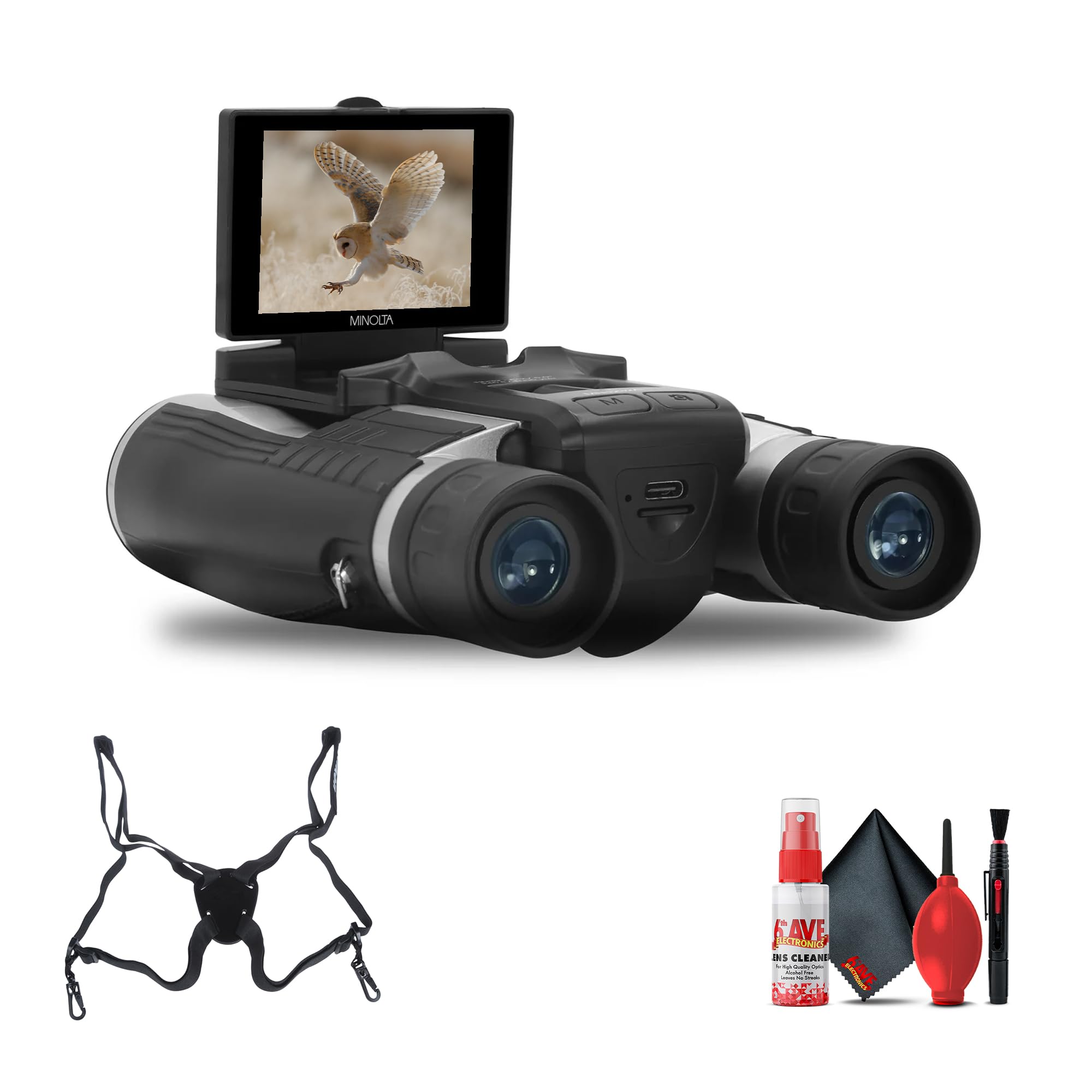

Choosing by Budget: What Each Band Delivers
One fact governs this whole class, so it is worth stating plainly before any prices. The built in camera exists to record what you saw: a quick photo or a short clip that confirms an identification or logs a rarity. The stills are a record class only, with resolution far below a dedicated camera, and no pair at any price turns into serious wildlife photography gear. Buy the optics first and treat the camera as a notebook that happens to save images.
Entry Band: About $60 to $130
Entry pairs give you 8x or 10x magnification, basic lens coatings, and a small sensor that records usable identification stills in good light. Bodies are mostly plastic, sealing is minimal, and video is short and shaky because there is no stabilization. This band suits feeder watching, gifts for new birders, and simple records of common species. If the camera matters less than the view itself, compare this band with best budget binoculars for bird watching, since a plain pair at the same price usually carries better glass.
Middle Band: About $130 to $300
The middle band is where most birders should land, because the money goes into the optics as well as the camera. Expect fully multi coated glass, a larger sensor that holds up better in shade, steadier video, and real weather sealing on many pairs. You also get a genuine choice of 8x42 or 10x42, which decides how bright the view looks at dawn. For regular trail use, this band records clean identification shots without forcing you to carry a separate camera.
Upper Band: About $300 to $650
Upper band pairs add the best glass available in this hybrid class, larger sensors, smoother video, and metal bodies that shrug off years of field use. Stills are clearer and clips are steadier, yet they still trail a dedicated camera by a wide margin, and that gap never closes at any price. Birders who want printable photos should step up to best cameras for bird watching and treat any binocular camera as a backup recorder. Choose it when you record often and want one tool that does both jobs well.
Where the Extra Money Goes
The bands in the product table above differ less in magnification than in three component groups. Knowing which group eats the budget helps you judge where a given pair spent its money.
Glass and Coatings
Higher bands pay for extra low dispersion glass and phase coatings on the prisms, described in plain words as treatments that keep colors true and edges sharp. The difference shows on backlit birds, where cheap glass fringes a heron outline with purple while good glass holds a clean edge. None of this changes the camera, yet it decides whether the bird you record was easy to find in the first place.
Sensor, Storage, and Battery
Camera hardware is the second place money goes, and it steps up in a clear order. Bigger sensors gather more light, so stills stay cleaner in woodland shade and clips look less grainy at dusk. Storage grows too, from small fixed memory to card slots that hold a full trip. Battery life stretches from a single outing to a long weekend, which matters because a dead camera leaves you with plain binoculars.
Sealing, Build, and Warranty
The third group is protection, and it is easy to overlook until weather turns. Waterproof and fogproof bodies, usually purged with nitrogen, keep internal lenses clear when you step from a cold car into warm damp air. Rubber armor absorbs the knocks that trail gear takes against gates, boats, and hide windows.
Features Worth Paying For (and Ones to Skip)
When you compare the best bird watching binoculars with camera across brands, a few features decide most of the real world gap between a frustrating pair and a satisfying one. Pay for the four below and skip the inflated numbers that only look good on a box.
Magnification and Exit Pupil
Exit pupil is the width of the light beam reaching your eye, and you find it by dividing the objective size by the magnification. An 8x42 pair gives an exit pupil of about 5.3 mm, while a 10x42 pair gives about 4.2 mm, so the 8x42 view stays brighter at dawn and dusk when birds are most active. The 10x42 view reaches farther but shakes more in your hands and shows a narrower slice of the scene. Our companion guide to best size binoculars for bird watching walks through the size choice in more depth.
Sensor Size and Image Quality
Megapixel counts mislead in this class, because every sensor here is small and the number on the box says little about the picture. Physical sensor size matters more: a larger sensor keeps detail in shade and handles the contrast between a bright sky and a dark bird. Judge sample stills by whether you can read feather pattern and bill shape, since those are the details identification turns on. If a listing leads with a huge megapixel figure and hides the sensor size, treat that as a warning.
Close Focus for Birds That Land Close
Close focus is the shortest distance at which the pair still focuses sharply, and about 8 feet or less is the figure to look for. Warblers working a bush beside the trail and finches on a feeder just outside the window often sit inside that range. A pair that only focuses beyond 15 feet forces you to step back and lose the moment. Better pairs reach about 6 feet, which also opens up butterflies and dragonflies on slow birding days.
Ease of Use and Photo Transfer
The record control should sit where your finger already rests, start with one press, and never bury the shutter inside a menu. Auto modes help because birds rarely wait while you adjust settings, and a short video clip often captures the behavior that settles an identification. Transfer by WiFi or a card reader should take seconds, since a slow app is the feature owners quietly stop using. Skip giant digital zoom numbers, because digital zoom only crops the same small image and adds nothing.
Weight and Handling
A hybrid pair carries a sensor, a screen, and a battery, so it weighs more than plain binoculars of the same size. Around 1.5 pounds is comfortable for a full day on a neck strap, while heavier pairs earn a harness that spreads the load across your shoulders. Check that the focus wheel turns smoothly with one finger and that the record button is reachable without lowering the pair.
Picking the Right Pair for Different Uses
The right band depends on the outing you repeat most, not the outing you dream about once. Match the pair to your usual light, distance, and walking time.
Everyday Birding on Trails and at Feeders
New birders often ask what are the best bird watching binoculars for daily walks, and in this hybrid class the honest answer is a middle band 8x42 pair with a simple record button. The wide, bright view finds birds fast, and the camera saves the ones you cannot name on the spot. If you decide the camera is optional after all, start with best binoculars bird watching and put the savings into better glass. Daily use rewards comfort and sealing more than any camera statistic.
Compact Pairs for Travel and Long Walks
The best compact bird watching binoculars trade a smaller objective lens for a body you will actually carry all day. An 8x25 or 8x32 pair slips into a jacket pocket and still records clear stills in midday light, though the smaller exit pupil looks dim at dawn. For plain compacts without the camera premium, see best compact binoculars for bird watching. Choose compact when the alternative is leaving binoculars at home, because a light pair in hand beats a bright pair in a drawer.
Long Term Costs to Factor In
The purchase price is only the first cost of a hybrid pair. Memory cards fill faster than owners expect once video becomes a habit, and a fast card costs about $15 to $30. Spare batteries keep the camera alive on trips, and a padded case plus a harness adds about $30 to $60. Finally, check the warranty before you buy, because a camera fault in year two is an electronics repair, not an optics adjustment.
Bird Watching Binoculars: Questions Answered
What does 8x42 or 10x42 mean on binoculars?
The first number is magnification and the second is the front lens width in millimetres, so 8x42 magnifies eight times through 42 mm lenses. Two pairs with identical numbers can still differ, because the stated field of view in feet at 1,000 yards varies between them. Check that figure on the box when you compare, since a wider field finds birds faster. The second number also drives size and weight, which is why 10x50 pairs feel bulky on long walks.
Can binoculars with a built in camera replace a camera for bird photos?
No, a built in camera records what you saw but cannot match a real camera for prints or large screen viewing. Cropping a record still quickly reveals the low resolution, so frame birds as close and as centered as you can. The honest job of the camera is evidence: a photo that confirms a species, a date, and a place for your records. Treat anything beyond that as a pleasant bonus rather than the reason to buy.
How much should a beginner spend on a first pair with a camera?
Around $130 to $300 buys the middle band, where the glass and the camera both do their jobs without waste. Keep roughly a tenth of your budget back for a case, a strap, and a memory card, because those items arrive as surprise costs in the first month. Two cheap pairs bought in frustration cost more than one sound pair bought once.
Do binoculars with a camera still work on cold mornings?
Yes, the optics work as normal in the cold, but the camera battery fades much faster than the glass does. Lithium cells lose charge quickly near freezing, so a pair that lasts all day in spring may record for only an hour or two in winter. Keep a spare battery warm in an inside pocket and swap it when the screen dims. Fogproof sealing also earns its keep here, since warm breath and cold air meet at the eyepieces.
Is holding a smartphone to the eyepiece enough instead of a built in camera?
A phone held to the eyepiece can record a bird, but aligning it takes both hands and several seconds that a perched bird rarely grants. A built in camera records with one press while you keep watching, which is the real advantage. The phone method also drains the battery you need for field guide apps, maps, and calls. Many birders use the phone trick for a stationary owl and the built in camera for everything that moves.
Final Thoughts
Buy the optics first, treat the camera as a recorder, and let your budget band follow the birding you actually do. The best bird watching binoculars with camera for most readers sit in the middle band, where an 8x42 view stays bright, close focus reaches the feeder, and the record button saves the birds you cannot name yet. Compare the bands in the product table above, weigh exit pupil and sealing over megapixel claims, and your pair will serve for years.


