
Best Cameras for Moving Objects in 2026: Which One Fits the Way You Use It?
Disclosure: We may earn a commission when you buy through links on this page, at no extra cost to you. As an Amazon Associate I earn from qualifying purchases. Learn more

Compare cameras for moving objects by focus tracking, burst speed and lens reach, with clear guidance on sensor size, video and budget for action.
No single camera suits every kind of motion. A child crossing a room, a dog turning at full speed and a cyclist coming toward you each test focus, shutter speed and handling in a different way. The best cameras for moving objects match your subject, your light and your distance, and you can compare them in the comparison table below.
Start by naming your most common subject and where you shoot it. Note how fast it moves, how close you can get and whether you shoot stills, video or both. Those answers point you to the right sensor, lens reach and burst speed.



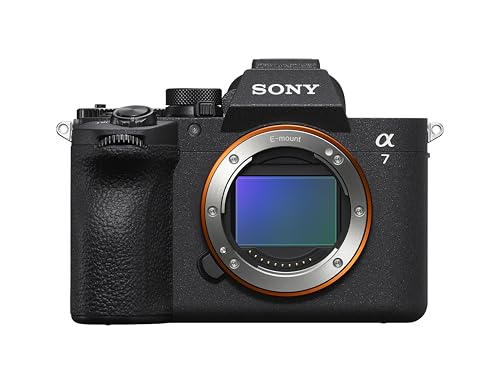


Who Should Buy Which Cameras for Moving Objects?
Your subject sets the priority. Speed and distance matter more than general image quality alone.
Parents Following Kids and Pets at Home and in the Yard
Your subjects move close, change direction without warning and often run under indoor light. Prioritize autofocus that finds faces and eyes quickly, a screen you can tilt for low angles and a quiet burst mode. A compact or small mirrorless body with a bright standard zoom covers most rooms and yards. You need focus that recovers fast after a subject darts behind furniture.
Sports and Wildlife Shooters Who Need Reach
Your subjects are farther away and stay fast for longer, so lens reach and a deep buffer matter as much as focus. Look for optical zoom or a telephoto lens option, continuous shooting that holds its speed and weatherproof sealing for fields and trails. If your subjects move faster still, see our guide to the best cameras for fast moving objects for the extra speed those scenes demand. A larger body balances a long lens during tracking.
Travelers and Creators Filming Motion on the Move
You walk while you shoot, so your own movement adds shake to your subject movement. Prioritize image stabilization, light weight and 4K video with focus that stays on a face while you pan. A flip screen helps for self filmed clips, and USB C charging lets you top up from a travel pack. Choose a wide to medium zoom first, because travel subjects are often close and a long lens is hard to hold steady on foot.
Key Features to Compare
Compare these factors in order, because focus and shutter speed decide whether a moving subject is sharp at all.
Sensor Size and Image Quality for Fast Shutter Speeds
Sensor size controls how clean your images stay when you raise sensitivity to support a fast shutter speed. A 1 inch sensor works well in daylight and keeps the body small. APS C sensors gather more light and suit indoor sports and evening play, while full frame sensors give the cleanest files in dim halls but add cost and size. Judge megapixels last. A modest count on a larger sensor often beats a high count on a small sensor once light drops.
Autofocus and Subject Tracking for Moving Objects
Autofocus is the core feature for this purchase. You need continuous autofocus that follows a subject across the frame, not a system that locks once and then drifts. Face and eye detection help with people, and many cameras add animal and vehicle modes that hold a dog, bird or car with less effort. Check how the camera behaves when a subject passes behind a post or another person, because brief blocks are normal in real scenes. When you shop for the best cameras for moving objects, rate this steadiness above megapixels.
Burst Rate and Shutter Speed for Freezing Motion
Burst rate tells you how many frames the camera takes each second, and the buffer tells you how long it can keep that pace before it slows. Around 10 to 20 frames per second suits kids, pets and school sports, while faster rates help with birds and motorsport. Shutter speed does the actual freezing, with about 1/500 second for running people and about 1/1000 to 1/2000 second for faster limbs, wings and wheels. An electronic shutter can raise burst speed, but it can bend straight lines on fast pans.
Image Stabilization, Optical Zoom and Lens Choice
Stabilization in the body, the lens or both reduces shake from your hands while you track, which matters most at long reach and in video. It does not freeze your subject, so you still need a fast shutter speed for the subject itself. Optical zoom changes reach through the lens optics and keeps detail, unlike digital zoom that crops the image. A lens that opens to about f/2.8 to f/4 lets in more light than a slow kit zoom, so you can keep shutter speeds high.
Battery Life, Card Speed and Handling for Long Sessions
Continuous focus, bursts and video drain a battery faster than single stills, so check shots per charge and look for USB C charging and spare batteries. Your memory card must also keep up, because a slow card fills the buffer and pauses shooting. Match the card speed class the maker recommends for burst and 4K video. Handling counts too. A firm grip, a viewfinder with little lag and controls you can reach while looking through the camera help you keep a subject framed.
Choosing the Right Camera Type for Your Kind of Motion
Mirrorless cameras are the default choice for most buyers, because their focus systems track subjects on the sensor and their screens show exposure before you shoot. Interchangeable lenses let you add reach later. If you are still learning the wider category, see our guide to the best digital cameras for how the main types differ. Compact cameras suit travel and family use, while action cameras suit mounted, wide angle video rather than distant stills.
Think about stills and video as separate needs. Strong stills tracking does not always mean smooth video focus, and some cameras limit 4K frame rates or crop the view in video. If still photography is your main goal, see our guide to the best cameras for photography for a broader balance. If video is central, prioritize higher frame rates.
Common Mistakes to Avoid When Buying Cameras for Moving Objects
- Choosing by megapixels alone leaves you with detailed files that are blurred because focus and shutter speed were too weak.
- Buying long zoom without stabilization makes distant subjects hard to frame and turns small hand movements into large frame jumps.
- Ignoring buffer and card speed means the camera slows or stops in the middle of the best burst of action.
- Picking a body with no spare battery plan cuts a long game or event short once continuous focus and video drain the pack.
- Paying for full frame lenses you will rarely carry leaves the camera at home on days your subjects move.
Tips to Get the Most From Your Camera and Keep It Ready
Practice panning before an event that matters. Turn from your hips and follow the subject through the shot instead of stopping at the click, because a smooth follow keeps focus calmer. Set continuous autofocus and burst mode at home first. Pre set a minimum shutter speed for your usual subject so the camera does not trade sharpness for exposure.
Clean the front lens element with a lens cloth, not your shirt, because shirt fabric can hold grit that scratches coatings. Carry a spare battery and card, and store the camera in a dry, padded bag. Wipe off rain promptly and keep contacts dry. If you are buying your first body, see our guide to the best starter cameras for simpler controls that still track motion.
FAQs
What features matter most in cameras for moving objects?
Continuous autofocus with subject tracking matters most in cameras for moving objects. It decides whether your subject stays sharp as it moves toward you, across the frame or away. Next come shutter speed and burst rate, then lens light and reach. A practical test is how the camera handles a subject that changes direction, because straight line tracking is far easier than real turns.
What specs matter most for beginners buying a camera for moving objects?
Beginners should prioritize simple subject detection, a guided auto mode that still allows a fast shutter speed and a lens that covers wide to medium reach. Spec sheets can mislead here, because a high burst rate means little if the buffer holds only a second of frames. Start with one lens and learn tracking on a repeat subject like a pet in a yard.
What shutter speed should I use for moving objects in photos?
Use about 1/500 second for running people and about 1/1000 second or faster for wings, wheels and thrown balls. The right speed also depends on direction, because a subject moving across the frame blurs sooner than one moving toward you. If you want a sense of speed, try about 1/60 to 1/125 second with a smooth pan, which keeps the subject clearer while the background streaks.
Is a smartphone enough instead of a dedicated camera for moving objects?
A smartphone is enough for close, well lit motion that you share online, and its automatic tracking is strong for casual clips. It falls short when you need real optical reach, consistent bursts in dim light or a viewfinder. If your subject fills less than a quarter of the phone frame at your usual distance, a dedicated camera with optical zoom will hold far more detail.
How much should I spend on my first camera for moving objects?
Plan on about $500 to $900 for a capable first setup with a kit lens, and about $900 to $1,800 if you need longer reach or better low light results. Keep part of the budget aside for a fast card, a spare battery and a bag. Spending more mainly buys stronger tracking, cleaner high sensitivity files and lenses that stay bright at full zoom.
Wrapping Up
Let your subject lead the choice. Match autofocus tracking and shutter speed to how fast your subject moves, lens reach to your distance and sensor size to your light. Those three fits matter more than any single headline spec.
Use the product table above to check tracking modes, burst rate and lens options side by side. When you compare best cameras for moving objects with your subject, distance and light in mind, the right type stands out quickly. Pick the simplest setup that keeps your subject sharp.


