
Best Cameras for Bird Photography of 2026: Complete Buying Guide
Disclosure: We may earn a commission when you buy through links on this page, at no extra cost to you. As an Amazon Associate I earn from qualifying purchases. Learn more

Compare the best cameras for bird photography by reach, autofocus speed, sensor size and weight, with price bands and lens advice.
Birds rarely pose close to the path. A warbler works the shaded side of a hedge, a hawk crosses the far field, and both are gone within seconds. Choosing the best cameras for bird photography starts with that simple problem of distance, because reach and focus speed decide more of your results than any other feature. This guide sorts the classes, the specs and the budget bands, and the comparison table below gathers the main camera types side by side.
You do not need the most expensive body to begin. You need a pairing of camera and lens that puts enough detail on a small moving subject, locks focus fast enough to hold it, and stays light enough to carry through a full morning. The sections below work through those trade offs by where you shoot, what you spend and how you like to work.


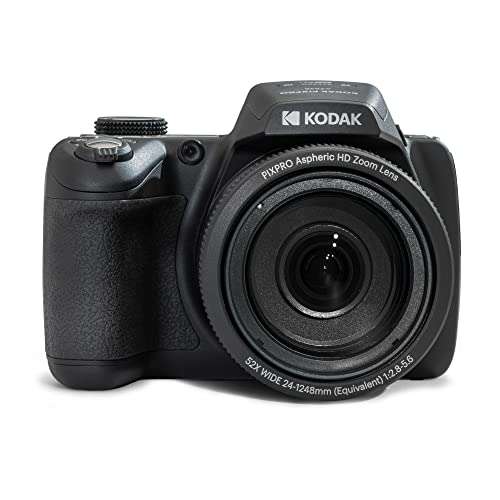


What Each Budget Band Buys
Price in this class buys three things in a predictable order: reach first, then focus speed, then comfort features such as sealing and better screens. Reading the bands below against the product table above will show you where your own budget lands.
Under About $700: Fixed Lens Reach and Used Bodies
This band is led by bridge cameras with long fixed zoom lenses, which deliver serious reach in one sealed unit with nothing else to buy. The trade off is a smaller sensor, so dawn light and deep shade push image quality harder than on larger formats. Used DSLR bodies paired with a starter telephoto zoom are the other route in, and they leave you a lens mount you can grow into. Either way, this band rewards patience and good light more than it rewards settings knowledge.
About $700 to $1,500: The Serious Starter Band
Here you find crop sensor mirrorless and DSLR bodies with faster tracking, better buffers and lenses in the 100 to 400 mm class that hold detail at real bird distances. This is the band where keeper rates climb sharply, because the camera stops being the limit on ordinary mornings. Shoppers comparing best beginning photography cameras often land here once they price the lens alongside the body. Buy the lens first in your planning and let the body fit around it.
Over About $1,500: Speed, Reach and Sealing Together
Above this line, bodies add stacked sensors, subject detection focus and weather sealing, while lenses stretch to 600 mm and beyond with brighter apertures. Lineups from makers such as Canon pair these bodies with long native lenses, and our guide to best canon cameras for bird photography walks through that maker class in detail. Nothing here makes distant birds close, but missed moments get rarer. This band suits shooters who go out weekly and shoot in poor light on purpose.
How to Choose the Right Bird Camera
Start With Distance: Feeders, Open Fields and Wetlands
Your regular distance to the bird decides almost everything else, so sort your shooting into distance classes before you look at a single spec. Backyard feeders and garden birds sit about 10 to 20 feet away, where even a modest zoom fills the frame and a quiet shutter matters more than raw power. Open fields, reservoirs and shorelines stretch working distances to 100 feet and beyond, which pushes you toward the longest lenses you can carry. Wetlands and flight shooting add movement across the frame, so distance and motion arrive together and focus tracking earns its keep.
Match the class to the place you actually visit most, not the trip you dream about once a year. A lens that is perfect for a hide overlooking a marsh is a burden on a woodland walk. If your birding splits evenly between feeders and fields, favour the middle ground of reach and accept cropping at the long end. Distance honesty at this stage saves more money than any discount.
Features That Matter for Bird Photography
The best cameras for bird photography share three traits: long effective reach, continuous focus that tracks a moving subject, and a burst mode deep enough to work through a takeoff or a wing stretch. Frame rate matters less than buffer depth, because a fast burst that stalls after one second misses the moment it was bought for. A silent electronic shutter helps at feeders and in hides, where a mechanical clack can empty a branch. Treat headline detection features as helpful aids rather than guarantees, and weigh plain tracking reliability above them.
Sensor Size and Image Quality
Sensor classes run from one inch through APS C to full frame, and each step up gathers more light and tolerates more cropping. Bird work leans on cropping, because even long lenses leave small subjects small in the frame, so clean files at high sensitivity settings are worth real money. Megapixels are not the whole story: a moderate count on a larger sensor usually beats a huge count on a tiny one once the light drops. Full frame files shine at dawn, while crop sensors stretch a given lens further, and both are honest routes depending on your mornings.
Lens and Zoom Range: The Larger Half of the Purchase
State it plainly: the lens is the larger half of this purchase, in cost, in weight and in effect on your pictures. Optical zoom and long focal lengths gather real detail from real distance, while digital zoom only crops the file and adds nothing you could not do later on a computer. A 400 mm class lens is the working heart of most bird kits, with 600 mm the step up for small birds at long range. Budget for the lens across several years, because bodies change faster and good glass stays useful through two or three of them.
Autofocus and Stabilization
Continuous autofocus that holds a bird against a cluttered background is the spec that separates this class from general cameras. Eye detection and subject detection are headline claims on modern bodies, and they are best read as class claims: they help most on perched birds in the open and least on a bird weaving through branches, where plain tracking and a well chosen focus area still do the work. Stabilization in the lens or body steadies the viewfinder as much as the file, which makes long lenses usable by hand. Practise your focus area choices at home, because the field is a poor classroom.
Size, Weight and the Long Carry
This class is carried for hours, often over rough ground, and total kit weight decides whether the long lens comes along or stays in the car. Add body, lens, spare battery and water together before you judge a setup, because the honest number is the one on your shoulder at hour three. A wide strap or a harness spreads the load, and weather sealing earns its price the first time drizzle arrives mid walk. The lightest kit you will actually carry beats the finest kit you leave behind.
Video Capabilities
Most bird cameras now record 4K video, and short clips of behaviour, calls and flight are a genuine bonus rather than a gimmick. Slow motion modes flatter flight and bathing birds, and a microphone input helps if calls matter to your records. Video drains batteries and fills cards far faster than stills, so treat it as a second discipline with its own costs. If stills are your whole aim, let video features break ties rather than lead choices.
Types of Cameras for Birds
Three camera classes cover nearly every bird kit, and they differ mainly in how the lens joins the body. The wider family in our guide to best cameras for photography includes classes with no real reach, so the table and notes below keep only the types that put birds within range.
| Type | Reach | Lens flexibility | Carry weight | Typical price |
| Bridge camera | Very long fixed zoom | None, lens is built in | Lightest of the three | About $400 to $900 |
| Mirrorless camera | Depends on the lens fitted | Full choice of lenses | Middle, lens decides | About $800 to $2,500 for a body |
| DSLR camera | Depends on the lens fitted | Full choice, deep used shelves | Heaviest of the three | About $500 to $2,000 for a body |
Bridge Cameras: One Body, One Long Lens
A bridge camera builds a very long zoom into a single body, so the reach is real and the kit is finished the day it arrives. It suits walkers, travellers and feeder watchers who want birds without a bag of lenses, and our guide to best bridge cameras for bird photography compares the class in depth. The limits are the small sensor in poor light and focus that hunts more at the long end. Within those limits, it is the simplest honest route to distant birds.
Mirrorless Cameras: The Current Centre of the Class
Mirrorless bodies pair electronic viewfinders with the fastest tracking and detection focus on sale, and they accept the newest long lenses. Our guide to best mirrorless cameras for bird photography covers the class body by body style, from compact crop models to sealed flagships. The costs are price and battery life, since the screen and finder draw power all day. For most new buyers building a kit from nothing, this is where the money goes.
DSLR Cameras: Proven Bodies and Deep Used Shelves
The DSLR class offers an optical viewfinder with no lag, long battery life and the deepest shelves of used bodies and lenses anywhere. New development has slowed, which is exactly why values are strong for patient shoppers. Focus systems on the better bodies remain fully capable for perched birds and steady flight. If you already own lenses in a DSLR mount, staying is often the wisest spend of all.
Picking the Right Camera for Different Uses
Best DSLR Cameras for Bird Photography
Choose the DSLR route when battery life, a clear optical finder and used lens value top your list. Prioritise a body with a proven tracking system and a grip that balances a long lens, because the pairing is held for minutes at a time. Shutter life ratings run high on this class, which makes a well kept used body a rational buy. Pair it with the longest lens your budget reaches and the class still delivers.
Best Cameras for Bird Photography under 1000
Under this figure, spend on reach before features: a long lens on a modest body beats a fancy body behind a short lens every time. Used DSLR and mirrorless bodies with a 100 to 400 mm class zoom are the sweet spot, with bridge cameras the new alternative. Skip expensive video options and put the savings into a spare battery and a fast card. Your results will say more about your fieldcraft than your budget.
Best Point and Shoot Cameras for Bird Photography
Travel zoom compacts fold genuine reach into a jacket pocket, which makes them the class for holidays, family walks and second kits. Their small sensors ask for good light, and focus slows as the zoom stretches, so dawn sessions test them hardest. In return you get a camera that is present for the unexpected bird on ordinary days. Judge them as reach tools rather than low light tools and they satisfy.
Best Older DSLR Cameras for Bird Photography
Older flagship and mid range DSLR bodies sell for a fraction of their launch prices while keeping fast focus and strong sensors. Check the shutter count against the rated life, confirm that fresh batteries are still sold, and budget for a sensor clean in your first month. Lenses from the same era are equally plentiful, so a whole period kit can cost less than one modern lens. This is the value route for shooters who enjoy proven tools.
Setup and Care Tips
- Set continuous autofocus and your preferred focus area at home, so the field session starts ready rather than in the menus.
- Clean the front element with a lens cloth, never your shirt, because grit in fabric scratches coatings over time.
- Carry a spare battery and a spare card; cold mornings and flight action drain both faster than expected.
- Update the camera firmware when the maker releases it, since focus improvements often arrive this way.
- Store the kit in a dry, padded bag, and air it after wet walks so seals and optics stay clear of mildew.
- Practise tracking on feeder birds and gulls, which forgive mistakes that a rare visitor will not.
Frequently Asked Questions
What features matter most in cameras for bird photography?
Reach, tracking focus and buffer depth matter most, in that order. The point many buyers miss is buffer depth: a camera that shoots fast but stalls while writing to the card locks you out during the very seconds when a bird stretches, calls or takes off. Check how many frames the burst holds before you compare frame rates. A deep buffer quietly produces more keepers than a headline speed.
How much zoom do I need for bird photography?
Most bird work happens between 400 mm and 600 mm of effective reach. A useful way to judge is the doubling rule: doubling your distance to the bird needs roughly double the focal length to hold the same frame, which is why small songbirds feel so demanding. Fieldcraft closes more distance than money does, since a patient hide at a feeder outperforms any lens from the path. Buy reach, then learn to need less of it.
Is a smartphone enough for bird photography?
A smartphone is enough for tame feeder birds a few feet away and for recording calls and behaviour notes. It falls short the moment distance grows, because its lens cannot gather detail from far subjects and heavy cropping turns feathers to mush. One middle path is digiscoping, where a phone couples to a spotting scope, which suits patient watching more than flight. Treat the phone as the notebook of the kit rather than the camera.
What specs matter most for beginners?
Beginners should weigh lens reach, simple tracking focus and a body light enough to carry daily. One spec rarely mentioned is the lens mount itself: starting in a system with a long, affordable telephoto zoom protects your second purchase, which is where kits usually stall. Weather sealing can wait, and video can wait. A beginner who shoots every week with a basic kit passes a beginner who shoots monthly with a flagship.
Which camera class is better for low light at dawn?
Full frame bodies hold the cleanest files at dawn, but the lens aperture decides more than the sensor badge. A brighter lens on a crop body often beats a slow lens on full frame, and it usually costs less and weighs less too. Image stabilization also buys real shutter speed on perched birds in dim woods. Judge the pairing at the light you truly shoot in, not at noon.
How much should I spend on my first bird camera?
About $700 to $1,500 buys a first kit that will not hold you back for several seasons. Spend the larger share on the lens, keep a reserve for a battery, a card and a decent strap, and leave room in the budget for fuel to reach good places. Used gear stretches every band further, especially in the DSLR class. Your second purchase should fix a limit you have actually met, not one you imagine.
The Bottom Line
Sort your shooting by distance, spend on the lens before the body, and demand tracking focus with a buffer that keeps up. The best cameras for bird photography for you are the ones whose reach matches your regular ground and whose weight you will still carry in month six. Compare the classes in the product table above against your budget band, then get outside and practise on common birds.


