
Best Cameras for Music Video Production in 2026: Which One Fits the Way You Use It?
Disclosure: We may earn a commission when you buy through links on this page, at no extra cost to you. As an Amazon Associate I earn from qualifying purchases. Learn more

Compare the best cameras for music video production by sensor, frame rates, autofocus and audio, with a use case checklist to help you choose well.
There is no single camera that suits every music video, because a moody studio performance, a live gig in a dark club, and a dance routine filmed outdoors all ask for different strengths. The best cameras for music video production for your project are the ones that match your lighting, your movement, and the way your crew works. Start by naming the kind of videos you shoot most often, then judge each camera against that use.
This guide walks through the buyers each camera type serves and the specs that change your footage in visible ways. Use the comparison table below to line up the main options side by side, then read the sections that match your style of shoot.

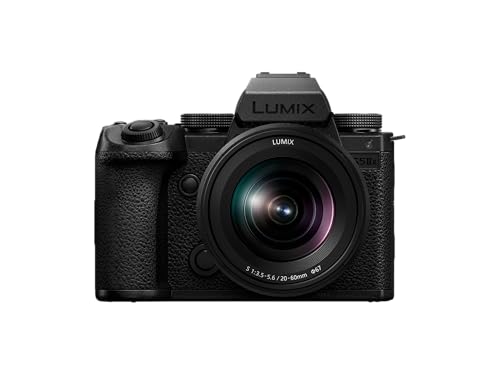

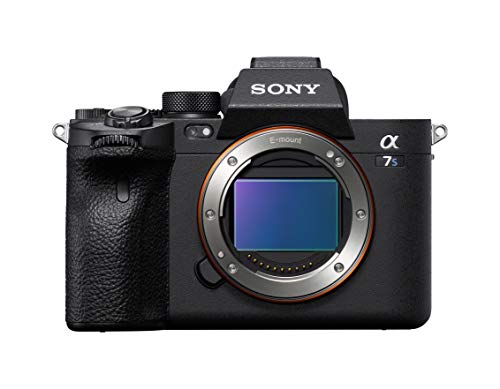


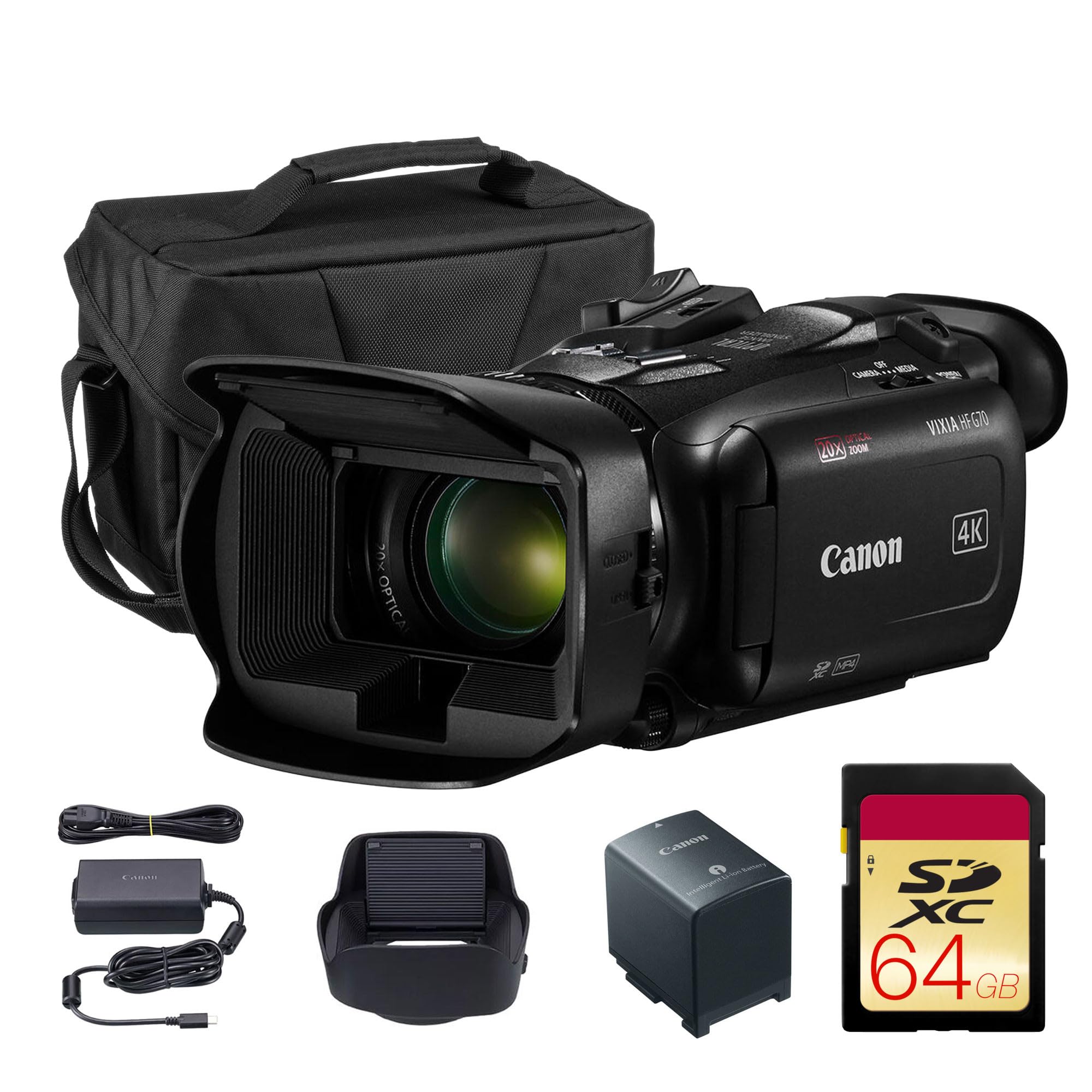
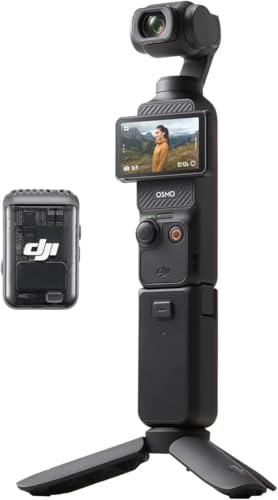
Matching a Camera to Your Production Style
For Solo Artists and Students Filming Their Own Performances
If you record yourself, you need a camera you can run alone without a crew. Look for reliable autofocus that holds your face while you move, a screen that flips around so you can check framing, and simple controls. Compact mirrorless bodies and vlogging cameras fit this role well, and most starter setups land at about $400 to $900 with a basic lens.
For Independent Directors Shooting Narrative Music Videos
Directors who stage scenes with actors, sets, and planned lighting need control more than convenience. Prioritize interchangeable lenses, manual exposure tools, and recording formats that hold up when you shape color later. A larger sensor helps you separate the singer from the background in dim scenes. Keep budget aside for lights and cards too, so a body at about $1,000 to $2,500 often leaves a wiser balance.
For Bands and Crews Filming Live Shows
Live work is fast, loud, and rarely lit the way you would choose. You need a camera that focuses in dim colored light, records for a full set without stopping, and takes audio straight from the mixing board when the venue allows it. Weather sealing earns its keep at outdoor festivals where dust and rain reach your gear. Camcorder style bodies suit this work because they balance well for long handheld stretches and pair strong zoom reach with audio controls.
Picking the Right Cameras for Different Uses
Camera types divide by how you shoot rather than by price. Mirrorless bodies give you lens choice and strong video quality in a small kit. Camcorders trade some flexibility for long recording times and built in zoom. Action cameras mount on instruments and drum kits for angles a main camera cannot reach. For a broader look at dedicated bodies, see our guide to the best video cameras for music videos.
Best Smartphone Cameras for Music Video Production
A current smartphone can be the right tool for rehearsal clips and simple one take performances in good light. Judge a phone by its main camera in low light, its stabilization when you walk, and whether it records at 60 frames per second. Add a small cage, a phone mount, and an external microphone and the results improve a lot. When you outgrow those limits, our guide to the best cameras to shoot music videos shows what a dedicated body adds.
Key Features to Compare
Spec sheets list dozens of numbers, but only a handful change what your finished video looks and sounds like. When you compare the best cameras for music video production for a real project, work through the factors below in order, because each one solves a problem the others cannot fix in editing.
Sensor Size for Dim Stages and Shallow Focus
Sensor size shapes how a camera handles dim stages and shallow focus. A 1 inch sensor in a compact body does well in decent light and keeps the kit small. APS C sensors gather more light and blur backgrounds more easily, which suits most independent productions. Full frame sensors give the cleanest results in dark clubs, at higher cost and weight. Megapixel counts matter far less than dynamic range and color profiles, since a flat profile preserves detail you can shape when you grade.
Resolution, Frame Rates, and Slow Motion
Most music videos finish in 4K or below, so 4K video recording at 24 or 30 frames per second covers the standard cinematic look. Higher rates change the feel of movement. Recording at 60 frames per second lets you slow a chorus moment to half speed smoothly, and 120 frames per second turns jumps and confetti into graceful slow motion. Check whether those rates keep full quality, because some cameras crop the image at their fastest settings.
Autofocus That Tracks Moving Performers
Performers rarely stand still, so autofocus decides how much usable footage you bring home. Face and eye detection holds a singer in focus as they sway, step toward the camera, or turn in profile. Test how the system reacts when a dancer crosses in front of your subject, because weaker systems jump to the nearer face and ruin the take. Touch tracking helps you hand focus to a guitarist for a solo. If you prefer manual focus, look for focus peaking and magnification aids.
Image Stabilization and Lens Choices
Stabilization decides whether handheld footage feels alive or seasick. In body stabilization steadies any lens you mount, lens based stabilization works best with native lenses, and using both together gives the smoothest result for walking shots. Lens choice matters just as much. A fast prime objective lens gathers light for night scenes, while a zoom lens covers wide stage views and close ups without a swap. Optical zoom keeps full quality through its range; digital zoom only enlarges pixels and softens the picture.
Audio Inputs, Screens, and Monitoring
Music videos are built on sound, even when the final track is the studio recording. A microphone input lets you capture clean reference audio that syncs your footage to the playback track, and a headphone jack lets you confirm that audio on set instead of discovering buzz at the edit. Cameras aimed at wider production work share these traits, and our guide to the best cameras for video production explains the overlap. Also check for an articulating screen and HDMI output.
Buying Mistakes That Hurt a Music Video Shoot
- Buying on megapixel count alone leaves you with a stills focused camera that overheats or stops early during long video takes.
- Ignoring recording limits means your camera may cut a live performance into clips with gaps you cannot repair.
- Spending the whole budget on the body leaves nothing for lenses, lights, cards, and audio gear.
- Skipping the headphone jack means distorted reference audio can ruin your sync and you only find out during editing.
- Choosing a heavy full frame kit for run and gun shoots tires your arms until you start leaving it at home.
Care and Maintenance: Tips to Get the Most From Your Camera
Clean the lens with a proper lens cloth, not your shirt, because fabric grit scratches coatings over time. Blow dust off the front element first, then wipe in small circles from the center outward. When you change lenses, point the body downward so dust stays off the sensor, and book a professional sensor clean if spots keep appearing on your footage.
Carry a spare battery and an extra card to every shoot, and store the camera in a dry, padded bag away from fog machines and spilled drinks. Charge batteries the night before and format cards in the camera after backing up footage twice. For more on cameras built around regular session work, see our guide to the best cameras for recording music videos.
Music Video Camera Questions Answered
What features matter most in cameras for music video production?
Low light quality, reliable autofocus, and frame rate choice matter most. A sensor that stays clean at high sensitivity saves scenes lit only by stage lights, and tracking autofocus keeps a moving singer sharp. One point buyers overlook is rolling shutter: fast pans or strobes can bend straight lines on some sensors, so a faster readout is worth having if your style uses whip pans.
Which camera type handles low light best on a music video set?
Full frame mirrorless cameras handle low light best because their larger sensors gather more light at each pixel. Pair one with a fast prime lens and you can film in club lighting without pushing sensitivity into noisy territory. Expose slightly brighter than your intended final look, then darken in editing, because lifting dark footage later reveals far more noise.
What specs matter most for beginners buying a first music video camera?
Beginners should prioritize easy autofocus, a flip screen, and 4K recording at 30 frames per second. Those three cover most first projects while you learn lighting and framing, which shape your results more than advanced codecs do. Also weigh lens system cost, because your second lens often arrives within a year and prices differ between mounts.
How much should I spend on my first camera for music videos?
About $500 to $1,000 buys a capable first setup when you include a starter lens. Spend roughly two thirds on the body and lens and keep the rest for a microphone, a basic light, cards, and a spare battery, because those pieces fix problems a pricier body cannot. For paid client work, step up to about $1,500 to $2,500, where better low light results and stronger audio options pay off in saved retakes.
Is a smartphone enough for a music video instead of a dedicated camera?
A smartphone is enough for simple concepts in good light, especially vertical clips and fast turnaround social content. It falls short when you need shallow focus, clean footage under stage lighting, or lenses for distant stages. A useful middle path is to shoot main angles on a dedicated camera and use the phone for brief crowd shots and cutaways, so color matching stays easy.
Wrapping Up
Match the camera to the shoot you do most: sensor size for your lighting, frame rates for your movement, and audio tools for clean sync. Solo artists can start small, directors gain from lens choice and color control, and live crews need stamina and sound inputs above all. Whichever route you take, the best cameras for music video production are the ones you can run without thinking. Compare your finalists in the product table above and choose the kit you will actually carry.


