
Best Cameras for Movement 2026: What Your Money Really Gets You at Every Price
Disclosure: We may earn a commission when you buy through links on this page, at no extra cost to you. As an Amazon Associate I earn from qualifying purchases. Learn more

Compare the best cameras for movement at every price point. Learn what you get at budget, midrange, and premium levels and where spending more pays off.
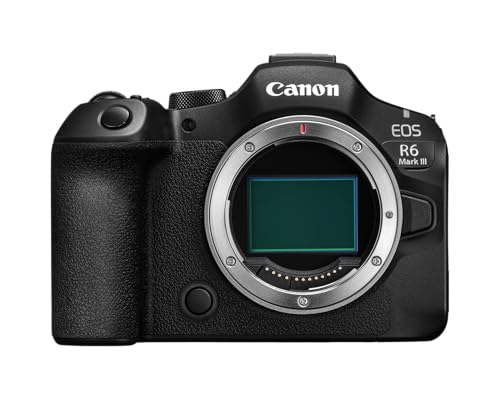
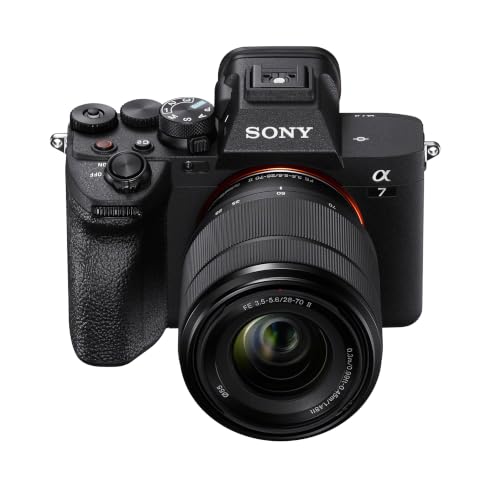
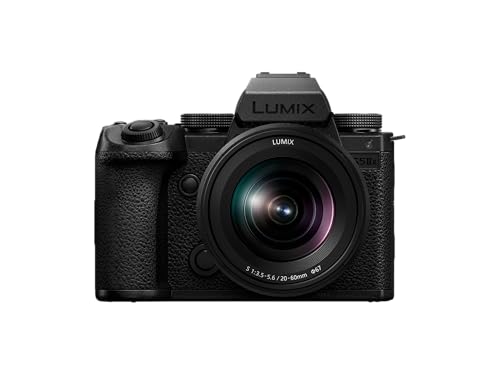
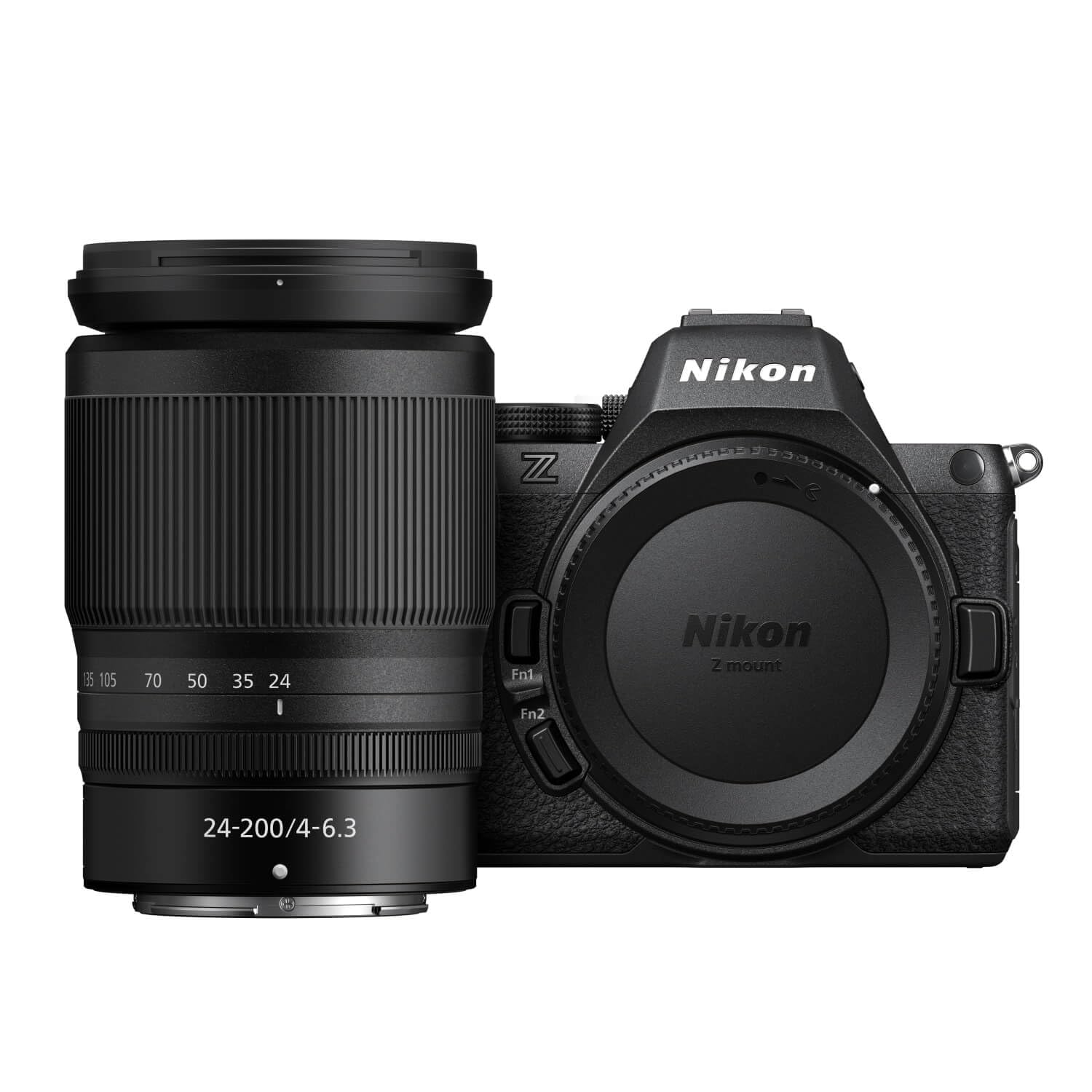
Prices for cameras that freeze fast action stretch from under $500 to well over $3,000, and spec sheets rarely show which upgrades sharpen a running child or a diving bird. The best cameras for movement share fast autofocus, strong burst shooting, and clean high ISO results. This guide sorts spending into clear tiers, starting with the comparison table below.
Think first about how fast your subject moves and how dark the setting gets. Daylight sports reward tracking and reach, while indoor events reward low light sensitivity.




Who Should Buy a Camera Built for Moving Subjects?
Movement pressures autofocus, shutter speed, and handling, so the right choice depends on what you photograph most.
Parents and Youth Sports Families Who Need Reliable Tracking
You shoot kids who sprint and change direction without warning, often from the sideline in mixed light. You need autofocus that locks onto a face and holds it through a crowd, plus bursts that give you several frames to choose from after each play. A midrange mirrorless body with subject detection and a moderate telephoto zoom covers most school sports well.
Wildlife and Outdoor Photographers Who Shoot from a Distance
Birds in flight and wary animals demand reach, speed, and patience in poor weather. You benefit most from animal eye detection, a deep buffer during long bursts, and a weather sealed body and lens for drizzle and dust. Budget for the lens as seriously as the body, because reach decides whether a distant subject fills the frame.
Creators Who Film Action and Vlog While Walking
You record movement as much as you freeze it, from skate sessions to travel walks where the camera moves with you. You need video autofocus that follows a face without pulsing, strong stabilization for handheld clips, and 4K video at 60 frames per second for clean slow motion. A flip screen and a compact body you will actually carry matter every day.
Key Features to Compare
Five factors decide whether a camera keeps up with motion, so read each one through your fastest subject.
Autofocus Tracking and Eye Detection
Autofocus is the biggest reason movement photos fail, so start here. Modern mirrorless cameras use subject detection to find people, animals, birds, and vehicles, then hold focus as the subject crosses the frame. Eye detection keeps portraits sharp during a walk toward the camera, while tracking modes suit weaving sports subjects. If your main subject is sport or wildlife, see our guide to the best cameras for capturing movement.
Burst Rate and Buffer Depth
Burst rate tells you how many frames the camera captures each second, and buffer depth tells you how long it holds that pace. Around 10 frames per second suits school sports and pets, while birds in flight reward 20 frames per second or more. A fast memory card matters, because a slow card fills the buffer and pauses shooting mid play. Electronic shutter modes can distort very fast subjects, so check for a mechanical option too.
Clean Files When You Raise ISO for Speed
Sensor size shapes how clean your files look when you raise ISO to keep shutter speeds fast indoors or at dusk. A 1 inch sensor handles daylight well, APS C sensors balance size and low light strength, and full frame sensors give the cleanest results in dark gyms. Megapixels alone do not predict movement performance, since a moderate resolution sensor often shoots faster than a very high resolution one.
Image Stabilization for Still Photos and Video
Image stabilization steadies the camera, not the subject, so it helps most when you pan with action or shoot video while walking. In body stabilization works with nearly any lens and pairs with lens stabilization for smoother handheld video. For a sprinting player you still need a fast shutter speed to freeze motion. Creators who film on foot gain the most here, while tripod users can treat stabilization as a bonus.
Lens Speed, Zoom Range, and Weather Sealing
The lens decides how much light reaches the sensor and how close your subject appears. A wide maximum aperture such as f2.8 lets you hold fast shutter speeds in dim light, while a longer zoom, often 70 to 200 mm or beyond, fills the frame from the sideline. Kit zooms with narrow apertures force higher ISO settings as light fades. Weather sealing on body and lens protects gear at rainy games and dusty trails.
Higher Tiers Buy Tracking Speed and Stronger Builds
When you compare best cameras for movement by price, each tier mainly buys faster tracking, cleaner high ISO files, and stronger build quality rather than a different kind of photograph.
Budget Tier: Capable Tracking for Everyday Action
For about $500 to $900 with a kit lens, expect subject detection for people, bursts around 8 to 11 frames per second, and good daylight results. Autofocus may hunt in dim gyms and buffers fill quickly, but family events and outdoor sports look sharp. If you are comparing entry level options, see our guide to the best starter cameras.
Midrange Tier: Faster Bursts and Cleaner Files After Dark
For about $900 to $1,800, you gain animal and bird eye detection, bursts of 15 to 30 frames per second, in body stabilization on many models, and weather sealing. High ISO files stay cleaner, so indoor sports and evening games become realistic subjects. Most serious hobbyists stop here, because the tracking gains are large while lens money remains in the budget.
Premium Tier: Flagship Speed for Demanding Subjects
For about $1,800 to $3,500 and above, you pay for stacked sensors that read out almost instantly, pre capture modes that record frames before you fully press the shutter, and autofocus that holds birds against busy backgrounds. Full frame low light quality peaks here. For broader context, see our guide to the best quality cameras.
Choosing Between Camera Types for Movement
Format shapes daily handling as much as specs do, and the wider world of best digital cameras can blur the choice, so anchor your decision in how you shoot each week.
Best Phone Cameras for Movement: Where Your Money Goes
Phone cameras handle movement through fast computational capture, strong video stabilization, and burst modes that pick the sharpest frame for you. They shine for casual sports clips, pets, and travel because they are always in your pocket. Small sensors and fixed lenses limit reach and low light quality, so spend on a phone with a telephoto lens and a fast main sensor.
Lens, Card and Bag Costs After the Body
The body price is only the first payment. A telephoto lens for field sports often costs as much as a midrange body, and fast memory cards, spare batteries, and a padded bag add up. Lenses hold value and move with you between bodies, so keep a realistic total budget and never let a slow kit lens hold a premium body back.
Common Mistakes to Avoid
- Buying the highest megapixel body for action, because very high resolution models often burst slower and fill cards fast.
- Using a shutter speed under 1/500 second for running subjects, because the motion blur cannot be repaired in editing software.
- Spending the whole budget on the body, because a slow kit lens then forces high ISO settings that undo the sensor upgrade.
- Leaving autofocus on single point mode for sports, because a weaving subject leaves that point and every frame turns soft.
- Ignoring memory card speed ratings, because a slow card stalls the buffer during the best part of the play.
- Shooting every event in the fastest burst mode, because thousands of near duplicate frames slow your review and hide the keepers.
Care and Maintenance for Cameras Used Outdoors
Action photography puts gear in rain, dust, and crowded bags, so simple habits protect it. Wipe the body and lens mount with a dry cloth after wet or dusty outings, and store the camera in a padded bag with silica gel packs if your home is humid. Clean front elements with a blower first and a microfiber cloth second, so grit never grinds across the glass.
Cameras for Movement: Your Questions Answered
What features matter most in cameras for movement during youth sports?
Tracking autofocus, a burst near 10 frames per second, and a zoom that reaches the far side of the field matter most for youth sports. One point parents often miss is shutter delay, since some entry level models pause briefly after you press the button. Also favor simple controls you can hand to another family member mid game.
What specs matter most for beginners buying a camera for moving subjects?
Beginners should rank autofocus subject detection first, then burst rate, then lens aperture, and megapixels last. A practical check is the control layout, because if you cannot change shutter speed with one dial while looking through the viewfinder, you will struggle as light shifts. Start with the kit lens and let your file data guide your first lens purchase.
How much should a beginner spend on a first camera for moving subjects?
A budget of about $700 to $1,200 including a kit zoom covers a strong first camera for moving subjects without pro prices. Reserve roughly a third of that total for a faster second lens within the first year, because lens speed changes results more than a small body upgrade.
Which camera type is better for low light movement photos?
A full frame mirrorless camera is better for low light movement photos because its larger sensor keeps files cleaner at the high ISO settings fast shutter speeds demand. The point many buyers miss is lens pairing, since a full frame body with a slow f5.6 zoom can lose to an APS C body with an f2.8 lens.
What shutter speed freezes movement in camera photos?
A shutter speed of 1/1000 second freezes most running people and pets, while birds in flight and motorsport often need 1/2000 second or faster. Direction changes the math, because a subject moving across your view blurs more than one moving toward you, so raise the speed for side views. If light runs short, open the aperture and raise ISO before accepting a slower shutter.
Final Thoughts
For most buyers, the winning formula is proven tracking autofocus, a burst rate matched to your fastest subject, and a lens fast enough for your usual light. Budget models handle daylight family action, midrange bodies open up indoor sports, and premium systems reward specialists. Whichever tier fits your life, the best cameras for movement are the ones whose speed you understand and whose size you will carry, so revisit the product table above before you buy.


