Best Bird Feeder Cameras for 2026: Types Compared and How to Choose
Disclosure: We may earn a commission when you buy through links on this page, at no extra cost to you. As an Amazon Associate I earn from qualifying purchases. Learn more

Best bird feeder cameras compared by type, with tips on focus, power, app plans, and placement so you pick the right setup for your yard.
A feeder camera sounds like one simple product until you start shopping and find three very different ideas sharing one name. Some are feeders with a camera built in, some are small cameras you aim at a feeder you already own, and some are plain trail style cameras with no app at all. The best bird feeder cameras for your yard depend on which of those ideas fits what you already have and how you want to watch.
This guide compares the types side by side first, so the shape of the choice is clear before any features enter the picture. The comparison table below sums up the three types, and the sections after it cover choosing factors, feeder hygiene, privacy, and care. Prices and availability can change, so check the product page before ordering.




Types of Bird Feeder Cameras Compared
Every product in this category does the same basic job, filming birds at close range while they feed, but the hardware arrangement differs a lot. Use the table to find your type first, then read the matching section for the trade offs that matter.
| Type | Best For | Pros | Cons | Typical Price |
|---|---|---|---|---|
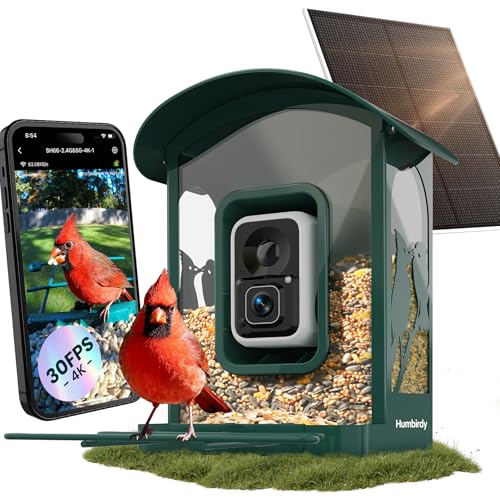
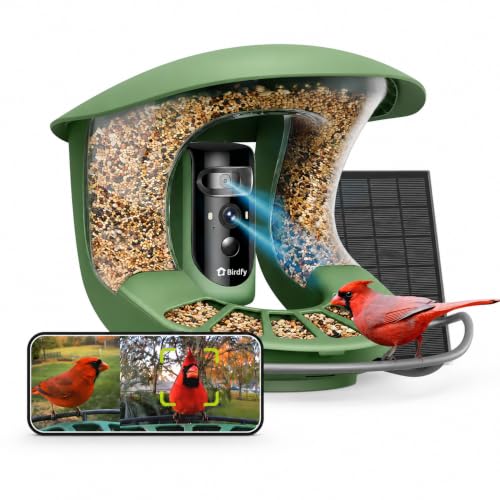
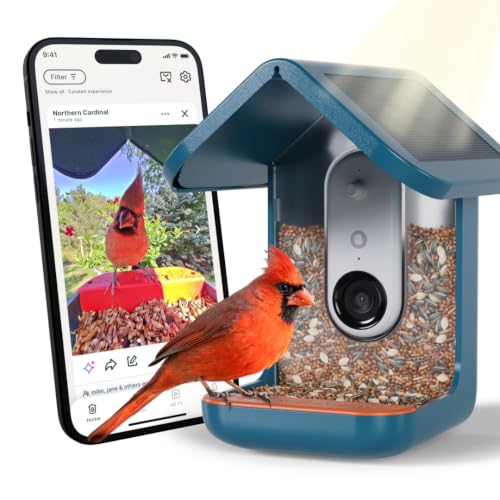
| All in one smart feeder | New bird watchers and gift buyers | Feeder and camera aligned at the factory, app alerts when a bird lands | One failed part can retire the whole unit, full identification features usually need a paid plan | about $150 to $300 |
| Standalone camera for your own feeder | People who already feed birds | Works with the feeder you own, camera can move to other yard spots later | Aiming and focus distance are your job, mounting hardware varies | about $60 to $180 |
| Basic motion activated camera, no app | Cabins and low fuss setups | Simple, cheap, sips battery between visits | You review a memory card by hand, no alerts and no identification | about $40 to $90 |
All in One Feeders With a Built In Camera
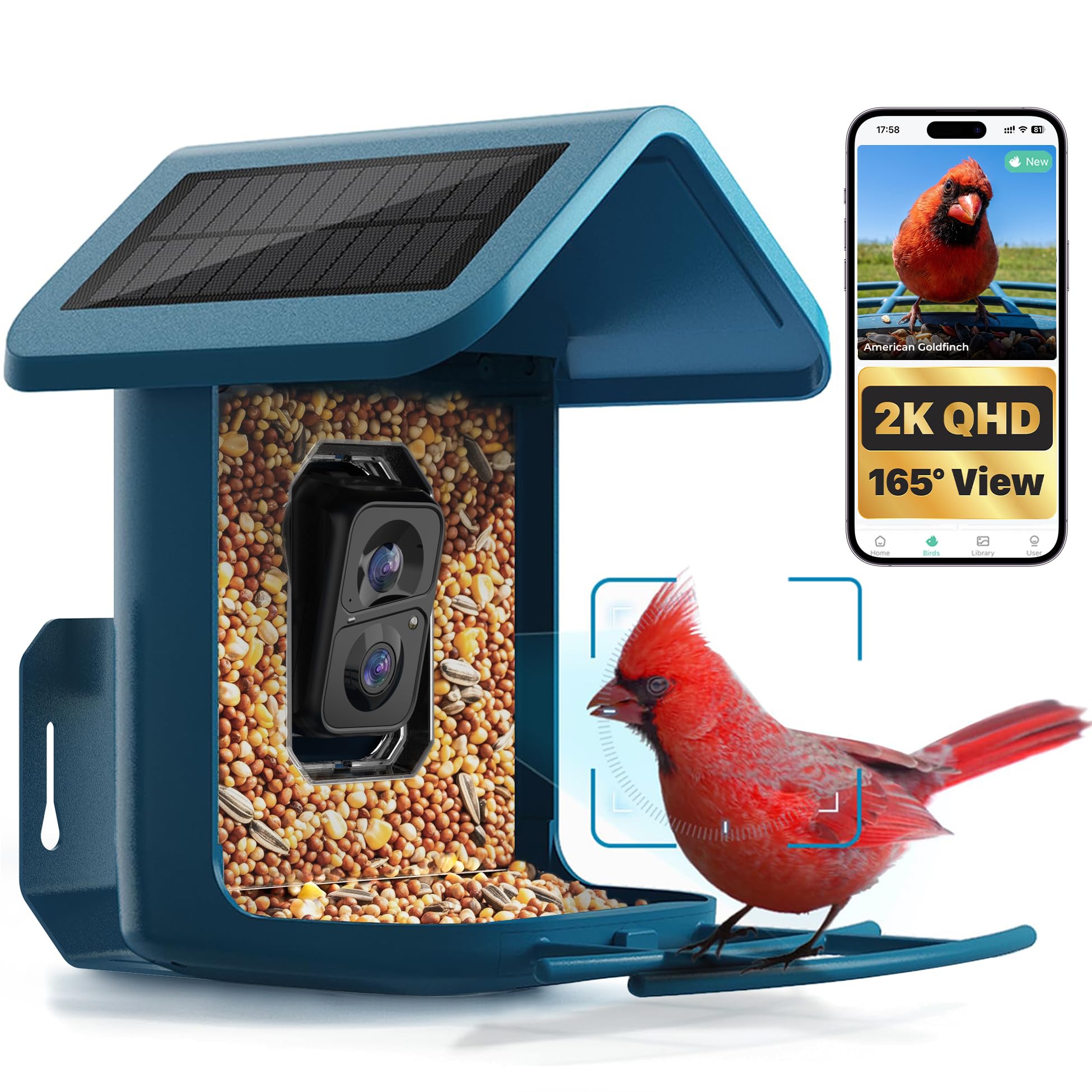
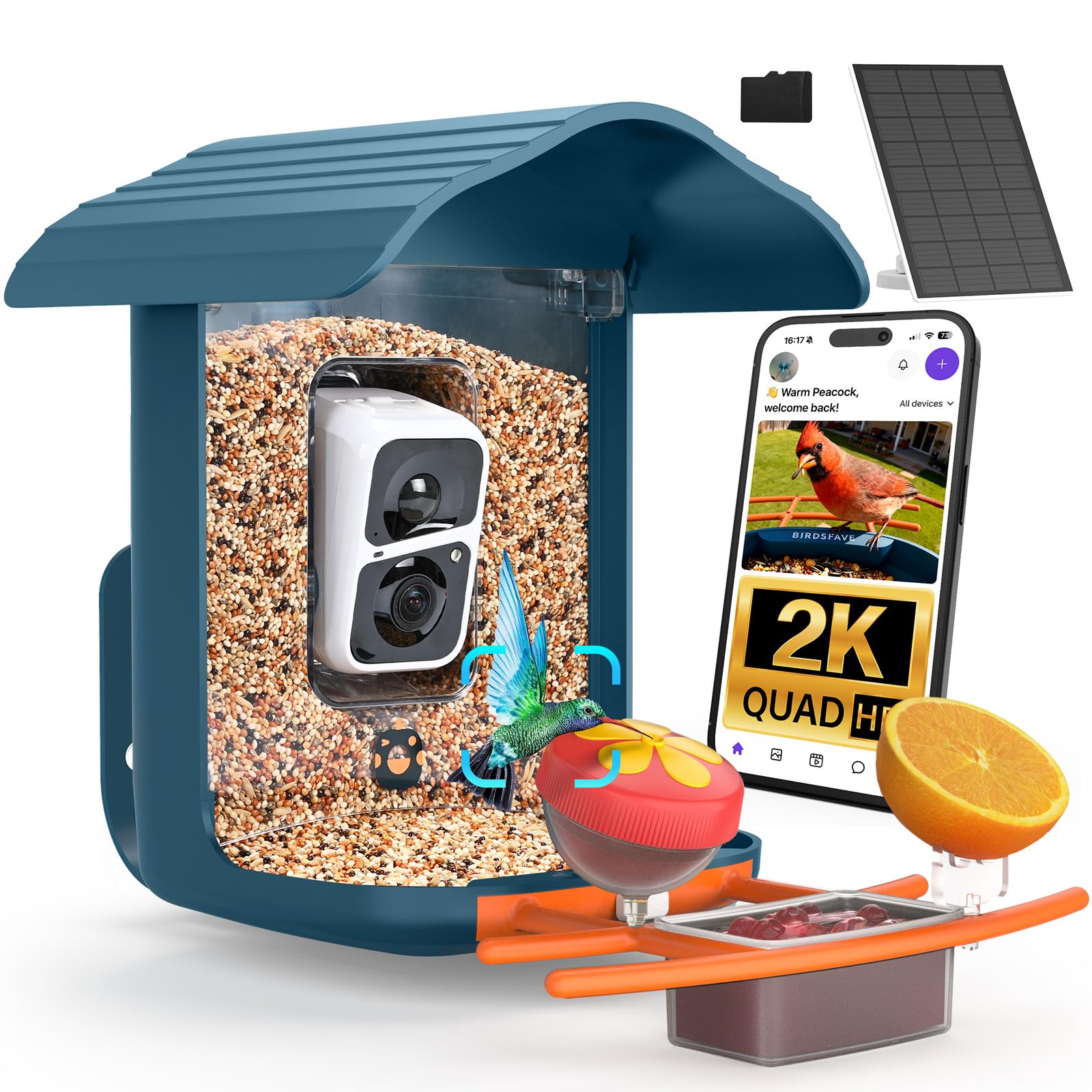
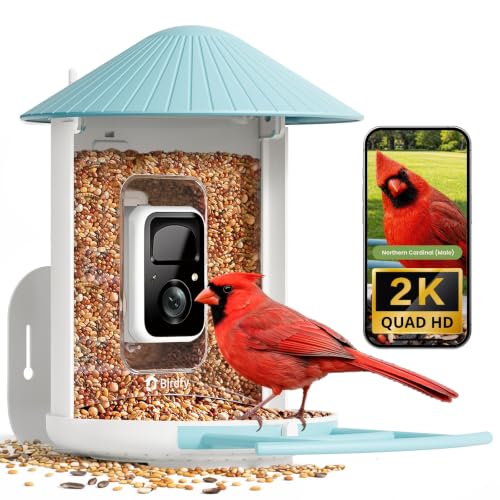
Here the feeder and the camera are one product. The lens sits a short, fixed distance from the feeding perch, which solves the two hardest parts of this hobby for you: focus distance and framing. You fill the seed tray, hang or mount the unit, connect the app, and the camera watches exactly the spot where birds land.
The cost of that convenience is dependence. If the camera electronics fail in year three, you cannot simply swap the camera and keep the feeder, and the smartest features, such as species identification and visitor history, often sit behind a subscription. Choose this type when you are starting from zero and value a tidy, one purchase setup over flexibility.
Standalone Cameras Paired With Your Own Feeder
A standalone camera is a separate small camera, usually WiFi connected, that you mount on a pole, bracket, or tree aimed at a feeder you already own. This is the natural upgrade path if your current feeder is good. If the feeder itself is cracked, rusted, or too small for the birds you get, fix that first with a look at the best bird feeders, because no camera improves a feeder birds dislike.
The work you take on is aiming. The camera must sit inside its close focus range, often only a foot or two from the perch, and stay steady in wind. For short, supervised sessions some people instead aim a regular camera on a tripod from a window, and the best digital cameras cover that different, hands on approach. For daily unattended watching, though, a small dedicated unit is the practical standalone choice.
Basic Motion Activated Cameras Without an App
The third type borrows from trail cameras: a weather sealed box that wakes on motion, records short clips or stills to a memory card, and sleeps again. There is no live view, no phone alert, and no species identification. You pull the card every week or two and browse what visited, which suits a cabin, a second home, or anyone who dislikes apps.
Battery life is the quiet strength here, since the camera draws almost nothing while asleep, and prices are the lowest of the three types. The weakness is feedback: you learn that the camera was aimed slightly wrong only when you review the card. Check the aim with a few days of footage before trusting it for a season.
Built In or Standalone: Which Should You Choose?
Start with what you already own. A good feeder on a good pole points to the standalone type; an empty yard points to the all in one. Next, weigh closeness of the image. Built in units are framed at the factory, so their framing is reliably tight, while a standalone camera can actually sit closer or farther if you mount it well, giving either a tighter portrait or a wider view of a platform feeder.
Then count ongoing costs. All in one feeders lean hardest on paid plans for identification and cloud history, while standalone and basic cameras lean on memory cards and your own storage. Flexibility also differs: a standalone camera can spend spring at the feeder and autumn watching a nest box or a garden gate, while a built in camera only ever watches its own tray.
Finally, consider effort: the built in type is one install, the standalone type is two devices to charge, mount, and maintain. None of these criteria crowns a winner; they simply map to different households.
One more honest boundary: if your real interest is watching birds across the whole yard or along a trail, a feeder camera is the wrong tool, since it sees only one feeding spot. The best cameras for bird watching address that wider watching job instead.
How to Choose the Best Bird Feeder Cameras
With your type picked, the choosing factors below separate a satisfying purchase from a frustrating one. Work through them in order, because the early ones rule out more products than the later ones.
Close Focus and Honest Image Quality
The single most important spec is close focus distance. A feeder camera works one to three feet from its subject, and a camera that cannot focus that near produces soft, blurry birds no matter how large its resolution number looks. Treat headline megapixels and 4K badges with suspicion; at feeder distance, the lens, the sensor size, and plain daylight matter more than pixel counts.
Night footage splits into two approaches. Infrared light is invisible to birds and gives black and white clips, while a white light spotlight gives color but can startle feeding birds at dawn. Readers who want printable stills rather than app clips are chasing a different standard, and the best cameras for bird photography cover that goal; a feeder camera is built for watching, not for gallery prints.
Power Reality: Batteries, Solar Panels, and Sun Hours
Most feeder cameras run on a rechargeable battery, often helped by a small solar panel. A solar panel is not magic: it needs real sun hours aimed at the panel, and a feeder hung in deep shade or under an eave may give it almost none. Winter shortens days and cold batteries hold less charge, so the same setup that coasted through June can need manual charging in January.
Plan the mount around this. A spot you can reach with a short ladder makes battery swaps painless, and a plug in powered model, where your yard allows a safe outdoor outlet, removes charging from your life entirely. Check the maker estimate for battery life against your feeder traffic, because a busy feeder triggers hundreds of clips a day and drains far faster than the quiet yard in the advertisement.
App Identification and What Smart Features Really Cost
Many apps promise to name every visitor automatically. Treat that as a helpful suggestion, not a verdict: identification software confuses similar species, juveniles, and birds in poor light, and it will sometimes be confidently wrong. Learning two or three field marks yourself remains the reliable check, with the app as a first guess.
Also read the plan terms before buying the hardware. Identification, long video history, and extra cloud storage are commonly paid features billed monthly or yearly, and a camera that seems mid priced can cost the most over three years once the plan is added. Decide whether alerts and naming are worth a permanent subscription, or whether a card based camera that simply records is the honest fit.
Motion Sensitivity and False Alerts
These cameras wake when a motion sensor notices change, and a feeder is a busy, moving object. Wind swinging the feeder, shifting shadows, and branches moving behind it can all trigger clips of nobody at all, and each empty clip costs battery and storage. Look for adjustable sensitivity and a choice of clip length, since a lower sensitivity and shorter clips cut the junk dramatically on a windy site. A camera that films everything teaches you to ignore it, while one tuned to your yard sends alerts you actually open.
Yard Fit, Mounting, and WiFi Reach
Mounting options decide where the camera can live: pole mounts suit open lawns, strap mounts fit trees, and window mounts trade image distance for zero yard work. Before ordering, stand at the feeder spot with your phone and check the WiFi signal there, because the camera streams through your home network and a weak signal at the far fence means stalled video and missed alerts, whatever the resolution.
Feeder style shapes your footage too. Tube feeders give tidy single bird portraits, while platform feeders film whole groups at once. If one species is the goal, feeder design matters more than camera choice: cardinals, for example, prefer open platform style feeding, which the guide to the best cardinal bird feeders explains in detail.
Squirrels, Raccoons, and What a Camera Cannot Stop
A camera records raiders beautifully and deters none of them. Squirrels will pose for it, raccoons will knock it, and neither cares about being filmed. The actual deterrent work belongs to feeder placement and hardware: a baffle on the pole, distance from fences and branches that squirrels launch from, and weight sensitive perches that close under a heavy animal.
Buy the setup in that order. Sort the physical defenses first, then add the camera to enjoy the birds the defenses protect. A buyer who hopes the camera itself will guard the seed is paying for a witness, not a guard, and will be disappointed by excellent footage of every theft.
Feeder Hygiene and Bird Health
Feeders concentrate birds in one small space, beak to beak, which makes cleanliness part of owning any feeder camera setup. Wet seed molds quickly, and moldy seed and accumulated droppings can spread illness through exactly the flock you are trying to enjoy. Empty and wash the feeder and tray about every two weeks, more often in wet weather, using hot soapy water, a thorough rinse, and full drying before refilling.
Move the feeder a short distance now and then so waste does not build up in one patch of ground, and rake up spilled seed hulls under it. During a local bird disease outbreak, follow the guidance of your state wildlife agency or local birding groups; officials sometimes advise pausing feeding for a period so birds disperse, and the right move then is to take the feeder down, camera and all, until they say feeding can resume.
Privacy and Placement
A feeder camera is still a camera recording your yard, and possibly slivers of a neighbor yard, the street, or your own back door. Angle it tightly at the feeder rather than across the property, and let household members and regular guests know it is there. Some models record audio as well as video, and recording rules vary by place, so check your local rules before enabling sound if the camera can see or hear beyond your own yard. Thoughtful placement keeps the hobby friendly: birds in the frame, people out of it.
Care and Maintenance Tips
Keep the lens clean with a soft, dry cloth, since a film of seed dust and rain spots quietly ruins contrast in every clip; never scrub it with a shirt or paper towel, which can scratch the coating. Check the housing seals when you refill seed, and clear any spider web across the lens or motion sensor, a common cause of false alerts and foggy night footage. Bring the battery in for a full charge before the coldest months, update the app and firmware when prompted so security fixes land, and store a spare memory card with the unit if yours uses one, so a full card never means a silent week.
Bird Feeder Cameras: Your Questions Answered
Do bird feeder cameras need WiFi?
No, only the app connected types need WiFi, and only for live view, alerts, and identification features. Card based cameras record to a memory card with no network at all. If your feeder spot has weak WiFi, options include moving the router, adding an outdoor access point, or simply choosing a card based model and giving up alerts in exchange for reliability.
Will a bird feeder camera scare the birds away?
Generally no, because birds settle around a new feeder object within a few days once seed is steady. The disturbance that matters is yours: frequent trips to adjust the camera reset the clock. Set the camera up, fill the feeder, and then leave the spot alone for several days. Choosing infrared night recording over a bright white spotlight also keeps dawn and dusk visitors calmer.
How close should the camera be to the feeder?
Close, and inside the focus range the maker states, which for feeder cameras is often about one to three feet from the perch. Too far back and the bird becomes a small shape in a wide yard shot; too close and wings and tails leave the frame. With a standalone camera, film one busy morning, review the framing, and adjust once, rather than guessing from the mount.
How long does the battery last in a bird feeder camera?
Anywhere from a few weeks to a few months, and your feeder traffic decides more than the battery size does. Motion triggers, clip length, night recording, and cold weather all shorten the interval, while a solar panel in genuine sun can stretch it indefinitely. Check your app battery reading monthly so the camera never dies silently during the most interesting week of the season.
Can the app identify every bird that visits my feeder?
No app identifies every visitor correctly, and treating it as a suggestion protects you from logging wrong species. Poor light, partial views, and look alike species all trip the software, and some identifications improve only on paid plans. A useful habit is to confirm each new species against a field guide or regional bird list before adding it to your own records.
The Bottom Line
Choosing among the best bird feeder cameras comes down to three decisions: pick the type that matches what you already own, confirm the power and WiFi reality of your feeder spot, and count any app plan as part of the price. Add honest expectations, since the camera will witness squirrel raids rather than prevent them, and keep the feeder clean so the flock stays healthy. The product table pulls the leading options together once you know your type, and it is the fastest way to compare them side by side.