
Best Calcium Tablets For Women's Bones 2026
Disclosure: We may earn a commission when you buy through links on this page, at no extra cost to you. As an Amazon Associate I earn from qualifying purchases. Learn more

Learn how to choose calcium tablets for women's bone health, from calcium forms and vitamin D to dosing habits and safety. Compare options first.
Many women search for the best calcium tablets for women's bones when thinking about bone strength across midlife and beyond. Calcium supplements vary in form, dose, and companions like vitamin D, and the right choice depends on diet, health, and clinician advice. This guide explains the options in plain language without prescribing a dose.
The comparison table below gives an overview of supplement types, while the sections that follow explain forms, absorption, and safety. Supplements support a varied diet and healthy habits, but they cannot replace medical review for bone health concerns.




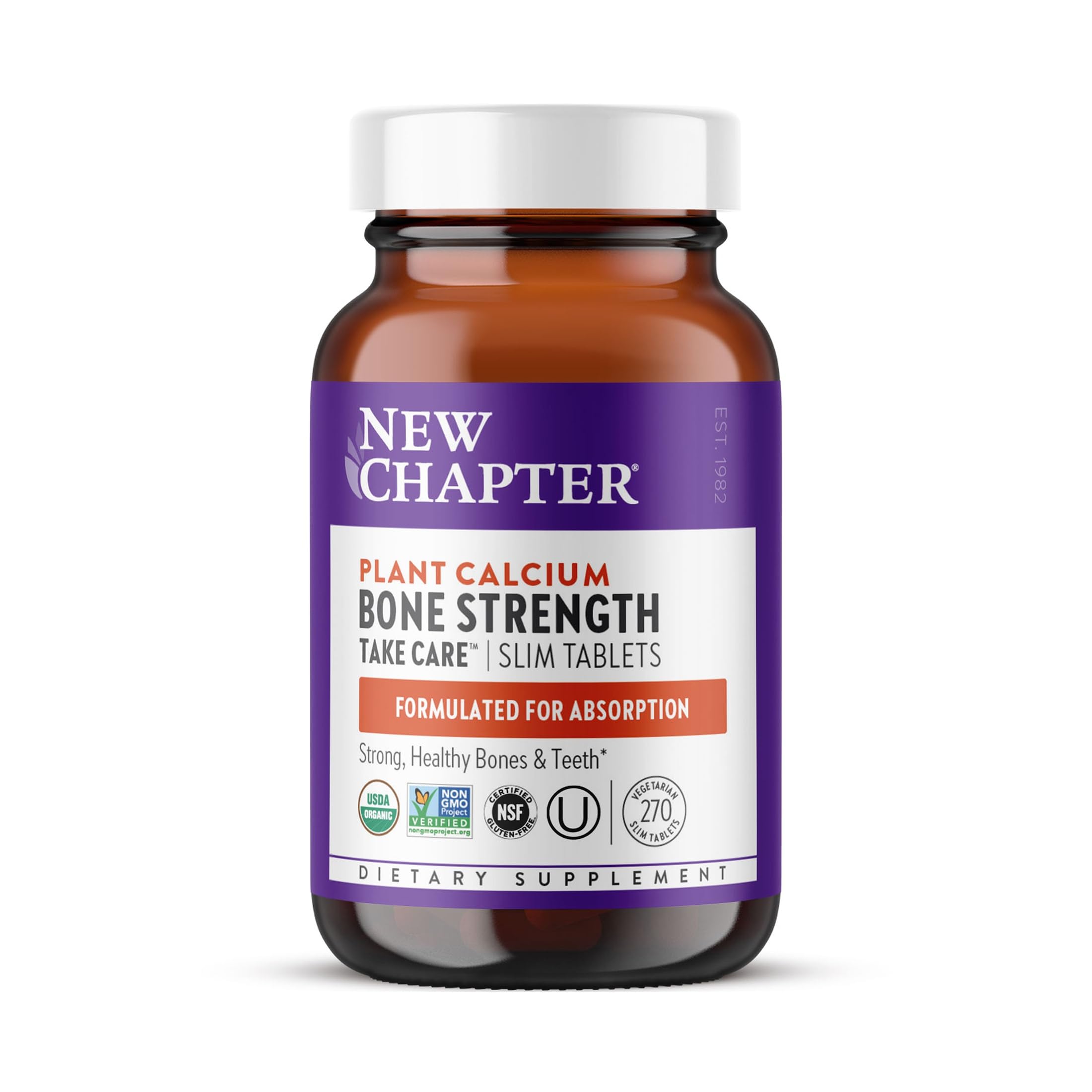
Who Should Consider Calcium Tablets
For Women With Low Dietary Calcium
Women who eat little dairy or calcium rich food may discuss supplements with a clinician to fill a dietary gap. A food first review helps, since diet, sunlight, and activity all affect bone health. Supplements work best as part of a broader plan, not as a standalone fix.
For Women in Midlife and Beyond
Bone loss accelerates around menopause, so midlife women often review calcium and vitamin D with a clinician. A bone density check and health history help decide whether a supplement is appropriate and at what level. Avoid self prescribing high doses without professional input.
For Women With Specific Health Needs
Women with restricted diets, absorption issues, or medicines that affect bone health should seek clinician guidance before choosing a supplement. Calcium can interact with some medicines, so timing and form matter. Bring a full medicine list to the discussion for safer advice.
Key Features to Compare
Calcium Carbonate or Citrate
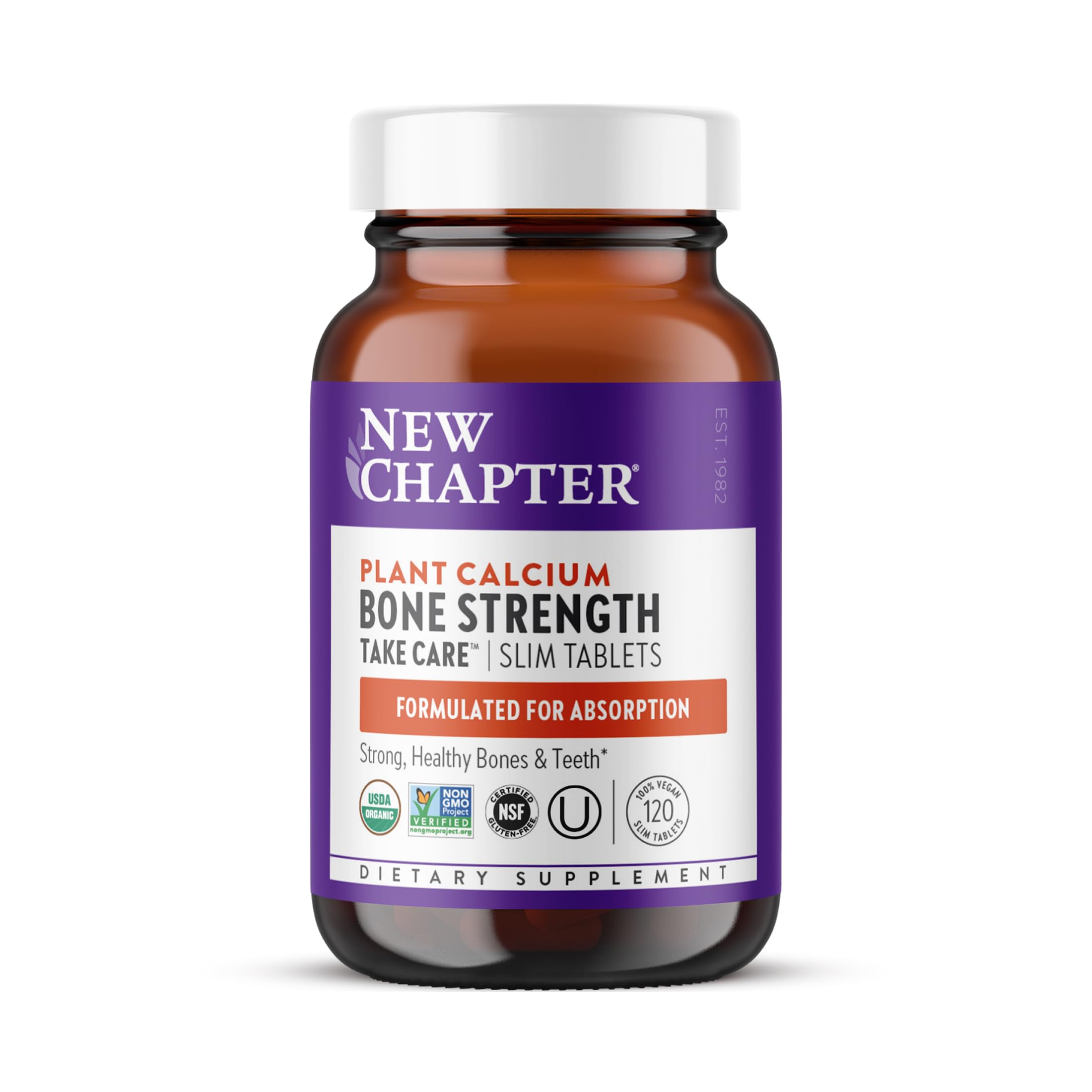
Calcium carbonate contains more elemental calcium per tablet and suits people who can take it with food, while citrate absorbs well with or without food and suits lower stomach acid. The elemental calcium amount, not the total tablet weight, decides the dose. Compare elemental amounts on labels carefully.
Vitamin D Companions
Vitamin D helps the body absorb calcium, so many tablets pair the two nutrients. Check whether your total vitamin D from all sources stays within guidance, since more is not always better. Sunlight, diet, and other supplements all contribute to total intake.
Dose Size and Tablet Burden
Splitting a daily amount into smaller doses across the day often absorbs better than one large tablet, though it adds routine complexity. Smaller tablets may be easier to swallow, while larger tablets reduce pill count. Choose a routine you can sustain daily, since consistency matters.
Purity and Third Party Testing
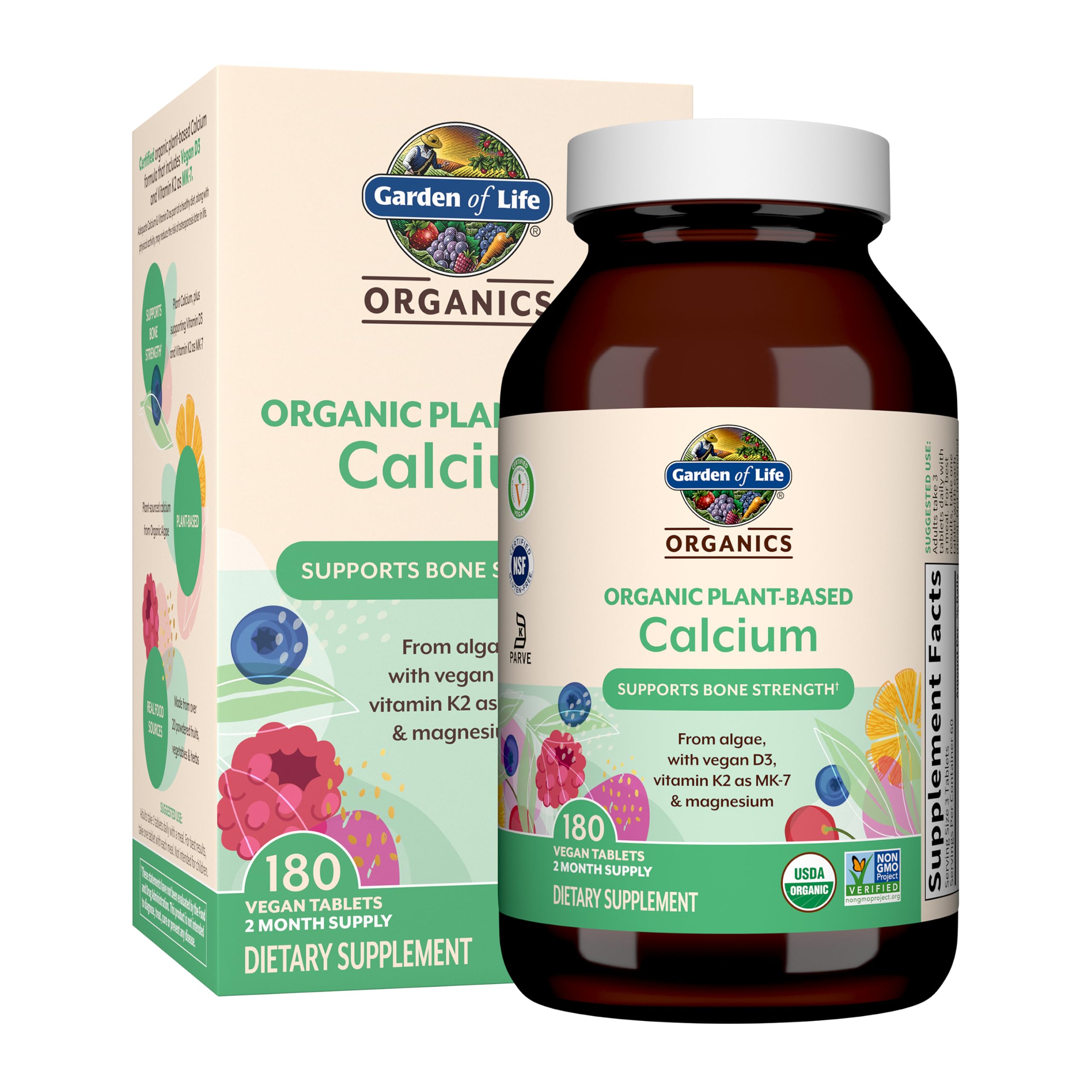
Third party testing signals that a product contains what its label claims and is free from common contaminants. Look for recognised testing marks and clear labelling of elemental calcium. Avoid products with vague claims or missing elemental amounts.
Types Worth Knowing
Calcium Carbonate Tablets
Carbonate tablets offer a high elemental calcium share at a low cost and suit most people who take them with meals. They may cause digestive discomfort in some users, in which case another form may suit better. Take them with food as the label directs for best absorption.
Calcium Citrate Tablets
Citrate tablets absorb well without food and suit people with lower stomach acid or those taking acid reducing medicines. They contain less elemental calcium per tablet, so more tablets may be needed for the same amount. They tend to cost more than carbonate options.
Combined Calcium and Vitamin D Tablets
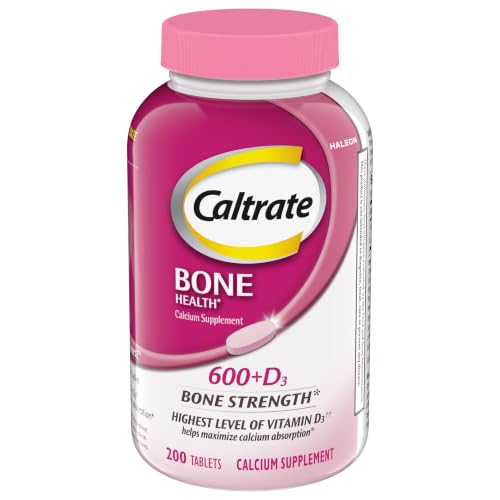
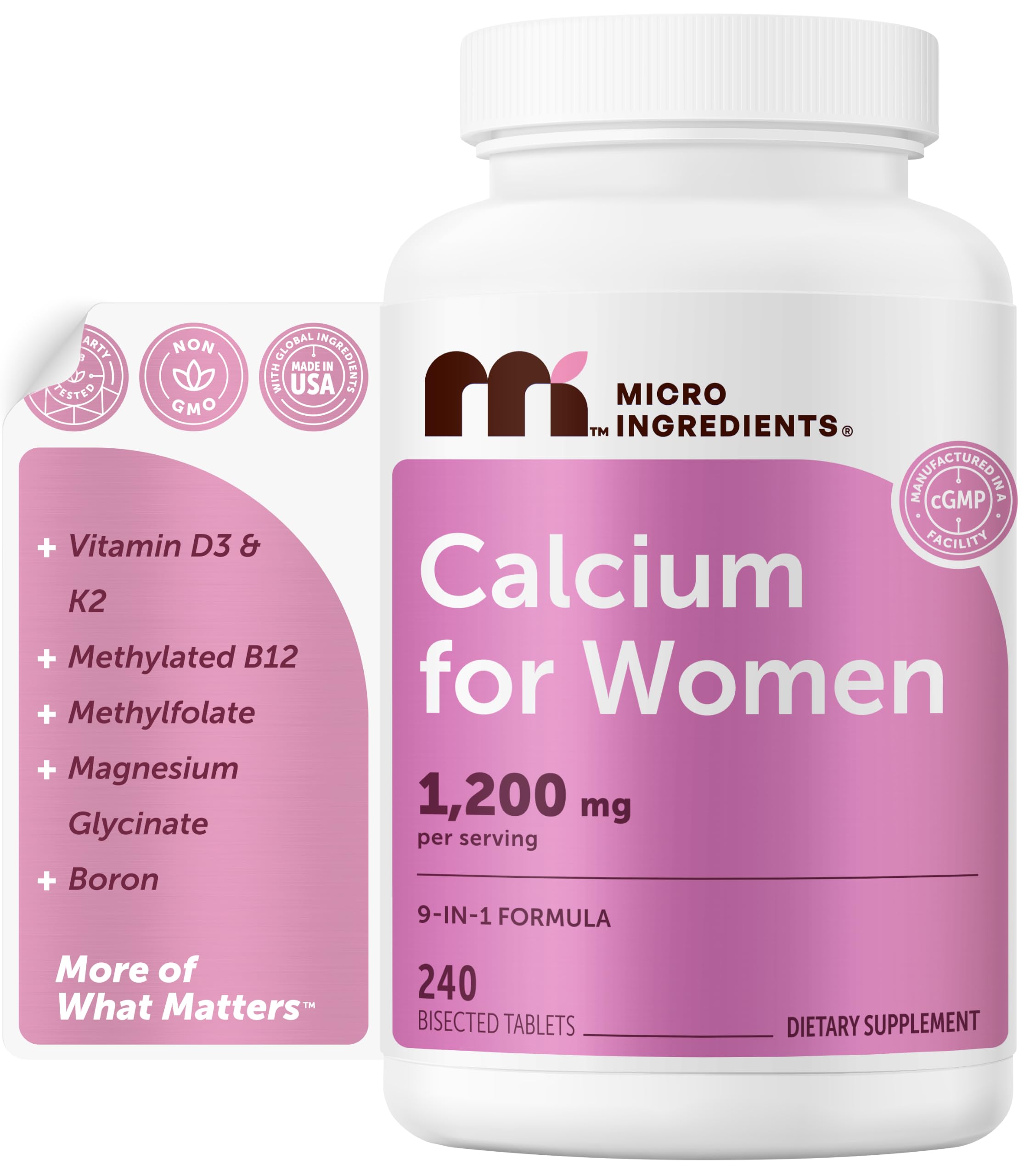
Combined tablets simplify routines by pairing calcium with vitamin D in one product. They suit people whose clinician has advised both nutrients, but they reduce flexibility if you need to adjust one nutrient alone. Check total vitamin D across all your supplements before choosing.
Use, Safety, and Common Mistakes
Prices for calcium tablets usually range from about 10 dollars to about 30 dollars for a monthly supply, depending on form and brand. Higher prices may reflect testing, smaller tablets, or added nutrients, but cost alone does not signal quality. Compare elemental calcium per dollar and testing marks together.
Seek clinician advice promptly if you notice persistent digestive pain, unusual thirst, frequent urination, confusion, or signs of kidney problems, since these can signal excess calcium or another issue. Calcium can interact with thyroid medicines, antibiotics, and other treatments, so discuss timing and total intake with a clinician or pharmacist.
Common mistakes include taking very high doses without advice, counting total tablet weight instead of elemental calcium, and ignoring vitamin D from other sources. Before you buy, review your diet, your other supplements, and your medicines with a clinician. The product table above is a starting point, but professional guidance should shape your final choice.
A Closer Look at Bone Healthy Living
Diet provides calcium in varied forms, from dairy and fortified foods to leafy greens, nuts, and fish with edible bones. Review your weekly diet honestly before relying on supplements, since food sources offer other nutrients alongside calcium. A varied diet supports bone health more broadly than any single tablet.
Weight bearing activity supports bone strength, with walking, dancing, stair climbing, and resistance work all contributing. Aim for regular movement that loads bones gently rather than occasional intense sessions. Activity also improves balance, which reduces fall risk as bones age.
Vitamin D comes from sunlight, diet, and supplements together, and needs vary with season, latitude, and skin tone. Discuss total vitamin D intake with a clinician rather than adding supplements blindly. Balanced intake supports calcium absorption without excess risks.
Fall prevention matters as much as bone density, since strong bones still break in hard falls. Keep homes well lit, remove trip hazards, wear supportive footwear, and review vision and medicines that affect balance. Small home changes reduce fracture risk meaningfully over time.
Bone health tracking through density checks and health reviews helps clinicians spot changes early and adjust advice. Ask about testing intervals based on your age, history, and risk factors rather than assuming a fixed schedule. Regular review turns bone health into managed care rather than guesswork.
Finally, discuss bone health openly with family, since family history informs risk and shared habits affect everyone. Encourage relatives to review diet, activity, and screening with their own clinicians. Bone health is a household conversation, not a private worry.
Frequently Asked Questions
How much calcium do I need from supplements?
Needs vary by age, diet, health, and life stage, so there is no single dose that fits every woman. A clinician can estimate your dietary intake and advise whether a supplement helps and at what level. Avoid high doses without advice, since excess calcium carries its own risks.
Should I take calcium with food?
Calcium carbonate absorbs best with food, while citrate absorbs well with or without food. Follow the label for your specific form and take tablets at a consistent time each day. Splitting larger amounts across meals often improves absorption and reduces digestive discomfort.
Can calcium tablets interact with medicines?
Yes, calcium can affect absorption of some medicines, including thyroid treatments and certain antibiotics, so timing matters. Tell your clinician or pharmacist about every medicine and supplement you take. They can advise on spacing doses to reduce interaction risks.
Do calcium supplements replace a bone healthy diet?
No, supplements support but do not replace a varied diet rich in calcium, vitamin D, protein, and other nutrients, plus weight bearing activity. Diet and movement work together with any supplement your clinician advises. A bone healthy lifestyle matters more than any single tablet.
When should I talk with a clinician about bone health?
Talk with a clinician if you have a family history of osteoporosis, a previous fracture from minor trauma, early menopause, or a condition affecting bones. A bone density check and health review help decide on testing, lifestyle steps, and whether supplements or treatment are appropriate. Family history, early menopause, or minor trauma fractures all deserve prompt professional review.
Related Guides
For bone focused comparisons, best calcium tablets for bones and best calcium tablets for osteoporosis explain bone health contexts in more detail. For general use, best calcium tablets for women and best calcium tablets cover wider calcium choices.
For fracture related concerns, best calcium tablets for broken bones discusses recovery contexts with clinician guidance. Use these guides alongside the product table above, and always pair supplement choices with professional advice.
Final Thoughts
Choosing best calcium tablets for women's bones means comparing elemental calcium, form, vitamin D companions, and testing marks, then discussing the choice with a clinician. A supplement that fits your diet, your medicines, and your routine will serve you better than a high dose chosen alone. Consistency and professional guidance matter most.
Use the product table above as a starting point, then review your total calcium and vitamin D intake with your clinician. With the right choice and healthy habits, you support bone strength steadily over time.


