
Best Calcium Tablets for Osteoporosis: A Buying Guide for 2026
Disclosure: We may earn a commission when you buy through links on this page, at no extra cost to you. As an Amazon Associate I earn from qualifying purchases. Learn more

Learn how calcium forms, label reading, and daily routine help you discuss calcium tablets for osteoporosis with your clinician safely and bone health.
Calcium tablets are not a simple purchase when bone health is involved, because form, dose timing, and other medicines all interact. When people research best calcium tablets for osteoporosis options, the useful question is not which tablet is strongest, but which form fits your diet, stomach, and clinician guidance. The comparison table below gives a quick side by side view of the main calcium forms, so you can prepare good questions for your clinician.
This guide is general information only. It does not recommend a dose, diagnose bone loss, or replace medical advice. Osteoporosis care often involves diet, vitamin D, exercise, fall prevention, and prescription treatment, and calcium is only one part of that plan. Always discuss supplements with your clinician or pharmacist, especially if you take other medicines.

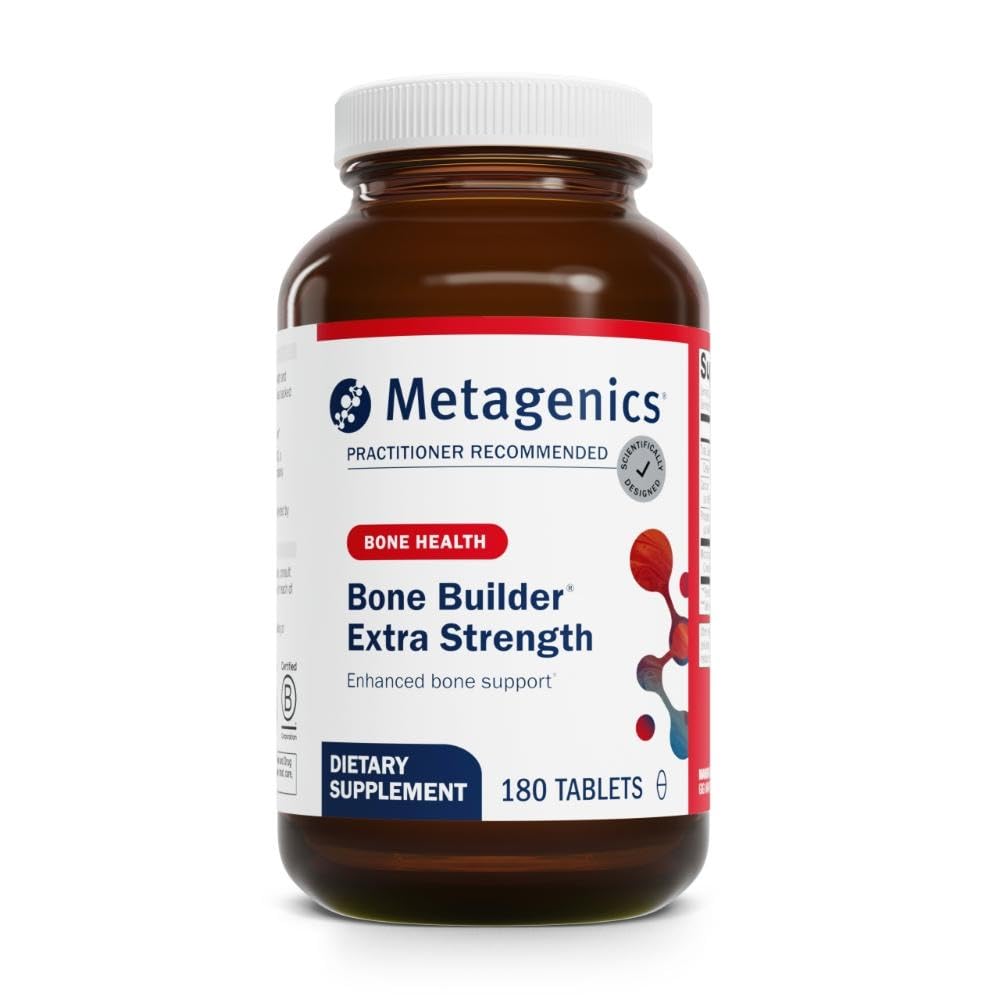


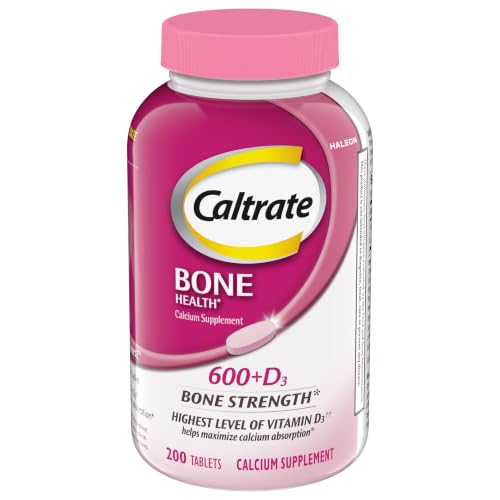


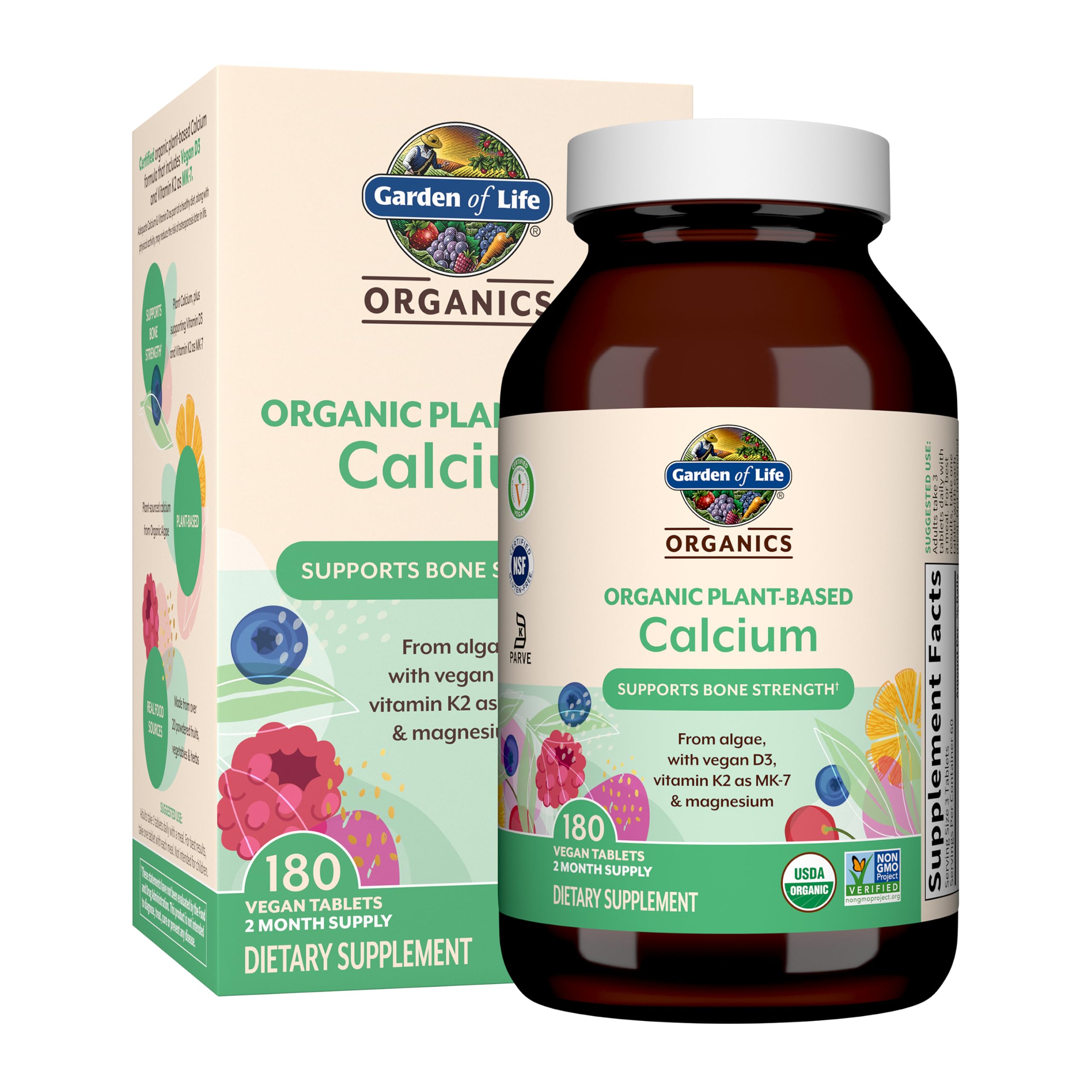

What follows explains calcium forms, how to read a label, how timing and food affect absorption in general terms, and what warning signs need prompt care. It will help you have a clearer, safer conversation with your care team.
Who Should Think Carefully Before Choosing
People with kidney stones, kidney disease, high blood calcium, thyroid or parathyroid conditions, or a history of heart or stomach problems should be especially careful with calcium supplements. The same care applies if you take thyroid medicine, certain antibiotics, iron, or osteoporosis prescription medicines, since timing and interactions can matter. A pharmacist can check interactions even when a product seems simple.
Diet matters too. Some people already get enough calcium from dairy, fortified foods, leafy greens, and other sources, while others struggle with lactose intolerance, restricted diets, or poor appetite. A clinician can judge whether a supplement adds value for you, rather than assuming more calcium is always better. More is not always safer, and excess calcium can cause problems.
Key Features to Compare: Forms and Labels
Common calcium forms include carbonate and citrate, and they behave differently in general terms. Carbonate is often cheaper and contains more elemental calcium per tablet, but it usually needs stomach acid and food to absorb well. Citrate is often easier on the stomach and can be taken with or without food, which suits people with low stomach acid or sensitive digestion.
Read the label for elemental calcium, not just tablet weight, since a large tablet may contain less usable calcium than it appears. Check serving size, number of tablets per day, and other ingredients such as vitamin D, magnesium, or added sugars. Also note allergens, tablet size, and whether the tablet can be split, since large tablets are hard to swallow for some people.
Routine, Timing, and Food in General Terms
Calcium absorbs better in smaller amounts spread through the day than in one very large dose, in general terms. Food, especially for carbonate forms, and spacing from certain medicines can affect absorption, so follow the label and your clinician timing advice rather than a general rule. Keep a simple routine, such as the same time each day, to avoid missed or doubled doses.
Store tablets dry, away from heat and moisture, and keep them out of reach of children, since large amounts can be harmful to a child. If you miss a dose, follow the label guidance rather than doubling up, and ask a pharmacist if you are unsure. Never adjust a prescription osteoporosis medicine because you started a supplement.
Warning Signs and When to Seek Care
Seek prompt medical advice for severe stomach pain, persistent vomiting, confusion, unusual thirst and urination, muscle weakness, or signs of an allergic reaction such as swelling of lips or face or difficulty breathing. Also seek advice for ongoing constipation, nausea, or stomach pain that does not settle, since these can signal that a supplement does not suit you.
Bone health warning signs that need clinician review include a fracture from a minor fall, noticeable height loss, new back pain, or a stooped posture that develops quickly. These signs need assessment, not a supplement change alone. Talk with your clinician about bone density testing, fall safety, and exercise that suits your condition.
A Final Check Before You Buy
Prepare for your clinician appointment by listing every supplement and medicine you take, including over the counter products, vitamins, and herbal remedies. That list helps your clinician spot interactions and judge total calcium intake, which is easy to underestimate when several products contain calcium. Bring the actual bottles or clear photos of labels, since brand names alone do not show elemental calcium or dose.
Ask specific questions rather than general ones, such as whether a supplement suits your diet, whether timing matters with your medicines, and what side effects should prompt a call. Ask about vitamin D testing, bone density monitoring, and non supplement measures such as weight bearing exercise and fall prevention, since calcium alone does not manage osteoporosis. Write down answers, because appointment details are easy to forget.
Track how you feel after starting any supplement, noting stomach comfort, bowel habits, thirst, and energy, and report persistent changes promptly. Do not increase the dose on your own if you miss a day, and do not combine multiple calcium products without checking the total. A simple diary helps your clinician judge whether a form suits you or should change.
Remember that bone health is a long term plan involving diet, activity, balance, home safety, and prescribed treatment where needed. Supplements support that plan only when they fit it safely. If cost, tablet size, or taste makes adherence hard, tell your clinician, since an alternative form or routine may work better than struggling silently with a product you dislike.
Related Guides to Compare
For general supplement label guidance, see best calcium tablets and best calcium tablets for ladies. For other supplement tablet categories people compare on labels, see best fiber tablets and best collagen tablets.
Frequently Asked Questions
Do I need calcium tablets if I eat dairy?
Not necessarily, since diet may already provide enough calcium for your needs. A clinician can review your diet, bone health, and other risk factors before deciding. Taking extra calcium without a need does not strengthen bones further and can cause side effects, so diet first is often the safer starting point.
What is the difference between carbonate and citrate?
Carbonate usually contains more elemental calcium per tablet and often costs less, but it generally needs food and stomach acid for best absorption. Citrate is often gentler on digestion and can be taken with or without food. Your stomach, other medicines, and clinician advice should guide the choice, not price alone.
Can calcium tablets interact with my medicines?
Yes, calcium can interact with several medicines, including thyroid medicine, some antibiotics, iron, and osteoporosis treatments, mainly through timing and absorption. Tell your pharmacist about every medicine and supplement you take, and ask about spacing. Never stop a prescription medicine to make room for a supplement.
How much calcium is too much?
There is an upper intake level for calcium from diet plus supplements, and exceeding it regularly raises risk of side effects. Your clinician can judge a safe total for your age, diet, and health conditions. Do not take multiple calcium products at once without checking the total elemental calcium.
Should I take vitamin D with calcium?
Vitamin D helps calcium absorption in general, and many people with bone concerns are also low in vitamin D. However, vitamin D is also a supplement with its own dose and interaction considerations, so discuss it with your clinician rather than adding it automatically. Blood testing and personal history should guide that decision.
Final Thoughts
For osteoporosis, the safest path is clinician guided: check your diet, review medicines, compare forms and labels, and watch for warning signs. Use the product table above to compare forms before your appointment, not as a substitute for it.
Bring your questions, your medicine list, and your diet notes to your clinician, and talk with them before starting or changing any supplement. That conversation matters more than any single choice among best calcium tablets for osteoporosis options.


