
Best Calcium Tablets for Women: A Buying Guide for 2026
Disclosure: We may earn a commission when you buy through links on this page, at no extra cost to you. As an Amazon Associate I earn from qualifying purchases. Learn more

A practical guide to the best calcium tablets for women: dose by life stage, carbonate or citrate, vitamin D, iron timing, and label checks.
Women's calcium needs change with age, pregnancy, and menopause, yet most supplement shelves treat every bottle the same. This guide explains how to choose the best calcium tablets for women by matching the form, the dose, and the extras to your stage of life. The product table above lists current options you can compare with the checks below. This is general information, so ask your doctor or pharmacist before starting a supplement, especially if you take regular medicines.
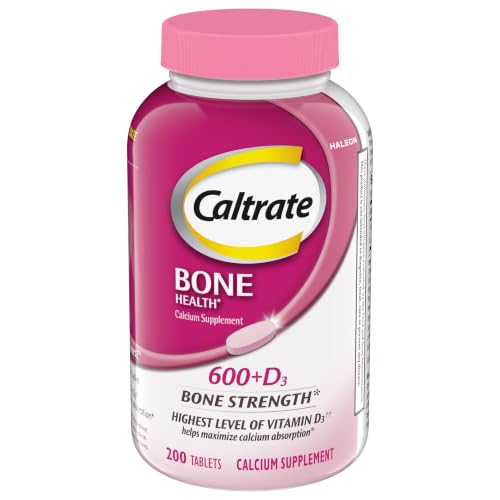


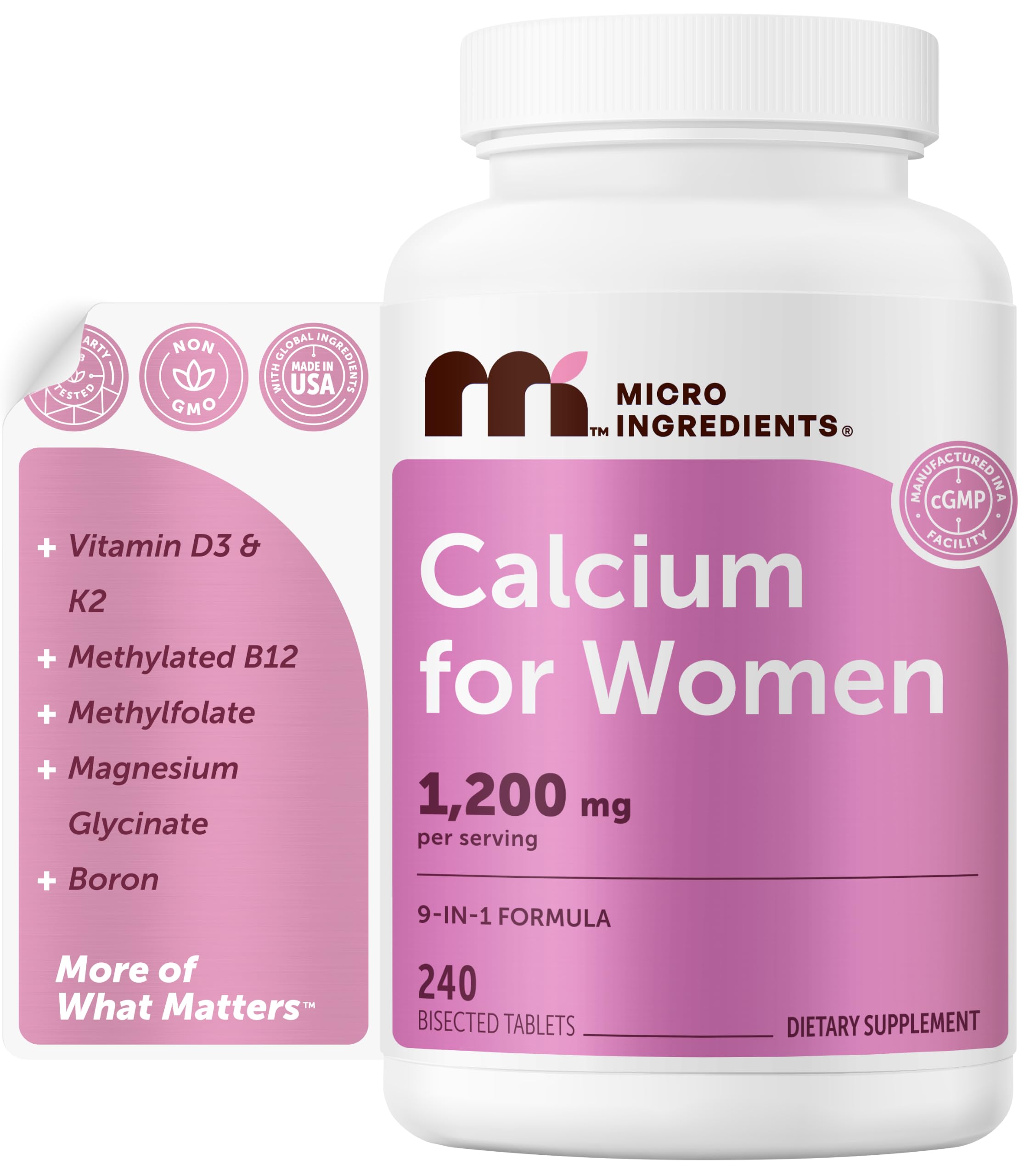
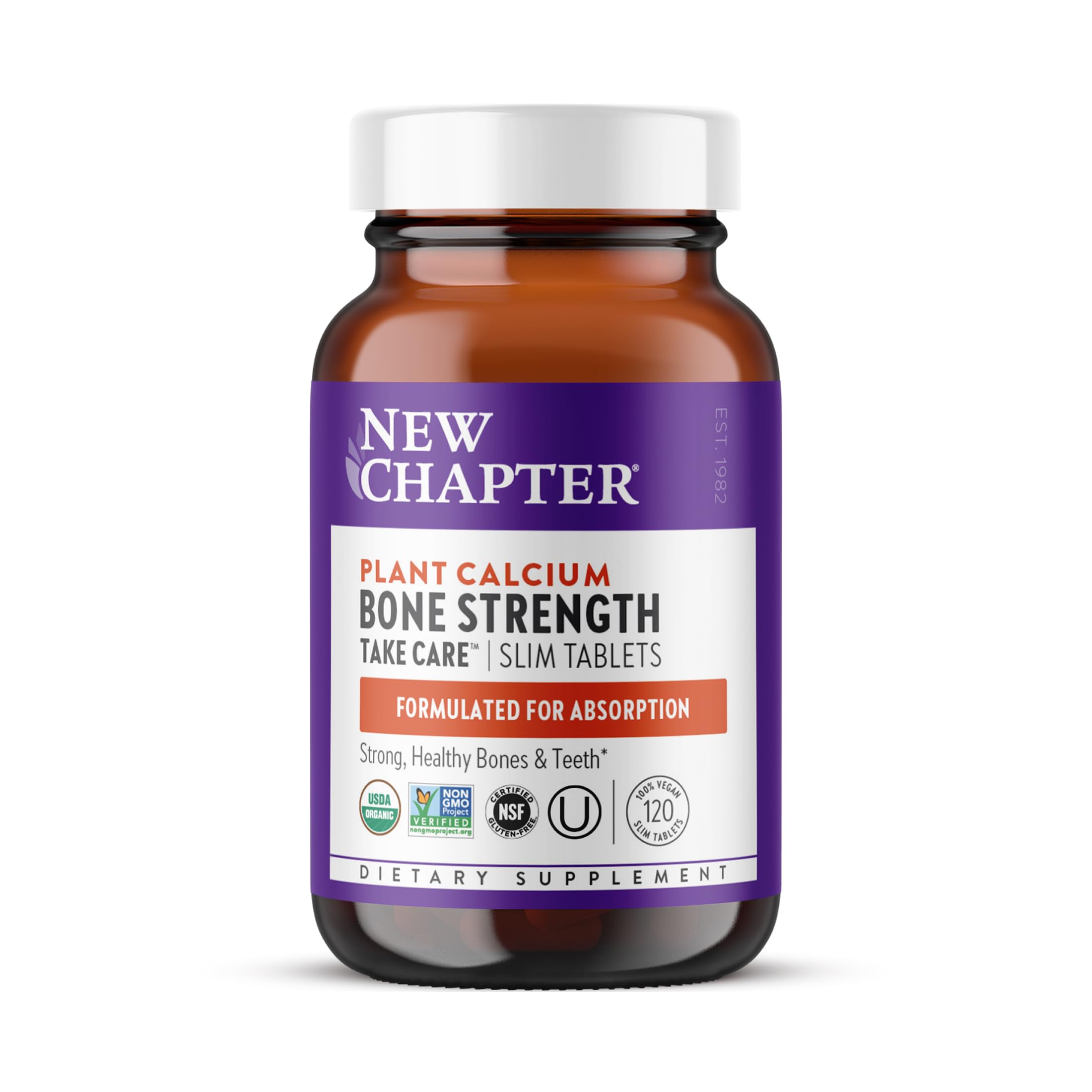


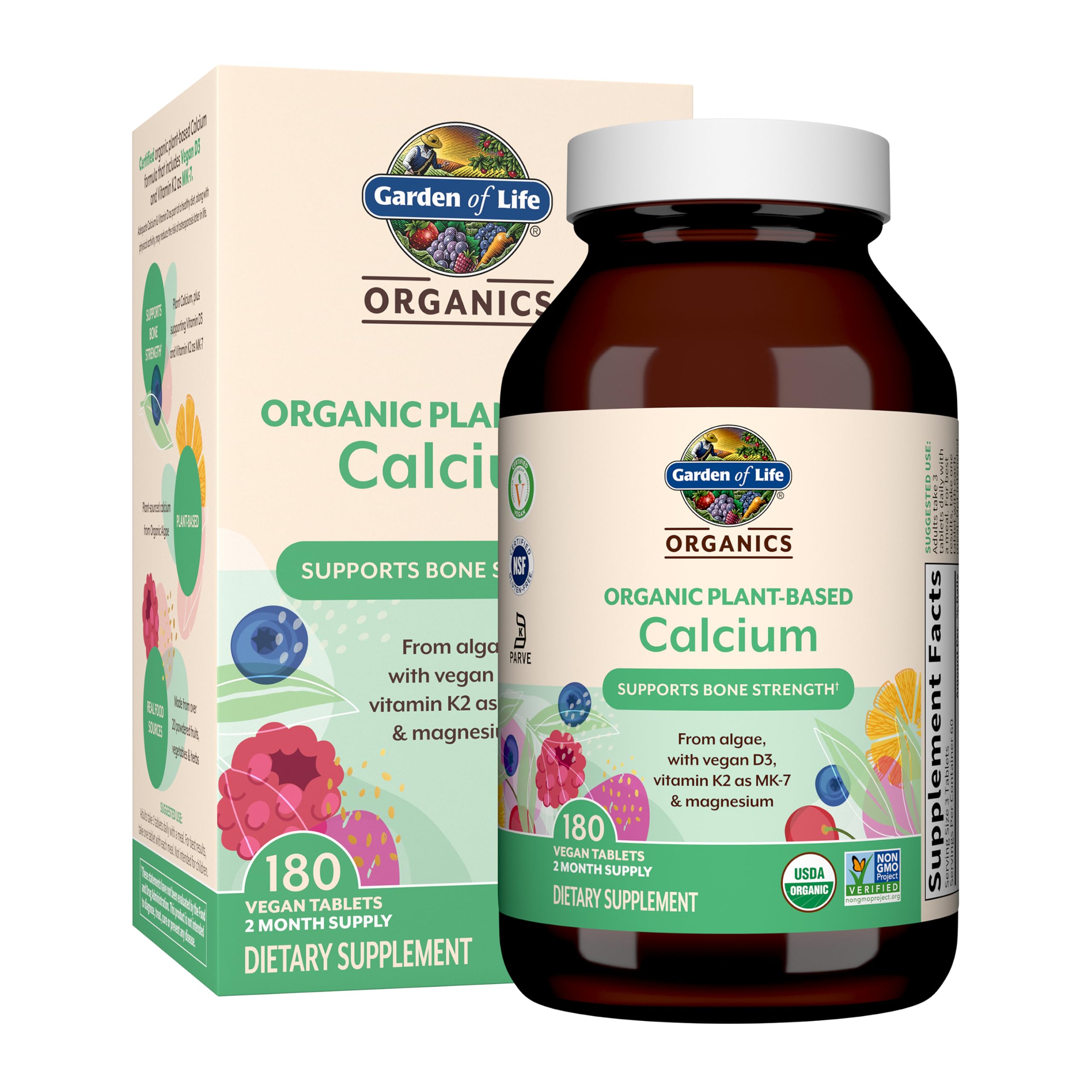
How Much Calcium Women Need
Adult women need about 1,000 mg of calcium a day from food, drinks, and supplements combined until age 50, and about 1,200 mg after 50 or after menopause, when bone loss speeds up. Teenage girls need more, around 1,300 mg, because bone is still being built. Pregnancy and breastfeeding keep the target close to the adult level, but your care team should guide any supplement choice during those months.
Count your food first. A cup of milk or fortified plant drink gives about 300 mg, yogurt and cheese about 200 to 300 mg per serving, and canned fish with bones, tofu made with calcium, kale, and fortified cereal add more. Many women who eat dairy daily need only a small top-up, while women who avoid dairy or eat little overall may need 500 to 600 mg from tablets.
Calcium Carbonate or Citrate for Women
Calcium carbonate is inexpensive and compact, with about 40 percent calcium by weight. It absorbs best with a meal and can cause gas or constipation, which many women already deal with during the month. Calcium citrate has about 21 percent calcium, so you take more tablets, but it absorbs with or without food and is gentler on the stomach. It suits women who take acid reducing medicine or have a sensitive digestive system.
Check the elemental calcium line on the supplement facts panel rather than the compound weight on the front. Keep each serving at about 500 mg or less, because the body absorbs smaller doses more efficiently. A larger daily amount is better split into a morning and an evening dose.
Vitamin D and Other Ingredients
Vitamin D helps the gut absorb calcium, and many women get too little, especially in winter or with limited time outdoors. Look for vitamin D3 on the label and add up any multivitamin so you do not double up. Magnesium and vitamin K appear in some bone formulas; they can help but are not essential, and long ingredient lists often hide small doses.
Iron deserves special mention. Many premenopausal women take iron, and calcium reduces iron absorption when taken together, so space the two by a few hours. Calcium also interferes with thyroid medicine, some antibiotics, and certain bone medicines, so ask a pharmacist for a written schedule.
Choosing the Best Calcium Tablets for Women by Life Stage
- Ages 19 to 50: aim to close a small dietary gap with 300 to 600 mg, keep iron timing separate, and prefer a tablet with vitamin D.
- Perimenopause and menopause: needs rise toward 1,200 mg, so review diet and consider a citrate form if digestion is sensitive.
- After 65: choose a tablet you can swallow easily, check medicine interactions, and ask your doctor about bone density.
- Pregnancy: follow your obstetric team, since prenatal vitamins already contain some calcium.
Tablets, Chewables, and Gummies
Standard tablets give the most calcium per piece at the lowest cost, but they can be large. Chewables and gummies are easier to take, though many contain added sugar and less calcium per piece, so you may need several. If you choose a gummy, compare elemental calcium per serving, and remember that sweet forms should be stored out of reach of children. The best format is the one you will actually take every day.
Label Checks Before You Buy
- Elemental calcium per serving and the number of tablets in a serving.
- Form (carbonate or citrate) and whether to take it with food.
- Vitamin D3 amount and any added iron or magnesium.
- An independent testing seal such as USP or NSF.
- Allergens and added sugar.
- Expiry date and bottle size you can finish in a few months.
Safety and Common Mistakes
Too much calcium can cause constipation, stomach upset, and kidney stones, so keep total intake below about 2,000 to 2,500 mg a day unless your doctor says otherwise. Women with a history of kidney stones, kidney disease, or high blood calcium should talk with a clinician first. Seek medical advice for severe stomach pain, ongoing nausea, unusual thirst, or confusion.
Common mistakes include reading compound weight as usable calcium, taking the whole dose at once, stacking a multivitamin, antacids, and fortified drinks without adding them up, and taking calcium with iron or thyroid medicine. A tablet also cannot replace weight-bearing exercise, enough protein, and not smoking, all of which protect bone.
Questions to Ask Your Clinician
Bring your bottles or clear photos of the labels to your next visit, including multivitamins and antacids, because hidden calcium adds up quickly. Ask whether your diet leaves a real gap, whether your vitamin D level should be checked, and when a bone density scan makes sense for your age and risk. Women who are pregnant, breastfeeding, or planning a pregnancy should ask how a calcium tablet fits with their prenatal vitamin, since many prenatal formulas already include calcium.
Also mention any history of kidney stones, thyroid disease, or digestive conditions, and list every medicine you take. A pharmacist can write out a simple schedule that keeps calcium away from iron, thyroid medicine, and certain antibiotics, and that written plan is easy to follow on busy days. Review the routine once a year, because diet, medicines, and health change what you need.
Related Guides
For a bone-focused look, see our guide to the best calcium tablets for women's bones. For label basics that apply to everyone, read the best calcium tablets guide.
Frequently Asked Questions
How much calcium should a woman take from tablets?
Only the amount that fills the gap between your diet and about 1,000 mg a day (1,200 mg after 50). For many women that is 300 to 600 mg in one or two servings.
Which form is best for women with a sensitive stomach?
Calcium citrate is usually gentler and works with or without food. Carbonate with a meal also works for many women who tolerate it well.
Should women take calcium with iron?
Not at the same time. Calcium lowers iron absorption, so separate the two by a few hours and ask your clinician before taking either one regularly.
Do women need vitamin D with calcium?
Often yes, because vitamin D supports absorption. The right amount depends on sun exposure, diet, and any blood test, so count your multivitamin first.
Are gummies as good as tablets?
They can work, but most carry less calcium per piece and add sugar. Compare elemental calcium per serving before you choose.
Final Thoughts
Match the dose to your real dietary gap, choose a form your stomach accepts, and keep calcium apart from iron and thyroid medicine. Compare labels for elemental calcium, vitamin D, and independent testing against the product table above. The best calcium tablets for women are the ones that fit your life stage and routine, confirmed with your clinician before you begin.


