
Best Calming Tablets at Every Price: What Your Money Really Gets You for 2026
Disclosure: We may earn a commission when you buy through links on this page, at no extra cost to you. As an Amazon Associate I earn from qualifying purchases. Learn more

Compare the best calming tablets by ingredient, dose transparency, third party testing and price tier, with safety questions to ask your clinician.
Prices for calming supplements range from a few dollars to premium monthly subscriptions, and the label rarely explains what the extra money buys. This guide to best calming tablets breaks down each price tier, the label features that are actually worth paying for and the safety checks that matter more than any discount. It covers tablets sold for adults, not medicines and not products made for pets.
One caution comes first. Calming tablets are supplements, not treatments for anxiety disorders, and they can interact with prescription medicines, alcohol and pregnancy. Read the safety sections carefully, use the comparison table below only as a starting shortlist and talk with your doctor or pharmacist about your own medicines and health conditions before taking any of them.


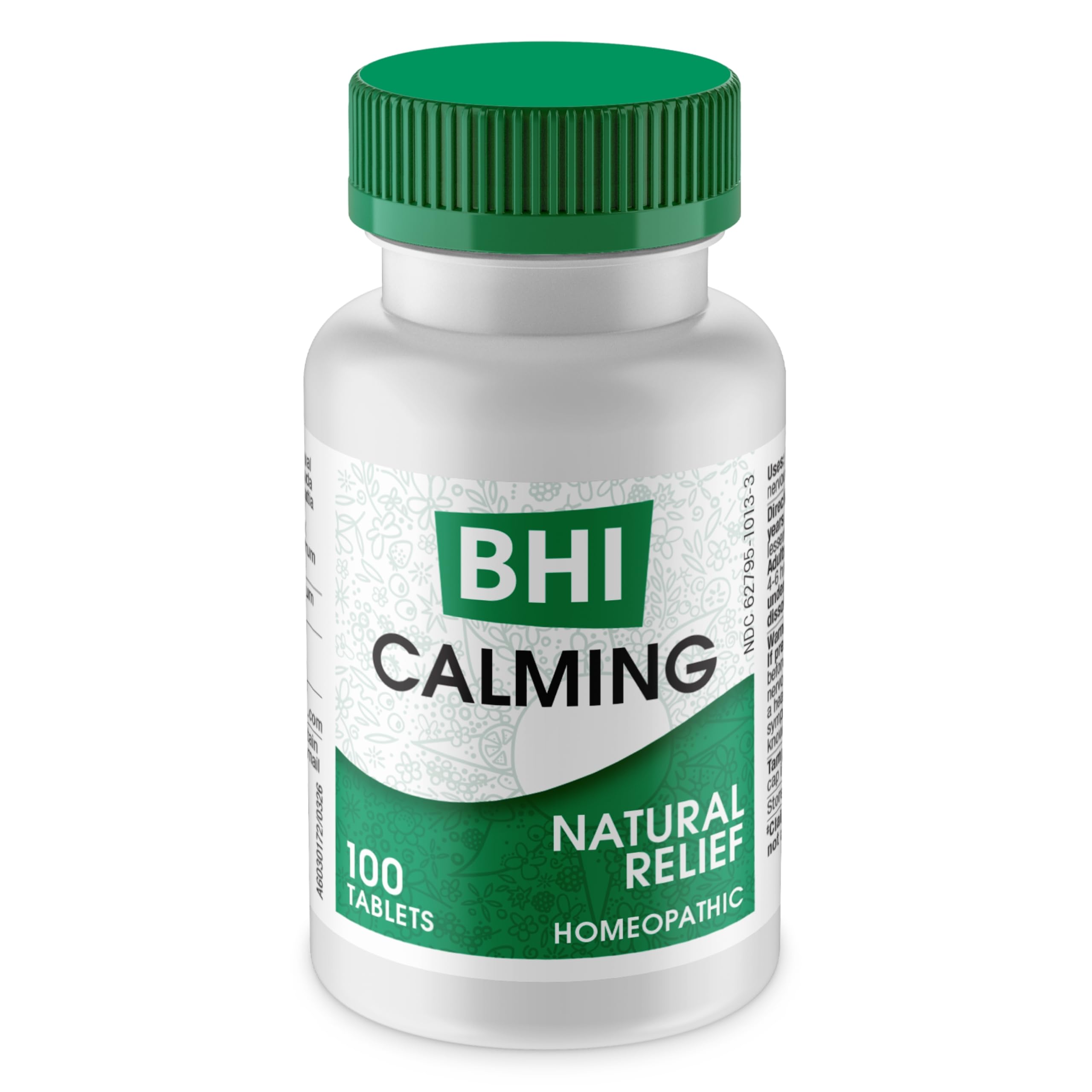
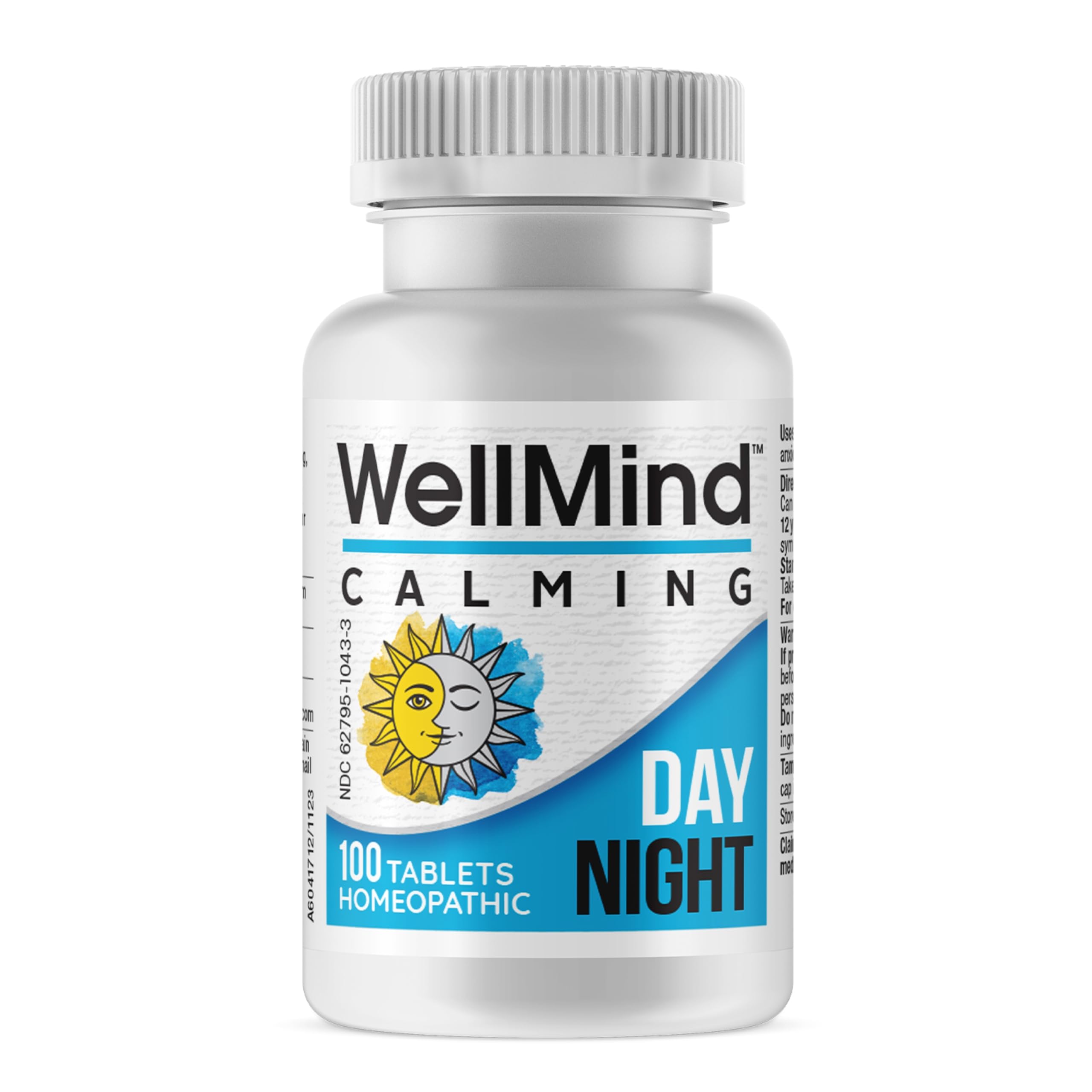

What Each Price Tier Usually Offers
Budget Tier: Simple Formulas Around $10 to $20
Budget tablets usually contain one or two familiar ingredients such as magnesium, L theanine or a single herb, in a plain bottle with a large tablet count. For a healthy adult whose clinician has no concerns, this tier can be a reasonable way to learn how an ingredient feels. The compromises are real. Labels at this price more often skip third party testing seals, use proprietary blends that hide exact doses and include tablets that are large or chalky. If the dose per tablet is unclear, the low price is not a bargain, because you cannot judge what you are taking.
Midrange Tier: The Sweet Spot Around $20 to $40
Midrange tablets are where label quality usually improves. Expect named ingredients with exact amounts per serving, some independent testing, and formulas that pair two or three ingredients chosen for a clear reason rather than a long decorative list. Tablets in this tier also tend to be easier to swallow, scored for splitting where the maker allows it, or available as chewables for people who dislike pills. For most buyers who have cleared use with a clinician, this tier offers the best balance of transparency and cost per month.
Premium Tier: Testing and Formulation Around $40 and Up
Premium prices should buy verifiable extras: batch testing with published results, standardized herbal extracts with the active marker stated, allergen controls and responsive customer support that can answer ingredient sourcing questions. Some premium brands fund stability testing so the dose on the label still matches the tablet near its expiry date. What premium money should not buy is stronger medical claims. A costly tablet making disease treatment promises is a warning sign, not a sign of quality, and price never removes the need to check interactions.
Features Worth Paying For and Ones to Skip
Ingredient Transparency and Dose
The single most valuable feature is a label that lists every active ingredient with its exact amount. Proprietary blends that give only a total weight let a maker include trace amounts of fashionable ingredients that do nothing at that dose. Standardized extracts are worth paying for with herbs, because the strength of a plant extract varies widely. Skip products built around very long ingredient lists. More ingredients mostly means more chances for interactions and side effects, not a stronger calming effect.
Tablet Form and Portability
Tablet size and coating decide whether a product fits your routine. Large uncoated tablets are a common reason people stop taking a supplement, so check tablet dimensions or reviews mentioning swallowing difficulty if that is a concern for you. Chewable and melt in the mouth forms help people who cannot swallow pills, though they often add sugar or sweeteners. For travel and work bags, a small bottle with a secure cap beats a bulky jar, and a blister pack keeps tablets dry and makes it easy to see whether you took todays dose.
Label Claims and Testing Standards
Look for seals from independent testing programs that check identity, purity and dose accuracy, and for manufacturing claims that name the standard followed. In the United States, supplements are not approved for effectiveness before sale, so a seal speaks to what is in the bottle, not to whether it will calm you. Be wary of structure claims that drift into treatment language, and skip any product that advises you to stop or replace a prescribed medicine. That advice belongs only to your own clinician.
Onset, Duration and Drowsiness
Labels and reputable product pages should give a realistic sense of timing, such as taking a tablet 30 to 60 minutes before the situation you are preparing for. Anything promising instant or guaranteed calm is overstating what a supplement can do. Consider drowsiness a cost, not a bonus, if you need to drive, work or care for children afterward. Some ingredients that help one person wind down at night will leave another person groggy the next morning, which is why starting on a low demand day is a sensible practical step.
Calming Tablets for Specific Needs
Best Nerve Calming Tablets: Where Your Money Goes
Products marketed as best nerve calming tablets usually lean on B vitamins, magnesium or herbs positioned for tension. Here your money should go first to dose clarity, because B vitamin products vary enormously in strength and very high doses of some B vitamins can themselves cause tingling or nerve symptoms with long use. That is a strong reason to show the label to your doctor, especially if you already take a multivitamin, since stacking products can push a nutrient well past sensible levels without you noticing.
For situational needs, format and timing matter as much as ingredients. Someone preparing for a presentation needs a tablet that fits a morning routine without drowsiness, while someone winding down at night can accept a slower, sleepier profile. Our guide to the best herbal calming tablets goes deeper on plant based options and their evidence limits, and our guide to the best calming tablets for flying covers timing and travel specific checks.
Long Term Costs to Factor In
The bottle price is only part of the cost. Multiply the daily dose by 30 to get the true monthly figure, because some tablets require two or three per serving. Add the cost of products you may need to stop or replace, such as a multivitamin that duplicates ingredients, and consider whether a subscription discount pressures you into daily use you did not plan. There is also a health cost to ignoring a pattern. If you find yourself needing a calming tablet every day to get through work, that is information worth taking to a clinician rather than a reason to buy a larger bottle. Pet products are a separate category with different ingredients and doses, so never share your tablets with animals or take theirs; our guide to the best dog calming tablets explains why pet formulas are made differently.
Frequently Asked Questions
How long should a calming tablet last once taken?
Effects, when they occur, commonly build over 30 to 60 minutes and fade over a few hours, but timing varies by ingredient, food in your stomach and your own sensitivity. A tablet taken with a heavy meal usually absorbs more slowly. Do not stack a second dose early because the first feels quiet, since delayed onset is common and doubling up raises the chance of drowsiness or stomach upset later.
Can I take calming tablets every day?
Daily use is a question for your clinician, not the label. Some ingredients are studied for short term situational use, and daily long term safety data is thin for many blends. Tolerance, interactions and hidden nutrient stacking all become bigger issues with daily use. If daily use feels necessary, treat that as a prompt to discuss the underlying stress, sleep or anxiety with a professional who knows your history.
Do calming tablets interact with medicines?
Yes, they can. Ingredients that promote calm can add to the sedating effect of sleep medicines, some anxiety and depression medicines, alcohol and certain allergy medicines, and some herbs affect how the liver processes other drugs. Bring the actual bottle or a photo of its label to your pharmacist, who can check it against your prescriptions. Stop and seek medical advice promptly if you notice unusual drowsiness, confusion, a rash or a racing heartbeat.
When should I talk with a doctor instead of buying calming tablets?
Talk with a doctor first if anxiety or tension is frequent, worsening or interfering with work, sleep or relationships, or if you have panic attacks, low mood or thoughts of harming yourself, which need prompt professional support. Also ask first if you are pregnant, breastfeeding, under 18, living with liver or kidney disease or preparing for surgery. A supplement is a small tool for mild, occasional tension, not a substitute for care when symptoms are strong.
Are herbal calming tablets safer than other calming tablets?
Not automatically. Herbal ingredients are pharmacologically active, which is why people take them, and that means they can cause side effects and interactions just as synthetic ingredients can. Some herbs are unsuitable in pregnancy or alongside antidepressants. The safer product is the one with a transparent dose, independent testing and a clean check against your own medicines, whether its ingredients come from a plant or a laboratory.
Wrapping Up
Spend on dose transparency, independent testing and a formula that fits your timing and drowsiness limits, and let price tier follow those checks rather than lead them. Keep expectations modest, start on a low stakes day and review the product table above with your medicines list beside you. Chosen carefully, the best calming tablets for you are the ones your clinician is comfortable with and whose label you fully understand, so always talk with your clinician about your personal needs before regular use.


