
Best Calcium Tablets for Broken Bones: Types Compared and How to Choose for 2026
Disclosure: We may earn a commission when you buy through links on this page, at no extra cost to you. As an Amazon Associate I earn from qualifying purchases. Learn more

Compare the best calcium tablets for broken bones by form, elemental dose, and healing support nutrients, with safety checks and a simple buying checklist.
A fracture changes your priorities overnight. Alongside rest, a cast or brace, and follow up appointments, your clinician may ask whether your calcium intake is enough to support new bone formation. Choosing the best calcium tablets for broken bones means comparing forms and doses calmly at a moment when patience is already thin. This guide explains each type, who it suits, and what a fair price looks like.
Be clear about limits from the start. Calcium is a building material, not a shortcut, and no tablet speeds healing beyond what adequate nutrition and proper fracture care already allow. Use the comparison table below to shortlist a type, then confirm the plan with the clinician treating your fracture.
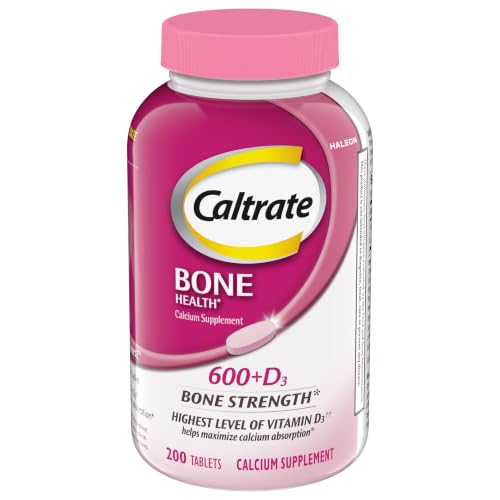


How Calcium Tablets Compare to Other Options
Every option below delivers calcium, but they differ in elemental content, how they fit around meals and medicines, and how much effort they demand during recovery. Plain tablets run from around $8 to about $20 a bottle, while formulas with added vitamin D, magnesium, and vitamin K often cost about $20 to $35. The three comparisons that follow show where each style earns or loses its place.
Calcium Citrate vs Calcium Carbonate During Recovery
Calcium carbonate gives about 40 percent elemental calcium, so fewer tablets cover your daily gap, and it costs the least. It needs food and stomach acid to absorb well, which suits people eating regular meals at home during recovery. Its common downside is constipation, a real concern when pain medicine and reduced movement already slow the gut.
Calcium citrate gives about 21 percent elemental calcium and absorbs well at any time of day, with or without food. It tends to be gentler on digestion, which matters when you are less active and taking other medicines. If constipation is already a problem, citrate is usually the kinder starting point despite the extra tablets.
Calcium Tablets vs Chewables and Gummies
Standard tablets are the most concentrated and economical format, and they keep sugar out of the routine. Their weakness is size. Large calcium tablets can be hard to swallow, especially for older adults or anyone who already takes several pills a day during fracture treatment.
Chewables solve the swallowing problem and suit people who dread big tablets, though many carry added sugar and slightly less elemental calcium per piece. Gummies are pleasant but often the weakest and most expensive way to reach a target dose. During a healing period of several months, a format you will actually take every day beats a stronger format you keep skipping.
Calcium Tablets vs Food First Recovery Eating
Food brings calcium together with protein, and protein matters because new bone is built on a protein framework. Dairy foods, fortified drinks, eggs, beans, and canned fish with bones all pull double duty during recovery. Meals also spread calcium across the day, which improves absorption without any planning.
Tablets fill the gap when appetite is low after injury, when nausea limits meal size, or when your usual diet is low in calcium rich foods. Many people use both: food as the base, and one moderate tablet dose to close the shortfall. Our general guide to the best calcium tablets for bones covers everyday bone support once the fracture has healed.
Who Should Choose Calcium Tablets?
Calcium tablets suit fracture patients whose diet clearly falls short, older adults with low bone density, and anyone whose clinician has flagged poor intake during a healing review. They also suit people whose fracture came from a minor fall, because that pattern can signal fragile bones that deserve attention beyond the break itself.
They are not a substitute for fracture care, and they are a poor choice if your diet already meets the daily target. Extra calcium beyond need does not knit bone faster and can cause constipation or kidney stones. Anyone with kidney disease, a history of kidney stones, or high blood calcium should only supplement under medical supervision. If osteoporosis is part of your diagnosis, our guide to the best calcium tablets for osteoporosis explains the longer term picture.
How to Choose the Right Calcium Tablet
Confirm the Dose Your Healing Actually Needs
Most adults need about 1,000 to 1,200 mg of calcium daily from all sources, and fracture healing does not usually raise that target. What changes during recovery is consistency: missed days matter more when new bone is forming. Add up your typical food intake first, then choose a tablet strength that covers only the shortfall. If your clinician orders a blood test or bone density scan, let those results set the dose rather than the marketing on the bottle.
Keep Each Serving at About 500 mg Elemental
Absorption drops when a single dose climbs above about 500 mg of elemental calcium, so split larger daily amounts into two servings. This also softens the constipating effect that bothers many people during recovery. A practical pattern is one serving with breakfast and one with the evening meal. Setting both bottles and water within easy reach of your resting spot removes the friction that causes skipped doses when moving around hurts.
Features That Matter for Broken Bones
For fracture recovery, look for vitamin D in the formula, because absorption depends on it and many patients spend weeks indoors with little sunlight. Magnesium and vitamin K are reasonable additions at modest levels. Skip formulas built around exotic extras with no clear role in bone repair. A short, readable ingredient list at a fair price serves healing better than a crowded label. Readers shopping for a partner or parent may also find our guide to the best calcium tablets for women's bones useful for age specific context.
Check Interactions With Your Other Medicines
Calcium interferes with several medicines commonly used around fractures and bone care, including some antibiotics, thyroid medicine, iron, and bisphosphonates. The usual fix is spacing, often two to four hours apart, but the right gap depends on the drug. Bring the supplement bottle to your follow up appointment or ask your pharmacist to check it against your full medicine list before you start.
Care and Maintenance Tips
Store tablets in a dry cupboard away from bathroom humidity, and keep them in the labeled container so dose details stay visible. Set a daily reminder on your phone, because healing routines run for months and motivation fades before the bone is done. Track bowel habits as you go: rising constipation is an early signal to split the dose, switch to citrate, add fluids and fiber, or ask your clinician whether the dose can come down.
FAQs
What features matter most in calcium tablets for broken bones?
Elemental dose per serving, vitamin D content, and digestive tolerance matter most. A serving near 500 mg of elemental calcium absorbs efficiently, and citrate usually treats the stomach more gently during low activity weeks. Confirm the daily total with your clinician, since fracture care often involves medicines that calcium can interfere with.
Does extra calcium make a fracture heal faster?
No, extra calcium beyond your daily requirement does not speed healing. Bone repair follows its own timeline set by the break, blood supply, and how well the bone is held still. Adequate calcium removes a possible obstacle to healing, but doubling the dose adds side effects without shortening the weeks in a cast.
When should I start taking calcium after a fracture?
You can start as soon as your clinician confirms a supplement fits your treatment plan, ideally within the first days after the injury. There is no loading phase and no benefit to waiting. Ask at the first appointment, because the same visit usually covers pain medicine and activity limits that affect how you schedule doses.
Can calcium tablets cause constipation during recovery?
Yes, constipation is the most common complaint, and recovery conditions make it worse because movement is limited and some pain medicines slow the gut. Splitting doses, choosing citrate, drinking enough fluid, and eating fiber rich foods all help. Tell your clinician if it persists, because straining is uncomfortable and sometimes unsafe after certain fractures.
How long should I keep taking calcium after the bone heals?
Keep taking it while your diet still falls short, and review the habit at your final fracture follow up. Many people continue a modest dose long term when low bone density caused or contributed to the break. Our broader guide to the best calcium tablets explains how ongoing needs differ from short term recovery needs.
Are calcium tablets enough on their own for bone healing?
No, they are one part of healing alongside protein, vitamin D, rest, and the mechanical care your fracture receives. Weight bearing exactly as instructed, keeping follow up appointments, and not smoking all influence the outcome as much as any supplement. Treat the tablet as supporting cast, not the main treatment.
The Bottom Line
During fracture recovery, the winning formula is a moderate elemental dose, split across the day, in a form your stomach tolerates, with vitamin D included or covered separately. Citrate suits sensitive digestion, while carbonate with meals suits tight budgets. Chosen that way, the best calcium tablets for broken bones quietly support the repair work your body is already doing. Check the product table above, and talk with your clinician about your personal healing needs before you commit.


