
Best Calcium Tablets 2026: A Practical Buying Guide
Disclosure: We may earn a commission when you buy through links on this page, at no extra cost to you. As an Amazon Associate I earn from qualifying purchases. Learn more

Learn how to choose calcium tablets by form, dose, absorption, vitamin D pairing, and safety so your supplement routine fits your diet and health needs.
Shopping for best calcium tablets should start with diet and health context, because supplements fill gaps rather than replacing balanced eating. The comparison table below helps you compare forms, doses, and pairings, so you can discuss a sensible choice with your clinician or pharmacist.
Calcium supports bones and teeth, but dose, form, and timing all affect how well a tablet works and how comfortably you tolerate it. A thoughtful choice considers your meals, other medicines, and any digestive sensitivity, rather than simply picking the highest dose on the shelf.
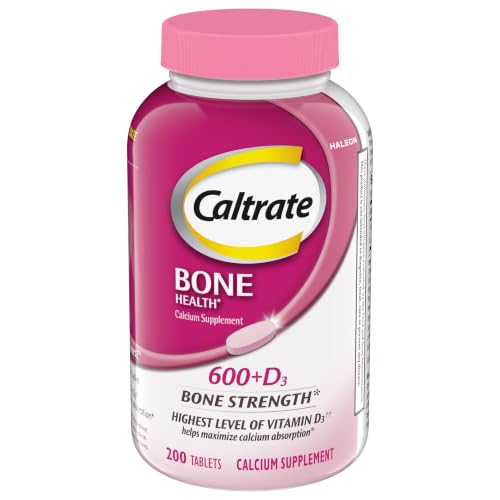


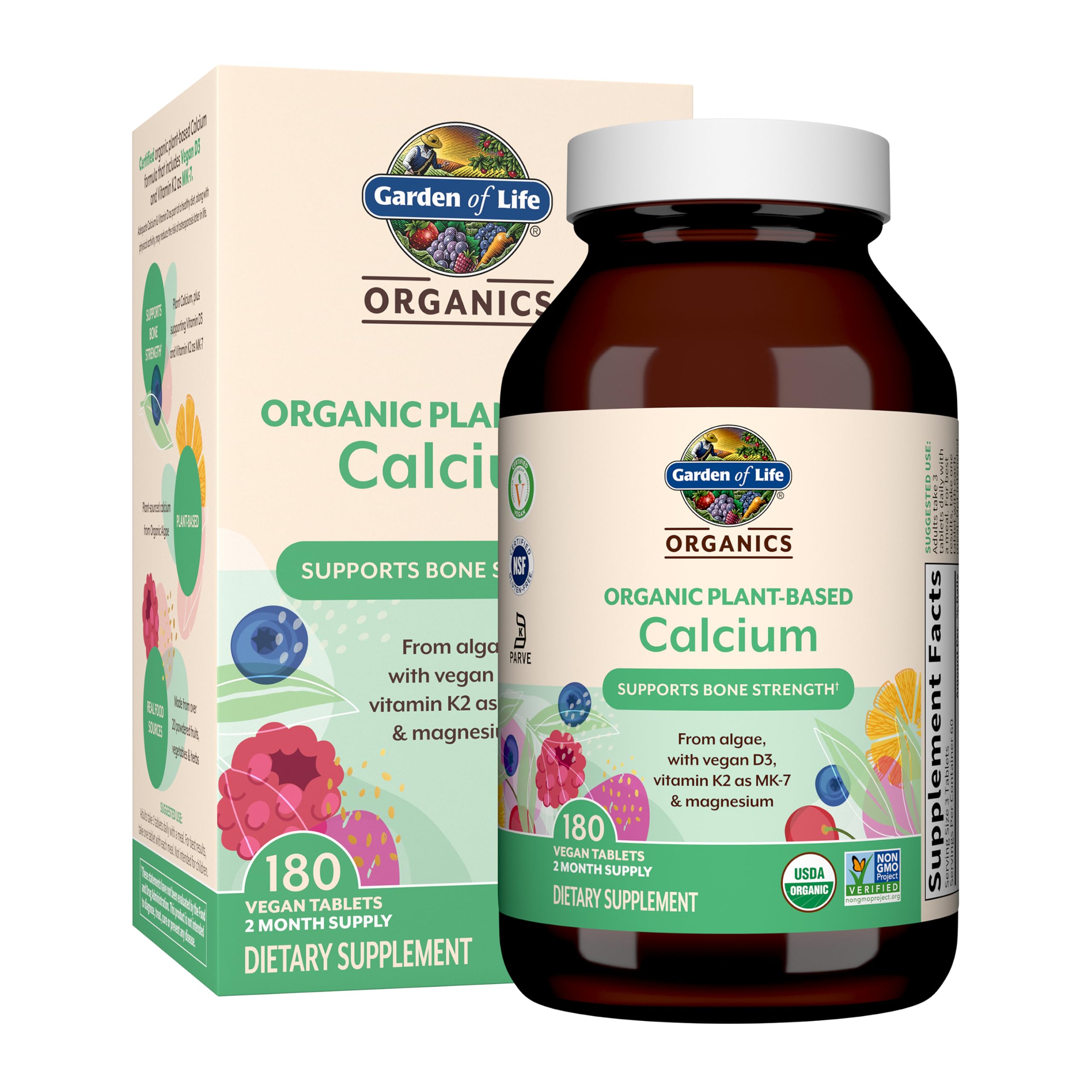



Calcium Forms and How They Differ
Calcium carbonate is common and affordable, and it absorbs best with food, which suits people who take tablets at mealtimes. Calcium citrate absorbs well with or without food and is often easier on digestion, which suits people with lower stomach acid or sensitive stomachs. Other forms exist, but these two cover most needs, so start by matching form to your meal routine and tolerance.
Form also affects tablet size and pill burden, since some calcium tablets are large and hard to swallow, while chewable or smaller dose tablets split the daily amount across several pills. If swallowing is difficult, a chewable or liquid style option may improve adherence, but check sugar content and dose per serving carefully. The best form is the one you will actually take consistently.
Dose, Timing, and Vitamin D Pairing
Dose should reflect dietary intake and clinician guidance, because more calcium is not automatically better and excess intake carries risks. Many adults absorb calcium best in doses of 500 mg or less at a time, so splitting a larger daily amount across meals often works better than one large tablet. Follow label directions and professional advice rather than stacking several products that all contain calcium.
Vitamin D helps calcium absorption, which is why many tablets pair the two, but your vitamin D status and sun exposure also matter. If you already take a separate vitamin D supplement, avoid double counting, and tell your clinician about all supplements you use. Timing with meals, especially for carbonate forms, improves absorption and reduces stomach upset for many people.
Absorption, Digestion, and Tolerability
Digestive tolerance varies, with constipation, bloating, and gas reported by some users, especially at higher doses or with carbonate forms. Starting with a lower dose, splitting doses, drinking enough water, and taking tablets with food often improves comfort. If symptoms persist, a different form or a revised dose plan discussed with a pharmacist may help, rather than stopping abruptly without advice when calcium is medically recommended.
Absorption also interacts with other nutrients and medicines, including iron, thyroid medicines, and certain antibiotics, so timing matters. Space calcium away from those medicines as directed, and list all supplements at medical appointments. Good absorption is not only about the tablet, but about the whole routine around it.
Diet First: Food Sources and Gaps
Food sources such as dairy, fortified plant milks, leafy greens, almonds, and fortified cereals provide calcium along with other nutrients, which is why diet review comes before supplementation. Track your typical intake for a week, including fortified foods, to see whether a gap truly exists. Many people need only a modest supplement, while others with restricted diets or higher needs may need more, always guided by a professional.
Dietary patterns such as lactose intolerance, vegan eating, or low appetite change the picture, and a dietitian can help identify practical food swaps. Supplements work best as part of a broader bone health plan that includes adequate protein, vitamin D, weight bearing activity, and fall prevention where relevant. A tablet alone does not replace those habits.
Safety, Interactions, and When to Seek Advice
Safety means respecting upper intake levels, avoiding duplicate calcium from multiple products, and watching for symptoms such as persistent constipation, nausea, or unusual thirst, which warrant professional advice. People with kidney stones, kidney disease, parathyroid disorders, or certain cancers need clinician guidance before supplementing, since calcium needs vary greatly in those situations. Pregnant and breastfeeding people should also follow professional guidance rather than general advice.
Interactions deserve attention, especially with thyroid medicines, iron, and some antibiotics and heart medicines, where timing or dose adjustments may be needed. Bring a full list of medicines and supplements to appointments, and ask your pharmacist about spacing. If you develop severe abdominal pain, vomiting, confusion, or blood in urine, seek urgent care, since those symptoms need prompt evaluation.
Avoiding Common Supplement Mistakes
A common mistake is choosing the highest dose available, assuming stronger means better, when split modest doses often absorb better and tolerate better. Another mistake is taking calcium at the same time as iron or thyroid medicine without spacing, which reduces absorption of one or both. Finally, do not rely on a supplement while ignoring diet, activity, and vitamin D, since bone health depends on all of them together.
Also avoid buying in bulk before testing tolerance, since a large bottle of an unsuitable form wastes money and discourages consistent use. Start with a small supply, note tolerance and ease of swallowing, and review the routine after a month. A supplement you tolerate and take daily beats a perfect on paper choice that sits unused.
Related Guides for Your Shortlist
For women's specific needs and life stages, the guide to best calcium tablets for ladies covers dose and pairing considerations.
For bone density concerns, the guide to best calcium tablets for osteoporosis explains how supplements fit a broader bone plan.
For general bone support, the guide to best calcium tablets for bones compares forms and food sources.
For men's intake and dietary patterns, the guide to best calcium tablets for men covers practical dose planning.
A Final Check Before You Order
Before starting a calcium supplement, review your diet for a week and list all other supplements and medicines, then discuss the combined picture with your clinician or pharmacist. This review often reveals duplicate calcium, timing conflicts, or dietary gaps that a tablet alone cannot fix, and it prevents well meaning over supplementation. Bring the list to appointments, since professionals can only advise well on information they actually see.
Also set a simple daily routine for taking tablets, such as with a specific meal, and use a pill organiser or phone reminder if adherence is a challenge. Consistency matters more than perfection, and a routine tied to an existing habit survives busy days better than willpower alone. Note tolerance during the first month, including digestion and ease of swallowing, so adjustments happen early.
Finally, revisit the supplement plan periodically, especially after diet changes, new medicines, or health changes that affect bone health. Needs evolve with age, activity, and medical conditions, so a plan that suited you last year may need revision now. Regular review keeps supplementation appropriate rather than automatic.
Frequently Asked Questions
Should I take calcium carbonate or citrate?
Choose carbonate if you take tablets with meals and tolerate it well, because it is affordable and effective with food. Choose citrate if you have a sensitive stomach, lower stomach acid, or take tablets without meals, because it absorbs well either way. Either form works when dose and timing suit your routine, so tolerance and consistency matter most.
How much calcium should I take daily?
Daily needs depend on age, diet, and health conditions, so total intake from food plus supplements should follow clinician or dietitian guidance. Many adults absorb best in doses of 500 mg or less at a time, so splitting larger amounts across meals helps. Avoid exceeding upper intake levels, and do not stack multiple calcium products without checking total dose.
Should calcium tablets include vitamin D?
Vitamin D helps calcium absorption, so combined tablets suit many people, especially those with limited sun exposure. If you already take separate vitamin D, check total intake to avoid duplication. Your clinician can advise based on blood levels, season, and diet, since vitamin D needs vary widely. A blood test can clarify vitamin D status when symptoms or risk factors suggest deficiency, so ask your clinician whether testing makes sense for you.
Can calcium tablets cause constipation?
Calcium tablets can cause constipation, bloating, or gas in some people, especially at higher doses or with carbonate forms. Splitting doses, taking tablets with food and water, and choosing a better tolerated form often help. If symptoms persist or are severe, ask your pharmacist or clinician about alternatives rather than stopping a medically recommended supplement without advice.
Do calcium tablets interact with medicines?
Yes, calcium can interact with iron, thyroid medicines, certain antibiotics, and some heart medicines, mainly by reducing absorption when taken together. Spacing doses as directed usually manages this, but timing varies by medicine. Always tell your clinician and pharmacist about all supplements, and bring a full list to appointments. Keep a written list of medicines and supplements in your wallet, so any new prescriber can spot timing conflicts quickly during appointments.
Final Thoughts
When form, dose, timing, and diet are considered together, best calcium tablets become a considered health decision rather than a shelf impulse, and the product table above helps you compare the sensible forms. Start with diet, discuss needs with a professional, and choose a form you tolerate and will take daily.
Talk with your clinician or pharmacist before starting, especially if you have kidney, thyroid, or bone conditions, take regular medicines, or are pregnant. A short professional conversation protects you far more than any marketing claim on a bottle.


