
Best Calming Tablets for Flying at Every Price: What Your Money Really Gets You for 2026
Disclosure: We may earn a commission when you buy through links on this page, at no extra cost to you. As an Amazon Associate I earn from qualifying purchases. Learn more

Compare the best calming tablets for flying by timing, ingredients, label testing and price, with safety checks to complete before your next trip.
Flight nerves make normal shopping rules harder to apply, because timing, drowsiness and travel rules matter as much as ingredients. Prices for best calming tablets for flying range from pocket money tins at the airport to premium tested formulas, and the expensive option is not automatically the right one for a two hour hop or a long overnight route. This guide explains what each price tier really delivers for air travel.
Safety comes before price. Calming supplements can interact with medicines and alcohol, can leave you groggy on arrival and are not treatments for a fear of flying or an anxiety disorder. Use the comparison table below as a shortlist only, and check any product with your doctor or pharmacist well before your travel day, not at the departure gate.


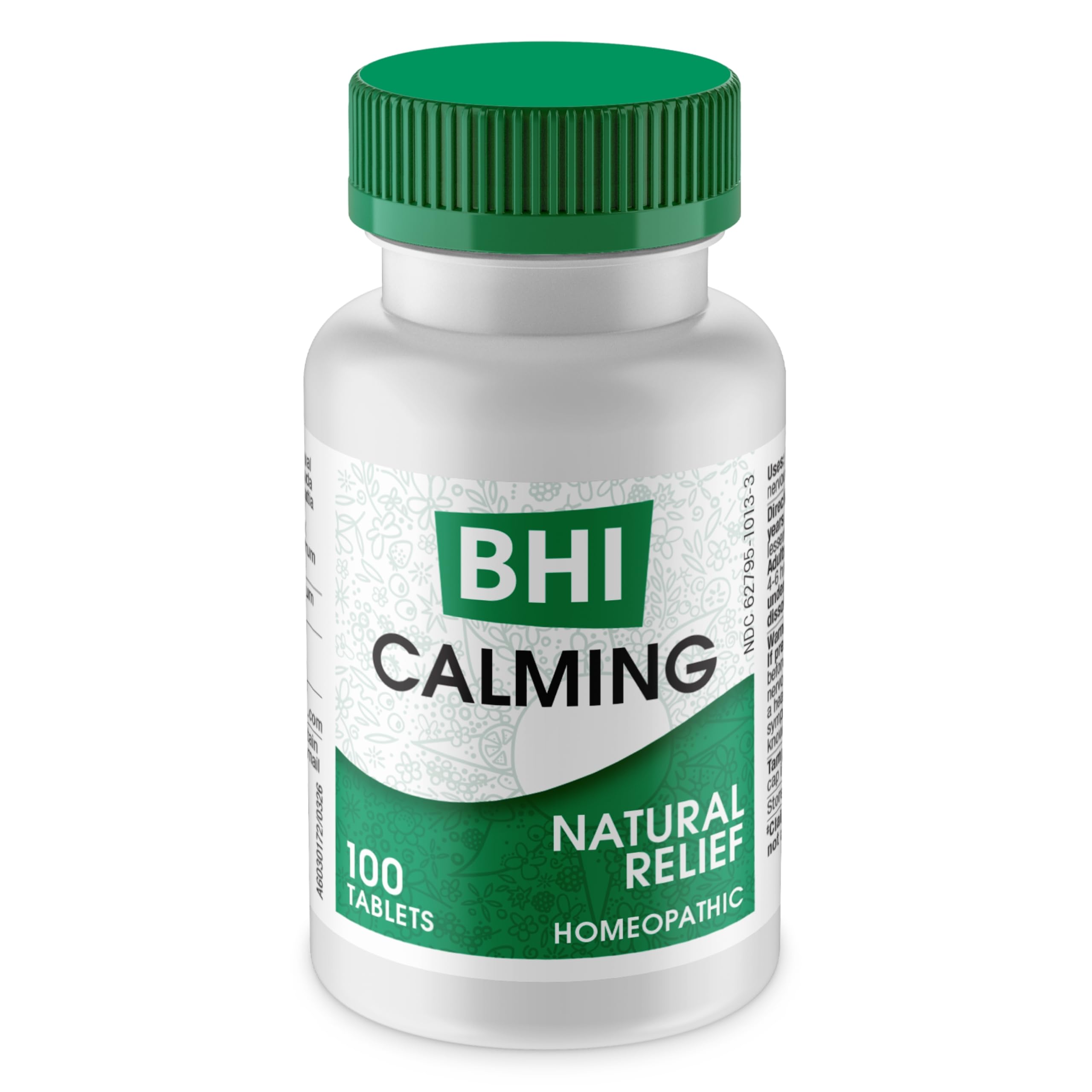
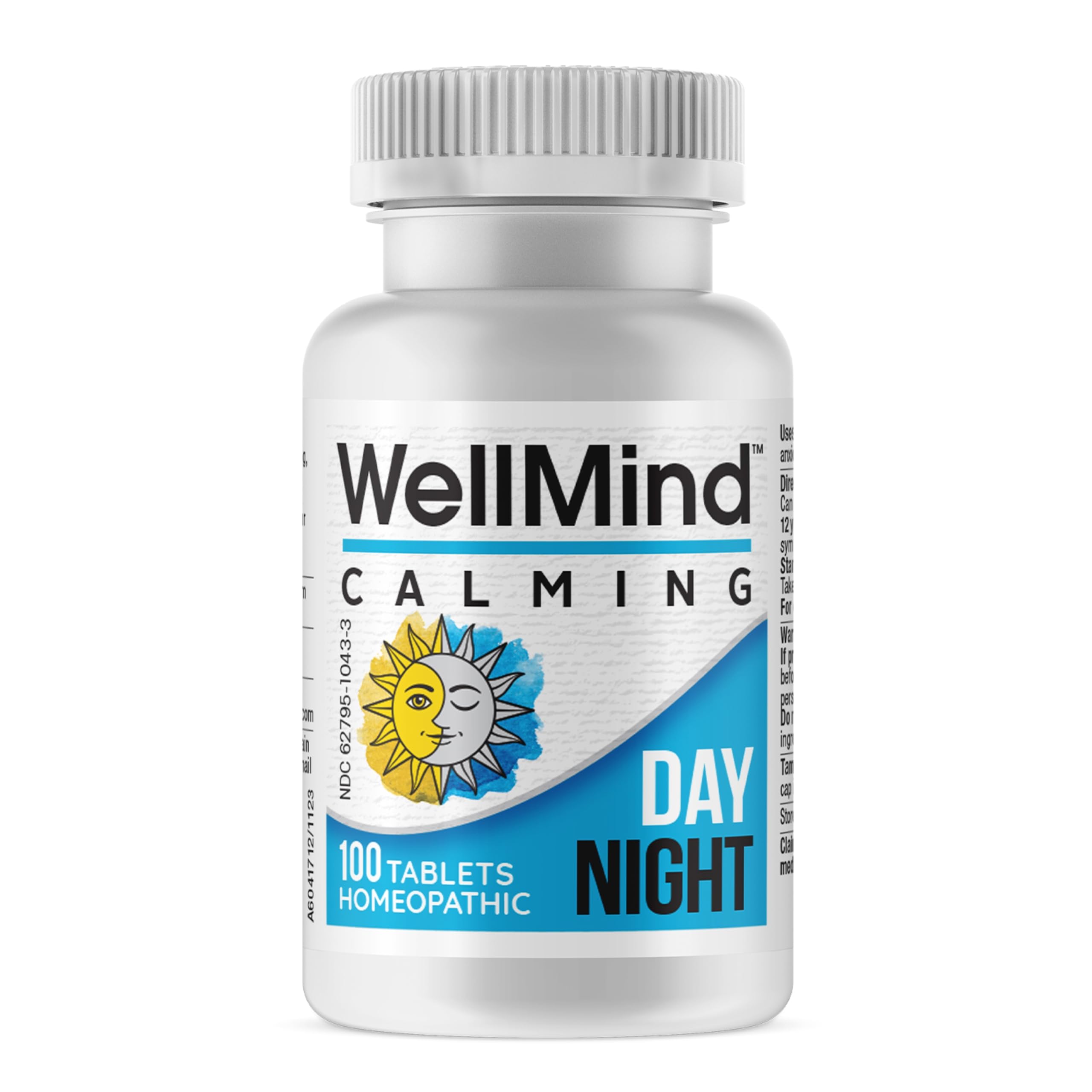

What Your Money Gets You at Each Price Tier
Budget Tier: What to Expect Around $10 to $20
Budget options usually offer a single ingredient such as L theanine, magnesium or a simple herb, in a basic bottle with little travel specific design. They can suit an experienced user who already knows how that ingredient feels and has cleared it with a clinician. The weak points are dose transparency and packaging. Blends that hide amounts make timing hard to plan, and a large loose bottle is awkward in a carry on bag. Airport purchased products deserve extra skepticism, because captive pricing and rushed decisions rarely produce a careful label check.
Midrange Tier: The Sweet Spot Around $20 to $40
Midrange products usually state exact doses, offer some independent testing and come in smaller bottles or blister packs that travel well. Formulas here often pair two ingredients with a stated suggested timing, such as taking the tablet before boarding. For most occasional flyers whose clinician has no concerns, this tier gives the clearest labels without paying for subscription style extras. It is also the tier where chewable and small tablet formats are common, which helps if swallowing pills in a cramped seat is difficult for you.
Premium Tier: When Spending More Pays Off Around $40 and Up
Premium money should buy proof, not promises. Look for published batch testing, standardized extract strengths, clear allergen statements and serving sizes that match a realistic flight plan. Some premium brands include a non drowsy daytime formula and a separate sleep leaning option, which can suit outbound and return legs with different needs. Spending more does not pay off when it buys stronger sedation. A tablet that leaves you unable to stay alert during boarding, connections or arrival formalities is a travel problem, however elegant its packaging looks.
Features Worth Paying For and Ones to Skip
Weight and Portability
For flying, portability is practical rather than cosmetic. A slim blister pack or small bottle under 3 oz of tablets fits a personal item, stays dry and makes doses easy to count across time zones. Keep tablets in their original labeled container in your carry on, never loose in a pocket, so security staff and, more importantly, you can identify them later. Skip bulky jars and glass bottles for travel. They add weight, risk breakage and draw unnecessary attention during bag checks.
Tablet Size, Format and Ease of Use
Small coated tablets or chewables are easier to take with the limited water available before the drinks service, and they reduce the chance of a tablet sticking in your throat during turbulence. Check the serving size honestly. A product that needs three large tablets and a full glass of water is a poor match for a window seat on a full flight. Also note whether the label allows taking it without food, because airport schedules make meals unpredictable and some ingredients sit better on a small snack.
Features That Matter for Flying
Timing guidance is the feature that matters most for flying. You want a product whose onset window fits your itinerary, commonly 30 to 60 minutes, so you can take it at the gate rather than guessing at home before a long drive to the airport. Duration matters just as much. A short flight needs only a few hours of effect, while a calming effect that lingers for most of a day can spoil arrival plans and make driving a rental car unsafe. Choose the mildest option that fits the flight length, and never plan to drive after landing if you feel drowsy.
Ingredients and Label Clarity
Pay for named ingredients with exact amounts and independent testing, and skip proprietary blends, miracle language and products that suggest combining with alcohol to relax. Cabin alcohol deserves a clear rule on its own. Do not drink alcohol with calming tablets, because the combination can deepen sedation unpredictably at altitude and leave you impaired in an unfamiliar airport. Also check caffeine. A few travel blends quietly include stimulants for alertness on arrival, which can work against calm during the flight itself if you are sensitive.
Many readers compare this category with the broader options in our guide to the best calming tablets, which covers everyday use rather than travel timing. If part of your flight calm comes from entertainment and sleep tools instead, our guide to the best tablets for flying covers screens and battery life for long routes, a useful reminder that music, films and an eye mask solve some flight nerves without any supplement at all.
Long Term Costs to Factor In
Work out the cost per trip rather than per bottle. A frequent flyer taking tablets on twenty flights a year spends far more than the sticker suggests, and a large bottle bought for one holiday may expire before a second trip, wasting the saving. Factor in the cost of a trial as well, because a sensible first use happens at home on a quiet day, which uses tablets you also paid for. The largest hidden cost is a ruined arrival day from grogginess, so a cheaper, milder tablet that wears off on schedule often delivers better value than a strong premium formula.
Calming Tablets: Your Questions Answered
What features matter most in calming tablets for flying?
Clear dose labeling, a realistic onset window and an effect length matched to your flight matter most. Independent testing and travel friendly packaging come next. A point many flyers miss is the return leg. If your outbound flight is a calm morning hop and the return is overnight, one product may not suit both, so judge features against each direction rather than buying for the flight you fear most.
How far before a flight should I take a calming tablet?
Follow the label timing for the specific product, which is often 30 to 60 minutes before the moment you want the effect, usually boarding rather than takeoff. Try the same timing at home first on a calm day to learn your personal response. Never take a first ever dose for the first time on travel day, and tell your travel companion what you have taken so they can help if you become unusually drowsy.
Can I drink alcohol with calming tablets on a flight?
No, you should not combine calming tablets with alcohol. Both can sedate you, the effects can stack unpredictably and cabin pressure and dehydration make impairment harder to judge. If free drinks are part of how you usually enjoy a flight, choose one approach or the other with your clinicians guidance, and remember that arriving clear headed matters for connections, immigration queues and driving. When in doubt, skip the tablet and the drink and use food, water and entertainment instead.
Can I bring calming tablets in my hand luggage?
Generally yes for personal amounts in original labeled packaging, but rules differ by country and some herbal ingredients restricted in one place are ordinary in another. Check the rules for your destination before you pack, keep prescription medicines separate with their own documentation and never carry products for someone else. If an ingredient is unclear or a destination rule is strict, leave it at home and ask your pharmacist about a simpler alternative you can verify.
How long should a calming tablet last on a flight?
Plan around a few hours rather than a full day, and match that window to your route. For a short flight, an effect that peaks after landing is mistimed, not weak. For long haul travel, think in segments, since sleep, meals and light exposure shape how you feel as much as any tablet. Do not stack extra doses mid flight to extend an effect without label directions and prior clinician approval, because delayed absorption can make doses overlap.
When should I talk with a doctor about flying anxiety?
Talk with a doctor if flying fear stops you booking trips, causes panic symptoms such as a racing heart or breathlessness, or if you are using more and more of any product to cope. Also ask first if you are pregnant, breastfeeding, under 18 or taking medicines for anxiety, depression, sleep or pain. Effective help exists beyond supplements, including therapy approaches for flight phobia, and a clinician can also review whether a prescription option is safer for your situation.
The Bottom Line
For flights, buy timing and transparency rather than strength: a clearly dosed tablet, tested at home first, whose effect fits your route and ends before arrival. Compare your shortlist in the product table above against that standard, keep alcohol out of the plan and talk with your clinician about your personal needs well before you travel. Chosen that way, the best calming tablets for flying support a calmer trip without taking over the journey.


