
Best Callus Cushions: A First Time Buyer's Guide for 2026
Disclosure: We may earn a commission when you buy through links on this page, at no extra cost to you. As an Amazon Associate I earn from qualifying purchases. Learn more

Shopping for the best callus cushions for the first time? Learn the materials, shapes, and medicated options, and avoid common rookie mistakes.
Choosing the best callus cushions is simpler than the crowded product pages make it look. A callus cushion is a small pad that sits on or around a patch of thickened skin, and its one job is to take pressure and rubbing off that sore spot so walking hurts less. Once you know the few terms that matter, you can compare the options in the comparison table below with confidence.
This guide walks you through the basics in plain English, from materials and shapes to medicated pads and safe first use. Every section focuses only on what helps you choose, place, and care for the pads themselves.
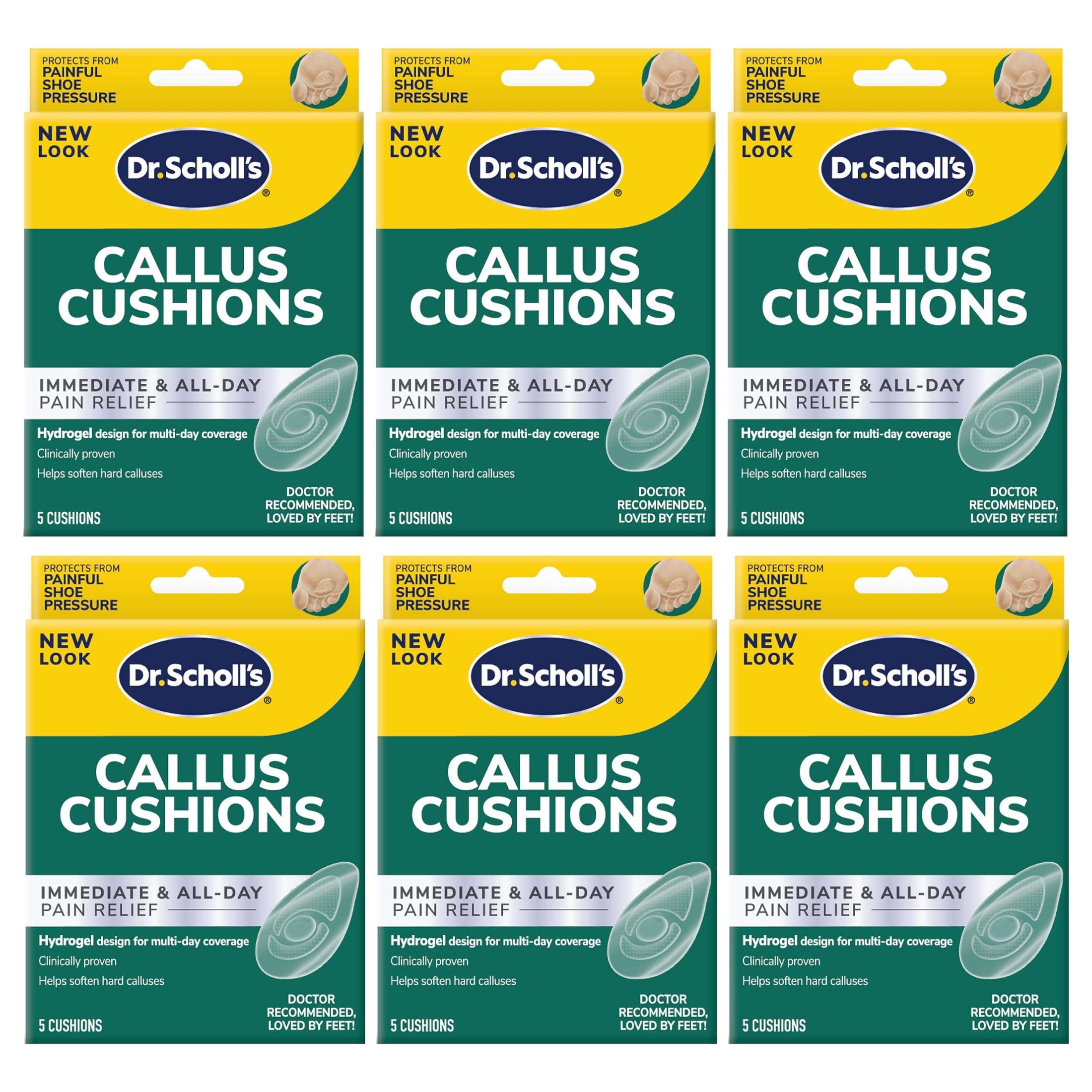
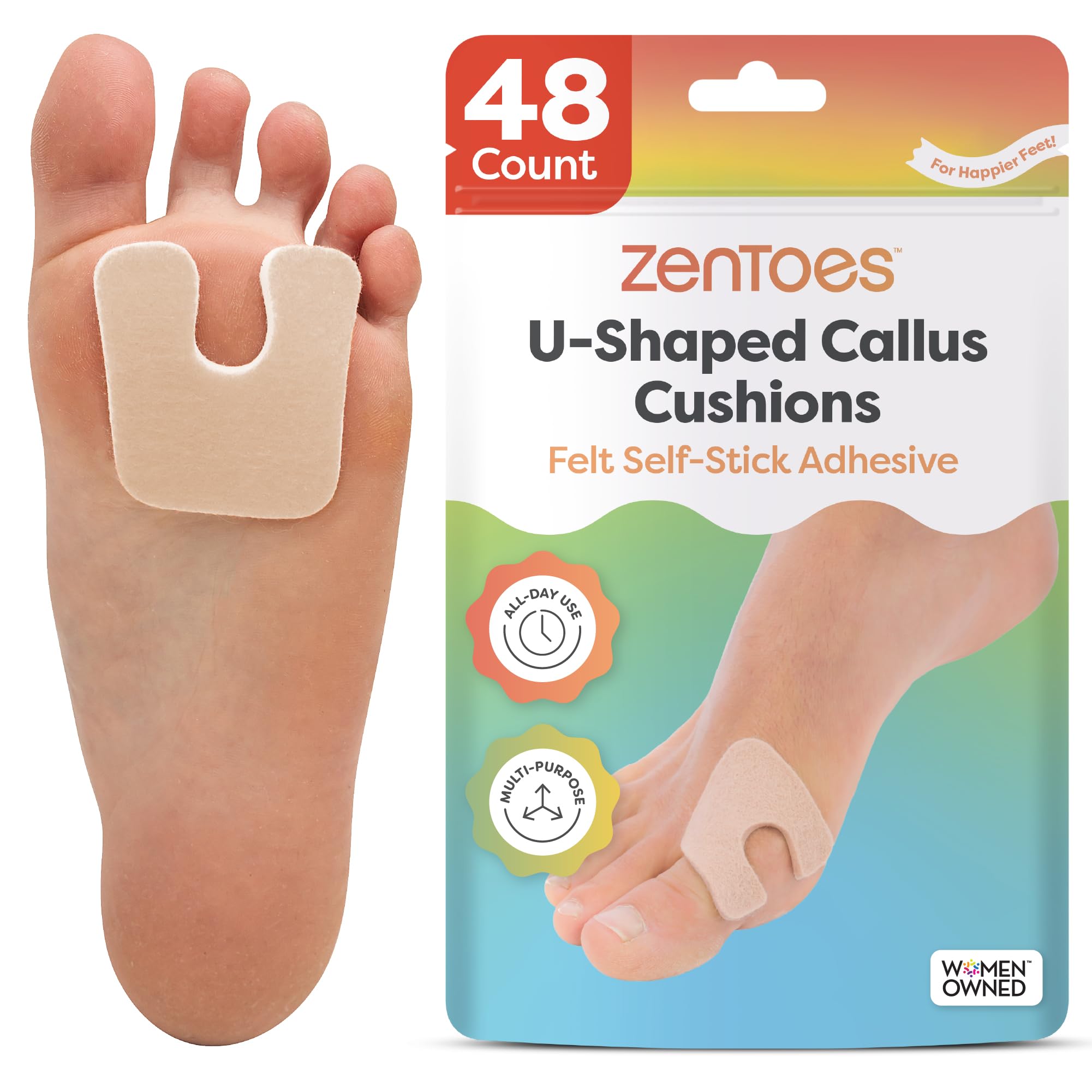


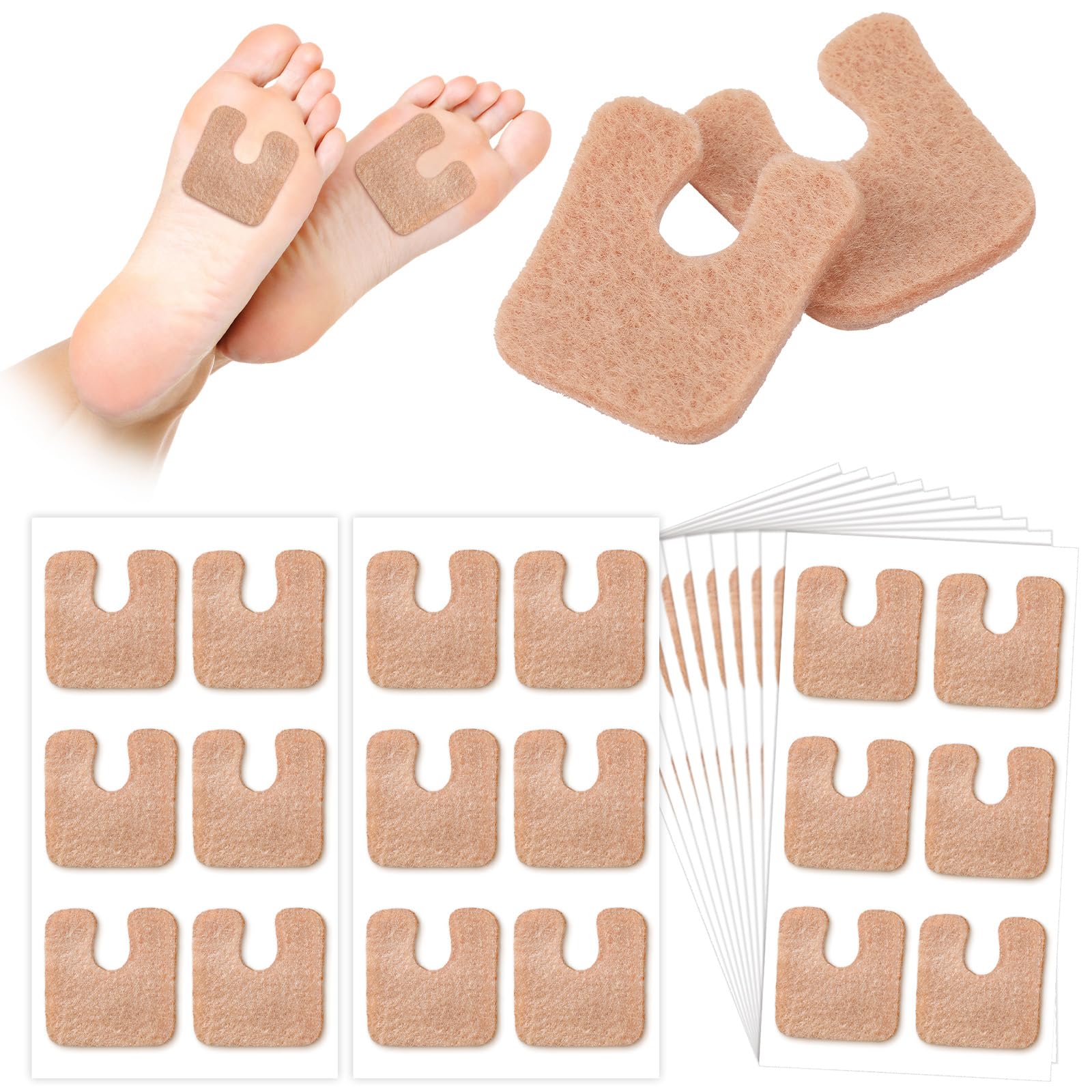
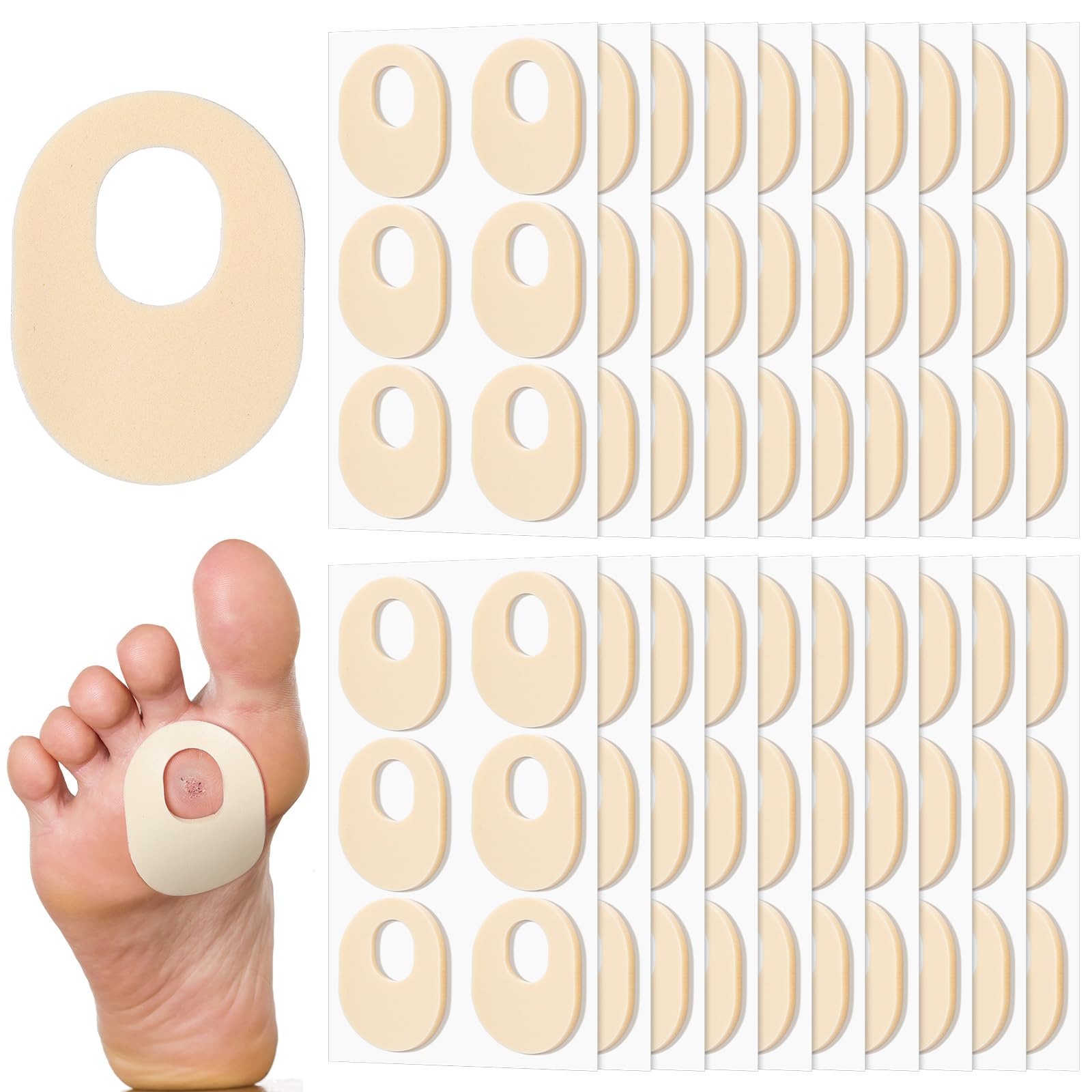


Callus Cushions 101: The Basics for New Buyers
A callus is a patch of skin that has thickened and hardened because the same spot keeps taking pressure or friction, usually under the ball of the foot, on the heel edge, or on a toe. The thick patch can start to feel like a pebble in your shoe, and pressing on it with every step can make it tender.
A callus cushion does not remove the thickened skin. Plain cushions work by padding the area and spreading pressure over a wider surface, so less force lands on the sorest point. Many are shaped like a ring or a horseshoe, with the opening sitting over the callus itself, so the pad carries the load while the tender center is left untouched. That is why placement matters more than almost any other buying factor.
Medicated cushions are the second type you will see. They add an acid based disc, most often salicylic acid, that softens the thickened skin over several days. Because medicated pads act on the skin itself rather than just padding it, they come with stricter safety rules, and they are not right for everyone.
Key Features to Compare
Material: Felt, Foam, Gel, and Silicone
Material decides how a pad feels, how long it lasts, and how you care for it. Felt pads are dense and firm, and they hold their shape well inside a shoe, which makes them a common pick for pressure under the ball of the foot. Foam pads feel softer at first but compress faster, so they suit short term or occasional use. Gel and silicone pads feel springy and smooth against the skin, and most of them can be washed and used again, which lowers the cost per wear.
Learning to judge padding quality pays off beyond foot care, because the same checks for density, even thickness, and clean edges apply when you read our guide to the best quality cushions for the home. For your feet, the pad should feel uniform, with no hard lumps and no thin spots that fold the moment you press them.
Shape and Placement
Shape is what makes a cushion work. Ring and horseshoe shapes surround the callus and lift pressure off its center, which is usually the tenderest part. Solid oval pads cover the whole spot and add a layer of padding instead, which suits a broad, mildly sore area rather than one sharp point of pain. Toe shapes are smaller and often wrap around a toe, because a flat pad rarely stays put there.
Before you order, picture exactly where your callus sits and how the pad will stay in that spot inside your shoe. A pad that slides or bunches up adds a new pressure point instead of removing one. When two shapes both seem plausible, the ring shape is the safer starting point for a single sore spot.
Thickness and Pressure Relief
Thicker is not automatically better. A thick pad spreads pressure well, but it also takes up room inside your shoe, and a shoe that suddenly fits tighter can create fresh rubbing on the top of your toes. A thin pad preserves the fit of snug shoes but may bottom out quickly if you are on your feet all day or carry more body weight. Think of thickness as a balance between cushioning and shoe space.
Match the pad to the shoe you wear most. Roomy work boots and athletic shoes can handle a thicker pad, while dress shoes usually need the thinnest pad that still keeps the sore spot off the insole. If stepping down still feels like pressing on a stone, the pad is too thin or it has drifted off the spot.
Adhesive Backing, Sleeves, and Shoe Fit
Most plain pads stick on with adhesive backing, and the quality of that adhesive decides whether the pad survives a full day or ends up wadded under your toes by lunch. Look for pads described as staying in place during activity, and apply them to clean, fully dry skin so the bond holds. Fabric sleeves and toe tubes are the other main style. They slide on, stay put without any glue, and can be repositioned in seconds, which suits people whose skin dislikes adhesives.
Shoe fit matters as much as the pad itself. If new shoes are also on your list, see our guide to the best shoes with cushion and pick a pair with enough room in the toe area for both your foot and the pad. A cushion added to a shoe that already pinches will rarely fix the problem.
Skin Safety and Materials to Check
Your feet stay warm and slightly damp inside shoes, so what touches the skin all day deserves a quick check. If you have a known latex sensitivity, read the listing carefully, because some elastic sleeves and adhesives contain latex. People with reactive skin often do better with plain silicone pads, since silicone has nothing to soak into the skin and rinses clean. Avoid scented pads, since fragrance adds irritation risk without adding cushioning.
Stop using any pad that leaves the skin red, itchy, or broken after a day of wear. A cushion should never create a new sore. If the same spot repeatedly breaks down or refuses to heal, have a clinician look at your foot rather than buying a thicker pad.
Choosing the Best Callus Cushions for Your Situation
If You Stand and Walk All Day at Work
Long shifts on hard floors call for pads that stay in place and keep some spring after thousands of steps. Silicone and firm felt usually outlast soft foam here. Carry a spare pair in your bag, because a pad that slips at hour six is worse than no pad at all. Rotating between two pairs of work shoes also helps, since each pair presses on slightly different places.
Pressure management is a whole body topic on long shifts. If you spend your breaks sitting down, our guide to the best seat cushions covers how to support your hips and back while you rest. Your feet carry you all shift, so solve the foot pressure first and treat seated comfort as the bonus.
If You Run or Stay Active
Movement is the enemy of a stuck on pad, because sweat and repeated flexing loosen adhesive quickly. Sleeve styles and toe tubes tend to stay put better during runs, and sweat resistant gel pads are worth a look for the same reason. Do a short test walk or jog before a long session, because a pad that migrates mid run can wrinkle under the ball of the foot and cause a blister in exactly the spot you were protecting.
Best Medicated Callus Cushions: Tips for First Time Buyers
Medicated pads pair a cushion ring with a small salicylic acid disc that sits on the callus and softens it over a few days. When you compare them, check three things: the acid strength listed on the box, the size of the medicated disc compared with your callus, and how many days each disc is meant to stay on. The disc should cover the thickened skin only, because the acid softens healthy skin too and can leave it sore and white.
Read this safety point before you buy any medicated pad. People with diabetes or poor circulation in the feet should not use salicylic acid callus products at all, because reduced feeling and slower healing turn a small skin injury into a serious problem. The same caution applies if the skin is already cracked, bleeding, or infected. In any of those cases, skip the medicated aisle and have a doctor or podiatrist treat the callus instead, and talk with your clinician about what plain cushioning is safe for you.
Rookie Mistakes to Avoid
- Placing a solid pad directly on the sorest point, which adds pressure to the exact spot you meant to protect.
- Choosing the thickest pad for a snug shoe, which tightens the fit and creates new rubbing on top of the toes.
- Sticking a pad onto damp or lotion covered skin, which weakens the adhesive so the pad slides and bunches.
- Using a medicated disc on broken skin or with diabetes, which risks a wound that heals slowly and can become infected.
- Leaving one adhesive pad on for many days, which traps moisture and leaves the skin soft, wrinkled, and irritated.
- Treating the cushion as a cure while keeping the same tight shoes, which guarantees the callus keeps rebuilding.
Getting Started: Placement and First Use
Start with clean feet. Wash and dry the area fully, and skip lotion on that spot, because dry skin gives adhesive its best grip. Peel the backing, center the ring opening over the callus, and press the edges down firmly for several seconds. For a sleeve or tube, slide it on and check that the padded zone sits exactly over the thickened skin.
Put your shoe on and walk around your home for a few minutes before heading out. The pad should feel like quiet padding, not like a lump. If you can feel its edge with every step, reposition it now rather than hoping it settles. For medicated pads, follow the box directions on wear time exactly, and check the skin each time you change the pad.
Know the warning signs that mean a cushion is no longer the right tool. See a doctor promptly if you notice spreading redness, swelling, warmth, drainage, a sore that opens, or pain that keeps growing. People with diabetes should have any new foot sore checked quickly, even a small one.
How to Make Your Callus Cushions Last Longer
Reusable silicone and gel pads last longest with simple care. Wash them in warm water with a little mild soap after each day of wear, rinse well, and let them air dry fully, because a pad put away damp picks up odor faster. Store pads flat, away from heat, and keep adhesive backed spares sealed so the glue does not dry out.
Adhesive felt and foam pads are single day products for most people. Replace any pad once it stays compressed, tears, loses its stick, or no longer keeps the sore spot comfortable. A pad that has gone flat is just extra bulk in your shoe.
Frequently Asked Questions
How often should you replace adhesive callus cushions?
Most adhesive callus cushions are made for a single day of wear. Sweat, shower steam, and shoe movement all weaken the bond, so a pad that starts peeling at the edges should come off rather than be pressed back down. A fresh pad on a clean foot also lowers the chance of irritated skin under trapped moisture.
How do you wash reusable silicone callus cushions?
You wash reusable silicone callus cushions by hand in warm water with mild soap, then rinse and air dry them completely. Avoid harsh cleaners and scrubbing pads, which roughen the surface that sits against your skin. One extra tip the care section did not cover: a fully dry silicone pad often regains its natural light tack after washing, which helps it stay in place without any adhesive.
Can you wear callus cushions inside tight dress shoes?
Yes, you can wear callus cushions in dress shoes, but choose the thinnest style that still lifts pressure off the spot. Thin felt rings and slim gel pads usually fit where thick foam will not. Wear the combination at home first. If your toes feel pinched on top, the real problem is the shoe, and no pad will solve that fit issue for long.
How long does a medicated callus cushion take to work?
A medicated callus cushion usually needs several days of repeated use before the thickened skin softens enough to loosen. Each disc is typically worn for a day or two, then replaced, and the softened outer layer may gradually rub away between changes. Never cut or dig at the callus with tools at home. If nothing improves after the number of days the box allows, stop and ask a clinician to look at it.
When should a callus be checked by a doctor instead of cushioned?
A callus should be checked by a doctor when it keeps coming back in the same place, hurts out of proportion to its size, or sits over a spot where the foot shape is changing. A clinician can check whether a bone prominence or your walking pattern is driving the pressure, and can trim the callus safely. That visit matters most for anyone with diabetes or circulation problems, where home treatment carries real risk.
Final Thoughts
For a first purchase, keep it simple: match the shape to the spot, pick a material that fits your day, and choose a thickness your shoes can hold. Use the product table above to compare the best callus cushions side by side on those three points. Save medicated pads for healthy feet only, and let a clinician handle anything that looks infected, keeps returning, or involves diabetes.


