
Best Calcium Tablets for Bones: A Practical Guide for 2026
Disclosure: We may earn a commission when you buy through links on this page, at no extra cost to you. As an Amazon Associate I earn from qualifying purchases. Learn more

Understand calcium tablet forms, absorption factors, label details, and questions to raise with a clinician before choosing a supplement for bone health.
Bones are living tissue that keeps rebuilding throughout life, and calcium is one of the minerals they rely on. The best calcium tablets for bones are not the biggest bottle or the highest number on the label. They are the ones with a form your stomach tolerates, a clear amount of elemental calcium, vitamin D support, and independent testing. The product table above lets you compare tablets by form, count, and price.
This guide is educational, not medical advice. Supplements are not approved by the FDA before sale, and the right choice depends on your diet, medicines, and health history, so talk with your clinician or pharmacist before starting one.
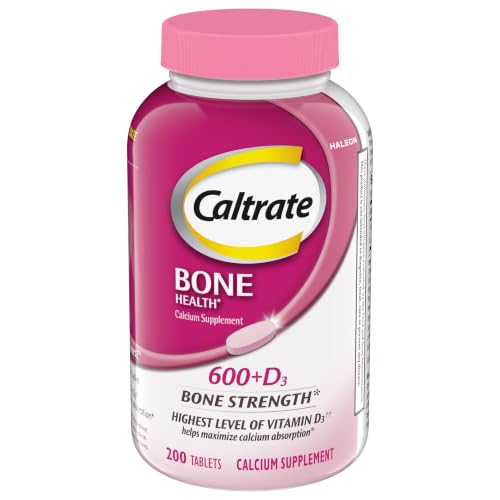


How Calcium Fits Into Bone Health
Calcium works together with vitamin D, protein, weight bearing activity, and other nutrients. Food comes first: dairy, fortified plant drinks, tofu set with calcium, leafy greens, and canned fish with soft bones all supply it. A tablet only makes sense when your diet leaves a gap. If your meals already cover your needs, extra tablets add cost and side effects without extra benefit.
Because calcium is bulky, a single tablet carries only part of a typical day amount, which is why many products ask you to take more than one tablet or to take it twice a day. Reading the label for elemental calcium, the amount your body can use, is the first skill to learn.
Who Should Consider Calcium Tablets
Adults With a Diet Gap
People who avoid dairy, eat little fortified food, or have a small appetite may find it hard to reach their needs through meals alone. A tablet can fill part of that gap, ideally after a quick count of what you eat in a normal week.
Older Adults and Postmenopausal Women
Bone loss speeds up with age, and clinicians often review calcium and vitamin D intake at this stage. Our guide to best calcium tablets for women's bones covers that group in more detail.
People Recovering From an Injury
After a fracture, a clinician may check your intake as part of recovery. See best calcium tablets for broken bones for notes on that situation, and follow the plan from the clinician treating the injury.
People Who Take Medicines That Affect Bones
Some long term medicines can influence bone health or interact with calcium. If you take regular medicine, ask your pharmacist how to space calcium around it.
Key Features to Compare
Calcium Form: Carbonate or Citrate
Calcium carbonate carries the most elemental calcium per tablet and costs less, but it absorbs best with food and needs normal stomach acid. Calcium citrate has less calcium per tablet, so you may take more tablets, yet it absorbs with or without food and is often easier on sensitive stomachs and for people who take acid reducing medicine. Choose carbonate for budget and regular meals, and citrate for flexibility and comfort.
Elemental Calcium per Serving
The label lists the compound weight and, separately, the elemental calcium. Judge products by the elemental figure, and check how many tablets make a serving. Compare the total with general recommendations from sources such as the NIH Office of Dietary Supplements, count the calcium in your food, and avoid going above published upper limits.
Vitamin D on the Label
Vitamin D helps your body absorb calcium, so many tablets include it. Check whether you already take vitamin D in a multivitamin or separate product, because the combined total is what counts. Some tablets add vitamin K or magnesium, which can be useful but also add to what you already take.
Tablet Size and Swallowing
Calcium tablets can be large. If swallowing is hard, look for smaller tablets, easy swallow coatings, or chewables, and discuss liquids or powders with your pharmacist. A product you can take every day is better than a stronger one that stays in the cupboard.
Testing and Ingredients
Look for independent testing marks such as USP or NSF, which check identity, strength, and contaminants. A short ingredient list is easier to compare with your other supplements and any allergies.
Types of Calcium Tablets
Standard Carbonate Tablets
These are the common, low cost option. They suit people with regular meals and no stomach issues. Constipation or gas can occur in some people, so ask a pharmacist if that happens.
Citrate Tablets
Citrate suits people who take acid reducing medicine, have a sensitive stomach, or want to take a dose between meals. They usually cost more per dose and need more tablets.
Chewable and Easy Swallow Tablets
Chewables and small coated tablets help people who dislike large pills. Check the sugar content, and compare the calcium per piece with standard tablets.
Calcium With Magnesium or Vitamin K
Combined formulas put several nutrients in one bottle. They simplify a routine, but the amounts of each nutrient may be lower than in single products, and you must add up everything you take.
Budget and Value
Plain calcium carbonate tablets are usually the cheapest per serving, often costing only a few cents a day. Citrate tablets and combined formulas cost more. Divide the bottle price by the number of servings, not tablets, and favor products with independent testing over the lowest price. Buy a bottle size you can finish before the expiry date.
Common Mistakes to Avoid
- Choosing by tablet weight instead of elemental calcium.
- Taking carbonate on an empty stomach, which can reduce absorption.
- Taking calcium at the same time as medicines it can block, such as some thyroid tablets and antibiotics.
- Stacking several products that each contain calcium or vitamin D without adding up the total.
- Skipping food sources and relying only on tablets.
- Ignoring symptoms such as persistent constipation, confusion, or an irregular heartbeat after starting a supplement.
Storage and Daily Use
Store tablets in a cool, dry place with the lid closed, away from bathroom steam and out of reach of children. Keep them in the original container so the label and expiry date stay with the product. Attach the habit to a daily routine such as a meal, and check the bottle at each pharmacy visit.
Related Guides
For a wider look at single nutrient options, see best calcium tablets, and for women focused formulas read best calcium tablets for ladies.
Frequently Asked Questions
How do I choose between carbonate and citrate?
Carbonate is the budget choice for people who eat regular meals and have normal digestion. Citrate is gentler and works with or without food, which helps people on acid reducing medicine or with sensitive stomachs.
Should I take calcium with food?
Carbonate usually absorbs better with food, while citrate can be taken either way. Check the label and ask your pharmacist about timing around your medicines.
Do I need vitamin D with calcium?
Vitamin D supports calcium absorption, and many tablets include it. Check your other supplements first so you do not double up, and ask your clinician if you are unsure about your levels.
Can calcium tablets cause side effects?
Some people notice constipation, gas, or stomach upset. Splitting the amount across the day or switching form can help, but talk with a clinician if symptoms persist or if you notice confusion or an irregular heartbeat.
Should I talk to a clinician before starting a supplement?
Yes. A clinician or pharmacist can check your diet, medicines, and health conditions such as kidney disease, and tell you whether a supplement suits you.
Final Thoughts
Choosing among the best calcium tablets for bones comes down to form, elemental calcium, vitamin D support, tablet size, and independent testing. Compare the options in the product table above, count the calcium you already get from food, and bring your shortlist to your clinician or pharmacist before you begin.


