
Best Battery Riding Mowers First Time Buyer Guide 2026
Disclosure: We may earn a commission when you buy through links on this page, at no extra cost to you. As an Amazon Associate I earn from qualifying purchases. Learn more

Best battery riding mowers for first time buyers: deck width, yard fit, charging, and first use basics explained simply.
Buying your first riding mower can feel like learning a new language, with talk of volts, amp hours, deck sizes, and drive types. Best battery riding mowers remove gas, oil changes, and pull starts from that learning curve. This guide explains the basics in plain English, and the product table can help you compare the main options side by side.
The right choice starts with your yard, not with the largest battery or the widest deck. A flat half acre with a few trees needs a different mower from a hilly two acre property with gates, slopes, and a long driveway to cross. The sections that follow explain each spec in simple terms, flag the mistakes new buyers make most often, and walk through first use so your first season goes smoothly.


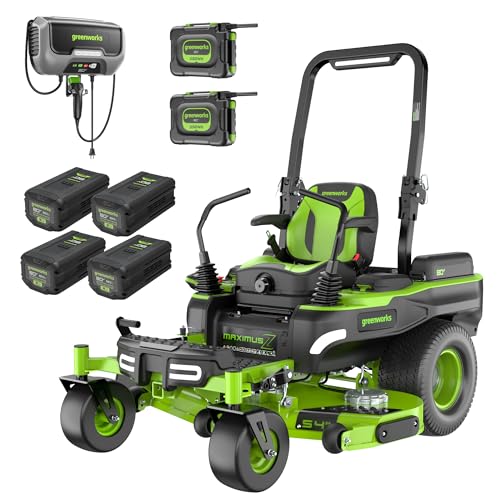
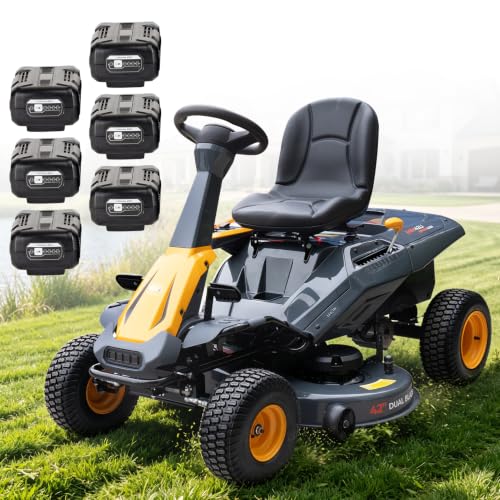
Battery Riding Mowers 101: The Basics
A battery riding mower is a sit down mower powered by rechargeable battery packs instead of a gas engine. You charge the packs from a household outlet, slide them into the mower, and drive much as you would a small tractor, with a steering wheel or lap bars depending on the style. Most models cut with spinning blades under a deck, collect clippings in a bag or discharge them to the side, and offer several cutting heights for different grass types.
Battery power changes daily use in a few practical ways. There is no fuel to store, no oil to check, and no exhaust smell on your clothes, but run time depends on battery size, grass height, and slope. A mower that cuts a flat lawn for over an hour may run for less time in tall, wet grass or on steep ground.
Key Specs Explained in Plain English
Power Source: Gas, Battery, or Corded Electric
Gas mowers offer long run times and fast refueling, but they need fuel storage, oil changes, spark plug care, and winter storage steps. Battery mowers start with a key or a button, run quietly, and need little routine engine care, but they need charging time between long jobs. Corded electric mowers avoid batteries and fuel, yet the cord limits range and can snag on trees and fences. For most first time buyers with a yard under two acres, battery power offers the simplest ownership, as long as the run time fits the yard with room to spare.
Yard Size and Cutting Width
Cutting width tells you how wide a strip the mower cuts in one pass, and wider decks finish large lawns faster. A deck of about 30 to 42 inches suits many suburban yards, while a deck of about 42 to 54 inches suits larger open properties where gates and trees allow wide turns. A wide deck can be hard to fit through a garden gate or between closely spaced trees, so measure your narrowest passage before you choose. As a rough guide, a push mower suits a yard under a quarter acre, a self propelled walk behind mower suits a yard up to about half an acre, and a riding mower suits a yard over about one acre.
Battery Voltage, Amp Hours, and Runtime
Voltage gives a rough sense of power, and most battery riding mowers use systems from about 40 volts to about 80 volts. Amp hours describe how much energy a pack holds, so a higher amp hour pack usually runs longer at the same load. Run time claims are often measured on flat ground in short grass, so treat them as a best case and leave a margin for hills, thick grass, and bagging. If your yard takes close to the full claimed run time, a second pack or a faster charger can turn a rushed job into a relaxed one.
Cutting Height Adjustment
Cutting height controls how much grass remains after each pass, and most mowers offer several settings from low to high. A single lever that moves the whole deck at once is easier for a new buyer than separate adjustments at each wheel. Taller settings suit hot, dry weather and shaded lawns, while lower settings suit neat, formal lawns that are mowed often. Never cut more than one third of the grass blade at once, because a deep cut stresses the lawn and leaves clumps that smother growth underneath.
Deck Material and Build Quality
Steel decks are common, sturdy, and easy to clean, while a fabricated deck uses thicker welded steel for heavy use on rough ground. A stamped deck is formed from a single sheet and suits smooth lawns and regular home use. Deck wash ports, easy blade access, and a solid frame matter for long term care, because a mower that is hard to clean will collect damp clippings that rust steel over time. Check the seat comfort, the steering feel, and the pedal layout as well, since you will spend the whole mow in that seat.
Choosing the Best Battery Riding Mowers by Yard Shape, Slope, and Storage
Open lawns favor a wide deck and a simple lawn tractor style, while a yard with many trees, beds, and tight corners favors a nimble zero turn style with a smaller turning circle. Slopes need care, because a riding mower can lose grip on wet or steep ground, so check the maker slope limit and mow across gentle slopes rather than straight up and down. Storage matters too, because battery packs should be kept in a dry place away from extreme heat and cold, and the mower needs room for charging access.
A guide to best riding mowers can help you compare gas and battery styles side by side, and a guide to best zero turn riding mowers explains the nimble steering style in more detail. For a smaller yard, see our guide to best battery push mowers to compare walk behind battery models, and our guide to best battery operated mowers covers battery mowers of all sizes. Keep children and pets away from the mower while it is running, and never let a child ride along or play near moving blades.
Rookie Mistakes to Avoid
- Buying a deck too wide for your gates, paths, and tree spacing, then struggling to reach parts of the lawn.
- Trusting a best case run time claim without leaving a margin for tall grass, hills, and bagging.
- Cutting more than one third of the grass blade at once, which stresses the lawn and leaves heavy clumps.
- Mowing wet grass on a slope, where grip drops and clippings clog the deck.
- Storing battery packs in extreme heat or cold, which can shorten their useful life.
- Skipping blade checks, so dull blades tear grass instead of cutting it cleanly.
Getting Started: Setup and First Use
Start by reading the maker manual for charging, blade safety, and slope limits before your first mow. Charge all packs fully, check tire pressure, and walk the yard to remove sticks, stones, toys, and hidden wire that could damage blades. Set the cutting height high for the first pass, especially if the grass has grown tall, and mow in straight, overlapping rows so you do not miss strips.
After the first mow, clean damp clippings from under the deck and check the blades for nicks. Keep blades sharp, and sharpen them each season or sooner if the grass tips look torn and brown after mowing. Store packs indoors in a dry place, and follow maker guidance for winter storage, including whether packs should be stored partly charged.
Battery Riding Mowers: Your Questions Answered
Is a zero turn worth it for one acre?
A zero turn mower is worth it for one acre if your yard has many trees, beds, and tight corners that need frequent turning. Its lap bar steering lets it turn in place, which cuts trimming time around obstacles and fences. A lawn tractor style may suit a one acre yard better if the ground is open and simple, because it often costs less and feels familiar to a new driver. Try both steering styles if you can, because comfort with the controls matters as much as speed on a yard this size.
What size mower do I need for my yard?
Match the mower to your yard size, your gate widths, and your slope rather than choosing the largest model you can afford. A deck of about 30 to 42 inches suits most yards up to about one acre, while a deck over 42 inches suits larger open lawns with wide access. Measure your narrowest gate and the space between trees before you buy, and check the maker slope limit if any part of your yard is steep. A mower that fits your passages and your storage space will be used more often than one that is hard to move.
How long does a battery riding mower last?
A battery riding mower can last many seasons with regular blade care, deck cleaning, and careful battery storage. Battery packs usually lose capacity gradually over years of charging, and replacement packs are a normal long term cost to plan for. Storing packs indoors, avoiding full discharge on every mow, and following maker charging guidance all help packs last longer. The mower frame and deck last longest when damp clippings are cleaned off after mowing and the mower is kept dry.
How often should I sharpen mower blades?
Sharpen mower blades each season, and sooner if you hit a stone, mow sandy soil, or notice torn grass tips after mowing. Dull blades tear grass rather than cutting it, which leaves brown tips and makes the lawn look ragged even after a fresh mow. Always disconnect the battery packs and follow maker safety steps before touching the blades, and keep children and pets away during the work. A spare sharp set lets you swap blades quickly and keep the dull set for sharpening later.
Are battery mowers as good as gas mowers?
Battery mowers match gas mowers well for many home yards, with quieter running, simpler starting, and far less routine engine care. Gas mowers still suit very large or steep properties where long run times and fast refueling matter most. Battery mowers need charging time and pack planning, so they suit a buyer whose yard fits within a charge with room to spare. For a first time buyer with a typical suburban yard, battery power usually offers the easier ownership experience.
Final Thoughts
Your first battery riding mower should fit your yard, your gates, and your charging routine, not just the largest spec sheet. Choose a deck that moves easily through your property, a battery setup that finishes your lawn with charge to spare, and a steering style you feel comfortable using every week. Simple care habits, sharp blades, and dry battery storage will do more for long term satisfaction than any single extra feature. Compare the picks in the product table, then choose the best battery riding mowers for your lawn, your slopes, and your storage space.
Prices for battery riding mowers usually run about $2,500 to $8,000 depending on deck size and battery capacity, so set a budget that leaves room for a spare pack or a faster charger if your yard needs it. Take time on your first few mows to learn the controls on open ground.


