Best Push Lawn Mowers for a Well-Kept Yard
Disclosure: We may earn a commission when you buy through links on this page, at no extra cost to you. As an Amazon Associate I earn from qualifying purchases. Learn more

A buying guide comparing power source, deck size, and cutting features to help pick a reliable push lawn mower.
A reliable mower makes the difference between dreading yard work and getting it done in under an hour. The best push lawn mowers combine simple operation with enough cutting power to handle everyday grass without constant maintenance headaches. For homeowners with small to mid-size yards, a push mower often beats a riding machine on cost, storage space, and ease of upkeep.
This guide covers the engine types, deck sizes, and features worth comparing before buying, along with the maintenance habits that keep any mower running well for years.
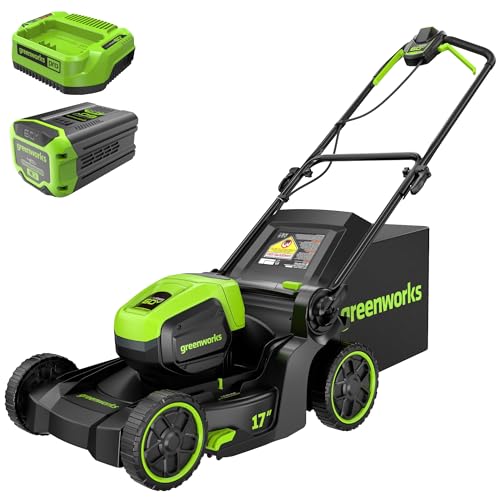

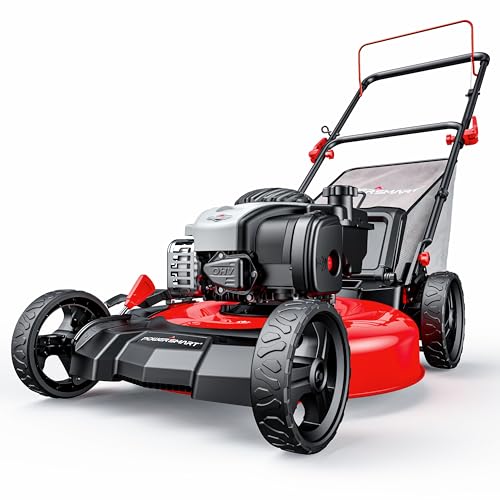


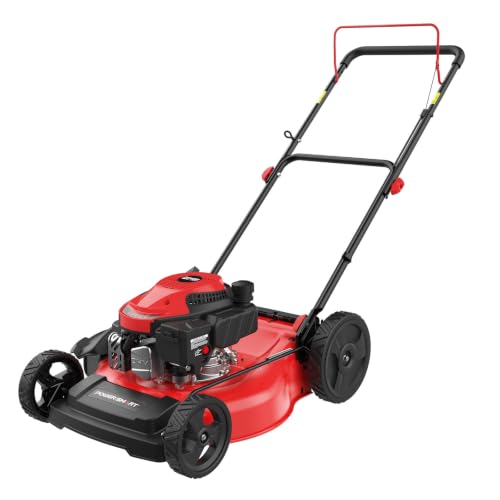


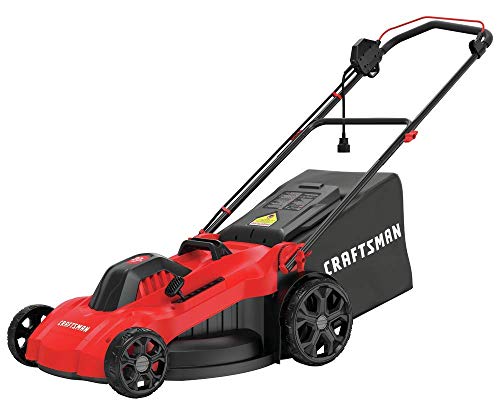
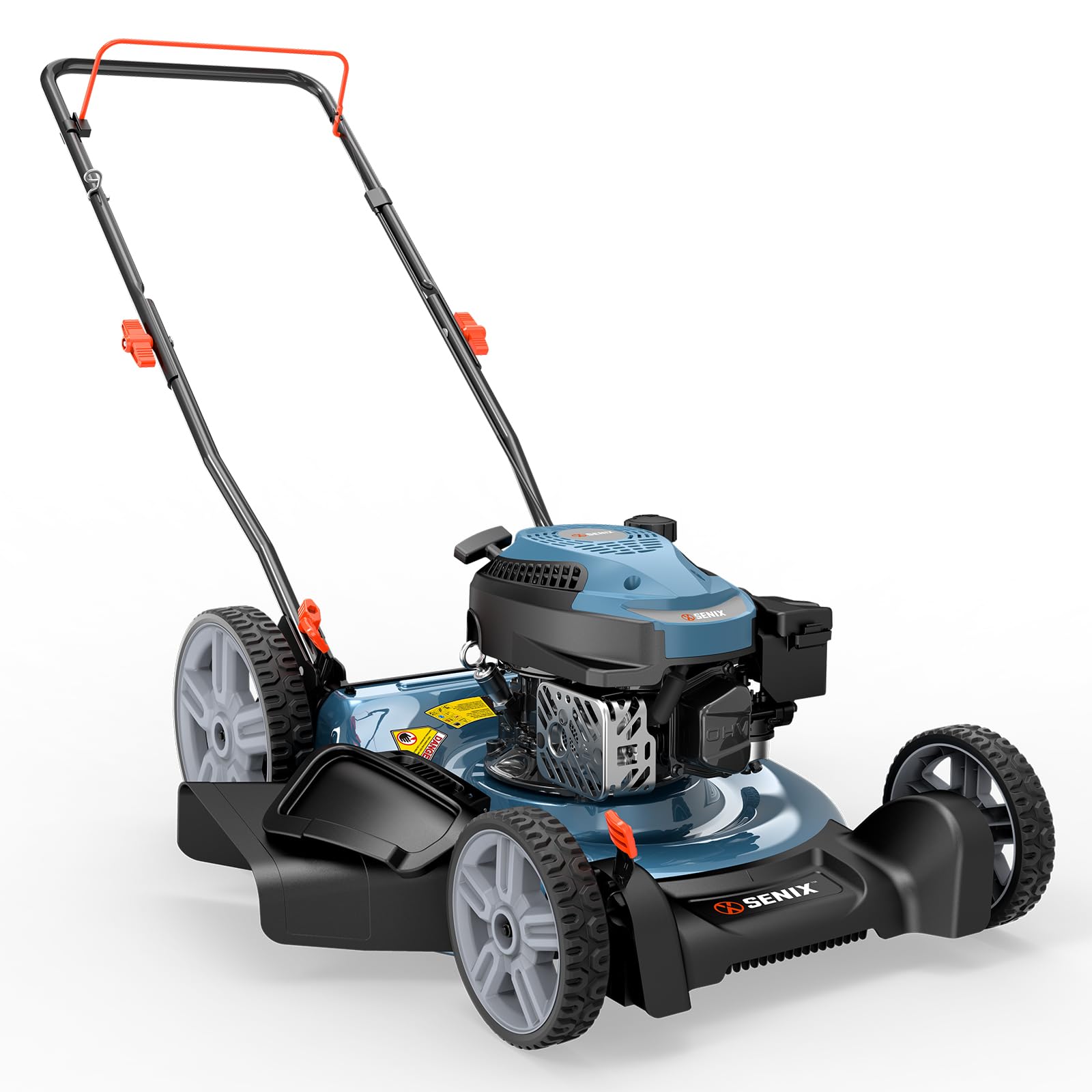

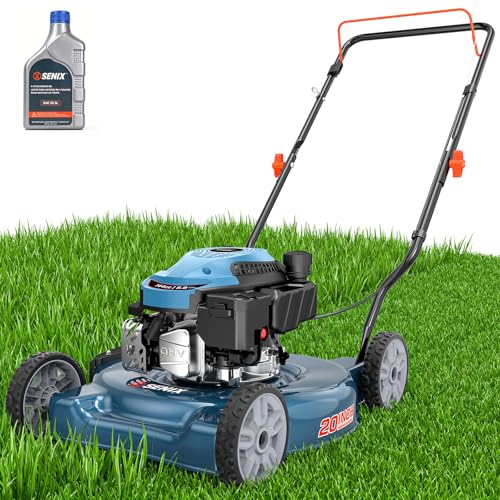
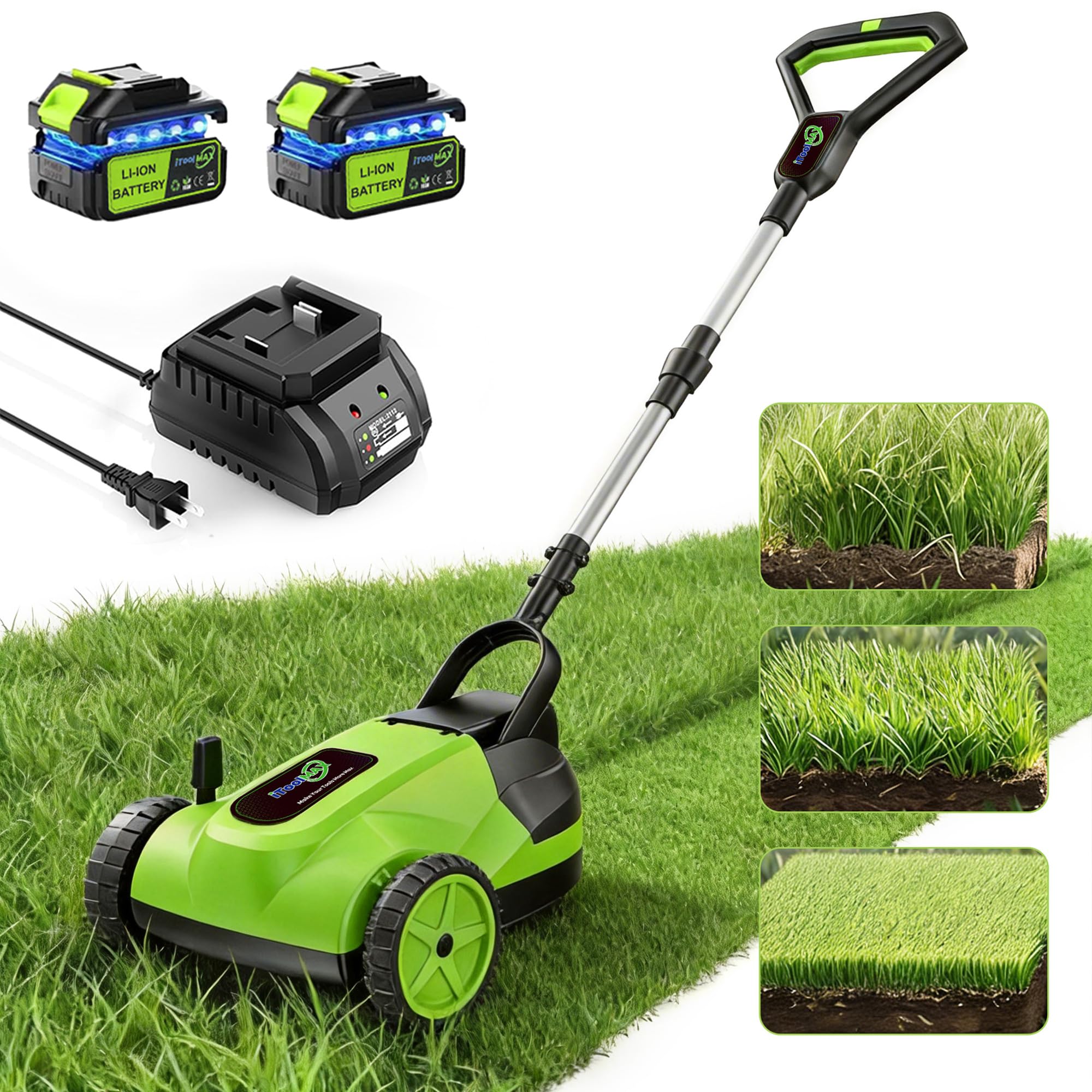
Gas Versus Electric Power
Gas-powered mowers still deliver the most consistent cutting power, especially in thick or tall grass, and they never need to stay near an outlet or battery charger. The tradeoff is regular maintenance such as oil changes, spark plug checks, and fuel stabilization during off-season storage.
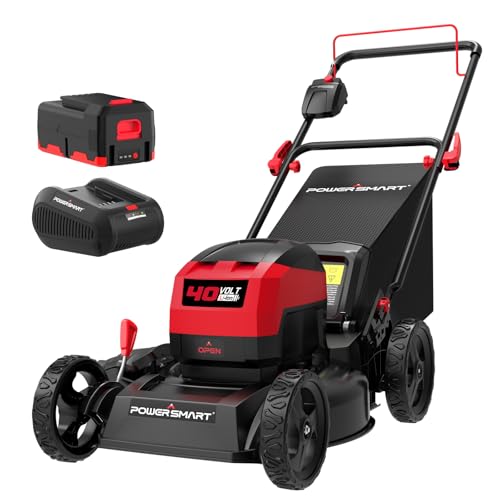
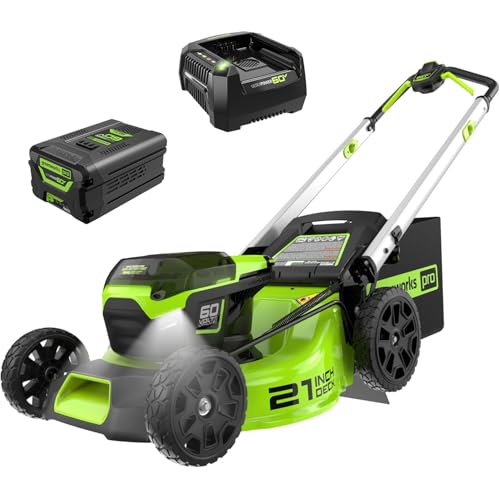
Battery-powered mowers have closed much of the performance gap in recent years. They start instantly, run quieter, and require far less upkeep, though runtime is limited by battery capacity and larger yards may need a spare battery on hand to finish in one session.
Deck Size and Cutting Width
A wider cutting deck covers more ground per pass, which shortens mowing time on larger lots. Standard push mower decks typically range from twenty to twenty-two inches, a size that balances maneuverability with efficient coverage for most residential yards.
Smaller decks work better in yards with tight corners, narrow side gates, or lots of landscaping to navigate around. A mower too wide for a gate becomes a real hassle every time it needs to reach the backyard.
Cutting Height Adjustment
Grass type and season both affect the ideal cutting height, so adjustable settings matter more than most buyers expect. Single-lever height adjustment is faster and easier to use consistently than models requiring each wheel to be set individually.
A wide height range, from roughly one inch up to four inches, accommodates everything from a tightly manicured lawn to a taller cut that helps grass retain moisture during hot, dry stretches.
Bagging, Mulching, and Side Discharge
Three-in-one mowers that handle bagging, mulching, and side discharge give the most flexibility across different seasons and lawn conditions. Mulching returns nutrients to the soil and cuts down on yard waste, while bagging keeps clippings from tracking into the house after a fresh cut.
Side discharge works well for tall or wet grass that would otherwise clog a mulching deck. Having all three options available means one mower can adapt rather than needing different equipment for different conditions.
Self-Propelled Versus Manual Push
Self-propelled models reduce physical effort significantly, which matters most on yards with slopes or for anyone mowing larger areas regularly. Manual push mowers cost less and weigh less, making them easier to maneuver in small, flat yards where propulsion is not really necessary.
Front-wheel drive suits flat terrain well, while rear-wheel drive typically handles hills and soft ground with better traction. Checking which drive type matches the yard's terrain avoids buying more mower than is actually needed.
Durability and Build Materials
Steel decks resist dents and last longer under heavy use, while aluminum and composite decks resist rust and stay lighter for easier handling. Both materials show up across the best push lawn mowers on the market, and the right choice often comes down to storage conditions and how the mower will be handled over time.
Wheel size also affects durability and performance. Larger rear wheels tend to roll more smoothly over bumps and uneven turf, which reduces strain on the deck and wheel mounts over years of regular use.
Maintenance and Longevity
Sharpening the blade at least once or twice a season keeps cuts clean and reduces strain on the engine or motor. A dull blade tears grass instead of cutting it, which leaves lawns looking ragged and slightly discolored at the tips within a day or two.
For gas models, changing the oil, replacing the air filter, and draining fuel before long storage periods prevents most common starting problems. Battery mowers need far less attention, though keeping contacts clean and storing batteries at moderate temperatures extends their lifespan considerably.
Noise and Neighborhood Considerations
Electric and battery mowers run noticeably quieter than gas engines, which matters in dense neighborhoods or for early morning mowing sessions. Some communities also have noise ordinances that make quieter equipment more practical for regular use.
Gas mowers remain louder overall, though modern engines have reduced noise levels compared to older designs. Hearing protection is still a reasonable precaution during extended mowing sessions regardless of power source.
Starting Systems and Ease of Use
Pull-start gas engines remain common, but many newer models add electric or push-button starting that removes the frustration of repeated cord pulls on a cold morning. This feature adds some cost but saves real effort over the life of the mower, especially for anyone with shoulder or wrist issues.
Battery mowers skip the starting hassle entirely, since they simply power on with the press of a button. This is one of the more noticeable convenience differences between the two power types once a buyer has used both firsthand.
Storage and Portability
Foldable handles reduce the amount of garage or shed space a mower takes up, which matters for smaller homes without a dedicated storage area. Some models fold down flat enough to stand upright against a wall, freeing up floor space for other equipment.
Weight also affects portability, particularly when a mower needs to be lifted over a step, curb, or stored on a shelf. Lighter battery and push models are generally easier to maneuver into tight storage spots than heavier gas machines with full fuel tanks.
Price Ranges and What to Expect
Entry-level manual push mowers with basic features tend to sit at the lower end of the price spectrum, while self-propelled models with larger decks and added convenience features cost more. Battery-powered options often fall in the middle, with the battery itself sometimes representing a significant portion of the total price.
Spending more typically buys better build quality, smoother self-propulsion, and additional features like adjustable speed settings, rather than dramatically different cutting performance on a typical residential lawn.
Frequently Asked Questions
Are electric push mowers powerful enough for thick grass?
Many current battery models handle moderately thick grass well, though very tall or dense growth may still favor a gas engine for consistent power.
How often should a mower blade be sharpened?
Once or twice per mowing season is typical for most yards, though sandy or debris-heavy lawns may require more frequent sharpening.
What deck size suits a small yard?
A twenty-inch deck usually balances maneuverability and coverage well for smaller or narrower yards with obstacles to navigate.
Is self-propulsion worth the extra cost?
For sloped or larger yards, yes. Flat, small yards often do not need it, and a manual push model saves money without much downside.
How long do battery mowers run on a single charge?
Runtime varies by battery size, but many mid-range models cover a quarter acre or more before needing a recharge or battery swap.
Final Thoughts
Picking from the best push lawn mowers comes down to matching power source, deck size, and drive type to the actual yard being maintained. A mower suited to the terrain and grass type will cut cleaner, last longer, and make weekly maintenance far less of a chore.
Related reading: best gas lawn mowers and best lawn mowers.