Best Audio Cables for Speakers: A Complete Buying Guide for 2026
Disclosure: We may earn a commission when you buy through links on this page, at no extra cost to you. As an Amazon Associate I earn from qualifying purchases. Learn more

Learn how to choose the best audio cables for speakers by gauge, copper type, connectors, and length, with clear guidance for home stereo and theater rooms.
Speaker cable looks simple, yet the wrong gauge or a poor connection can waste power and leave one channel quieter than the other. Choosing best audio cables for speakers comes down to matching the wire to your run length, your amplifier, and your speaker terminals. This guide explains each factor in plain terms so you can buy once and listen with confidence.
The comparison table below gives you a quick view of cable options side by side. Use it for a first pass, then read the sections that follow for the sizing and fitting details that decide which cable actually suits your room and your system.
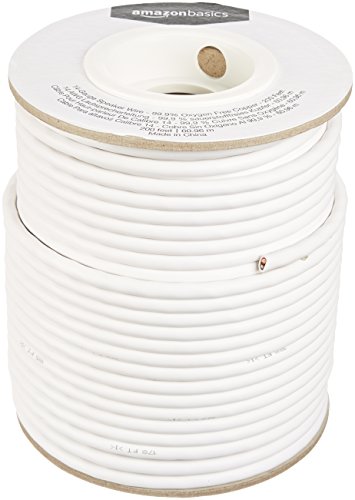

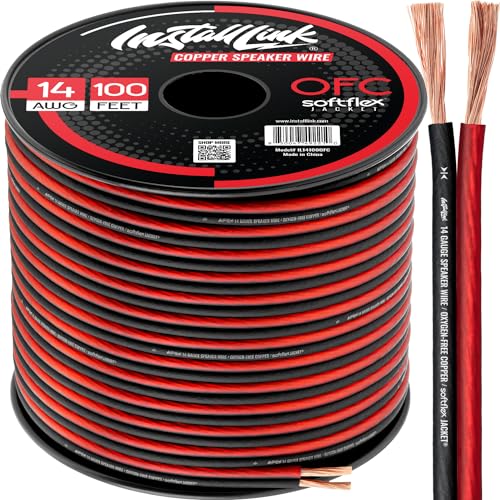
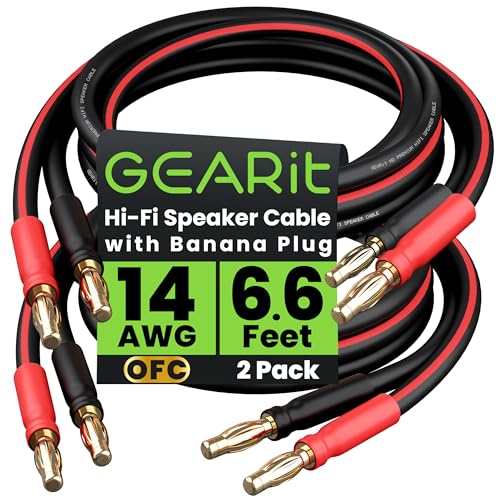


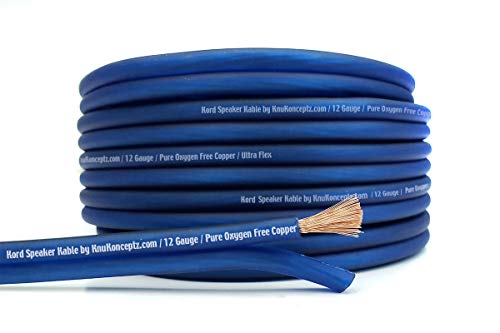


Who Should Buy Speaker Cables for Different Setups
Almost every passive speaker system needs cable chosen for its own layout. Your room size, the distance from amplifier to speaker, and the type of terminals on your gear shape the right choice far more than price alone.
Listeners building a first home stereo system
You need a cable that is easy to fit and forgiving of mistakes. A 16 gauge or 14 gauge stranded copper cable with clear polarity marking suits most short living room runs. Banana plugs save time if you plan to move speakers while you find the best position. Keep some spare length, but avoid huge coils of extra wire behind the rack.
Owners upgrading bookshelf or floor standing speakers
Better speakers reveal weak connections more clearly, so clean terminations and full copper conductors matter here. If you are also comparing the best audio quality speakers, remember that cable cannot add detail your speakers lack. Its job is to deliver the signal with low resistance so your upgrade sounds as it should. Choose 14 gauge for most runs and 12 gauge for longer ones.
Home theater and multiroom listeners
You face longer runs, more channels, and cables that may pass through walls or along baseboards. Plan each run on paper before you buy, and label both ends as you install. In wall rated jacket matters where cable passes inside a wall cavity. A single spool in one gauge keeps ordering simple and makes later repairs easier.
Key Features to Compare
The best audio cables for speakers share a few measurable traits, and those traits matter more than brand stories. Readers who want a narrower comparison can see our guide to the best cable for speakers as well. Work through the factors below in order, starting with gauge, because each one builds on the last.
Wire gauge and run length
Gauge describes wire thickness, and lower numbers mean thicker wire with lower resistance. For runs under about 25 feet with typical 8 ohm speakers, 16 gauge is usually enough. Runs of 25 to 50 feet call for 14 gauge, and runs beyond 50 feet or speakers rated at 4 ohms call for 12 gauge. Resistance rises with length, so a long thin cable can soften volume and bass control.
Conductor material and purity
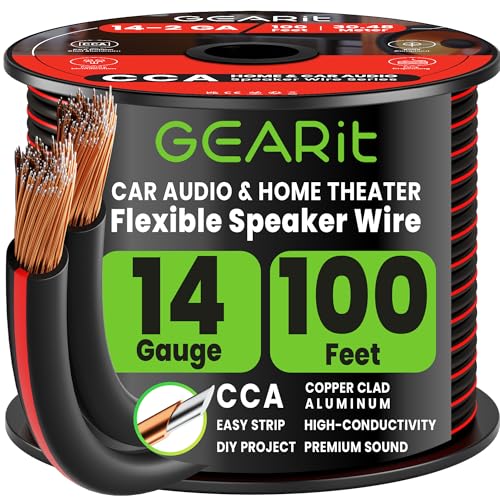
Pure copper conducts better than copper clad aluminum, which is often sold under the short name CCA. Aluminum core cable needs to be one gauge thicker to carry a similar load, and its ends can corrode faster at the terminal. Oxygen free copper, often marked OFC, resists surface oxidation a little better than plain copper. For most homes, honest full copper cable in the right gauge is the sound choice.
Connectors and terminations
Bare wire works well when you tighten it carefully and keep stray strands away from the other terminal. Banana plugs make swapping speakers fast and reduce the risk of a short from a loose strand. Spade lugs suit binding posts that you rarely move, while pin connectors fit older spring clip terminals. Whichever type you choose, both ends of a pair should use the same termination for a consistent fit.
Jacket, flexibility, and in wall ratings
The outer jacket protects the conductors and decides how the cable behaves in your room. A flexible round jacket bends easily around furniture, while a flat cable slides under carpet where local rules allow it. Cable marked CL2 or CL3 is rated for use inside walls in many homes, but you should check your local building code before you run any cable in a wall. Outdoor runs need a jacket rated for burial or weather exposure.
Strand count and polarity marking
Stranded cable bends without breaking and is the normal choice for home audio. Very fine strands feel softer and route neatly, though they need care when you strip the ends so you do not cut them away. Clear polarity marking, such as a stripe, raised rib, or printed plus signs on one leg, keeps left and right wiring consistent. Consistent polarity keeps bass strong and imaging stable across the pair.
Types of Speaker Cables and Where They Fit
Cable types differ mainly in construction and termination rather than in basic purpose. It also helps to know when you do not need speaker cable at all. Most of the best portable audio speakers are powered designs with built in amplifiers, so they use power cords or audio interconnects instead of speaker wire. Passive speakers are the ones that need the cables covered here.
Bare wire spools and factory terminated cables
A spool of bare wire costs the least per foot and lets you cut exact lengths for odd rooms. You strip the ends yourself and can add plugs later. Factory terminated cables arrive with banana plugs or spades fitted, which suits listeners who want a tidy result with no tools. They cost more and come in fixed lengths, so measure carefully before you order.
Flat, round, and in wall cables
Flat cable hides well under rugs and along baseboards where a round cable would show a bump. Round cable is the general purpose option and handles corners and conduit with ease. In wall cable carries the fire rating discussed above and often has a tougher jacket for pulling through studs. Pick the shape that matches the path, then confirm the gauge still suits the full run length.
Cables for car and vehicle systems
Vehicle runs are short but harsh, with heat, vibration, and tight door passages. If you are fitting the best car audio speakers in doors or a rear deck, choose flexible cable with a jacket that resists abrasion and keep it clear of hinge edges. Power and signal routing in a car also rewards careful separation from power wires to limit noise.
Amplifier placement shapes the second half of a vehicle install. Owners comparing the best auto audio speakers for a trunk mounted amplifier setup often need slightly thicker cable for the longer rear runs. Grommets where cable passes through metal panels prevent the insulation from wearing through over time.
How to Measure, Cut, and Connect Speaker Cables
Measure the real path the cable will take, including rises to wall mounted speakers and slack for moving a speaker during cleaning. Add about 10 percent to each measured run so the cable never sits under tension. Cut both cables of a stereo pair to similar lengths when you can, mainly to keep the install tidy and easy to trace later.
Strip about half an inch of insulation from each end without nicking the strands. Twist the strands snugly, insert them fully into the terminal or plug, and tighten until the cable cannot be pulled free with a gentle tug. Connect the marked leg to the red terminal at both ends. A reversed leg on one speaker puts that speaker out of phase, which thins the bass and blurs voices, so check polarity before you play music loudly.
Common Mistakes to Avoid
- Buying cable that is too thin for a long run, which raises resistance and can reduce volume and bass control.
- Mixing copper clad aluminum with pure copper in the same pair, which leaves the two channels with different resistance.
- Letting loose strands touch the opposite terminal, which can short the amplifier and trigger its protection circuit.
- Running indoor rated cable inside walls, which can break local building codes and complicate insurance claims after a fire.
- Coiling many feet of spare cable tightly behind a speaker, which wastes money and makes fault tracing harder later.
- Ignoring polarity on one channel, which weakens bass and shifts voices away from the center of the soundstage.
How to Make Your Speaker Cables Last Longer
Keep cables out of walkways where chair legs and foot traffic crush the jacket, and use gentle bends instead of sharp folds at corners. Dust the exposed ends once or twice a year and check that each terminal still grips firmly, because heat cycles slowly loosen screw fittings. If a bare end looks dark or green, trim it back to bright metal and refit it.
Store spare cable in loose coils away from direct sunlight, which can make some jackets stiff over time. Keep cables dry, and never place a heavy amplifier foot on top of a cable run. With basic care like this, a good copper cable should serve through several speaker and amplifier changes. The product table above can help you compare jacket types if you need a replacement run.
Frequently Asked Questions About Speaker Cables
Does speaker cable gauge affect sound quality for home speakers?
Yes, gauge affects sound when the cable is too thin for its length, because added resistance can lower volume slightly and change how the amplifier controls bass. Within sensible limits, a thicker cable will not add detail that was not already there. One useful check is to keep total cable resistance small compared with speaker impedance, which is why longer runs and 4 ohm speakers need thicker wire.
Can I use different cable lengths for left and right speakers?
Yes, you can use different lengths without harming sound in any way you are likely to hear. Electricity travels through cable so fast that a few extra feet on one side create no audible delay. The practical reason to keep lengths similar is tidiness and resale of the spare cable later. Avoid hiding a large coil of the longer cable inside a wall, where it is hard to retrieve.
Are banana plugs on speaker cables better than bare wire?
Banana plugs are not automatically better for sound, but they are better for convenience and safety in many homes. A well tightened bare wire joint conducts just as well on day one. Plugs win over time because they resist fraying, make reconnection repeatable, and keep stray strands away from the other post. If you move speakers for cleaning or room changes, plugs save real effort.
When should speaker cables be replaced?
Replace speaker cables when the jacket cracks, the conductors show heavy green corrosion that returns soon after trimming, or a channel cuts out when the cable moves. A cable that was pinched hard under furniture can break strands inside an intact looking jacket, which raises resistance on that channel. Swapping in a known good cable is the fastest way to confirm the cable, not the speaker, is at fault.
Can speaker cables be used for a powered subwoofer?
Usually no, because most powered subwoofers take a line level signal through an RCA interconnect, not a speaker level signal. Some older or budget subwoofers do offer speaker level inputs, and those accept normal speaker cable from your amplifier. Check the subwoofer manual before you buy cable, because ordering speaker wire for a subwoofer that only has RCA inputs leaves you with cable you cannot use.
Final Thoughts
Start with gauge matched to your longest run, insist on full copper conductors, and pick terminations that fit your terminals and habits. Those three choices matter far more than exotic construction claims. When you are ready to order, look back at the product table above and choose best audio cables for speakers that fit your measured lengths, your wall rating needs, and your budget.