
Best Binoculars That Take Pictures: Every Type Explained Side by Side for 2026
Disclosure: We may earn a commission when you buy through links on this page, at no extra cost to you. As an Amazon Associate I earn from qualifying purchases. Learn more

Compare the best binoculars that take pictures by type, sensor, zoom, and price, with clear buying tips to help you choose the right model for your trips.
Shopping for the best binoculars that take pictures gets confusing fast, because stores group several very different devices under one label. True camera binoculars pair two eyepieces with a digital sensor, while nearby shelves hold vlogging cameras, small compacts, and action cameras that record the scene in other ways. Each type trades reach, image quality, and comfort differently.
This guide compares the types side by side, then walks through the specs that decide how your photos and videos turn out. Use the comparison table below for a quick look at prices and core features, then read on to match a type to the way you watch birds, games, concerts, or scenery.
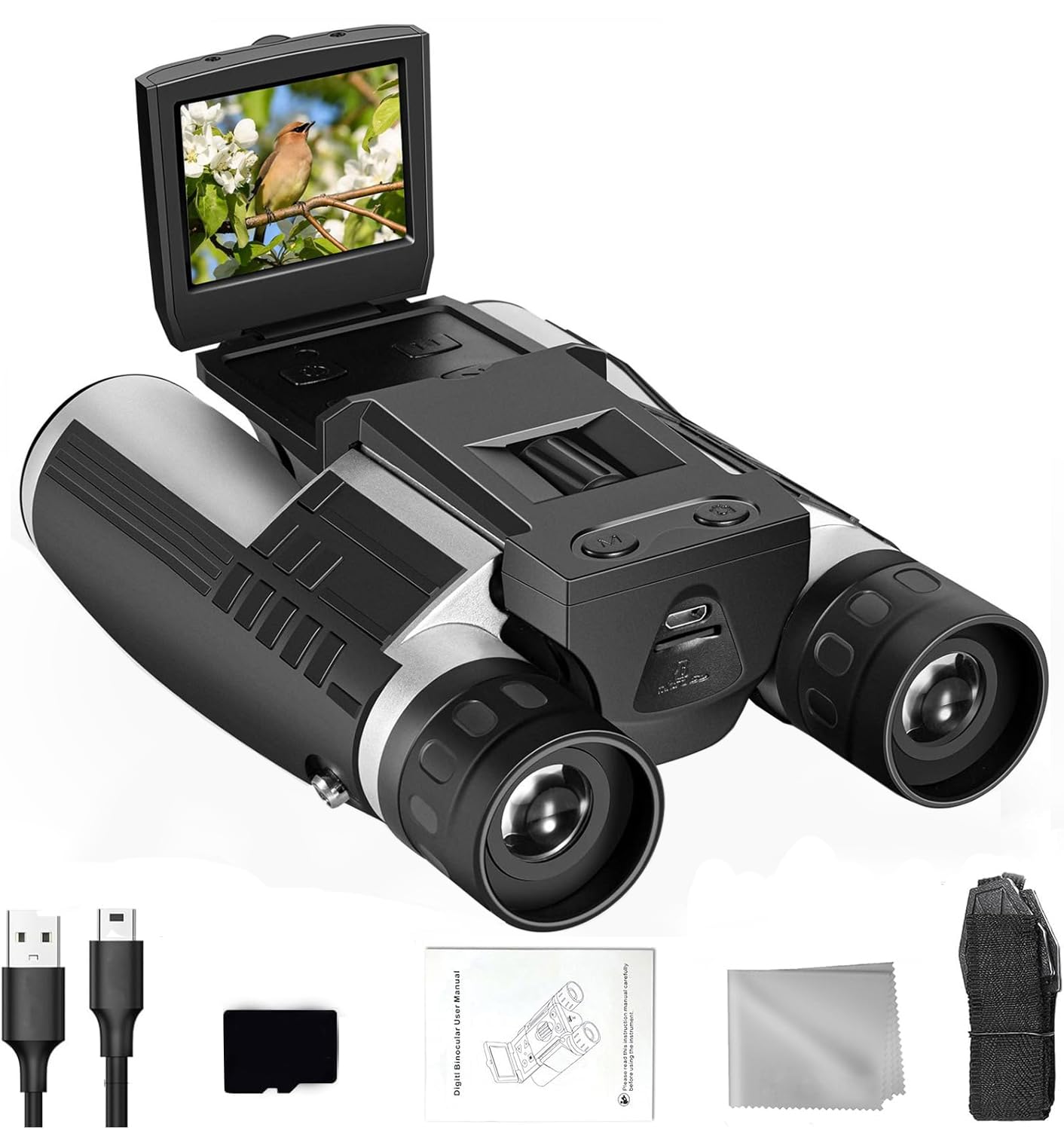
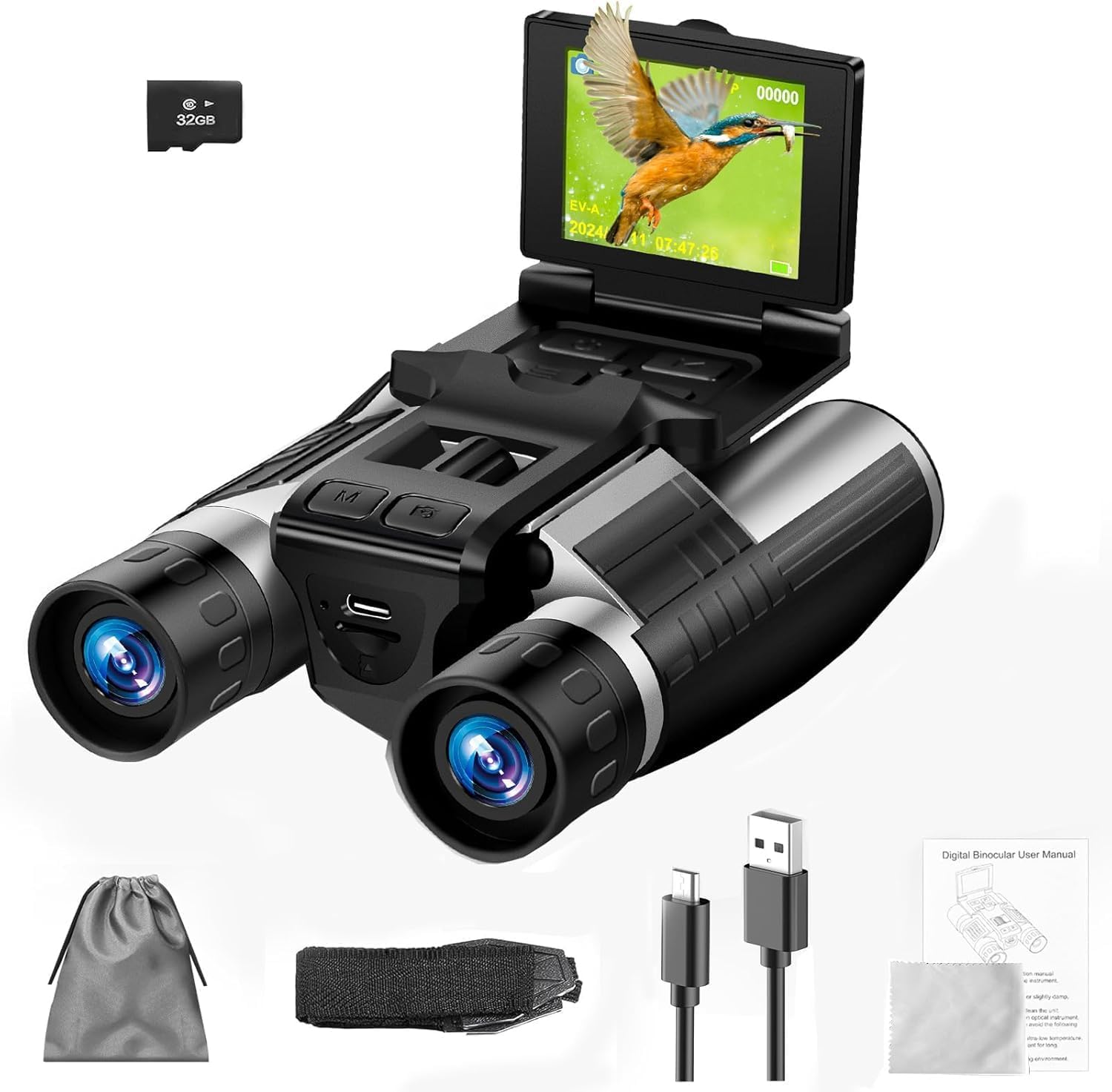

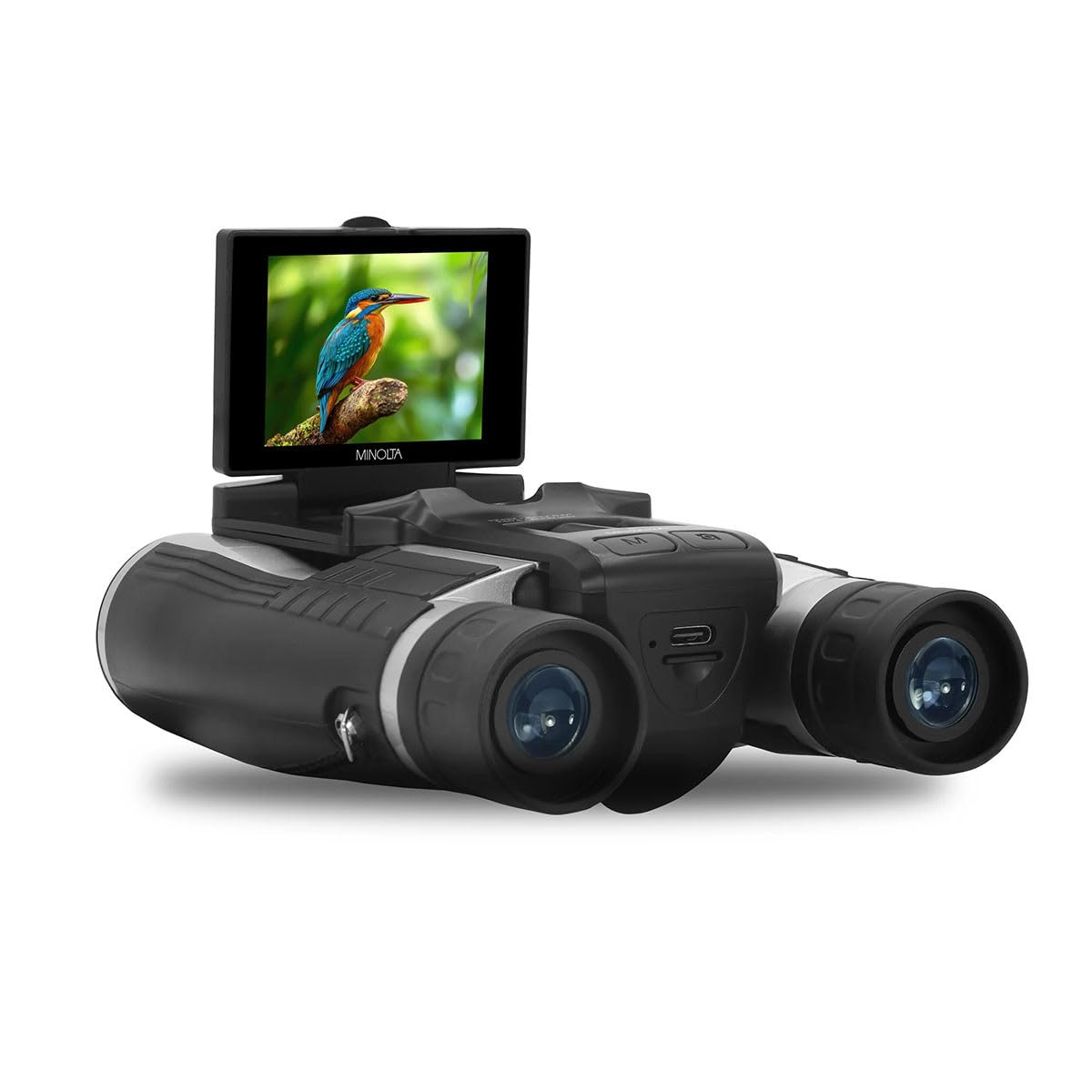
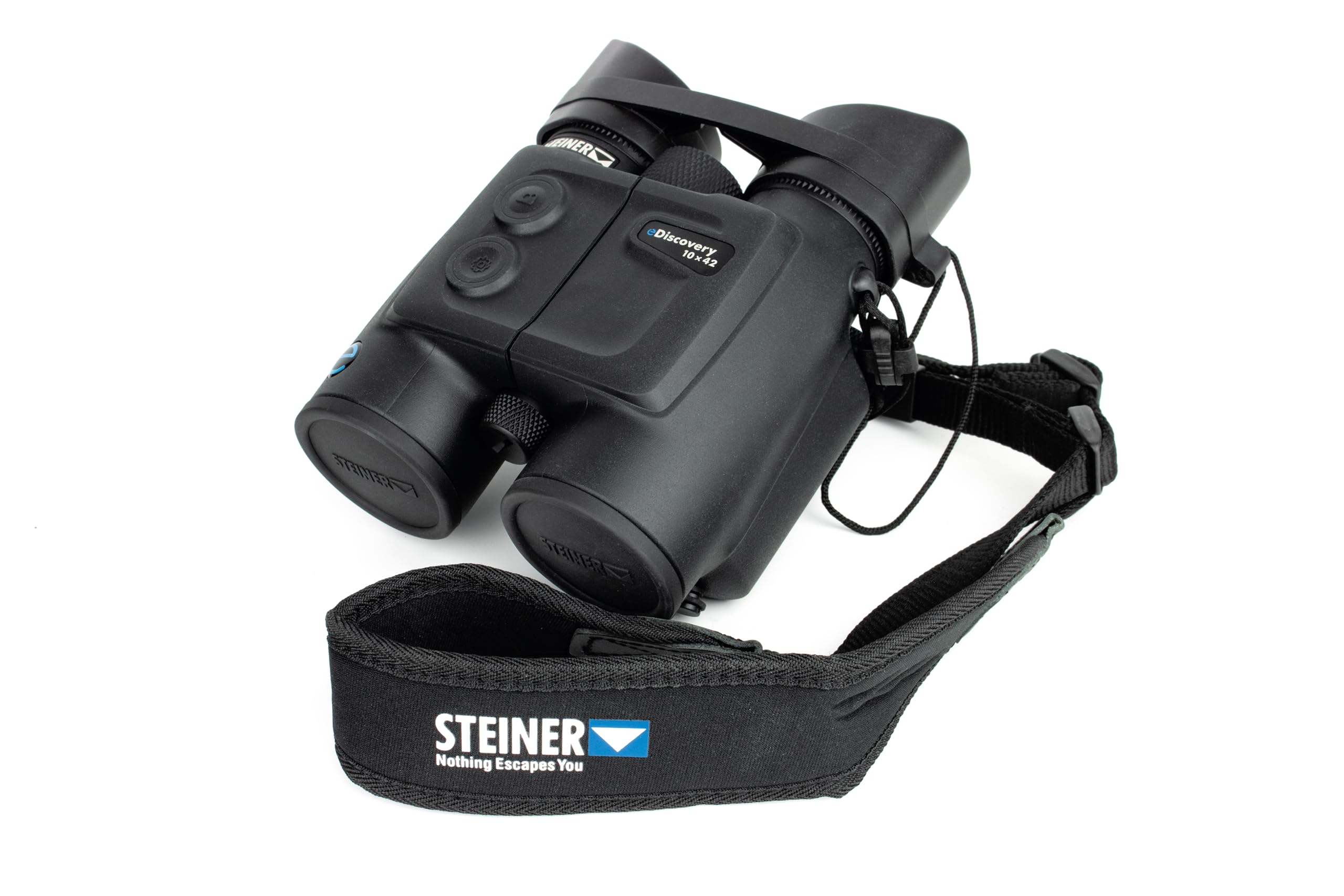
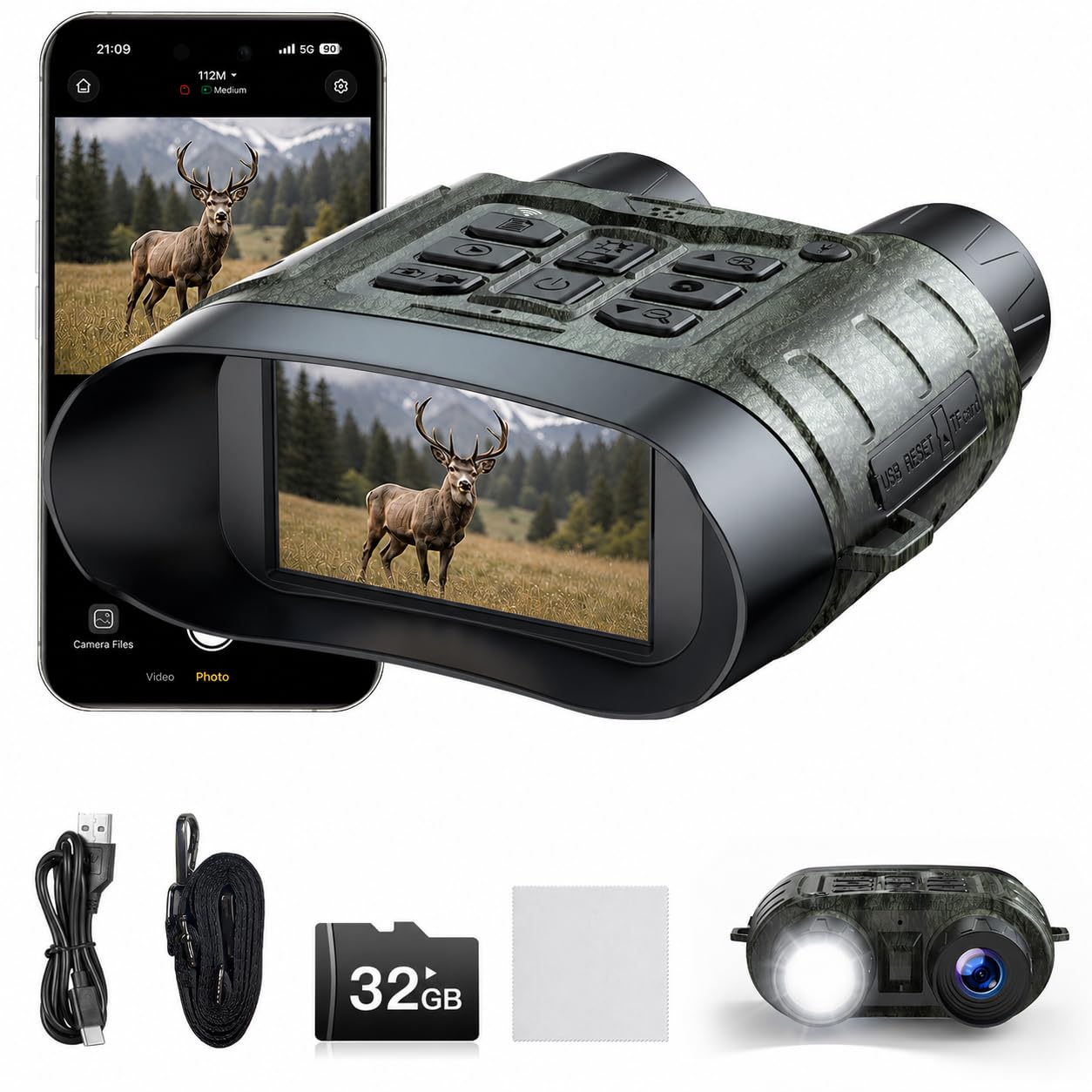
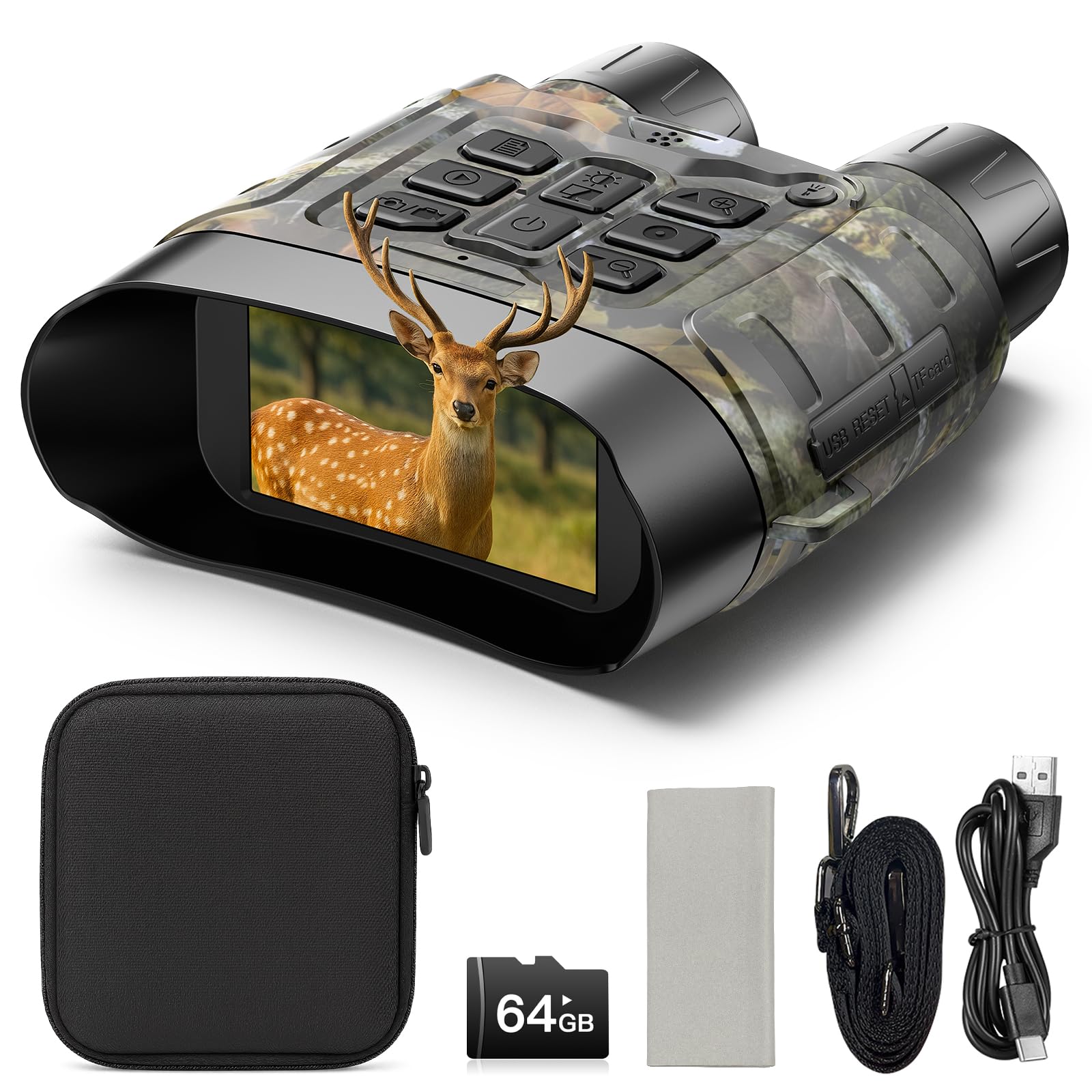

Types of Camera Binoculars and Nearby Alternatives Compared
A true camera binocular lets you watch through both eyepieces while a small digital camera records what sits in the center of your view. The camera side often uses its own fixed lens and a modest sensor, so the photo rarely matches the crisp view your eyes see. That gap explains the wide price spread across this whole category, so keep it in mind as you compare types.
Some shoppers end up happier with a different device entirely. If you would rather leave a camera in the field and check results later, see our guide to the best trail cameras that send pictures for unattended wildlife watching. If you plan to stay at the spot and record what you see yourself, one of the four types below will fit better.
Compact Binoculars With a Built In Camera
Compact camera binoculars fold the idea into a small, light body you can hang around your neck all day. Magnification usually sits at 8x or 10x, the sensor is small, and controls stay simple, often just a shutter button and a small rear screen for reviewing shots. Stills look fine on a phone screen, and video is usually basic, so think of the camera as a way to record what you spotted rather than to make gallery prints.
Choose this type if you travel light, watch from stadium seats, or want a simple record of birds and boats without carrying a separate camera. Skip it if large prints or low light detail matter to you, because the small sensor and small lenses set a firm ceiling on image quality.
Vlogging Cameras
Vlogging cameras are not binoculars at all, yet they show up in the same searches because buyers want one device that records what they see. These cameras favor video, with a flip screen you can turn toward yourself, strong autofocus that tracks faces, and a socket for an external microphone. The lens is wide, which suits talking to the camera and showing scenery, but it cannot pull a distant bird or player closer.
Pick a vlogging camera if your real goal is narrated video from trails, trips, or events and you rarely need long reach. If reach matters less than still photo quality in a pocket size body, see our guide to the best cameras to take pictures for models built around photography first. Viewfinders on vlogging cameras, when present, serve one eye only, so long viewing sessions feel less relaxed than binocular viewing.
Point and Shoot Compacts
Point and shoot compacts, especially bridge style models with a long lens, answer the reach problem in a different way. A single lens with strong optical zoom brings distant subjects close, and the sensor is usually larger than the one inside camera binoculars, so photos hold more detail. You compose on a rear screen or through a small electronic viewfinder, which works well for photos but feels less natural for following fast action over long stretches.
This type suits birders and travelers who care most about the final image and do not mind holding a camera instead of binoculars. The trade off is size, since long zoom compacts are bulkier than compact binoculars, and you lose the two eyed depth and comfort that make binoculars pleasant for scanning a shoreline or a playing field.
Action Cameras
Action cameras record everything in front of you with a very wide view, and they shrug off water, drops, and dust that would damage other gear. That toughness makes them great for kayaking, skiing, or mounting on a boat rail while you watch through ordinary binoculars. Their weakness is distance, because the fixed wide lens makes far subjects tiny, and digital zoom only crops the picture and throws away detail.
Choose an action camera when the experience matters more than the subject itself, such as recording a raft trip or a bike descent. Pair it with plain binoculars for viewing, and accept that it captures the scene around you rather than the distant animal you zoomed in on with your eyes.
Compact Camera Binoculars vs Vlogging Cameras: Which Should You Choose?
These two types get compared often because both promise one device for watching trips and recording them. On reach, the binoculars win clearly, since magnification brings distant subjects into view while a vlogging camera lens stays wide. On video quality, the vlogging camera wins, with sharper footage, better sound options, and stabilization tuned for walking and talking. On viewing comfort, binoculars win again, because two eyepieces and a steady grip suit long sessions of scanning.
On size and price the two sit close, with entry models of both types in a similar band. Your deciding question is simple: do you mostly watch distant subjects, or do you mostly record yourself and your surroundings? For pure glass quality without any camera, see our guide to the best rated binoculars, which covers models built only for viewing. Camera binoculars make sense when the built in record button matters more than top tier optics.
If animals visit a feeder or trail while you are elsewhere, a camera that works on its own beats anything you hold, and our guide to the best game cameras that send pictures to phone explains that route. Camera binoculars and vlogging cameras both assume you are present and choosing the moment yourself.
How to Choose the Best Binoculars That Take Pictures
Video Capabilities
Many camera binoculars record video as a bonus rather than a main feature, so read this spec closely if clips matter to you. Look for at least 1080p recording for clear results on a TV, and treat 4K as a bonus that also gives you room to crop later. Image stabilization matters a great deal at 10x magnification, because small hand movements grow into big shakes on screen. A flip screen and microphone input are vlogging camera territory, so if those features top your list, that type serves you better than any binocular design.
Durability and Weather Sealing
Field gear gets rained on, dropped in boats, and fogged by morning temperature swings, so build quality decides how long the device lasts. Waterproof models carry a rating such as IPX7, which means the body can survive brief immersion, while lesser splash resistance only handles light rain. Fogproof bodies are filled with nitrogen and sealed, which stops internal lenses from misting when you move from a warm car into cold air. Rubber armor over the housing absorbs knocks and improves grip with gloves on, a small detail you appreciate on cold mornings.
Lens and Zoom Range
Separate the viewing numbers from the camera numbers when you read a spec sheet. The binocular side lists magnification and objective lens size, such as 10x42, and those numbers describe what your eyes see. The camera side may use a different fixed lens, and its zoom is often digital, which crops the image instead of truly magnifying it. Optical zoom is the figure that preserves detail, so favor models that state optical figures clearly and treat large digital zoom claims as marketing. A camera lens with a wide aperture, shown as a low f number, gathers more light for dawn and dusk shots.
Sensor Size and Image Quality
Sensor size drives image quality more than any other single spec. Tiny sensors in budget camera binoculars struggle in shade and at dusk, producing soft, noisy photos, while the larger sensors in point and shoot compacts hold detail and color far better. Megapixels matter less than sellers suggest, because cramming more pixels onto a small sensor can make low light results worse, not better. For night sky subjects the limits show quickly, and serious star photos call for dedicated gear, as our guide to the best cameras to take pictures of stars explains. Judge sample images at full size when a listing offers them.
Battery Life and Charging
A camera binocular drains its battery far faster than plain binoculars use none at all, and the screen is the main culprit. Check the rated shots per charge and whether video time is listed separately, since recording drains power quickest. USB C charging lets you top up from a power bank in the field, which matters on multi day trips away from outlets. Cold weather shortens battery life on every type here, so carry the spare in an inside pocket where your body heat keeps it ready.
Tips to Get the Most From Your Camera Binoculars
Small habits protect image quality more than any setting. Clean lenses with a soft lens cloth, never your shirt, because fabric grit scratches coatings over time. Carry a spare battery and a spare memory card, since a full card ends a great sighting as surely as a dead battery. Store the binoculars in a dry, padded bag away from direct sun, and let a cold unit warm up slowly indoors so moisture does not condense inside.
For steadier shots, brace your elbows against your chest or a railing and take several frames of the same subject, then keep the sharpest. Check the recorded view on the camera screen after your first few outings, because it can sit slightly off center from what your eyes see, and a small adjustment in technique fixes most soft results.
Binoculars That Take Pictures: Your Questions Answered
What do 8x42 and 10x42 mean on binoculars that take pictures?
The first number is magnification, so 10x makes a subject look ten times closer, and the second number is the objective lens diameter in millimeters. Dividing the second number by the first gives the exit pupil, and a larger exit pupil, such as the 5.25 mm you get from 8x42, delivers a brighter view at dawn and dusk. Note that these figures describe the viewing optics only, since the camera records through its own lens and sensor.
Is a smartphone enough instead of buying binoculars that take pictures?
A smartphone is enough for nearby subjects and casual clips, but it falls short for distant wildlife and sports. Phone zoom is mostly digital cropping, the screen washes out in bright sun, and holding a phone steady at long range is tiring. An adapter that mounts a phone to ordinary binoculars is a middle path some birders enjoy, though setup takes time and the rig feels awkward compared with a single purpose built device.
Which binoculars that take pictures work best in low light?
Models with larger objective lenses and larger sensors work best in low light, and moderate magnification helps too. An 8x42 gathers a brighter image than a 10x42 of the same quality, because the light spreads across less magnification. On the camera side, favor the biggest sensor you can afford and avoid digital zoom at dusk, since cropping dim footage makes noise stand out. A tripod or monopod steadies long views and lets slower shutter speeds stay sharp.
What specs matter most for beginners buying binoculars that take pictures?
Beginners should prioritize sensor size, true optical zoom on the camera side, and image stabilization over headline megapixel counts. Simple controls matter as well, because a device you understand gets used, while buried menus lead to missed moments. Weight deserves attention too, since a lighter unit comes along on more walks. Start with the viewing numbers you would choose in plain binoculars, then check that the camera specs are honest rather than inflated.
How much should I spend on my first pair of binoculars that take pictures?
Expect to spend about $100 to $250 for a first pair that records usable photos and video. Below that range, sensors shrink and build quality drops, so results often disappoint and returns follow. Above it, you pay for better glass, stronger sealing, and larger sensors, which suit frequent users. If your budget sits near the top of the range, compare the price against a long zoom compact camera, since that type may deliver better photos for similar money.
Final Thoughts
Choosing well comes down to three checks: the type that fits how you watch, a sensor and lens pairing that suits your light, and build quality that survives your trips. Compact camera binoculars favor convenience, compacts favor image quality, and vlogging or action cameras serve recording first goals. Compare your shortlist against the product table above, and the best binoculars that take pictures for your needs should stand out clearly. Prices and availability can change, so check the product page before ordering.


