
Best Audio Quality Speakers: Which One Fits Your Use in 2026
Disclosure: We may earn a commission when you buy through links on this page, at no extra cost to you. As an Amazon Associate I earn from qualifying purchases. Learn more

Compare audio quality speakers by tuning, distortion, and placement, with bookshelf, tower, and powered options for music and films.
The best audio quality speakers are not the loudest or the ones with the most watts. They play voices naturally, keep bass tight instead of boomy, and stay clear when the music gets busy. Two pairs at the same price can sound very different, because design, tuning, and the room matter as much as the label.
The product table below lists well reviewed bookshelf and tower speakers across several budgets. This guide explains what to listen for, how to place speakers, and which type suits your room.


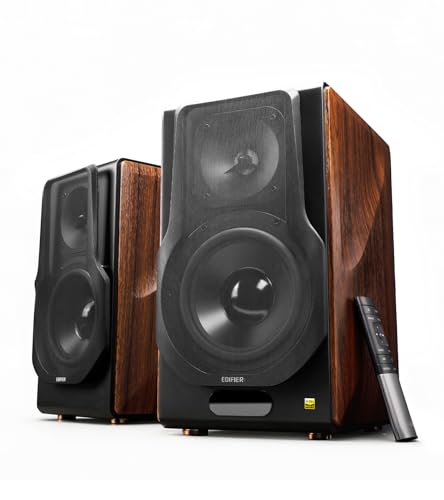


Who Should Buy Audio Quality Speakers
These speakers suit listeners who care about how music, films, and voices actually sound: people moving up from a TV soundbar or laptop speakers, desk and small room listeners, and anyone building a simple two channel stereo system. They also suit vinyl and streaming fans who want to hear detail in well recorded music.
If you need a speaker you can carry outdoors, a portable model fits better. See our guide to the best portable audio speakers for that. If you want a particular brand, compare the best polk audio speakers.
What Makes a Speaker Sound Good
Balanced Tuning
A balanced speaker does not push bass or treble beyond the rest. Voices sound like real people, cymbals are crisp without being sharp, and bass notes have shape. If every song sounds boomy or bright, the tuning is off for your taste or your room.
Low Distortion at Normal Volume
Good speakers stay clean when you turn them up. Listen at the volume you actually use, not at maximum, and check that vocals do not get harsh. Better drivers and rigid cabinets help here.
Imaging and Soundstage
A well designed pair makes instruments seem to hang in the space between and around the speakers. Good imaging depends on matched drivers, careful crossover design, and placement.
Amplification and Source
Passive speakers need an amplifier or receiver. Powered speakers include one, which makes setup simple. Either way, a compressed or low bitrate source limits what any speaker can show. Use a good streaming setting or lossless files when you can.
Types of Speakers Compared
Bookshelf Speakers
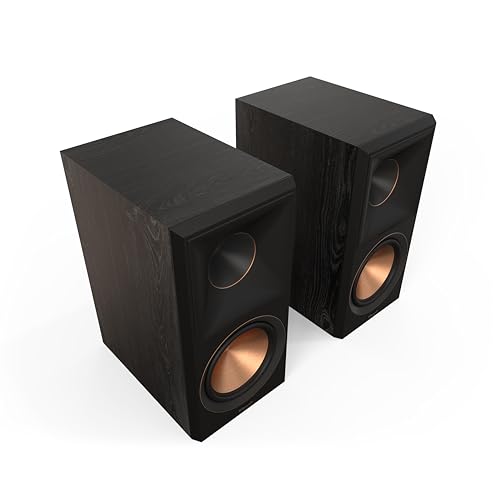
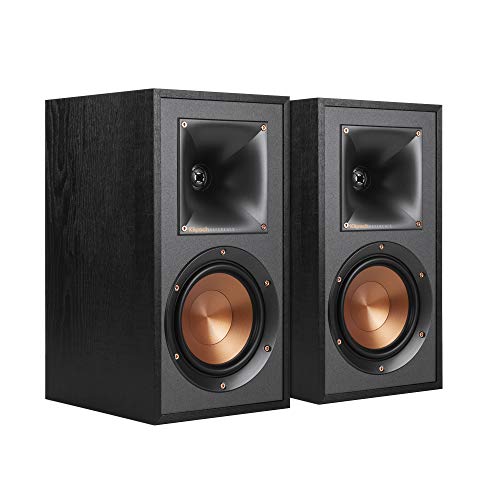
Bookshelf speakers fit desks and shelves and give clear mids and highs. They work best on stands, a few inches from the wall. Most buyers should start here, since they suit small and medium rooms and are easy to place.
Floorstanding Speakers
Towers have larger cabinets and drivers, so they play louder and reach deeper bass without a subwoofer. They need more room and more careful placement, and they usually cost more.
Powered Speakers
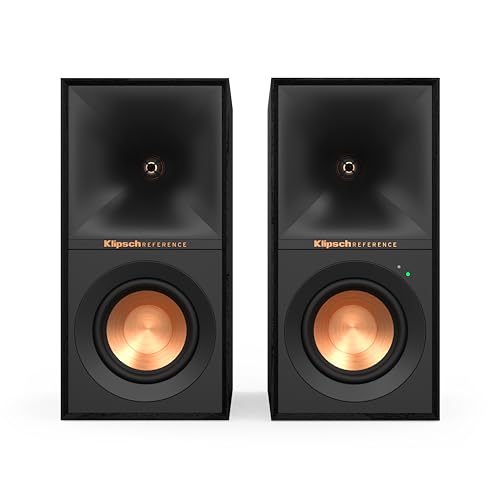
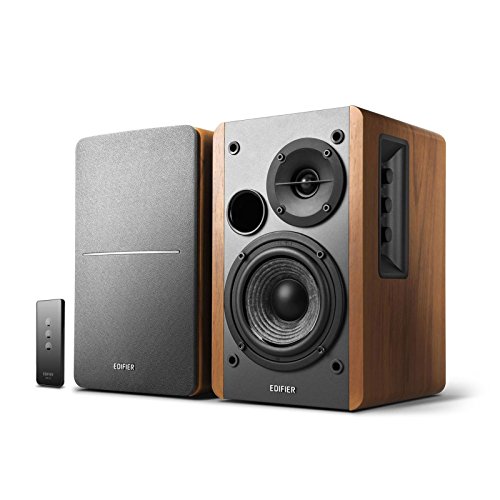
Powered pairs have built in amplifiers and often Bluetooth or USB. They are the simplest path to good sound from a computer, TV, or phone, and the better models offer quality close to passive speakers at the same price.
Matching Speakers to Your Room
Small rooms of about 100 to 150 square feet suit bookshelf or powered speakers, because large cabinets overload the space with bass. Medium rooms handle larger bookshelf models or slim towers. Large open rooms need more output, which favors floorstanding speakers or a bookshelf pair with a subwoofer. Hard floors and bare walls add echo, so a rug or curtains can help a bright sounding pair.
Think about your listening distance too. Near field listening at a desk, about three to four feet away, favors small speakers with smooth treble. From a sofa across the room, speakers with a wider dispersion and more output hold up better.
Matching Speakers With an Amplifier
For passive speakers, check two numbers: impedance and sensitivity. Most home speakers are rated at 4 or 8 ohms, and the amplifier must support that. Sensitivity tells you how loud a speaker plays for a given power. A speaker with higher sensitivity needs less power to sound lively, so it pairs well with a modest receiver. A low sensitivity tower needs a stronger amplifier, or it will sound thin at normal volume.
Powered speakers remove this guesswork, since the amplifier is matched to the drivers. For a first system, a good pair of powered bookshelf speakers with a USB or optical input is the easiest route to better sound from a computer or TV.
Placement and Room Basics
Place the speakers about as far apart as you sit from them, with the tweeters at ear height, and angle them slightly toward you. Keep them a few inches from the wall behind, and farther from corners, which add bass that blurs notes. Soft furniture, rugs, and curtains tame echo and make speakers sound clearer.
Move speakers in small steps and listen to a familiar song each time. A few inches can change bass and clarity more than a price upgrade would.
Listening Tests You Can Do at Home
When your speakers arrive, play a few kinds of music. A solo voice shows whether vocals sound natural, an acoustic guitar or piano shows tone and detail, and a track with steady bass shows whether low notes stay tight. Then play a film scene with dialogue and check that voices are clear at low volume. If anything sounds harsh or boomy, move the speakers a little before deciding.
Keep the packaging and receipt for the return window. A pair that sounds fine for ten minutes may tire you after an hour, and fatigue is a fair reason to return it.
Budget Guide
Around $100 to $250 buys good powered desktop or entry bookshelf speakers. Between $250 and $600 you reach well regarded passive bookshelf models and the first true towers. Above $600, gains come in finish, resolution, and deeper bass. Spend what suits your room and amplifier, and remember to budget for stands and cables.
Mistakes to Avoid
- Choosing by watt ratings instead of listening impressions and reviews.
- Placing speakers in a corner or on the floor without trying other spots.
- Pairing great speakers with a weak amplifier or a low quality source.
- Buying towers for a small room, where bass will overwhelm the space.
- Forgetting the cost of stands, cables, and an amplifier.
Frequently Asked Questions
What makes a speaker sound high quality?
A balanced response, low distortion at normal volume, and clear detail matter more than bass quantity. Listen with music you know well.
Do larger speakers always sound better?
Larger speakers often give fuller bass, but room size, placement, and driver quality matter more than size alone.
How important is speaker placement?
Very. Small moves away from walls and corners can improve bass and stereo image more than a higher price.
Can a good speaker fix a poor source?
No. Good speakers reveal the source, so compressed or noisy files may sound worse on revealing speakers.
Should I choose wired or wireless speakers?
Wired passive or powered speakers suit stable home setups, while wireless models suit flexible rooms. Both can sound excellent when well designed.
Do I need a subwoofer?
Not at first. Most good bookshelf speakers play enough bass for music in a small room. Add a subwoofer later if you watch many films or want more low end.
Final Thoughts
The best audio quality speakers for you balance tuning, room size, and budget. Start with a pair that suits your space, put it at ear height, feed it a good source, and adjust placement before you decide it needs replacing. Use the product table above to compare options, and for car installs see the best car audio speakers.


