
Best Audio Speakers 2026: A Complete Buying Guide
Disclosure: We may earn a commission when you buy through links on this page, at no extra cost to you. As an Amazon Associate I earn from qualifying purchases. Learn more
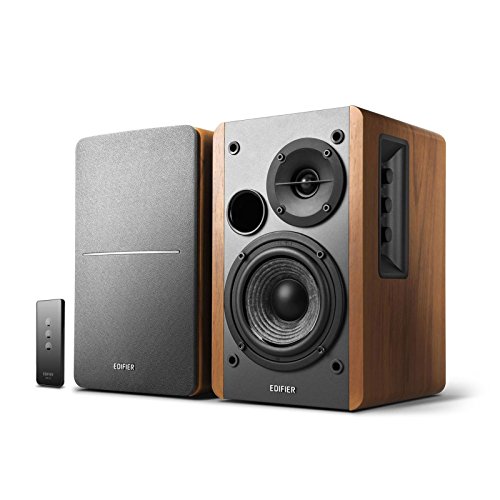
Choose audio speakers for your room, music taste, and budget, with clear guidance on size, placement, sound balance, system setup, and value.
The best audio speakers cover everything from compact bookshelf models to large floor standing systems, and the right choice depends on your room, your music, and how you listen. A speaker that shines in a small study may sound thin in a large living room, and vice versa.
The product table below brings the main options together, so you can compare size, power handling, and placement needs at a glance. This guide explains sound balance, room fit, and system basics in plain language.
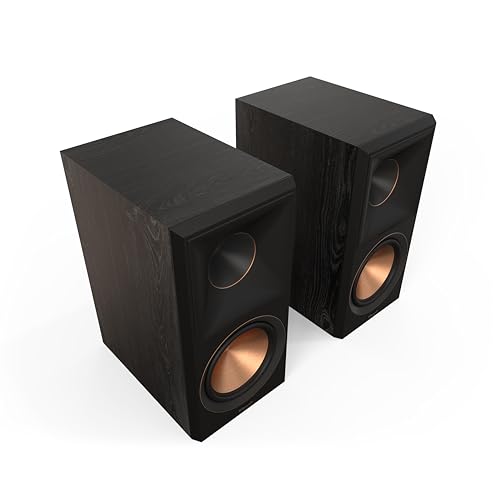


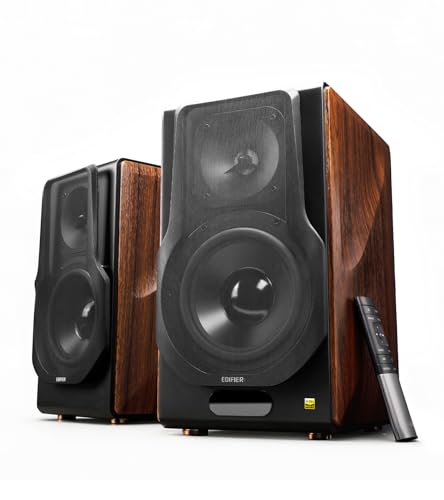


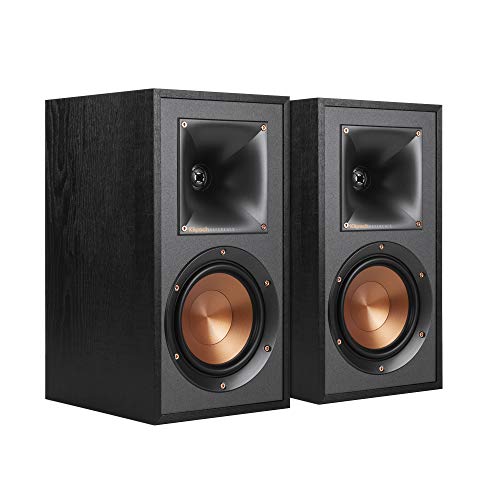
Listening habits matter. Background listening, focused music sessions, films, and gaming each reward different strengths, so start with how you will actually use the speakers most days.
Listen to your room before you shop. Hard floors, bare walls, and large windows reflect sound differently from carpeted, furnished rooms, and room character shapes speaker choice as much as any spec.
Sound Balance and Speaker Types
Bookshelf speakers suit small to medium rooms and desk setups, offering clear mids and highs with modest bass. Floor standing speakers suit larger rooms and fuller sound, with deeper bass and higher output, but they need space from walls to sound their best.
Sound balance describes how bass, mids, and highs relate. A neutral speaker suits varied music and long sessions, while a bass heavy speaker suits dance and film effects. Listen with familiar tracks when possible, since specs alone cannot convey tone.
Driver size and cabinet design shape bass and clarity. Larger woofers move more air for deeper bass, while well designed cabinets reduce resonance that muddies sound. Cabinet quality often matters more than driver size alone.
Room Fit and Placement
Measure your room and listening distance before ordering. Small rooms reward compact speakers and careful placement, while large rooms need more output and bass support. Speakers placed too close to corners often sound boomy, while speakers buried in shelves can sound muffled.
Place stereo speakers at roughly equal distances from your seat, with tweeters near ear height and a slight toe in toward the listening spot. Small moves of a few inches can change bass and imaging noticeably, so experiment after setup.
A guide to best car audio speakers covers vehicle systems, while best auto audio speakers focuses on factory upgrade paths. For portable use, best portable audio speakers covers battery models, and best polk audio speakers narrows the field to one popular brand. For turntable setups, best speakers for audio technica covers pairing with Audio Technica gear.
Consider a subwoofer if you want deeper bass for films or bass heavy music, but integrate it carefully. A poorly set subwoofer can overwhelm mids, while a well tuned one adds depth without drawing attention to itself.
Amplification, Sources, and Connections
Passive speakers need an amplifier or receiver, while powered speakers include amplification built in. Powered speakers simplify desk and small room setups, while passive speakers offer more upgrade flexibility for larger systems.
Check connections for your sources, including turntables, TVs, computers, and streaming devices. Analog inputs, optical inputs, Bluetooth, and WiFi streaming each suit different habits, and a missing input can force awkward adapters later.
Match amplifier power to speaker sensitivity and room size rather than chasing maximum wattage. Efficient speakers need less power for the same volume, and a clean, well matched amplifier sounds better than an oversized one driven poorly.
Budget, Value, and Mistakes to Avoid
Prices for quality audio speakers range from about $100 for compact pairs to $500 or more for larger systems. Midrange bookshelf speakers often deliver excellent value for music and films in typical rooms.
A common mistake is buying large speakers for a small room and then fighting boomy bass. Another is ignoring placement and blaming the speakers for room problems. Start with room fit, then choose size and power to match.
Listen before you commit when possible, using tracks you know well across genres. If you cannot listen in person, read setup guidance and return policies carefully, and test speakers in your own room during the return window.
A Final Check Before You Order
Test speakers with music you know intimately, including vocals, acoustic instruments, and bass heavy tracks. Familiar material reveals tone problems faster than demo tracks chosen to flatter a product.
Move speakers a few inches at a time during setup, since small placement changes alter bass and imaging noticeably. Keep notes on positions that sound best, so you can return to them after cleaning or rearranging.
Check amplifier and source compatibility before ordering passive speakers. Impedance, sensitivity, and power handling should suit your amplifier, and a mismatch can cause weak sound or strain on the amplifier.
Consider room treatment lightly if echoes bother you. Rugs, curtains, and bookshelves soften reflections cheaply, often improving sound more than a speaker upgrade. Treat the room before blaming the speakers.
Protect speakers from direct sunlight, radiators, and damp corners, which age drivers and cabinets. Stable, dry placement preserves sound quality and appearance for years.
If you share walls with neighbors, test bass levels at realistic evening volumes. Bass travels through structures easily, and a subwoofer that sounds thrilling alone can disturb others. Moderate levels and careful placement help everyone.
Consider listening volume habits across household members, since a system tuned for loud solo sessions may overwhelm shared spaces. A speaker with good low volume clarity serves families better than a speaker that only shines at high volume. Test at quiet evening levels as well as lively daytime levels.
Review speaker finishes and grille options against your room style and pets. Cloth grilles protect drivers from curious pets and children, while exposed drivers look striking but risk dents. Finish durability matters when speakers sit within reach of daily activity.
Think about future expansion, including surround sound, multiroom audio, or a subwoofer addition. A stereo pair that integrates with a wider system saves replacement costs later, while a closed system may force a full rebuild when needs grow.
Finally, consider how speakers interact with the rest of your home audio, including televisions, turntables, and streaming devices that may share the same room. A speaker pair that connects easily to several sources, switches inputs smoothly, and maintains consistent volume across sources simplifies daily listening enormously. Test input switching with your actual devices, not only with a single source, since awkward switching discourages use of otherwise excellent speakers. Also check remote control options, since reaching behind speakers to adjust volume grows tiresome quickly. A system that fits naturally into your daily routines, across music, films, and television, delivers value every day, while a system that fights your habits gathers dust regardless of sound quality.
Frequently Asked Questions
Should I choose bookshelf or floor standing speakers?
Bookshelf speakers suit small to medium rooms, desks, and listeners who may add a subwoofer later. Floor standing speakers suit larger rooms and listeners who want full bass without a subwoofer. Room size and listening distance should decide, not speaker size alone.
Do I need a subwoofer with bookshelf speakers?
Not always, since many bookshelf speakers cover music well on their own. A subwoofer helps with films, bass heavy music, and large rooms, but it needs careful placement and volume tuning. Add one later if bass feels thin in your room.
What does speaker sensitivity mean?
Sensitivity shows how loud a speaker plays with a given amplifier power. Higher sensitivity means more volume from less power, which suits smaller amplifiers and larger rooms. It is a useful comparison tool, but tone and room fit still matter more.
Can I mix speaker brands in one system?
Yes, for stereo listening the pair should match, but surround systems can mix brands if tone stays consistent across front speakers. Mismatched front speakers can make dialogue and music sound uneven, so keep the front three as close in tone as possible.
How should I break in new speakers?
Play music at moderate volume for several hours and let the drivers settle, but do not expect dramatic changes. Most perceived improvement comes from placement tweaks and getting used to the sound. Focus on positioning and room setup rather than long break in rituals.
Do speaker cables affect sound quality?
Decent, well made cables of adequate thickness suit most home systems, while exotic cables rarely produce audible gains. Spend on proper gauge for long runs and solid connections, then invest remaining budget in speakers and room setup where differences are real.
Should I buy active or passive speakers?
Active speakers suit desk setups and small rooms, since built in amplification simplifies connections and matching. Passive speakers suit larger systems and upgraders, since separate amplifiers allow component swaps over time. Choose active for simplicity and passive for long term flexibility.
Final Thoughts
The best audio speakers should match your room, your listening habits, and your sources. Sound balance and placement matter more than headline power or driver size.
Use the product table above to compare types and sizes, then test finalists in your own room when possible. The right speakers make everyday listening more enjoyable for years.
Live with new speakers for a week across varied music and volumes before final judgment. Ears adapt, placement settles, and true strengths and flaws emerge with time.


