Best Binoculars with Camera and Night Vision: A 2026 Checklist for Night Viewing and Recording
Disclosure: We may earn a commission when you buy through links on this page, at no extra cost to you. As an Amazon Associate I earn from qualifying purchases. Learn more

Compare binoculars with a camera and night vision by infrared reach, sensor quality, magnification and battery life, with a clear checklist for choosing.
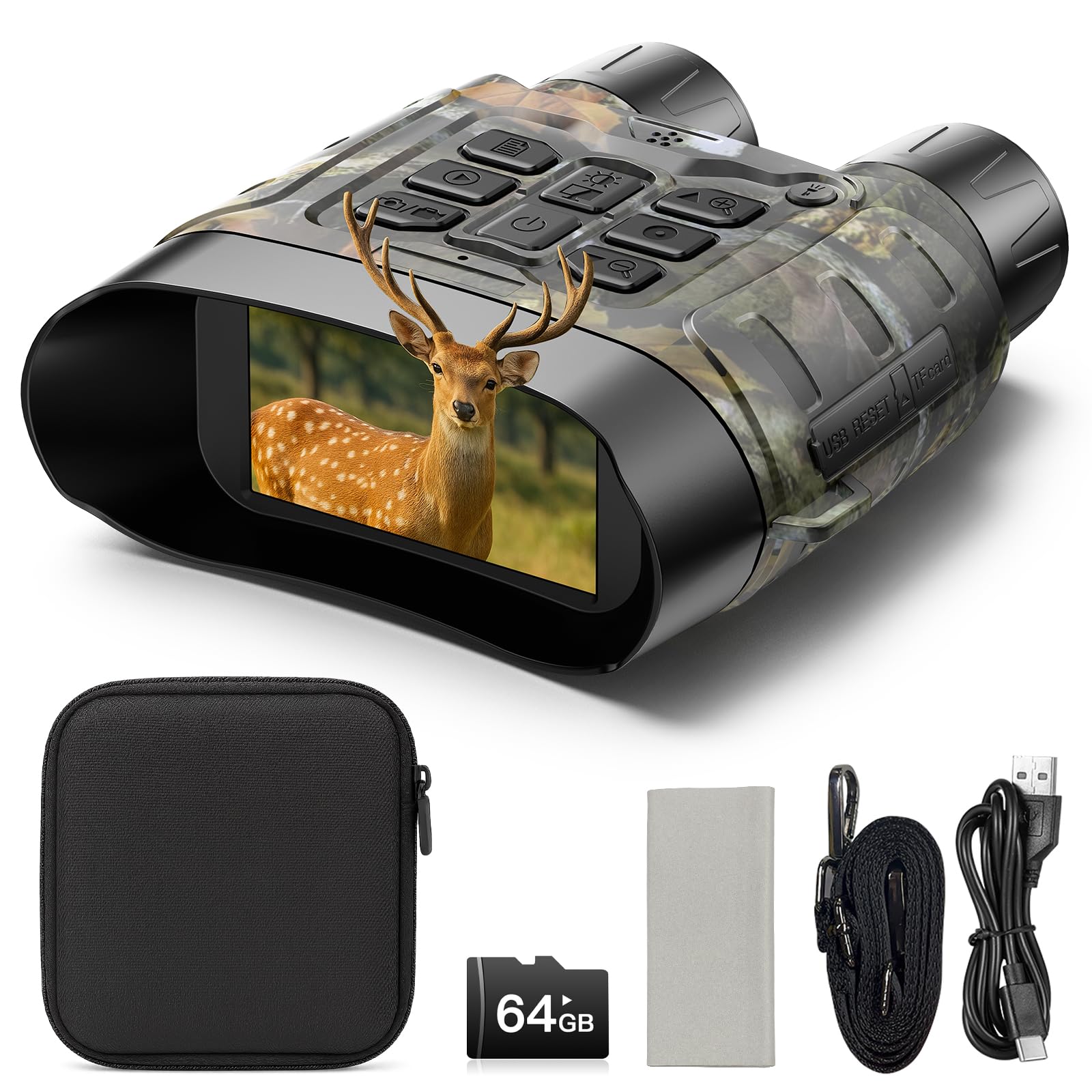
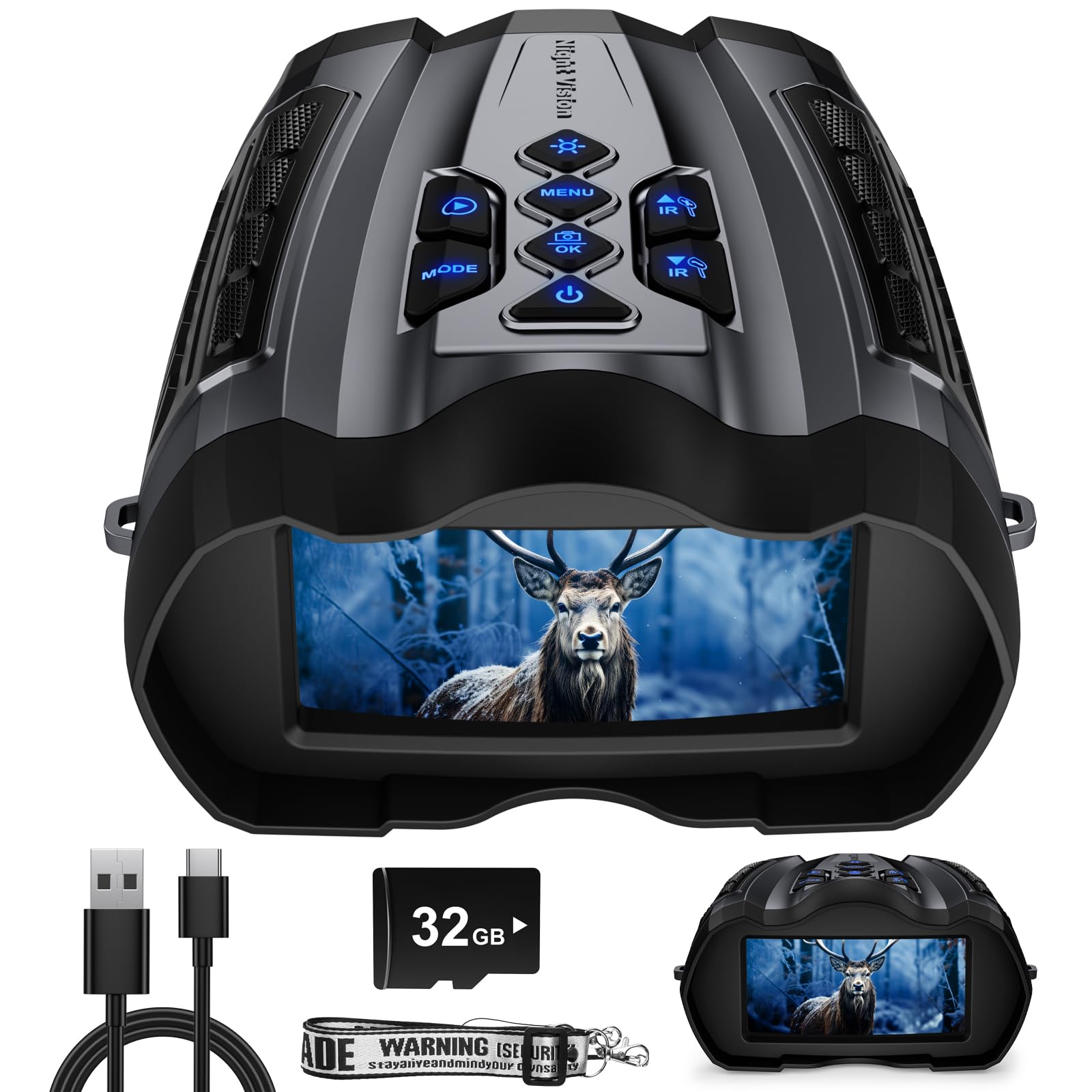
A binocular that records is only useful if the night view stays clear when light fades. The best binoculars with camera and night vision pair honest magnification with a sensor and infrared light that hold detail after dark. This guide scores each type against one checklist, so you can read the comparison table below and know which numbers deserve your money.
Start with your main job at night. Wildlife, land checks and water scanning each stress a different part of the design. The sections below match those jobs to sensor size, optical zoom, battery life and build.





Who Should Buy Camera Binoculars for Night Use?
Buy this hybrid tool when you need to see, confirm and save the same moment.
Wildlife Watchers Who Want Proof of a Sighting
You watch animals at dawn, dusk and after dark, when a phone screen is too dim and shaky. Choose strong infrared reach and quiet controls you can press without looking down. A photo or short clip lets you confirm a species later, without shining a bright light at the animal.
Landowners and Campers Checking Dark Ground
You scan a fence line, a trail or a campsite edge and record what moved. Choose steady magnification, a wide field of view and a screen you can review on the spot. If your real need is a fixed view of one gate or yard, see our guide to the best night vision surveillance cameras for mounted options that watch while you sleep.
Boaters and Coast Watchers Scanning Open Water
You look across water with little ambient light and few reference points. Choose strong weather sealing, a secure grip with damp hands and moderate magnification that does not shake with the boat. Recording helps you log a marker or shoreline feature, but safe navigation still depends on proper marine lights and charts.
Key Features to Compare
Score each pair in the same order: night system, sensor, optics, steadiness, power and build.
Night Vision Type and Infrared Reach
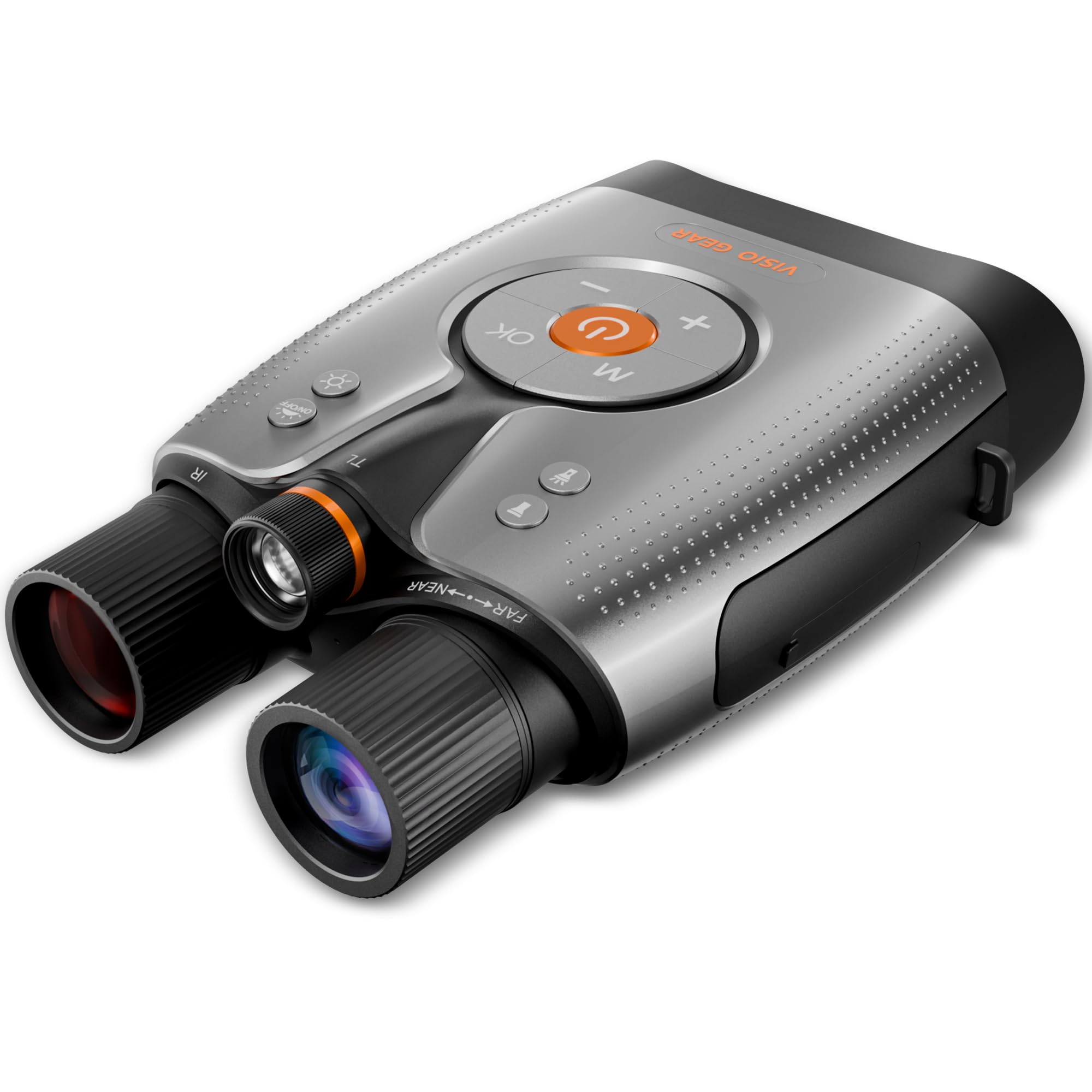
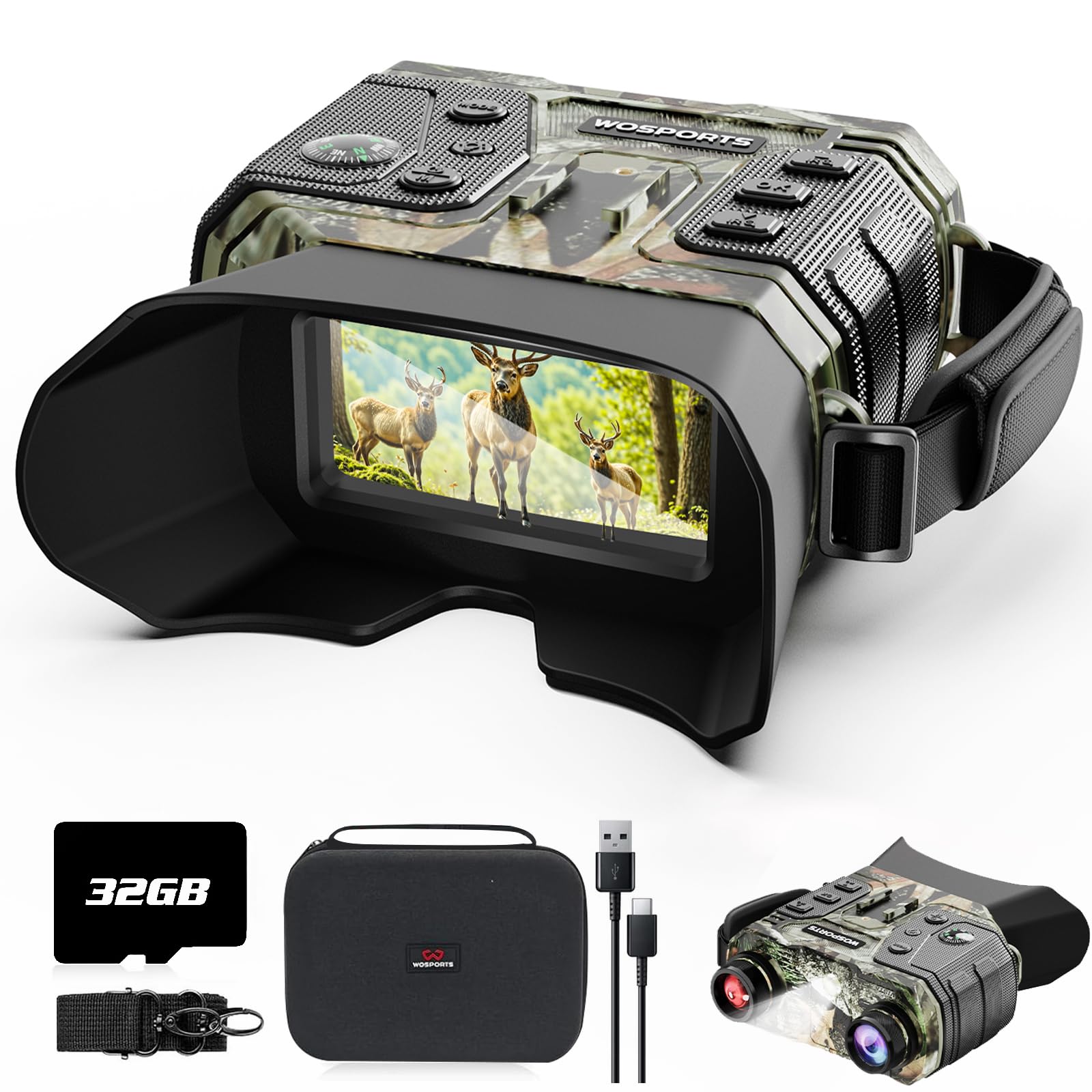
Most recording models use digital night vision, where a sensor reads infrared light and shows the scene on a small screen. An onboard infrared illuminator acts like an invisible torch, and its reach sets how far you can identify a subject, often about 100 to 300 yards in full darkness. Look for several brightness levels, because a stronger illuminator drains the battery faster. If pure viewing quality matters most, see our guide to the best rated night vision binoculars before paying extra for recording parts.
How the Image Sensor Shapes Night Photos and Video
Sensor size shapes night image quality more than a large megapixel count does. A larger sensor gathers more light per pixel, so shadow detail holds up with less grain when infrared light does most of the work. A claim of 4K video is worth little if the maker will not state the sensor resolution, because some models enlarge a smaller image in software without adding detail.
Magnification, Objective Lens and Optical Zoom
The two numbers on a binocular, such as 8x42 or 10x42, state magnification first and objective lens size in millimeters second. A bigger objective lens gathers more light, while higher magnification narrows your field of view and magnifies hand shake. Optical zoom changes the image through glass and keeps detail, while digital zoom crops the image and loses detail fast. Moderate magnification with a 42 mm class lens is the balanced choice, where best binoculars with camera and night vision shoppers should spend first.
Image Stabilization and Focus Control
Image stabilization steadies the small movements of your hands, and it matters more as magnification rises or as you record video. Some models steady the image in software. Focus matters just as much, because autofocus can hunt when contrast is low and only infrared lights the scene. A large manual focus wheel you can turn slowly, even with gloves on, gives you control when automatic systems give up.
Battery Life and Memory Storage
Night use is hard on power, because the sensor, the screen and the infrared illuminator all draw at once. Look for a run time at a mid level infrared setting, not only a best case figure with the illuminator off. Removable rechargeable cells or a USB charging port make long trips simpler. Video fills storage quickly, so check which memory card sizes the pair accepts and carry a spare card.
Build, Weather Sealing and Weight
A fogproof body, sealed against moisture, keeps the optics clear inside when you move from a warm vehicle into cold night air. Rubber armor helps with grip and with small knocks. Weight decides how long you can hold the pair steady, and recording models often weigh more than plain binoculars. For long hikes, a lighter pair with less infrared reach may serve you better.
Recording Models and Viewing Only Models Compared
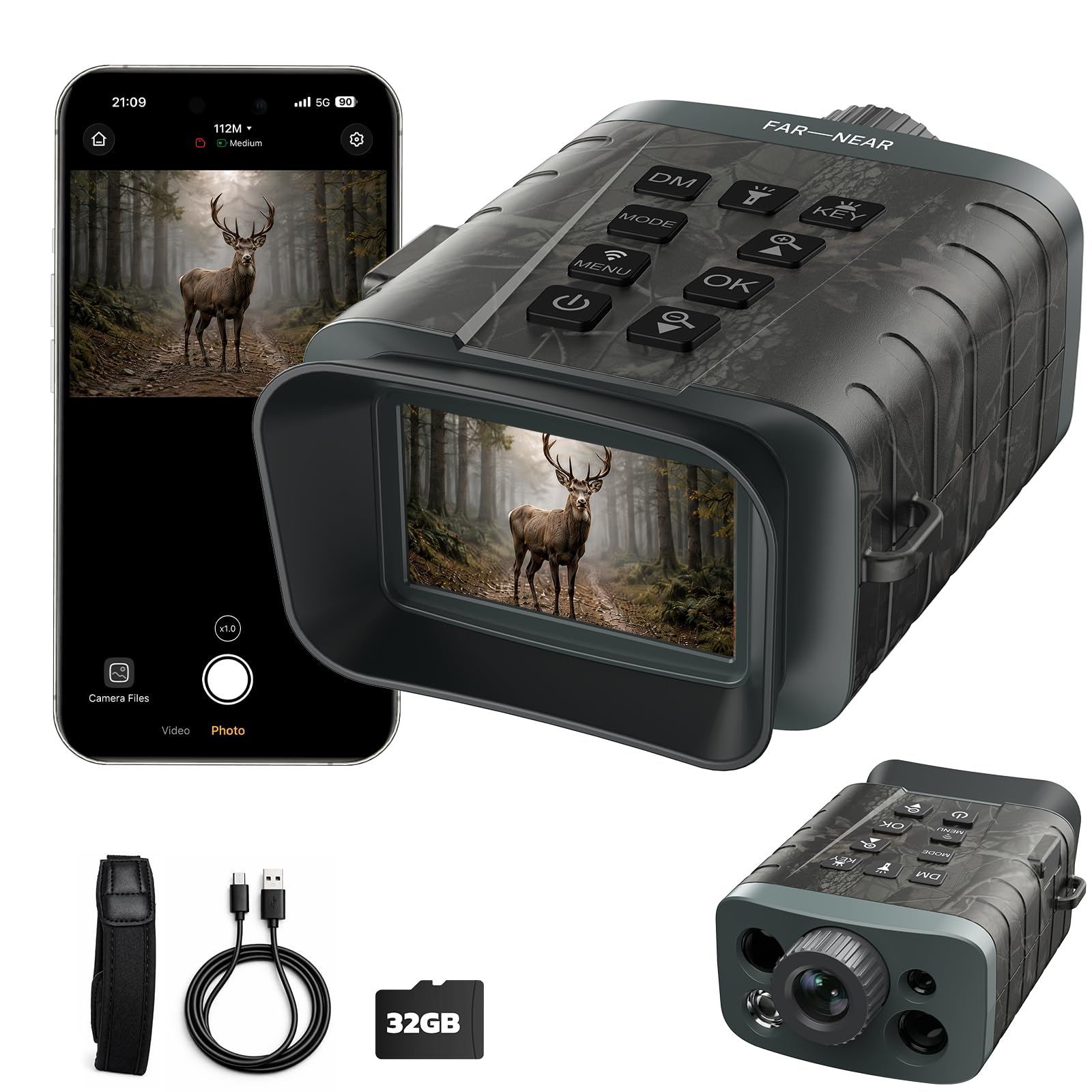
Digital recording models show the scene on a screen, save photos and video to a card and let you review footage at once. That suits you when evidence or identification matters. The trade offs are a less natural view than glass alone and a screen glow you may need to dim near wildlife.
Viewing only models skip the card and menus, weigh less and show an image right away. If you never save footage, that simplicity is worth real money. Readers who want a camera watching one fixed place can see our guide to the best night vision cameras for that different job.
Checks to Run Before You Buy a Recording Night Pair
Run through these questions before you order. Each no answer points to a gap to solve with another model.
- Is the infrared reach stated in yards, at a named brightness level?
- Is the video resolution native to the sensor, rather than enlarged in software?
- Does the magnification suit your distance without hand shake?
- Can you focus by hand when autofocus struggles in dark scenes?
- Does the battery last a full outing at your infrared level?
- Is the body sealed against fog and light rain for your climate?
- Can you hold the weight steady for several minutes?
Price should follow those answers. Entry level pairs often cost about $100 to $250, while stronger sensors and sealing cost more. If your budget is tight, see our guide to the best budget night vision binoculars and protect the basics first: honest reach, light gathering glass and a swappable battery.
Common Mistakes to Avoid
Most regrets here come from trusting headline numbers instead of the checklist above.
- Believing a large digital zoom figure means distant detail, when cropping only enlarges a soft image.
- Judging night quality from daytime sample photos, which hides the grain and short reach of full darkness.
- Choosing the highest magnification for handheld use, which makes shake ruin watching and recording.
- Ignoring screen brightness controls, so the display ruins your night adaptation each time you lower the pair.
- Buying a pair with no stated weather sealing for rain use, which risks fogged optics on the first damp trip.
- Forgetting that local rules can limit night devices for hunting, so you must check your state rules before a season starts.
Care and Maintenance for Camera Binoculars
Clean the objective lenses and the infrared window with a soft lens cloth, never with a shirt, which can drag grit across the coating. Blow loose dust away first, because one grain under a cloth can scratch a coating and scatter light at night. Store the pair capped, in a dry padded bag.
Charge or remove the batteries before long storage, and keep a spare card with the bag. Wipe the body after salt air or rain, then let it dry open in shade. Check the strap lugs before each trip, because a dropped pair can lose alignment and show a doubled image.
FAQ
How much should you spend on your first camera binoculars for night viewing?
Most first time buyers should plan on about $150 to $300 for camera binoculars for night viewing. Below that range, infrared reach and sensor quality fall off sharply, while spending more mainly buys a larger sensor and better sealing. Put the money toward those two parts before paying for extra digital zoom modes or accessories you will leave at home.
What does 8x42 or 10x42 mean on binoculars with night vision?
On binoculars with night vision, 8x42 means the view appears eight times closer and the front lenses measure 42 millimeters across. The 10x42 option brings subjects closer but shows a narrower slice of the scene. Watch a sign at your usual distance for one minute as a test. If the image drifts as your arms tire, the lower magnification gives more usable footage.
Can a smartphone replace binoculars with a camera for night viewing?
A smartphone cannot fully replace binoculars with a camera for night viewing. A phone lacks real magnification through glass, so distant animals stay tiny even when a night mode brightens the frame. Phones also light up your face, which can alert wildlife. A phone still wins for quick sharing, so record through the binoculars first and transfer a clip later.
How far can infrared binoculars see on a fully dark night?
Infrared binoculars can usually detect a large subject at about 200 to 300 yards on a fully dark night, but clear identification happens much closer. Moonlight, fog and brush shorten that distance, and eyeshine can appear long before you can name the species. Treat any reach figure as a detection claim unless the maker states an identification distance.
Do camera binoculars record sound along with video at night?
Some camera binoculars record sound with video, and many do not, so check for a built in microphone before you rely on one. Wind across an exposed microphone can drown out animal calls. If sound matters for your records, note the time and describe what you heard in a field notebook, because written notes stay clear when a recording is mostly wind.
Wrapping Up
Judge this purchase by the night system, the sensor and the optics, in that order. Match magnification to your distance, confirm the battery and sealing fit your outings, and use the product table above to compare those points before price tempts you toward minor extras.
Chosen with that checklist, the best binoculars with camera and night vision will show you more after dark and save the moments that matter. Start with honest reach and a steady image.