
Best Auto Audio Speakers: Car Sound Guide 2026
Disclosure: We may earn a commission when you buy through links on this page, at no extra cost to you. As an Amazon Associate I earn from qualifying purchases. Learn more

Learn how to choose auto audio speakers for your car, from size and fit to power, sound balance, and installation without any guesswork. Choose with confidence.
Choosing the best auto audio speakers means matching size, power handling and speaker type to your car and your stereo. Factory speakers are usually built to a price, so a good replacement pair can make music clearer and podcasts easier to follow. This guide covers fitment, sensitivity, speaker types and installation so you can choose with confidence.
The product table below lists current pairs, and the sections that follow explain how to judge them.


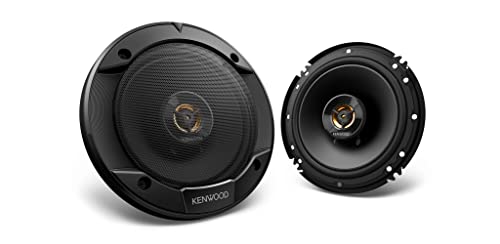
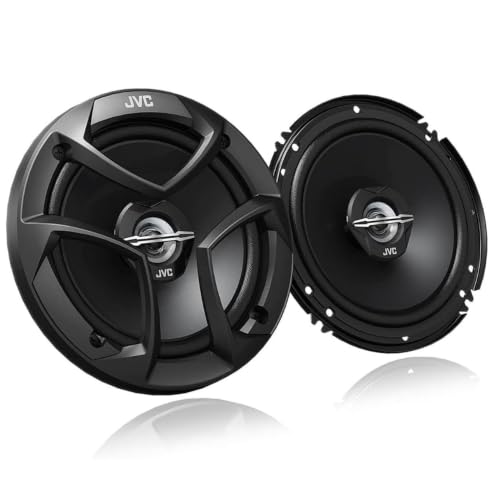


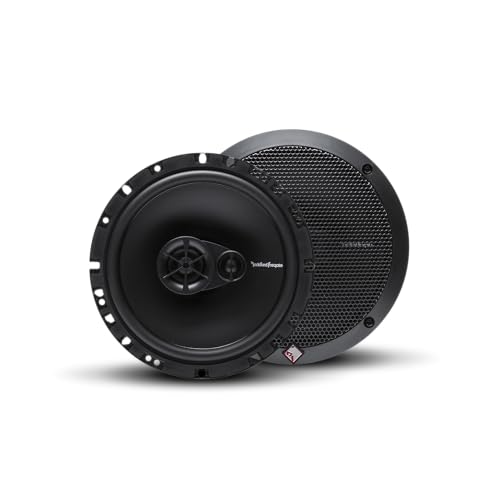
Who Should Use This Guide
Drivers who want clearer music, better podcasts, and less distortion on long journeys shop for car speakers, but every car has different sizes and mounting depths. Your car model, your current stereo, and your listening taste matter more than any single speaker claim. Check your car fitment before you fall in love with a speaker size or brand.
Key Features Explained
Size and Fitment for Your Car
Car speakers come in standard sizes, but mounting depth, shape, and connector type vary by car. Check a fitment guide for your exact car model and year, and measure mounting depth if you can. A speaker that does not fit cleanly may need adapters or trimming, which adds cost and can affect sound if done poorly.
Power Handling and Your Stereo
Power handling should match your stereo or amplifier: too little power causes distortion at volume, while far more power than needed wastes money. Factory stereos suit efficient speakers that sound good on modest power, while amplified systems can drive more demanding speakers. Match sensitivity and power together, not power alone.
Sound Balance for Music and Speech
A good car speaker balances bass, midrange, and treble so vocals stay clear and music sounds natural at normal volumes. Component speakers with separate tweeters often image better, while coaxial speakers are simpler to install. Listen to familiar tracks at your usual volume, because a speaker that impresses loudly may sound harsh quietly.
Sensitivity and Efficiency
Sensitivity tells you how loud a speaker plays from a given amount of power, and it matters most with factory stereos. Higher sensitivity speakers sound louder and cleaner on modest power, which suits most cars without an amplifier. If you plan to add an amplifier later, sensitivity matters less, but it still helps overall efficiency.
Installation and Professional Help
Some cars allow simple speaker swaps with basic tools, while others need door panel removal, wiring adapters, or amplifier integration. Honest self assessment matters: a poor installation can cause rattles, water leaks, or electrical issues. Professional installation costs money but protects your car and often includes a warranty on the work.
Types Compared
Coaxial speakers combine woofer and tweeter in one unit and suit simple upgrades, while component speakers separate them for better sound staging and suit keen listeners. Subwoofers add deep bass that door speakers cannot reproduce, but they need space and power. Choose the type that matches your listening goals and your willingness to modify the car.
Common Mistakes to Avoid
Buying the wrong size, ignoring mounting depth, mismatching power, and skipping sound deadening where doors rattle are common errors. Another mistake is replacing only front speakers and expecting a balanced system, or adding a subwoofer without tuning it. Plan the whole system, even if you upgrade in stages, so each step builds toward balanced sound.
Setup and Everyday Care
Keep volume at levels that do not distort, because distortion damages speakers faster than clean power. Check door seals and speaker mounts if rattles appear, and keep speakers dry by fixing window and door leaks promptly. If a speaker crackles or cuts out, check wiring and connectors before assuming the speaker itself has failed.
For related choices, see our guides to best auto speakers, best audio quality speakers, and best car audio speakers, which use the same buying framework and help you compare neighboring options without starting your research again.
For related choices, see our guides to best portable audio speakers and best polk audio speakers, which use the same buying framework and help you compare neighboring options without starting your research again.
Budget Tiers in Plain Terms
Budget speakers improve on worn factory speakers noticeably and suit casual listeners and podcast fans. Midrange speakers add clearer vocals, better bass control, and stronger build for music lovers who listen daily. Premium component systems add imaging and detail for keen listeners willing to invest in installation and tuning. Match the tier to how much you notice sound quality on your daily drive.
Frequently Asked Questions
Will new speakers improve sound without an amplifier?
Yes, efficient speakers designed for factory stereos can improve clarity and reduce distortion noticeably without an amplifier. The gain depends on your current speakers and stereo: worn factory speakers benefit most. If you want much louder, cleaner sound at high volume, an amplifier becomes more important.
Do I need component or coaxial speakers?
Coaxial speakers suit simple upgrades, lower cost, and easier installation, while component speakers suit listeners who want better imaging and are willing to mount separate tweeters. If you mainly listen to podcasts and casual music, coaxial speakers are usually enough. If music quality is a priority, components reward the extra effort.
How do I know which speaker size fits my car?
Use a fitment guide for your exact car model and year, and check both diameter and mounting depth. Some cars accept several sizes with adapters, while others are strict. If you are unsure, ask a car audio retailer to confirm fitment before ordering, because returns for wrong sizes waste time and money.
Should I add a subwoofer as well?
A subwoofer adds deep bass that door speakers cannot reproduce, which suits bass heavy music and cinematic sound. It needs space, power, and tuning to blend with door speakers rather than overpowering them. If you mainly listen to speech or acoustic music, good door speakers alone may satisfy you.
Can I install car speakers myself?
Many cars allow DIY installation with basic tools and a fitment guide, but some need door panel removal and wiring work that is easy to get wrong. Assess your confidence honestly, watch a model specific guide first, and consider professional help for complex cars or amplified systems. A clean installation protects sound quality and your car.
Final Thoughts
Choosing well is mostly about matching the product to your real life, not about finding a perfect option. Use the product table to compare current pairs, and trust a choice that fits your car, your stereo and your budget. If you keep that focus, best auto audio speakers will serve you well for a long time, and you will know exactly why you chose it.


