
Best Agitator Washer in 2026: Which Type Is Right for You?
Disclosure: We may earn a commission when you buy through links on this page, at no extra cost to you. As an Amazon Associate I earn from qualifying purchases. Learn more

The best agitator washer guide: agitator, impeller and front load washers compared side by side.
Agitator washers are the classic top load design: a tall post in the center of the drum twists back and forth to scrub clothes clean. Many families still prefer them for muddy sports uniforms, work clothes and towels, and for short cycles that get laundry done fast. But newer impeller top loaders and front load washers promise better efficiency and gentler cleaning, which makes the choice less obvious than it used to be. This guide to the best agitator washer options compares each washer type side by side, with pros, cons, ideal users and price ranges.
We compare agitator top loaders with impeller top loaders and front loaders, explain how to choose, share tips to make your washer last and answer common questions. Every washer in the table above is sold new on Amazon US. Have a qualified installer handle electrical and water connections when needed, remove shipping bolts before first use and keep children away from open washers.



Types of Washers Compared
The three main washer types are agitator top loaders for fast, powerful cleaning, impeller top loaders for larger capacity and gentler care and front loaders for the best efficiency. Here is how each works.
Price ranges overlap more than many shoppers expect. Full size agitator washers listed above run from around $599 to $900, front loaders from around $849 to $1,049 and portable washers from around $259 to $269. The best agitator washer for your home depends less on price than on how dirty your laundry gets and how much space you have.
Agitator Top Load Washers
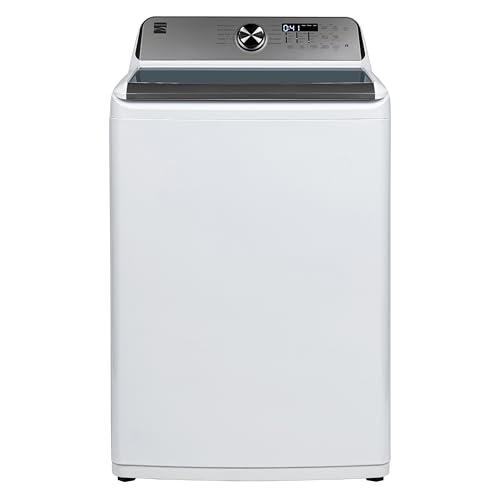
Agitator washers use a central post with fins or a spiral auger that moves clothes through the water. They clean heavily soiled loads well, run shorter cycles and let you add clothes mid cycle. The Kenmore 4.4 cubic foot Top Load Washer with Triple Action Agitator, at around $900, lists spraying, scrubbing and rubbing actions, Express Wash for small loads in 28 minutes, Accela Wash for full loads up to 51% faster, 10 cycles, 4 temperature options and Cold Clean, according to Kenmore.
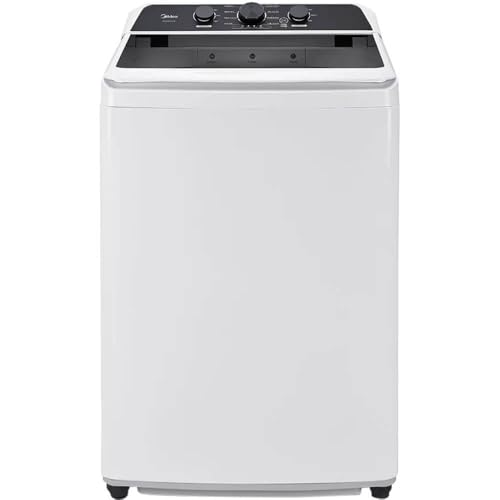
The BLACK+DECKER 4.1 cubic foot agitator washer, at around $749, lists a stainless steel tub, 10 cycles and a 24 hour delay start. The Midea MLTW41A1BWW, at around $599, offers a 4.1 cubic foot stainless tub, auto sensing, a tub clean cycle and 8 presets. Agitators suit families with dirty laundry and people who want quick cycles.
Pros: strong scrubbing for tough stains, short cycles, easy loading without bending and the ability to toss in a forgotten sock mid cycle. Cons: the center post takes up drum space, which limits bulky items, and aggressive action can be harder on delicate fabrics. Best for families with kids in sports, people with physical jobs and anyone who values speed over maximum efficiency.
Some agitators are removable or come in two parts, which helps when cleaning or repairing them later.
Impeller Top Load Washers
Impeller washers replace the center post with a low profile disc or cone at the bottom of the drum that creates currents to move clothes. Without the post, they hold bulky items like comforters more easily and treat clothes more gently. They are typically high efficiency models that use less water than traditional agitators.
The trade offs are longer cycles and sometimes less scrubbing power on very dirty loads, and clothes can tangle in large loads. Impeller models suit families who wash bedding often and want efficiency with top load convenience.
Pros: more usable drum space, gentler cleaning and lower water use. Cons: longer cycles, possible tangling and less scrubbing on heavily soiled items. Best for households that wash comforters, pillows and large loads of everyday clothes.
Front Load Washers
Front loaders tumble clothes through a small amount of water, which makes them the most efficient type for water and energy. They spin faster, which removes more water and shortens drying time. The Samsung WF45T6000AV, at around $1,049, lists 4.5 cubic feet, 10 wash cycles, 6 options, Vibration Reduction Technology+ and ENERGY STAR certification. The BLACK+DECKER 4.5 cubic foot front loader and GE Profile 4.8 cubic foot smart front loader are other options.
The trade offs are longer cycles, bending to load and the need to keep door gaskets clean to prevent odors.
Pros: the lowest water and energy use, fast spin speeds that cut drying time and the ability to stack with a dryer in tight spaces. Cons: higher upfront cost, longer cycles, bending or pedestals for loading and regular gasket cleaning. Best for efficiency minded households, small laundry closets and people who wash lots of delicates.
Agitator vs Impeller Washers: Which Should You Choose?
Choose an agitator washer if you wash heavily soiled clothes, want short cycles and prefer a traditional top load feel, and choose an impeller washer if you wash bulky bedding and want gentler, more efficient cleaning. Agitators scrub harder and finish faster, which suits work clothes, sports uniforms and kids' play clothes. Kenmore's Triple Action Agitator combines spraying, scrubbing and rubbing.
Impellers free up drum space for comforters and use less water, but cycles often run longer. If you mostly wash everyday clothes and bedding, an impeller or front loader may suit you better. If tough stains and speed matter most, the best agitator washer is hard to beat.
Consider who does the laundry, too. Top loaders of either type are easier on backs and knees than front loaders without pedestals, which matters for older adults and anyone with mobility limits. If you want a top loader but cannot decide, think about your heaviest weekly load: grass stained uniforms point to an agitator, while king size comforters point to an impeller.
How to Choose the Best Agitator Washer
Efficiency, cycles, smart features, type and capacity matter most. Here is what to look for.
Start by listing your typical loads for a week. If most are heavily soiled work or sports clothes, prioritize a strong agitator and a heavy duty cycle. If you wash bedding often, look at capacity and drum space. If utility bills matter most, compare ENERGY STAR models and cold wash options.
Efficiency and ENERGY STAR
ENERGY STAR certified washers use less water and energy than standard models. High efficiency agitator washers use less water than older traditional models and need HE detergent. Cold wash cycles, like Kenmore's Cold Clean, which Kenmore says uses up to 90% less energy than its normal cycle, save on water heating.
Using cold water for most loads is one of the easiest ways to cut energy costs, since heating water accounts for much of a washer's energy use. Modern detergents are formulated to work well in cold water.
Wash Cycles You'll Actually Use
Most people use a few cycles: normal, heavy duty, delicates, quick wash and bulky. Kenmore and BLACK+DECKER list 10 cycles, while Midea lists 8 presets. Quick cycles, like Kenmore's 28 minute Express Wash, help busy households. Extra rinse helps people with sensitive skin.
A deep water or high water option, like the one Midea lists, helps with heavily soiled loads in high efficiency agitator washers that otherwise use low water levels. Kenmore's 4 temperature options and extra rinse give you control over fabric care and detergent removal.
Smart Features
Smart washers send cycle alerts to your phone and allow remote start, which some families find handy. Delay start, like BLACK+DECKER's 24 hour delay, lets you run loads during off peak hours. Auto sensing, like Midea's, adjusts water levels to the load size.
Smart features are nice extras but not essential. If you mostly start the washer and walk away, a simple model with clear controls and an end of cycle chime may suit you better and cost less. Kenmore's LED display shows time remaining and cycle status without an app.
Type (Front Load, Top Load With Agitator, Impeller, Compact, Combo)
Agitator top loaders suit tough stains and fast cycles, impeller top loaders suit bulky items, front loaders suit efficiency, compact and portable washers suit apartments and washer dryer combos suit small spaces without dryer venting. Portable washers like the Giantex 1.34 cubic foot and COMFEE' 0.9 cubic foot models suit dorms and RVs.
Portable washers connect to a sink faucet and drain into a sink or tub, which suits renters who cannot install a full size washer. Giantex lists 10 programs and a drain pump on its 1.34 cubic foot model, while COMFEE' lists an LED display on its 0.9 cubic foot washer.
Capacity and Size
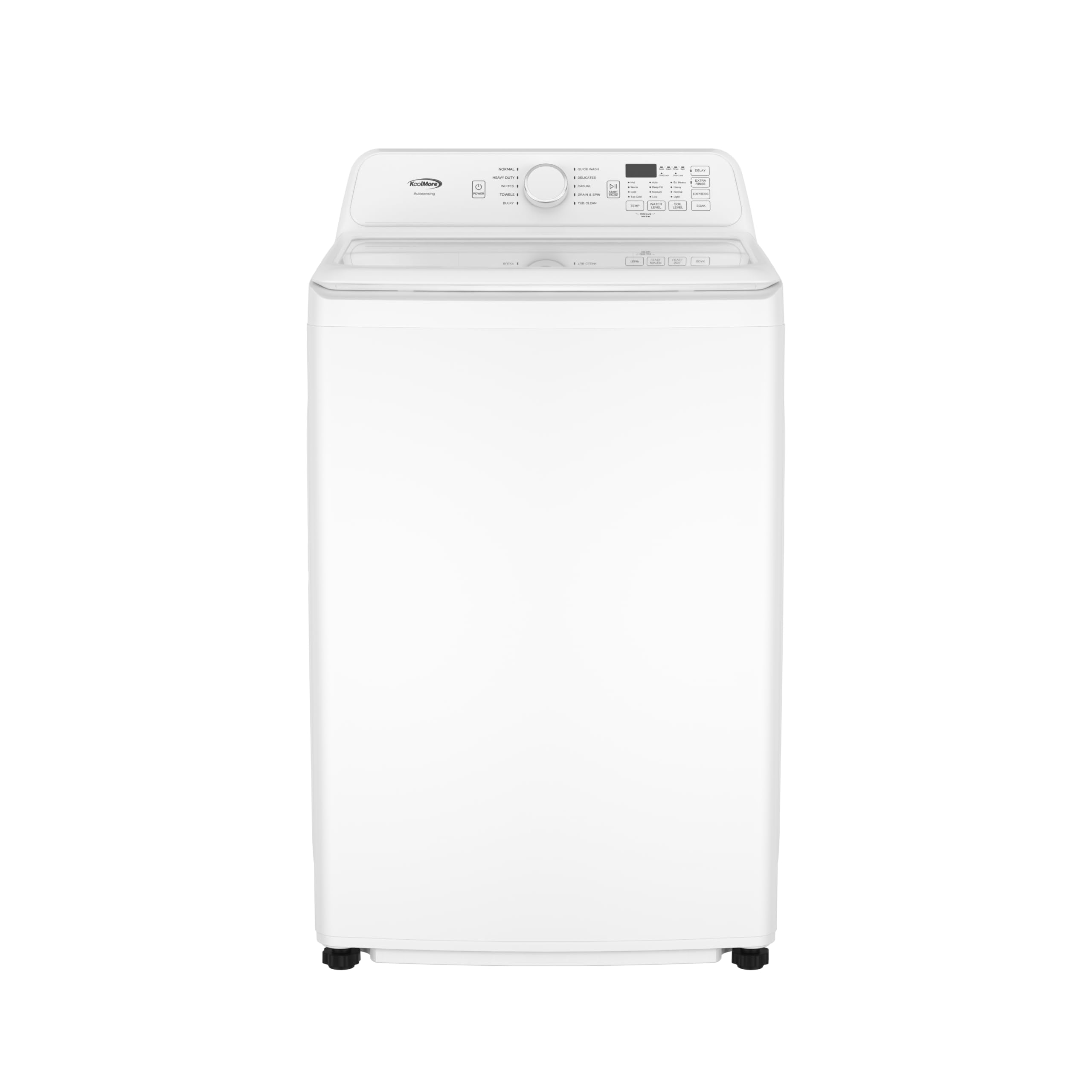
Most full size agitator washers hold around 3.5 to 4.5 cubic feet. Larger capacity suits big families and bedding. Measure your laundry space, including lid clearance for top loaders. The KoolMore 25 inch 4.0 cubic foot washer, at around $845, suits tighter spaces.
Check the doorway and stairs on the delivery path as well as the laundry space. Leave a few inches behind the washer for hoses and the drain, and plan for room to lift the lid fully on top loaders.
How to Make Your Agitator Washer Last Longer
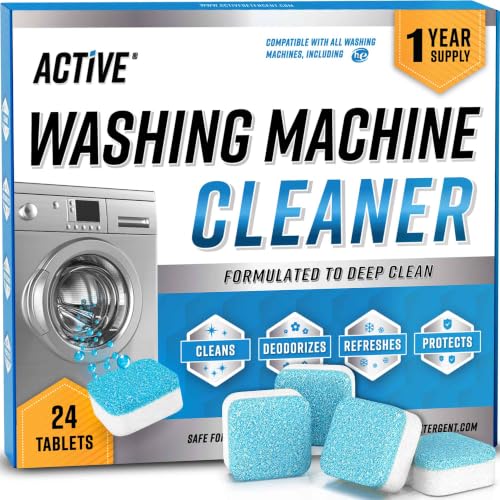
Use the right amount of HE detergent, since too much leaves residue. Run a tub clean cycle monthly with a washer cleaner, like ACTIVE Washing Machine Cleaner tablets. Leave the lid open after use to dry the tub.
Avoid overloading, which strains the agitator and motor. Level the washer to reduce vibration. Check hoses for cracks and replace them every few years.
Empty pockets before washing, since coins, keys and hair ties can damage the agitator and drum. Wash heavy items like jeans with similar items to keep loads balanced. If the washer starts walking or banging during spin, stop it and redistribute the load.
Agitator Washers: Your Questions Answered
Are agitator washers better than impeller washers?
Agitator washers are better for heavily soiled clothes and short cycles, while impeller washers are better for bulky items, efficiency and gentle care. The right choice depends on your laundry habits.
If you wash a mix of both, some agitator models, like Kenmore's Triple Action design, combine strong scrubbing with high efficiency cycles that use less water than older agitators.
What capacity do I need?
Couples and small households do well with around 3.5 cubic feet, while families of four or more benefit from 4 to 4.5 cubic feet. Larger capacity helps if you wash bulky bedding at home.
As a rough guide, 4 cubic feet can handle a queen size comforter in many models, but check the maker's guidance for bulky items.
Front load or top load: which cleans better?
Front loaders generally clean thoroughly with less water and gentler action, while agitator top loaders scrub hard and handle heavy stains quickly. Both can clean well when used with the right detergent and load size.
Your water matters too. Hard water reduces detergent performance in any washer, so use the right detergent dose for your water hardness and consider a washer cleaner monthly to prevent mineral buildup.
How long do washers last?
Most washers last around 10 to 14 years with proper care. Regular cleaning, correct detergent amounts and avoiding overloading help extend life.
Repairs make sense for younger washers with simple fixes, like a worn agitator part or a drain pump. Replacement agitator parts are widely available for many GE, Whirlpool and Kenmore top loaders.
Wrapping Up
The best agitator washer scrubs tough loads clean and finishes fast. The Kenmore 4.4 cubic foot Triple Action Agitator washer, BLACK+DECKER 4.1 cubic foot agitator washer and Midea 4.1 cubic foot washer cover different budgets, while impeller and front load washers suit people who prioritize efficiency and bulky bedding. Match the type to your laundry.
Before you buy, measure your space, count your weekly loads and decide whether speed, capacity or efficiency matters most.
For more laundry guides, see the best top load washers, the best combo washer dryers, the best clothes dryers and the best laundry detergent. Then compare current prices in the product table above.


