Best Clothes Dryers in 2026: Which Type Is Right for You?
Disclosure: We may earn a commission when you buy through links on this page, at no extra cost to you. As an Amazon Associate I earn from qualifying purchases. Learn more

The best clothes dryers by type: full size, compact vented, portable washer and dryer sets and mini dryers compared.
A clothes dryer saves hours of hanging laundry and keeps towels soft and fluffy, but not every home has room or hookups for a full size machine. Today's choices include full size electric and gas dryers, compact vented dryers that run on a standard outlet, portable washer and dryer sets and even wardrobe style dryers that fold away. This guide to the best clothes dryers compares the main types side by side, so you can match capacity, space and power to your home.
You will find a comparison table, a look at each dryer type, a direct comparison of compact dryers and combo sets, how to choose and tips to make your dryer last. The table above focuses on compact and portable dryers sold new on Amazon US; full size dryers are usually bought from appliance retailers that deliver and install them. Always follow venting and electrical instructions, since dryers produce heat and lint that can be a fire risk if misused.





Types of Clothes Dryers Compared
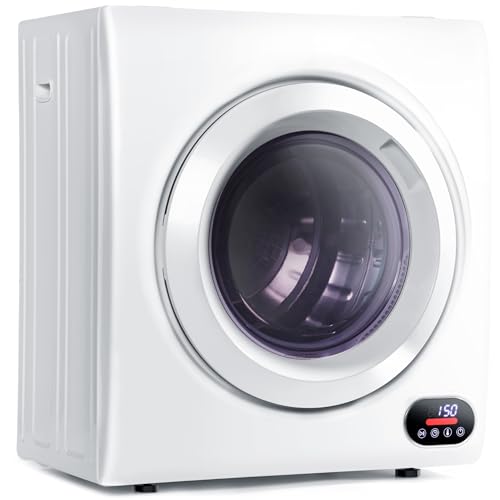
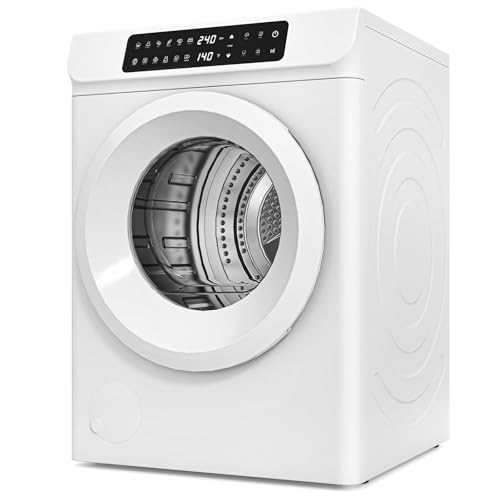
Full size dryers suit families with laundry rooms, compact vented dryers suit apartments with a standard outlet, portable washer and dryer sets suit small spaces without hookups and wardrobe style dryers suit very small loads and delicate items. Here is how they compare.
| Type | Best For | Pros | Cons | Typical Price |
|---|---|---|---|---|
| Full size electric or gas | Families, laundry rooms | Large capacity, fast drying | Needs 240V or gas, venting, space | Sold mostly by appliance retailers |
| Compact vented (120V) | Apartments, condos, RVs | Standard outlet, small footprint | Smaller loads, longer cycles | around $190 to $430 |
| Portable washer and dryer sets | Small spaces without hookups | Washer and dryer together, portable | Small capacity, manual setup | around $350 to $530 |
| Wardrobe and mini dryers | Delicates, travel, tiny spaces | Cheap, light, fold away | Slow, very small loads | around $35 to $220 |
Before choosing a type, check three things: your outlet (120 volt or 240 volt), whether you can vent outdoors and how much floor or wall space you have.
Full Size Electric and Gas Dryers
Full size dryers, typically around 7 cubic feet, handle large family loads quickly. Electric models need a 240 volt outlet, while gas models need a gas line and a standard outlet for controls. Both need a vent to the outdoors, unless you choose a ventless heat pump model.
Their strengths are capacity and speed. The drawbacks are space, installation requirements and price. Most people buy full size dryers from appliance retailers that deliver, install and haul away old units.
Heat pump dryers are the most energy efficient full size option and do not need an outdoor vent, but cycles take longer.
Moisture sensing technology in many full size dryers stops the cycle when clothes are dry, which saves energy and reduces wear compared with timed drying. Stackable full size dryers sit on top of matching front load washers to save floor space.
Compact Vented Dryers
Compact dryers run on a standard 120 volt outlet and fit apartments and small laundry nooks. The BLACK+DECKER 3.5 cubic foot portable dryer holds 13.2 pounds of laundry, measures about 23.6 by 21.5 by 27.5 inches, offers air dry, cool, warm and hot modes and includes a 4 inch vent hose, according to BLACK+DECKER. Euhomy, Auertech and Feelfunn sell similar 3.5 to 3.6 cubic foot models.
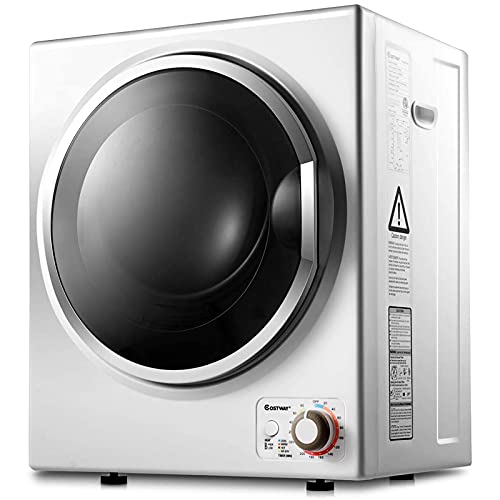
Smaller 1.5 cubic foot dryers, like the Panda and COSTWAY models, suit singles and small loads; Panda recommends no more than about 5.5 pounds at a time. Compact dryers take longer than full size units and need the exhaust hose directed outside or into a lint trap kit.
Choose a compact vented dryer for apartments, condos, tiny homes and RVs with suitable power.
Many compact dryers include mounting brackets, so you can wall mount them above a washer or stack them on a sturdy stand, saving floor space in small laundry closets. Follow the mounting instructions carefully, since a full drum is heavy and vibrates.
Portable Washer and Dryer Sets
Portable sets pair a small washer with a compact dryer. The Auertech 1.8 cubic foot washer and dryer set and the ROVSUN 17.8 pound washer with 1.5 cubic foot dryer set suit renters without laundry hookups. Washers connect to a sink faucet and drain into the sink or tub.
Their strengths are independence from laundromats and portability. The trade offs are small capacity, more manual effort and the space for two units. They suit small apartments, dorms and RVs.
Check the dimensions of both units and where water will drain. Some sets have a washer with a spin cycle that removes more water, which shortens drying time noticeably.
Wardrobe and Mini Dryers
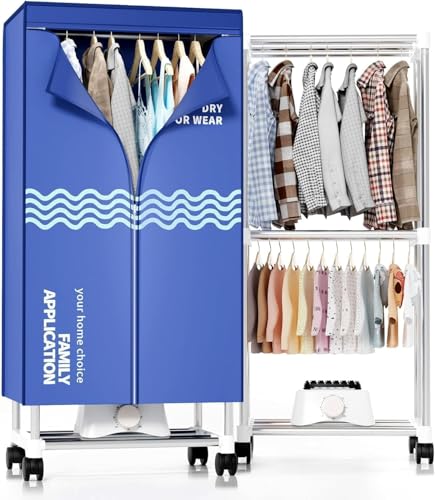
Wardrobe dryers, like the Kiseely drying wardrobe, hang clothes inside a fabric cabinet with a heater fan, while mini tumble dryers, like the Feelfunn 1020W portable dryer with four drying modes, handle small loads. Feelfunn lists 1020 watts, a maximum of 140 degrees and a size of about 17.8 by 19.3 by 27.1 inches at 45.1 pounds.
These options are inexpensive and compact but slow, and they suit delicates, baby clothes, gym wear and travel.
Wardrobe dryers are gentle on delicates, wool and baby clothes, since clothes hang rather than tumble. They take longer, but they reduce shrinking and wrinkles.
They also help in humid climates where line drying indoors takes too long.
Compact Dryers vs Washer and Dryer Sets: Which Should You Choose?
Choose a compact dryer if you already have a washer or laundromat access, and a washer and dryer set if you need both and lack hookups. Here is how they compare.
- Capacity: 3.5 cubic foot compact dryers hold more than most portable set dryers.
- Space: Sets need room for two machines; a compact dryer can stack or wall mount.
- Convenience: Sets let you wash and dry at home without hookups.
- Price: Compact dryers cost around $190 to $430; sets around $350 to $530.
- Setup: Both need venting or lint management and a nearby outlet.
If you already own a portable washer, adding a compact dryer is usually the better upgrade.
Renters should also check their lease, since some landlords restrict portable appliances or require approval for window vent kits.
How to Choose the Best Clothes Dryers for Your Home
The best clothes dryers for your home match your space, power supply and laundry volume. Use these factors to decide.
Reliability and Repairability
Simple mechanical controls tend to be reliable and easy to use. Check warranty terms; Feelfunn lists a one year warranty on its portable dryer. Stainless steel drums, like those on BLACK+DECKER and Feelfunn models, resist rust and wear.
Replaceable lint filters and belts extend a dryer's life. Brands with responsive support make repairs easier.
Compact dryers from established brands like BLACK+DECKER and Panda have been sold for years, which suggests better parts availability than newer brands.
Keep the manual and register the dryer for warranty coverage, and note the model number for ordering replacement parts later.
Noise and Vibration
Compact dryers make a steady fan and tumble noise. Place them on a level, sturdy surface or wall mount them with included brackets to reduce vibration. Feelfunn says its mini dryer runs quietly, but expect some noise from any tumble dryer.
Avoid running dryers late at night in thin walled apartments.
Anti vibration pads under the feet reduce noise and stop the dryer from walking across the floor, especially on tile or vinyl.
Rubber feet and a level surface also protect floors from scratches when the dryer vibrates during long cycles.
Efficiency and ENERGY STAR
Full size ENERGY STAR dryers, especially heat pump models, use less energy. Compact dryers use 850 to 1500 watts but run longer cycles. Dry full loads, clean the lint filter every time and use moisture sensing or lower heat settings to save energy.
Spin clothes well in the washer first, since less moisture means shorter drying.
Line drying on sunny days and using dryer balls, which separate clothes for better airflow, can cut drying time and energy use.
Sort loads by fabric weight, drying towels and jeans together and lightweight items separately, so everything dries evenly without over drying thin fabrics.
Type (Front Load, Top Load With Agitator, Impeller, Compact, Combo)
Most dryers are front loading. Compact dryers come in front load designs with transparent doors for monitoring. Combo washer dryers, a single machine that washes and dries, save space but dry slowly and in smaller batches.
Choose based on your space, outlet and whether you need a washer too.
Transparent doors on compact dryers let you check progress without stopping the cycle, which helps you avoid over drying delicate items.
How to Make Your Clothes Dryer Last Longer
Clean the lint filter before or after every load, which improves efficiency and reduces fire risk. Check and clean the vent hose every few months, and keep the area around the dryer clear of clutter. Do not overload the drum, follow the maximum load weight and level the dryer to reduce wear. Never leave a dryer running unattended for long periods or when you leave home.
Avoid drying items with rubber backing, foam or flammable stains, such as clothes soaked with oil or solvents, and follow care labels. Replace crushed or kinked vent hoses, since restricted airflow causes overheating and longer cycles.
Once a year, unplug the dryer and vacuum lint from around the drum opening and vent connection, where it builds up out of sight.
Clothes Dryers: Your Questions Answered
How long do they last?
Full size dryers often last 10 to 13 years with care. Compact and portable dryers vary more and may last several years with regular use. Cleaning lint filters and vents and avoiding overloading extend life.
Replacing worn belts, rollers and heating elements can keep many dryers running longer than buying new.
Compact dryers used daily for large households wear faster, so match capacity to your needs to avoid constant full loads.
Are washer dryer combos worth it?
Washer dryer combos and portable sets are worth it if you lack space or laundry hookups. They save trips to the laundromat but handle smaller loads and take longer. Families with large laundry volumes are usually better served by separate full size machines.
Single unit combos also suit vacation homes and in law suites where space is tight and laundry volume is low.
Can I use a compact dryer without a vent?
Most compact dryers need venting to remove moist, lint filled air. Vent the hose outdoors through a window kit or wall vent where possible. Some people use indoor lint traps, but these add humidity indoors and require frequent cleaning; follow the maker's instructions.
Running a dehumidifier or opening a window helps if some moisture escapes into the room.
What capacity do I need?
A 1.5 cubic foot dryer suits one person and small loads, 3.5 cubic feet suits couples and small families and full size dryers around 7 cubic feet suit larger households. Match dryer capacity to your washer's load size.
If you wash bulky items like comforters, choose the largest dryer your space allows or plan to use a laundromat for those loads.
A simple guide is about one cubic foot of dryer capacity per person in the household for weekly laundry.
Our Verdict
The best clothes dryers fit your space, power and laundry volume. Full size dryers suit families with laundry rooms, compact vented dryers like the BLACK+DECKER 3.5 cubic foot model suit apartments, portable washer and dryer sets like Auertech's suit renters without hookups and mini dryers like the Feelfunn suit small loads and delicates. Vent properly and clean the lint filter every time.
For related guides, see the best combo washer dryers, the best dryer balls, the best clothes steamers and the best clothes hangers. Then compare current prices in the product table above.
Start by measuring your space and checking your outlet, then pick the dryer type that matches. That simple step avoids returns and installation surprises.