Best Laundry Detergent: Which One Fits the Way You Use It?
Disclosure: We may earn a commission when you buy through links on this page, at no extra cost to you. As an Amazon Associate I earn from qualifying purchases. Learn more

The best laundry detergent depends on your washer, stains and skin: pods, powders, liquids and sheets matched to real routines.
Laundry detergent looks like a simple purchase until you stand in front of pods, sheets, powders, liquids, free and clear formulas and products with names like "ultra oxi." The best laundry detergent for a family with muddy sports uniforms is different from the right choice for a newborn's onesies or a studio apartment with a tiny washer. What works best depends on how you do laundry, not on which bottle has the boldest claims.
This guide matches detergent types to real routines. You will see which formats suit first time buyers, budget shoppers and performance seekers, how to pick detergent for quilts and baby clothes, which features to compare, and the mistakes that leave clothes stiff, dingy or smelly.






Who Should Buy Which Laundry Detergents?
Detergents fall into a few formats: liquids, powders, single dose pods or pacs, and newer concentrated sheets. Each format has trade offs in cost, convenience and stain power. Start by thinking about your washer type, your water hardness, the stains you deal with most and whether anyone in your home has sensitive skin.
The groups below are not about one brand winning. They describe which kinds of detergent fit which households, so you can choose confidently from the product table above.
For First Time Buyers
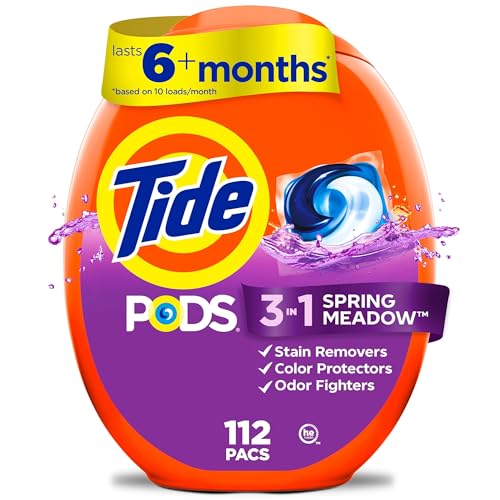
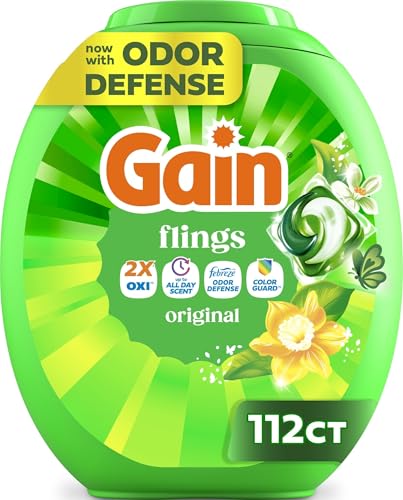
If you are setting up your first apartment or doing your own laundry for the first time, choose convenience and forgiveness. Single dose pods remove the guesswork, since one pod handles a normal load and two handle a large or heavily soiled load. They are hard to overdose and do not spill.
A mainstream liquid from a large brand is the other easy option, especially if you sometimes pretreat stains by rubbing a little detergent directly on them. Check that the product is labeled HE compatible if you have a high efficiency washer, which most newer machines are. Stick with one reliable product for a few months before experimenting, so you learn what clean laundry looks and smells like in your machine.
Store pods out of reach of children and pets, in their original container with the lid closed, since they are concentrated and can be harmful if bitten or swallowed.
For Value Seekers
Value seekers should compare cost per load, not price per bottle. Powders and large liquid jugs usually deliver the lowest cost per load, while pods cost more because you pay for packaging and convenience. Bulk powder pails can bring the cost per load down to a few cents.
The key to value is dosing correctly. Most people use far more detergent than they need, especially with concentrated liquids, which wastes money and can leave residue. Use the fill lines on the cap and adjust for load size and soil level. Buying store sizes during sales and subscribe options on Amazon also lowers cost, as long as you have storage space for big jugs or pails.
Hard water also affects value. Minerals in hard water bind with detergent and reduce cleaning power, so households with hard water often need a slightly larger dose or a detergent with built in water softeners. If your towels feel stiff and whites look gray, check your water hardness with an inexpensive strip before you blame the detergent.
For People Who Want the Best Performance
If you fight grass stains, grease, sweat odor and food spills every week, look for premium formulas with enzymes and oxygen boosters. Enzymes break down protein stains such as blood and grass, starch stains such as gravy and fat based stains such as body oils, while oxygen boosters brighten whites and colors.
Performance seekers often keep two products: a heavy duty enzyme detergent for everyday loads and a free and clear formula for delicate items or sensitive skin. Pretreating tough stains with liquid detergent or a dedicated stain remover makes a bigger difference than switching brands every few months.
High performance formulas also tend to work better in cold water, which matters if you wash mostly on cold to save energy. Look for wording such as cold water clean or enzymes on the label, and give heavily soiled loads a longer cycle or a presoak so the enzymes have time to work.
Picking the Right Laundry Detergents for Different Uses
Some items need special care. Bulky bedding and baby clothes are the two most common cases where your everyday detergent may not be the best fit.
Best Laundry Detergent for Quilts
The best laundry detergent for quilts is a gentle, low residue formula that rinses out completely. Quilts, especially handmade or vintage ones, can bleed dye or weaken if washed with harsh additives. Choose a mild liquid without bleach or optical brighteners, use a small dose and wash on a gentle cycle in cool water.
For bulky comforters and quilts, use a large capacity washer, add an extra rinse to remove all detergent and dry on low with dryer balls to keep the filling evenly distributed. Delicate antique quilts may need hand washing or professional cleaning, so check the care label or ask the maker.
Before the first wash of a new or handmade quilt, check for colorfastness by dampening a hidden corner with a little detergent solution and pressing it with a white cloth. If color transfers, use a color catcher sheet in the wash or choose professional cleaning to protect the design.
Best Baby Laundry Detergents
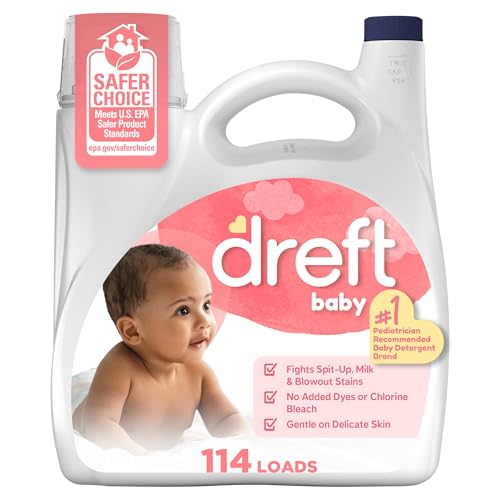
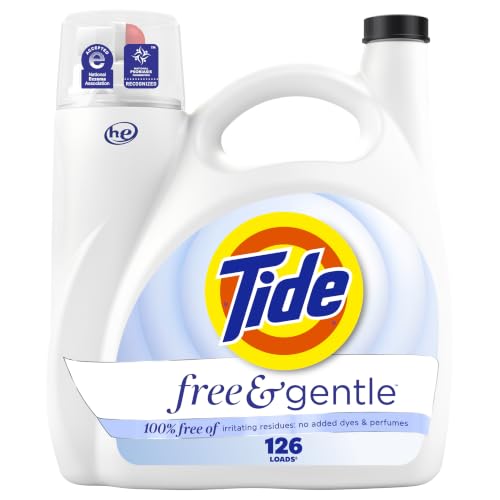
The best baby laundry detergents are free of dyes and perfumes and designed to rinse cleanly, since newborn skin can react to fragrance and residue. Many parents choose dedicated baby detergents such as Dreft or free and clear formulas from mainstream brands, which work for the whole family.
Wash new baby clothes, bedding and cloth diapers before first use, and use an extra rinse if your baby has sensitive skin. Avoid fabric softener on baby clothes and sleepwear labeled flame resistant, since softeners can reduce effectiveness. If your baby develops a rash, talk to your pediatrician about whether laundry products could be a factor.
Many families eventually move the whole household to a free and clear formula once a baby arrives, since separating baby laundry from everything else gets tiring. That approach works well as long as the detergent still handles the heavier stains that babies produce, from spit up to diaper leaks. Pretreat those stains promptly with an enzyme stain remover or a little liquid detergent.
Key Features to Compare in the Best Laundry Detergent
Once you know which format suits your routine, compare the features below. They matter more than packaging colors or scent names.
Eco Friendly Packaging
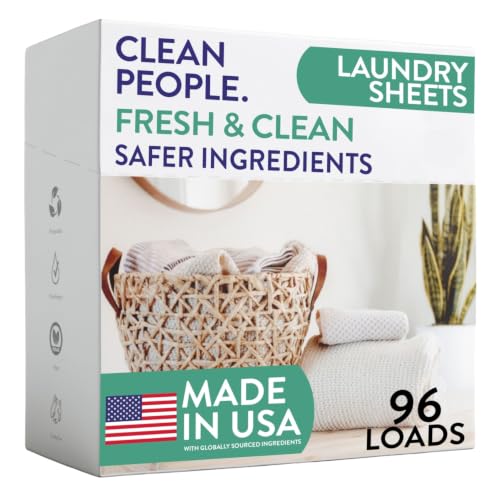
Packaging varies widely. Liquid jugs use the most plastic, while powders in cardboard boxes and detergent sheets in paper sleeves use less. Concentrated formulas also reduce shipping weight and packaging per load. Some brands use recycled plastic or offer refill programs.
If sustainability matters to you, look for recyclable packaging, concentrated formulas and certifications such as EPA Safer Choice, which evaluates ingredients against safety criteria. Detergent sheets are light and easy to store, though they may struggle with heavy stains compared with liquid formulas.
Format choices affect waste too. Pods come in plastic tubs, although some brands now use cardboard containers, while powders in boxes generate the least plastic. Whatever you choose, buying the largest size you can store reduces packaging per load.
Surface Compatibility
For laundry, compatibility means fabric types and washer types. Most detergents work on cotton, polyester and blends, but wool, silk and some technical fabrics need specialty detergents labeled for delicates or wool. Activewear and synthetics hold odors and may benefit from sport detergents.
Washer compatibility matters too. High efficiency machines use less water and need low sudsing HE detergents. Using regular detergent in an HE washer creates excess suds, poor rinsing and residue. Check that the label says HE, which nearly all major brands now do.
Specialty items deserve a quick check. Down jackets and sleeping bags need down specific washes, waterproof shells need technical cleaners that protect the coating, and microfiber cloths clean best without fabric softener. Using the right product for these items keeps them working as designed for years.
Ingredients and Safety
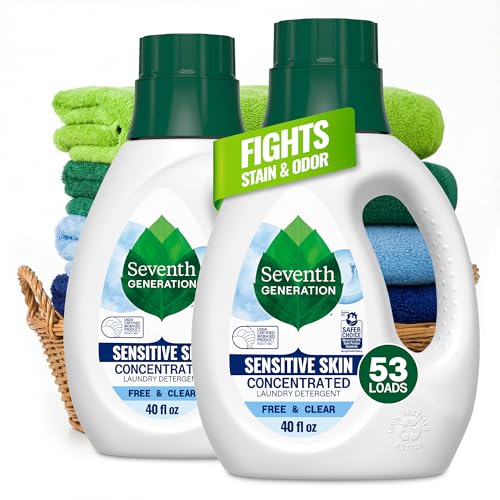
Detergents contain surfactants that lift dirt, enzymes that break down stains, builders that soften water and sometimes brighteners, fragrances and dyes. Sensitive skin products remove fragrance and dye, and some are certified by dermatology or allergy organizations.
Safety around children is important. Keep all detergents, especially pods, in their original containers out of reach. Never mix detergents with bleach and ammonia based cleaners. If you have allergies or eczema, a free and clear formula is the simplest first step, and your doctor can advise on specific triggers.
Optical brighteners deserve a mention. They make whites look brighter by reflecting light, but some people prefer to avoid them on baby clothes or quilts, and they can slightly change the look of dark fabrics. Free and clear and natural formulas usually leave them out.
Effectiveness on the Specific Mess
Match detergent to the mess you face most. Grass, blood and food stains respond well to enzyme formulas. Grease and oil stains benefit from strong surfactants and pretreating. Dingy whites improve with oxygen boosters, while odors in workout clothes need sport formulas or longer soaking.
Water temperature also matters. Cold water saves energy and protects colors, and modern detergents are designed to work in cold. For heavy soils, bedding and towels, warm water often cleans better. Read the label for temperature guidance, and pretreat stains as soon as possible for the best results.
A simple routine helps any detergent perform better: scrape off solids, blot rather than rub liquid spills, pretreat within a day, and check that the stain is gone before drying. Heat from the dryer can set a stain permanently, so air dry stained items until you are sure they are clean.
Cost per Use and Value
Calculate cost per load by dividing the price by the number of loads listed on the package. Powders and large liquids often cost the least per load, followed by mid size liquids, while pods and sheets cost more. Premium enzyme formulas may cost more per load but can save money if they prevent you from rewashing or replacing stained clothes.
Remember that "loads" on the label assumes a medium load at the recommended dose. If you consistently use more, your real cost per load rises. Measuring carefully is the easiest way to save money without switching products.
Scent boosters, fabric softeners and stain sprays add to the true cost of a load, so count them too. Many households find they can drop the booster entirely once they dose detergent correctly and clean the washer regularly.
Here is a quick example. A large jug that costs around $20 for about 100 loads works out to roughly 20 cents per load. A tub of pods at around $27 for 112 pods comes to about 24 cents per load if you use one pod each time, but closer to 48 cents for loads that need two pods. That difference adds up over a year of family laundry.
Common Mistakes to Avoid When Buying Laundry Detergents
- Judging only by price. A cheap bottle can cost more per load than a larger jug or powder, so always compare cost per load.
- Using too much detergent. Overdosing wastes money, leaves residue and can make fabrics stiff and odors worse.
- Ignoring your washer type. Regular detergent in an HE washer causes excess suds and poor rinsing.
- Choosing heavy fragrance for sensitive skin. Perfumes and dyes are common irritants; free and clear options exist from major brands.
- Skipping pretreatment. No detergent removes every set in stain; treating stains early matters more than the brand.
Care and Maintenance Tips
Clean your washer monthly to prevent odors and residue buildup, using a washer cleaning cycle or a dedicated cleaner. Leave the door or lid open after loads so the drum dries. Wipe the gasket on front loaders, where moisture and lint collect.
Store detergent in a cool, dry place with lids closed, since powders clump in humidity and pods can stick together. Sort laundry by color and soil level, check pockets before washing and avoid overloading the drum, which keeps detergent from reaching every item.
FAQs
Are natural cleaners as effective?
Plant based and natural detergents can clean everyday loads well, especially newer formulas with enzymes. However, some struggle with heavy grease, set in stains and odor compared with leading conventional detergents. If you prefer natural products, pick one with enzymes, pretreat tough stains and use warm water when the care label allows.
What should never be mixed together?
Never mix bleach with ammonia, vinegar or other acids, because these combinations can release harmful gases. Do not mix different laundry products in the same container, and avoid adding bleach directly onto pods or colored fabrics. Always follow label directions and use the dispenser drawer intended for each product.
How often should I use it?
Use detergent with every wash load, measured for the load size and soil level. Most households wash several loads a week, and a large jug of liquid or a box of powder can last a month or more. For lightly soiled loads, a smaller dose is enough; heavily soiled loads may need the full dose or a pretreatment.
Do I need different detergent for cold water washing?
Most modern detergents clean well in cold water, and many are formulated specifically for it. Liquids dissolve more easily than powders in cold water, so dissolve powder in warm water first or add it to the drum before clothes. For heavily soiled items, bedding and towels, warm water still gives better results when the care label allows it.
Is it safe to use around kids and pets?
Laundry detergent is safe when used and stored correctly, but it should always be kept out of reach. Pods are especially attractive to children and pets, so store them in a locked cabinet or high shelf in the original container. If someone swallows detergent or gets it in their eyes, contact Poison Control or a veterinarian immediately.
Our Verdict
The best laundry detergent is the one that fits your machine, your stains and your skin. Start with three checks: HE compatibility for your washer, a formula that matches your typical mess, and a cost per load you are comfortable paying week after week. First time buyers do well with pods, value seekers with powders or large liquids, and performance seekers with enzyme formulas plus a free and clear option for delicate items.
For more specific needs, read our guides to the best laundry detergent sheets, the best laundry detergent for towels, the best laundry detergent for stinky towels and the best laundry detergent for white towels, plus our best combo washer dryers list. Then compare current prices in the product table above.