
Best 65 Inch OLED TV: Size, Distance & Room Fit Guide
Disclosure: We may earn a commission when you buy through links on this page, at no extra cost to you. As an Amazon Associate I earn from qualifying purchases. Learn more
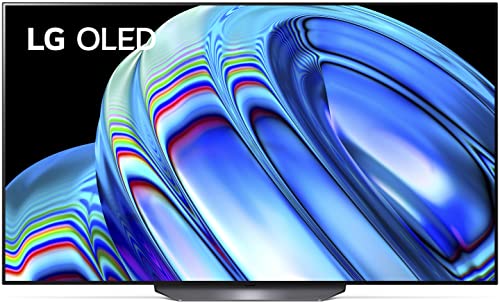
A 65-inch screen sits at an odd middle ground: big enough to transform a living room, but easy to get wrong if the room, the wall, or the couch position does not match it. Before comparing panel types or refresh rates, the size itself decides whether you will love the TV or regret it. This guide skips the general OLED picture-quality talk and focuses purely on what changes when you are sizing up a best 65 inch OLED TV against smaller or bigger alternatives: how far back you need to sit, how much floor and wall space the panel actually needs, what it weighs once you are ready to mount it, and when stepping up or down in size makes more sense than sticking with 65 inches.





Ideal Viewing Distance for a 65-Inch Screen
The Sweet-Spot Range in Feet
Most viewing-distance charts put a 65-inch screen at its best between roughly 6.5 and 9 feet from the seating position. Sit much closer and compression artifacts or motion noise on lower-quality content become distracting. Sit much farther back, especially past 10 feet, and the picture starts feeling closer to a 55-inch set, and you lose the immersive scale that made you choose 65 inches in the first place. Measure your actual couch-to-wall distance before buying rather than eyeballing it, since a few feet in either direction changes the experience more than most shoppers expect. A tape measure and a few minutes on the actual couch cushion tell you more than any spec sheet, especially in rooms with an unusual layout or a sectional that gets rearranged often.
Why OLED Narrows the Ideal Distance a Bit
Panel technology shifts this range slightly. Because self-emissive pixels resolve fine detail and contrast more cleanly than backlit panels, an OLED screen tends to still look sharp a little closer than the same size in a conventional LED-LCD set. For more on how that pixel-level light output shapes picture quality overall, our guide to 4K smart OLED TVs covers the technology side in depth. For distance planning purposes, treat the lower end of the range above as comfortable rather than risky if you are specifically shopping for OLED.
Matching Room Size and Seating Layout to 65 Inches
Minimum Room Dimensions That Work
A 65-inch TV generally fits comfortably in rooms that offer at least 10 to 12 feet between the wall and the main seating area, which lines up with the viewing distance range above. Narrower rooms, such as a galley-style living room or a small apartment den, can still work if the couch sits along the same wall as the TV rather than directly across from it, which effectively increases the usable distance without adding square footage.
Placement Above a Fireplace or on a Stand
Mounting height affects how well the size fits the room. A 65-inch screen centered at seated eye level usually lands around 40 inches off the floor, which is often lower than a fireplace mantel allows. If the only realistic spot is above a fireplace, a tilting mount that angles the screen downward helps offset the extra height, though a wall spot beside or below the mantel line will always be more comfortable on the neck during long viewing sessions.
Wall Width and Side Clearance
A 65-inch panel measures close to 57 inches across, so the wall section you have in mind needs to be wider than that number once you account for side clearance. Leave a few inches of breathing room on each side for cable runs, a soundbar, or nearby furniture such as a bookshelf or speaker stand, and check that no light switch, thermostat, or window trim sits inside that footprint before committing to a spot. Corners and narrow alcoves rarely have enough flat wall for this size, even when the room itself feels spacious enough on paper.
65-Inch vs 55-Inch and 75-Inch: Picking the Right Step
Choosing the best 65 inch OLED TV size for your room means comparing 65 inches against its two closest neighbors, 55 inches and 75 inches, rather than assuming the middle option is automatically right.
When 55 Inches Still Makes Sense
Screen area drops by roughly 30 percent going from 65 inches down to 55, and the ideal viewing distance shrinks to about 5.5 to 8 feet. That smaller step suits bedrooms, compact apartments, or any room where the couch sits closer than 8 feet from the wall. If your current setup falls into that shorter range, a smaller panel avoids the picture feeling like it spills outside your natural field of view, and it also trims the wall or console width you need to plan for. Our 55-inch TV buying guide breaks down what to prioritize at that smaller size.
When 75 Inches Is Worth the Jump
Moving up to 75 inches adds roughly a third more screen area again and pushes the ideal distance out to about 9 to 12 feet, which fits larger open-plan living rooms and dedicated media rooms better than tighter layouts. Buyers who already sit 9 feet or farther from their current 65-inch set, or who mainly watch sports and want a more theater-like field of view, tend to be the ones who end up satisfied after moving up. Keep in mind that a 75-inch panel also needs a noticeably wider wall section and a heavier-duty mount, so factor those requirements in alongside the picture-size upgrade. Check our 75-inch TV guide if that distance describes your room.
Weight, Wall Mounting, and Stand Requirements at 65 Inches
How Much a 65-Inch OLED Panel Weighs
Most 65-inch OLED panels weigh between roughly 55 and 80 pounds including the stand, generally lighter than an LED-LCD panel of the same size because there is no separate backlight assembly to house. That weight still calls for two people during unboxing and mounting, both to avoid dropping an expensive panel and to protect the thin edges, which flex more easily than a bulkier LED set.
Stud Spacing and Mount Weight Ratings
A secure wall mount needs to anchor into at least two wall studs, spaced at the standard 16 or 24 inches on center, rather than relying on drywall anchors alone at this weight and size. Choose a mount rated for at least 10 to 20 percent more than the TV's actual weight, and lean toward a full-motion or tilting mount if the panel will sit above a fireplace or need angle adjustments later. Our roundup of TV wall mounts covers bracket options suited to this weight range.
Sizing a TV Stand or Console
If you are not wall mounting, plan on a console at least 60 inches wide, with 63 to 72 inches giving a more balanced look on either side of the panel. Depth in the 15 to 18 inch range accommodates the base stand and still leaves room for a soundbar in front without crowding the screen forward.
Frequently Asked Questions
How far should I sit from a 65-inch TV?
Somewhere between 6.5 and 9 feet works for most rooms and most content, with the lower end of that range still comfortable on OLED panels thanks to their sharper per-pixel detail.
Is 65 inches too big for a small living room?
It depends more on distance than square footage. If your seating area is at least 10 feet from the wall, or the couch sits along the same wall as the TV, a 65-inch screen usually fits fine even in a modest-sized room.
How much does a 65-inch OLED TV weigh?
Most models fall between about 55 and 80 pounds with the stand attached, generally lighter than a same-size LED-LCD panel because OLED skips the backlight layer.
Do I need two people to mount a 65-inch TV?
Yes. Between the weight and the thin, flexible panel edges, mounting alone raises the risk of dropping or bending the screen during installation.
Should I choose 65 or 75 inches for my room?
If your viewing distance is under 9 feet, 65 inches is usually the better fit. Distances beyond 9 feet start to favor 75 inches for a more immersive picture.
What size TV stand fits a 65-inch TV?
A console at least 60 inches wide works, though 63 to 72 inches gives extra surface space and a more proportional look in most living rooms.
How wide and tall is a 65-inch TV?
Most 65-inch panels measure close to 57 inches wide and 32 to 33 inches tall, though the exact footprint shifts slightly depending on bezel design and stand style. Use those numbers, not just the diagonal measurement, when checking wall clearance or console fit.
Confirming 65 Inches Is the Right Call
Size decisions come down to two numbers: how far you actually sit and how much wall or stand space you can commit to. If your room comfortably supports a 6.5 to 9 foot viewing distance and a wall section wide enough for two studs, 65 inches hits the sweet spot most living rooms are built around. Measure the couch-to-wall distance and the available wall width before comparing panel specs, not after, since those two numbers rule out entire categories of TV before price or picture quality ever enter the decision. Get that part right, and choosing the best 65 inch OLED TV for your space becomes straightforward instead of a guess.


