Best 55 Inch TV Under $1000: Buying Guide
Disclosure: We may earn a commission when you buy through links on this page, at no extra cost to you. As an Amazon Associate I earn from qualifying purchases. Learn more
Fifty five inches has become the most popular television size sold in the United States, striking a genuine balance between an immersive viewing experience and a footprint that still fits comfortably in a typical living room or media console. The good news for anyone shopping at this size is that a thousand dollar budget now buys genuinely capable picture quality, including mini LED backlighting and 4K resolution as standard, technology that would have cost significantly more just a few years ago.
This guide covers what actually matters when shopping for a 55 inch TV under $1000, including panel technology, refresh rate, and HDR support, and highlights a few standout picks across budget, mid range, and higher end options within that budget.


Panel Technology: LED, QLED, and Mini LED Explained
Standard LED TVs use a basic backlight behind an LCD panel and remain the most affordable option, offering solid picture quality for the price but generally weaker contrast and less accurate color than the tiers above it. QLED adds a quantum dot film layer over the same basic LED backlight structure, which meaningfully improves color accuracy and peak brightness without changing the fundamental backlighting technology underneath.
Mini LED represents the more significant upgrade of the two, using thousands of much smaller LED backlight zones rather than a single basic backlight, which allows far more precise local dimming control. This translates to noticeably deeper blacks in dark scenes without washing out nearby bright elements, an effect called blooming that is more common on standard LED and even standard QLED sets. At the fifty five inch, under one thousand dollar price point, mini LED models have become increasingly common and are generally worth prioritizing over standard QLED if picture quality in mixed lighting content, like nighttime scenes with bright highlights, matters to you.

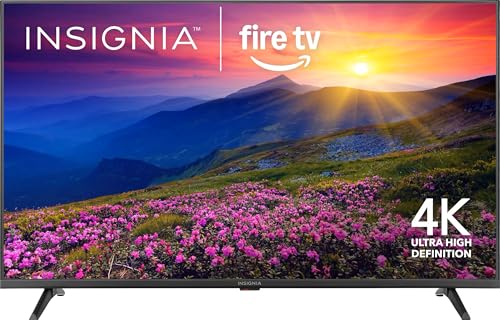
The Insignia F50 Series represents the accessible end of this category well, using standard LED backlighting with 4K resolution and a built in smart TV platform, at a price low enough to leave real budget remaining for a soundbar or other home theater upgrades. For a secondary bedroom or guest room television, or for anyone who genuinely does not need mini LED level contrast, this style of budget 4K set delivers solid everyday performance without the premium price tag.
HDR Support and What It Actually Adds
High Dynamic Range, or HDR, expands the range of brightness and color a TV can display compared to standard dynamic range content, which produces noticeably more realistic highlights, shadow detail, and color depth on properly mastered content. HDR10 is the baseline standard supported by essentially every TV at this price point, while some models add Dolby Vision, a more advanced format that adjusts HDR performance scene by scene rather than applying one static setting for the entire piece of content.
The catch is that HDR only makes a visible difference when the source content itself is actually mastered in HDR, which is common on newer streaming shows and movies but not on older content or standard cable and satellite broadcasts. A TV with strong HDR support will still look good with non-HDR content, but the more dramatic improvement is specifically noticeable on HDR-mastered streaming content from services like Netflix, Disney Plus, and Max.
Refresh Rate and Gaming Considerations
Refresh rate, measured in Hertz, determines how many times per second the screen updates, with 60Hz being the standard baseline and 120Hz increasingly common at this price point, particularly on models marketed toward gaming. A higher refresh rate produces noticeably smoother motion during fast action content and, more importantly for gamers, reduces input lag and enables smoother frame pacing when paired with a gaming console or PC capable of outputting higher frame rates.

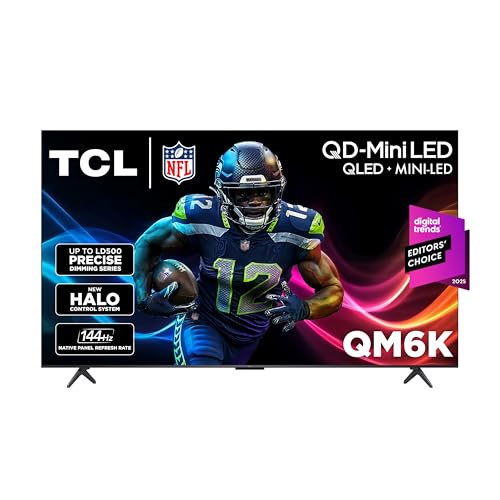
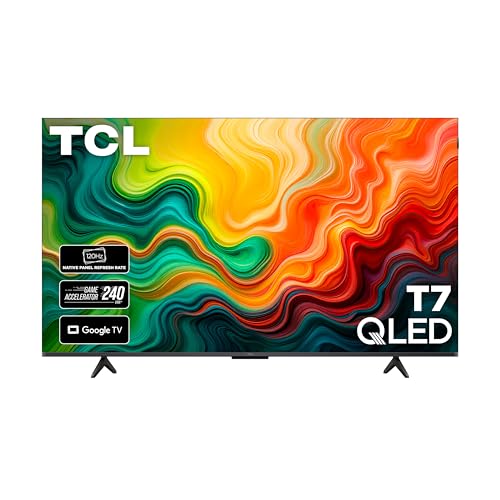
The TCL QM6K Series pairs genuine mini LED backlighting with strong overall specifications at a price that still leaves meaningful headroom under a thousand dollar budget, making it a strong representative of how far mini LED technology has trickled down into the mid range in the last couple of years. For anyone who wants noticeably better contrast and brightness than a standard QLED set without stepping up to a premium brand's flagship pricing, this tier of mini LED set is genuinely worth the modest price increase over basic LED or QLED alternatives.
Smart TV Platform and Streaming Experience
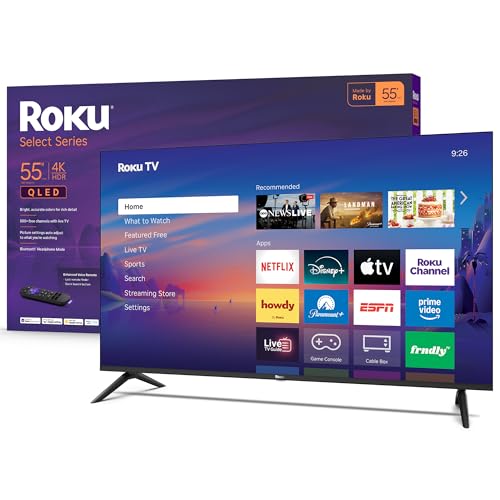
The built in smart TV operating system affects daily usability arguably as much as picture quality does, since it is what you interact with every time you turn the TV on. Roku's platform is widely regarded as one of the simplest and fastest interfaces in the category, with broad app support and minimal on-screen advertising clutter compared to some competing platforms. Google TV and Samsung's Tizen platform both offer strong app ecosystems as well, though interface preferences here are genuinely subjective and worth briefly researching or trying in-store if platform experience matters to you as much as picture quality.
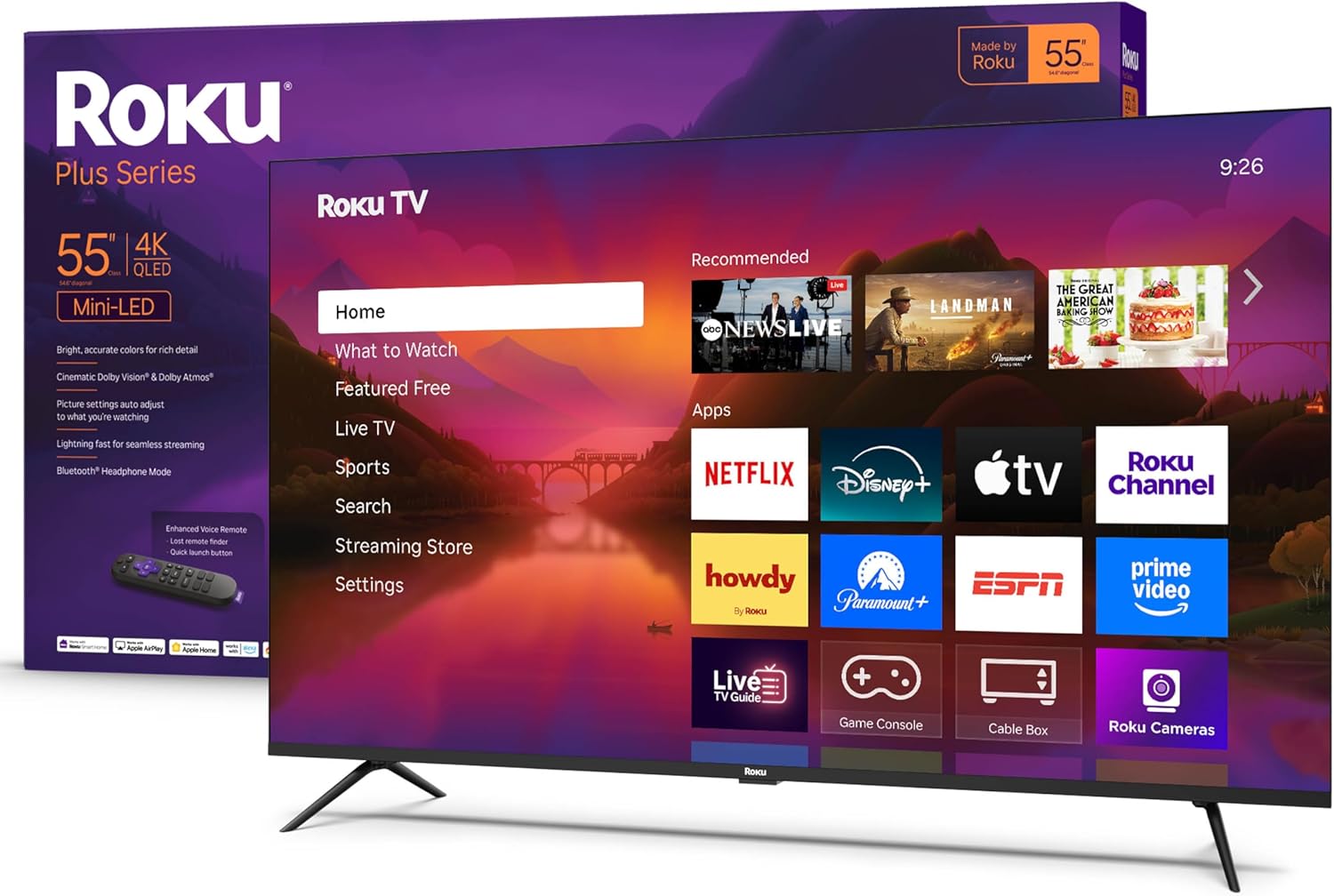
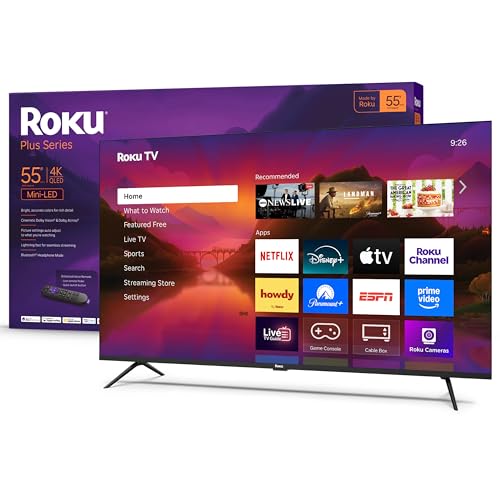
The Roku Plus Series combines Roku's well regarded, ad-light smart TV interface directly with mini LED QLED picture quality in one set, rather than relying on a separate streaming device plugged into a more basic TV. For households already invested in the Roku ecosystem through an existing streaming device, or anyone who has specifically found Roku's interface preferable after using it elsewhere, this integration is a genuine convenience worth factoring into the decision alongside raw picture quality specifications.
Viewing Angle and Room Layout
Standard LED and QLED panels tend to lose contrast and color accuracy when viewed from a significant angle off center, which matters in living rooms with wide seating arrangements like an L-shaped sectional. Some higher end models in this price range include wide viewing angle technology specifically to address this, which is worth prioritizing if your seating layout regularly puts multiple people well off to the side of the screen's center rather than directly in front of it.
Frequently Asked Questions
Is mini LED worth the extra cost over standard QLED?
For anyone who watches a meaningful amount of dark or mixed-lighting content, movies with night scenes in particular, yes, since the improved local dimming produces noticeably deeper blacks without washing out nearby bright highlights. For primarily daytime sports or brightly lit content, the difference is less dramatic.
Do I need 120Hz refresh rate if I am not a gamer?
Not strictly necessary for typical streaming and cable viewing, though it does produce somewhat smoother motion on fast action content regardless of source. It matters considerably more for gaming, where it directly affects input responsiveness and frame pacing.
What is the difference between HDR10 and Dolby Vision?
HDR10 applies one static brightness and color mapping for an entire piece of content, while Dolby Vision adjusts dynamically scene by scene for more precise results. Both require HDR-mastered source content to show a visible difference over standard dynamic range.
Final Thoughts
A genuinely good 55 inch TV under $1000 now commonly includes 4K resolution and reasonable HDR support as a baseline, with the real differentiation happening in backlight technology and smart platform experience. A standard LED model like the Insignia F50 covers a secondary room well, a mini LED set like the TCL QM6K delivers noticeably better contrast for a modest price increase, and the Roku Plus Series is worth prioritizing specifically for households that value Roku's streaming interface alongside strong picture quality.