Best 6 Burner Gas Ranges (2026): Styles, Sizes and Buying Tips
Disclosure: We may earn a commission when you buy through links on this page, at no extra cost to you. As an Amazon Associate I earn from qualifying purchases. Learn more

A practical guide to the best 6 burner gas range: width, oven style, installation and ownership cost for a kitchen that cooks for a crowd.
Six burners sound simple until you picture a real weeknight. Pasta water is boiling, a sauce is simmering, vegetables are searing, and someone still needs a burner for garlic bread. The best 6 burner gas range for your home is the one that fits your kitchen, feeds your household without crowding, and stays easy to live with day after day.
This guide focuses on fit rather than flash. You will match width to your cabinets, weigh oven styles against your routine, and see what ownership costs over time. Start with the comparison table below, then use the checklist to narrow your shortlist.
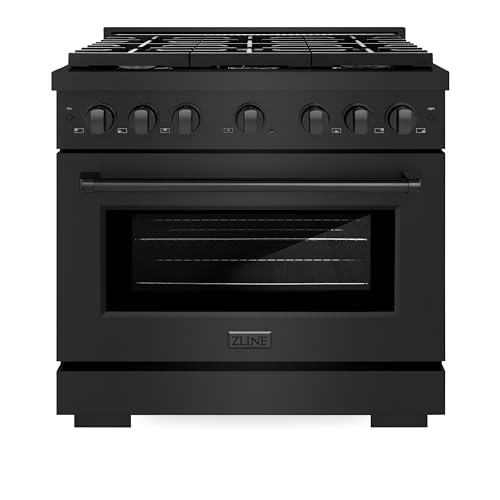
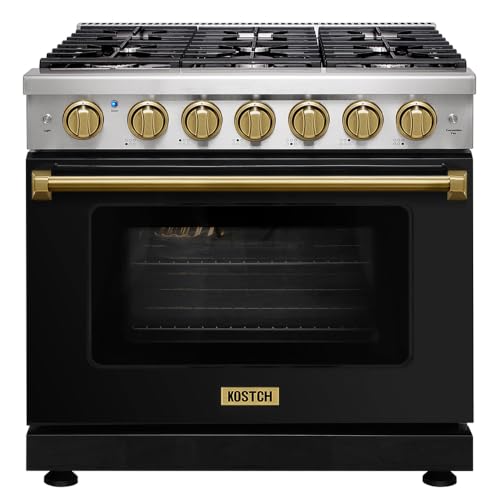
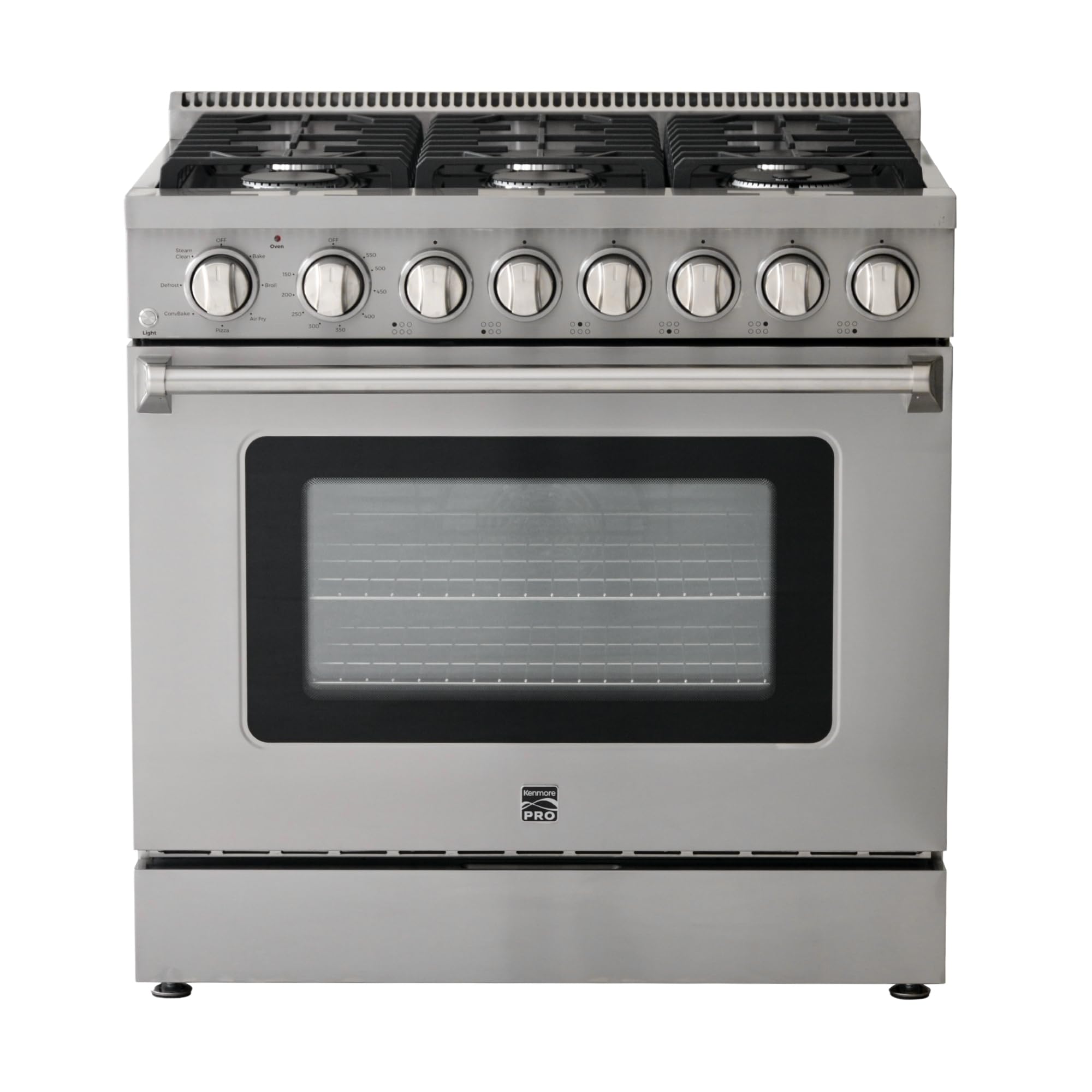


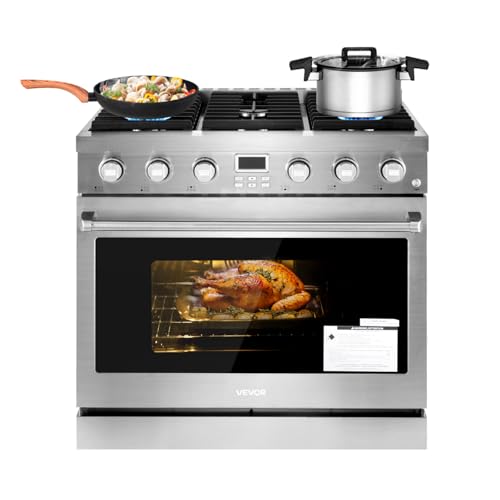

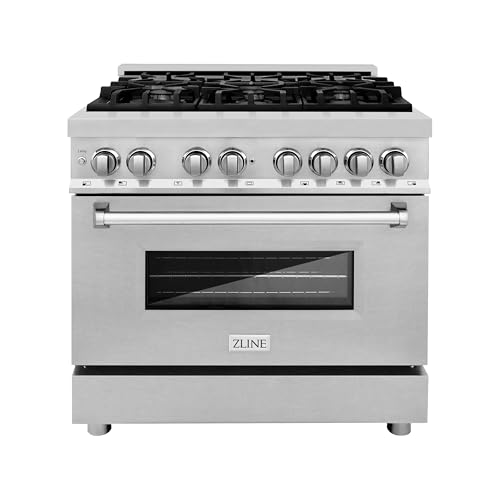
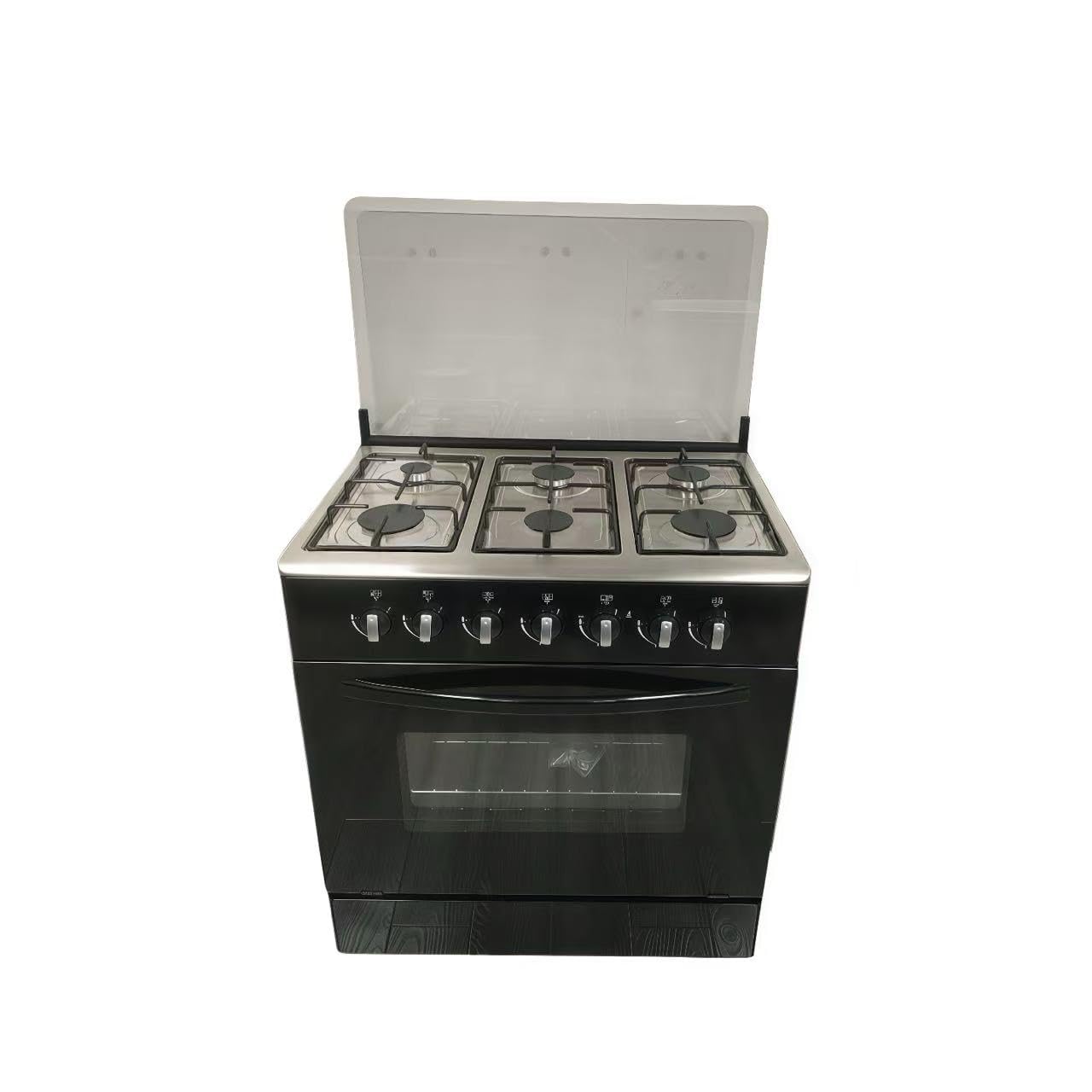
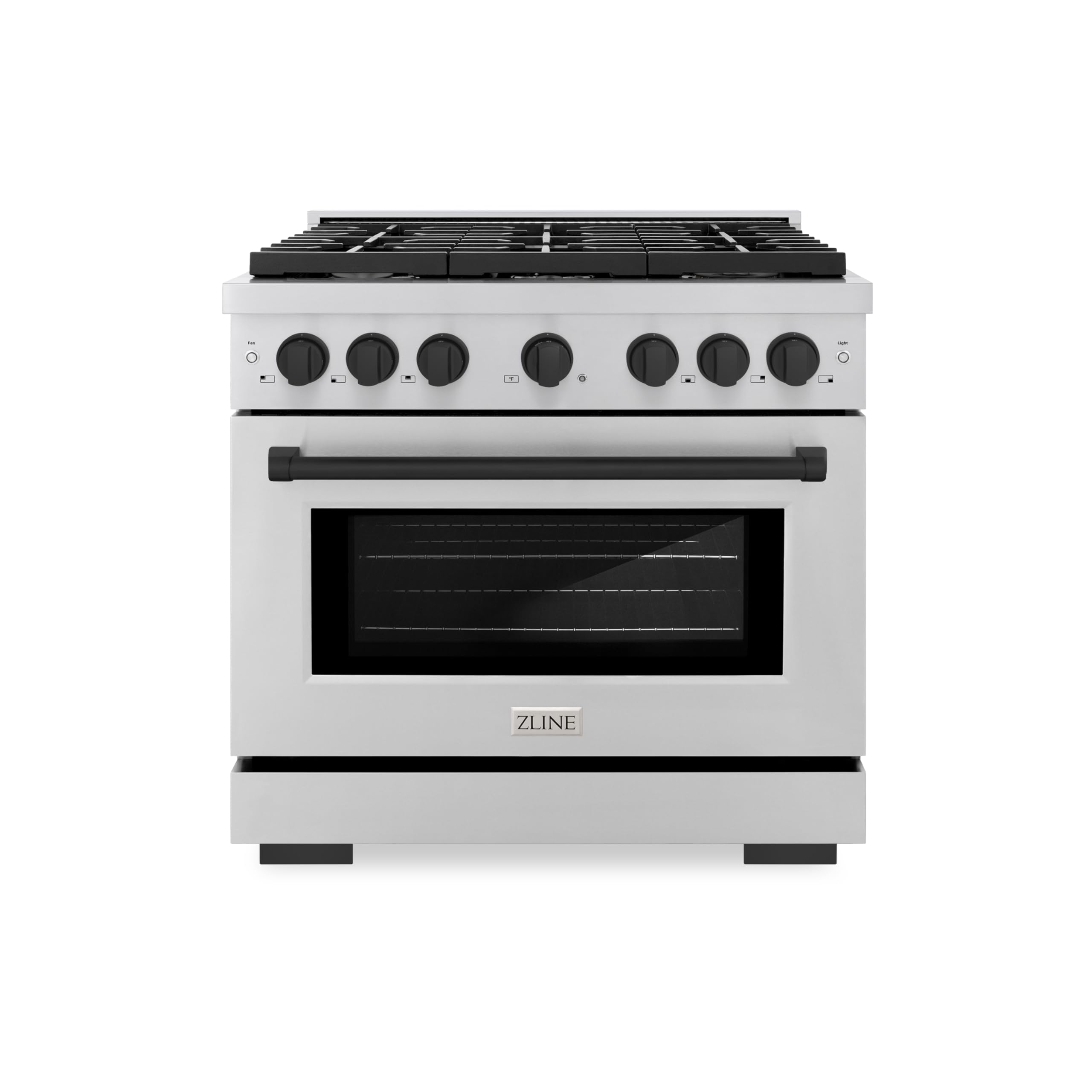
Quick Answer: The Three Styles at a Glance
Almost every six burner model falls into one of three styles. Freestanding ranges have finished sides and a back panel with controls, so they slide into a standard opening and suit most homes. Slide in ranges place the controls at the front and leave the backsplash visible, giving a cleaner built in look. Pro style ranges are wider, heavier, and built around stronger burners and larger ovens.
Your kitchen layout usually decides between them before features do. The sections below walk through each decision in the order you should make it.
Before You Buy: A Quick Checklist for Choosing a Gas Range
Size: Match It to Your Space
Width is the first filter, and it is stricter for six burners than for any other range type. Most six burner models are 36 inches wide, because six burners plus a usable oven need that footprint. A few compact designs squeeze six burners onto a 30 inch frame, but the burners sit close together and large pans crowd each other. Wider 48 inch models exist, yet they demand a serious remodel. Measure your opening, then check depth and back panel height against your counter and backsplash before falling for any single model.
Which Type Fits Your Routine
Think about how your household actually cooks, not how you cook on holidays. A family that runs three burners on weeknights and bakes on weekends needs even heat and a reliable simmer more than raw power. A household that hosts often benefits from a double oven layout, since sides and a main dish can bake at different temperatures at once. If your cooking leans on pancakes and sandwiches, a center griddle earns its space. Our guide to the best double oven gas range explains when two cavities beat one large one.
Features Worth It (and Ones to Skip)
Convection is worth paying for if you bake or roast often, because the fan evens out hot spots and helps multiple racks cook at a similar pace. A high output burner in the 18,000 to 22,000 BTU range earns its keep for fast boils and hard sears, while a true low simmer burner matters just as much for sauces and rice. Skip paying extra for smart controls you will rarely open, and treat air fry modes as a bonus rather than a reason to buy, since a small countertop appliance often does that single job well.
Measurements and Compatibility With Your Setup
Beyond the opening width, confirm four things before ordering. First, your gas line and shutoff valve must sit where the range expects them, usually low and near the back wall. Second, check whether your home runs natural gas or propane, because many models need a conversion kit and a technician to fit it. Third, measure every doorway and hallway turn on the delivery path, since a 36 inch range is bulky and heavy. Fourth, confirm the outlet position, because even gas ranges need power for the igniters and oven light. If you are still weighing fuel types, our gas vs induction range comparison covers running costs and cookware needs.
Certifications and Safety Standards
Look for certification from a recognized testing body such as UL or CSA on the rating plate, which confirms the range meets North American safety standards for gas appliances. A carbon monoxide detector on the same floor is a sensible companion for any gas appliance, and your kitchen should vent outdoors if you cook with high heat often. Keep the area around the range clear of towels and paper, and teach everyone in the house where the gas shutoff valve is.
DIY vs Pro Installation Cost
Swapping a like for like range where a gas line and shutoff already exist is the cheapest scenario, and many retailers bundle basic hookup into delivery. Costs climb when a plumber must move the line, add a shutoff, or convert the range for propane. Running a new gas line to a kitchen that never had one always needs a licensed professional and, in many areas, a permit. Our breakdown of gas range installation cost shows what each scenario typically runs, and our step by step on how to install a gas range explains the job so you can judge quotes fairly.
Realistic Budget Ranges
Entry level six burner models start at about $900 to $1,400 and give you solid burners, a basic convection oven, and a simpler finish. The middle of the market, about $1,500 to $2,500, adds better grates, a griddle, and more even ovens. Pro style models run about $3,000 to $6,000 and beyond, buying stronger burners and larger oven capacity. Set your budget after pricing installation, since a new gas line can add as much as a whole price tier.
Three Range Styles Compared: Which Fits Your Home
Freestanding Ranges for Most Homes
Freestanding models are the default choice for good reason. Finished sides mean the range looks complete even if one side faces open room, and the raised back panel keeps splashes off the wall while housing the controls away from small hands. They fit the widest range of existing kitchens, they are usually the most affordable style at any width, and replacement years later is simple because the opening stays standard. The trade off is a less tailored look than a slide in model.
Slide In Ranges for a Cleaner Look
Slide in models overlap the countertop edge slightly, which closes the gap where crumbs and drips usually fall, and front controls remove any reaching over steam. They show off a tile backsplash and give a remodeled kitchen a finished feel. The costs are a higher price for similar cooking hardware and a stricter fit, because the cutout and depth must match closely. Households comparing widths will find our guide to the best 36 inch gas range useful, since nearly every six burner model lives at that size.
Pro Style Ranges for Serious Home Cooks
Pro style ranges bring stronger burners, heavy continuous grates, and large ovens that swallow a full sheet pan with room to spare. They suit big households and confident cooks who run five or six burners through a long Sunday cook. The trade offs are weight, price, and ventilation. These ranges can weigh twice as much as a standard model, they often need a stronger hood, and their burners can be overkill for a household that mostly reheats and boils.
How We Compare 6 Burner Gas Ranges
Our comparisons weigh the factors that decide daily satisfaction. Installation and compatibility come first, since a range that fights your kitchen loses no matter how strong its burners are. Next comes build quality, then the feature set judged against real routines, safety certifications, warranty length, and ownership cost. Our guide to the best gas range applies the same standards to four and five burner models.
What We Like and What We Don't About 6 Burner Ranges
The clear win is elbow room. Six burners let a large pot, a wide skillet, and two small saucepans run at once without pans stealing heat from each other, and holiday cooking stops being a scheduling puzzle. Continuous grates let you slide a heavy pot across the surface instead of lifting it. The oven on a 36 inch model is usually wide enough for two half sheet pans side by side.
The downsides are just as real. You give up counter space permanently, and in a small kitchen that lost prep room hurts every day. Six burners also means six sets of caps and grates to clean. Output on cheaper models can disappoint, with six modest burners rather than a useful mix of strong and gentle ones.
Common Buying Mistakes to Avoid
- Ordering a 36 inch range for a 30 inch opening, which turns delivery day into an emergency.
- Counting burners instead of checking output, so all six end up too weak for a proper sear.
- Ignoring the delivery path, so the range cannot make the turn into the kitchen.
- Forgetting ventilation, which leaves a strong range filling the house with smoke.
- Skipping the propane conversion check, so the range arrives set for natural gas.
- Paying for a double oven, a griddle, and a smart panel, then using none of them weekly.
Cost of Ownership and Care
Running costs for gas are modest in most regions, and the main ownership expenses arrive as parts and upkeep. Igniters, oven gaskets, and burner caps are the wear items most owners eventually replace, and each is affordable if you catch problems early. A range hood filter needs regular washing, since a neglected filter raises both odors and fire risk. Wipe spills once the grates cool, and keep the burner ports clear with a soft brush so flames stay blue and even.
Once or twice a year, vacuum dust from behind the range and check the gas connector for damage. If you ever smell gas and no burner was just lit, leave the house and call your gas utility from outside.
FAQ
Which gas range brands tend to be most reliable?
Reliability tracks less with the badge and more with simplicity and parts support. Ranges with fewer electronic boards and widely stocked igniters and valves tend to be cheaper and faster to repair years later. Check that local service companies will work on the brand before you buy. A longer oven warranty is a useful signal, since manufacturers price warranties against their own repair data.
How do you deep clean a 6 burner gas range cooktop?
Remove the grates and burner caps once everything is fully cool, then soak the caps in warm water with dish soap for about 20 to 30 minutes. Scrub softened residue with a non abrasive pad, dry every part completely, and make sure each cap sits flat before relighting, since a tilted cap causes uneven flames.
Is a gas range still worth it for a new kitchen?
It can be, if your home already has a gas line and you value instant flame control and cookware freedom, since gas works with every pan you own. If the kitchen needs a new line run from scratch, the installation bill can erase the price gap against other fuel types. Some cities restrict gas hookups in new construction, so check local rules early in a remodel.
How long does a 6 burner gas range usually last?
Most gas ranges serve about 13 to 15 years with normal home use, and the cooktop usually outlasts the oven electronics. Igniters are the most common midlife repair, often around years seven to ten. Simple models with fewer boards tend to reach the top of that range, because there is less to fail. Keeping the oven gasket intact helps, since a leaking seal forces longer preheats and stresses the igniter.
Are 6 burner gas ranges worth it for a family of four?
They are worth it if your family regularly cooks two or more dishes at once, batch cooks on weekends, or uses oversized pans that crowd a standard cooktop. Watch one normal week of cooking and count how often a fifth or sixth burner would have run. If the answer is twice a week or more, the wider cooktop earns its counter space. If it is twice a month, a five burner model will likely serve you better.
Final Thoughts
Start with your opening width, then choose the style that matches your routine, and only then compare burners and extras. Freestanding models fit the most homes, slide in models reward a careful remodel, and pro style models serve households that truly cook at volume. Check the product table above once more against your measurements and budget.
Chosen that way, the best 6 burner gas range becomes the quiet center of a kitchen that works the way your family lives.