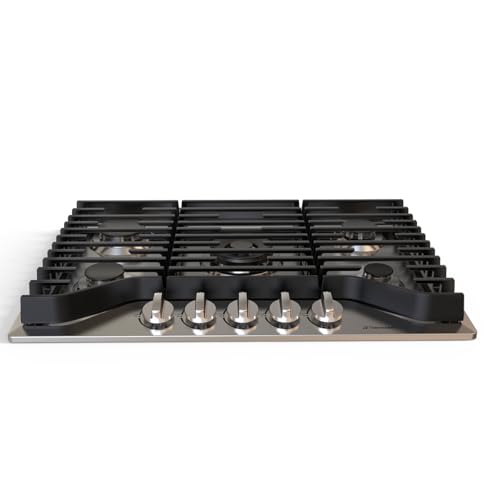
Best 36 Inch Gas Range for 2026: A Guide for Real Homes
Disclosure: We may earn a commission when you buy through links on this page, at no extra cost to you. As an Amazon Associate I earn from qualifying purchases. Learn more

Choosing a 36 inch gas range for a busy family kitchen: cutout size, burner layout, oven features, installation and budget.
Upgrading from a standard stove often starts with a simple frustration. Four burners feel crowded on a busy weeknight, a large sheet pan will not sit flat, and the oven struggles when you cook for guests. A best 36 inch gas range search is usually about fixing those daily limits without turning your kitchen into a restaurant. The extra width gives you room to spread out, but it also asks more of your cabinets, your gas line, and your budget.
This guide focuses on fit for real homes rather than showroom appeal. You will work through size, layout, household size, ease of daily use, and the full cost of owning and maintaining the range. Use the buying profiles below to match widths, burner layouts, and oven features to your household. If you are still weighing sizes, see our guide to the best gas range options for the wider picture.
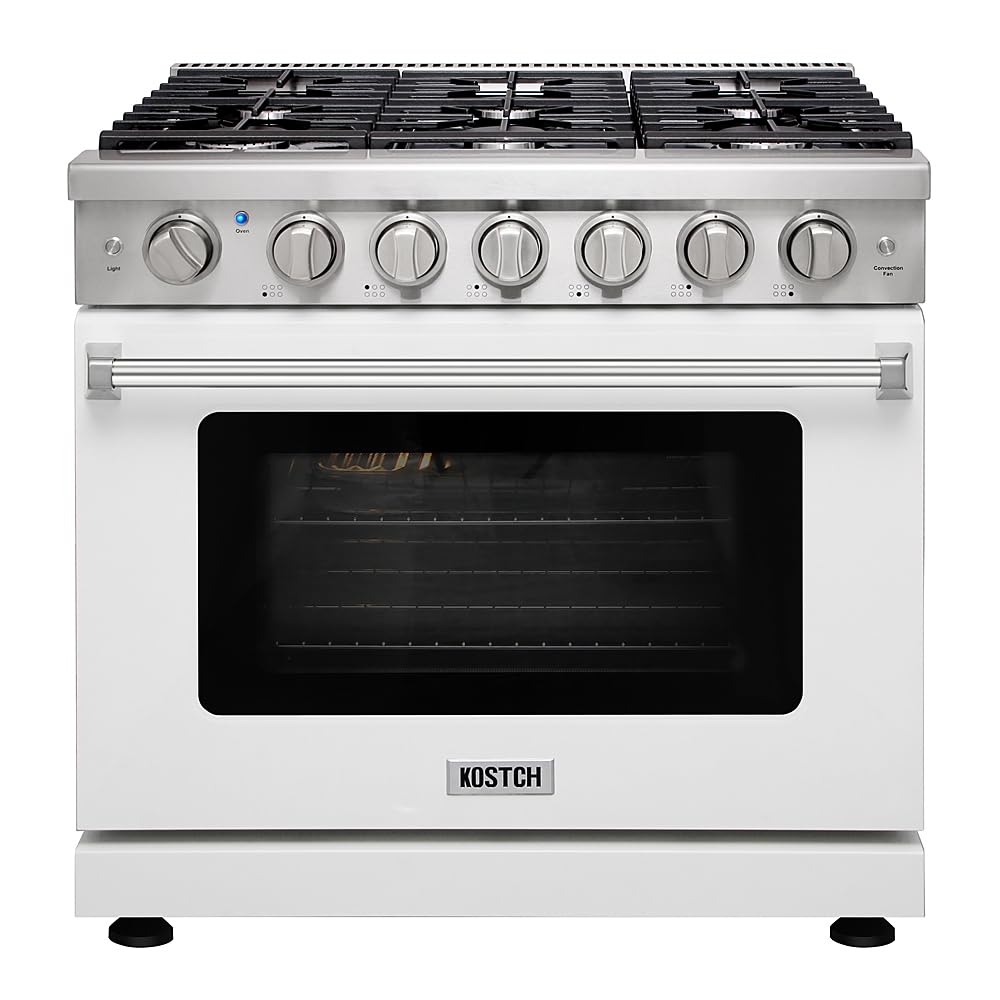


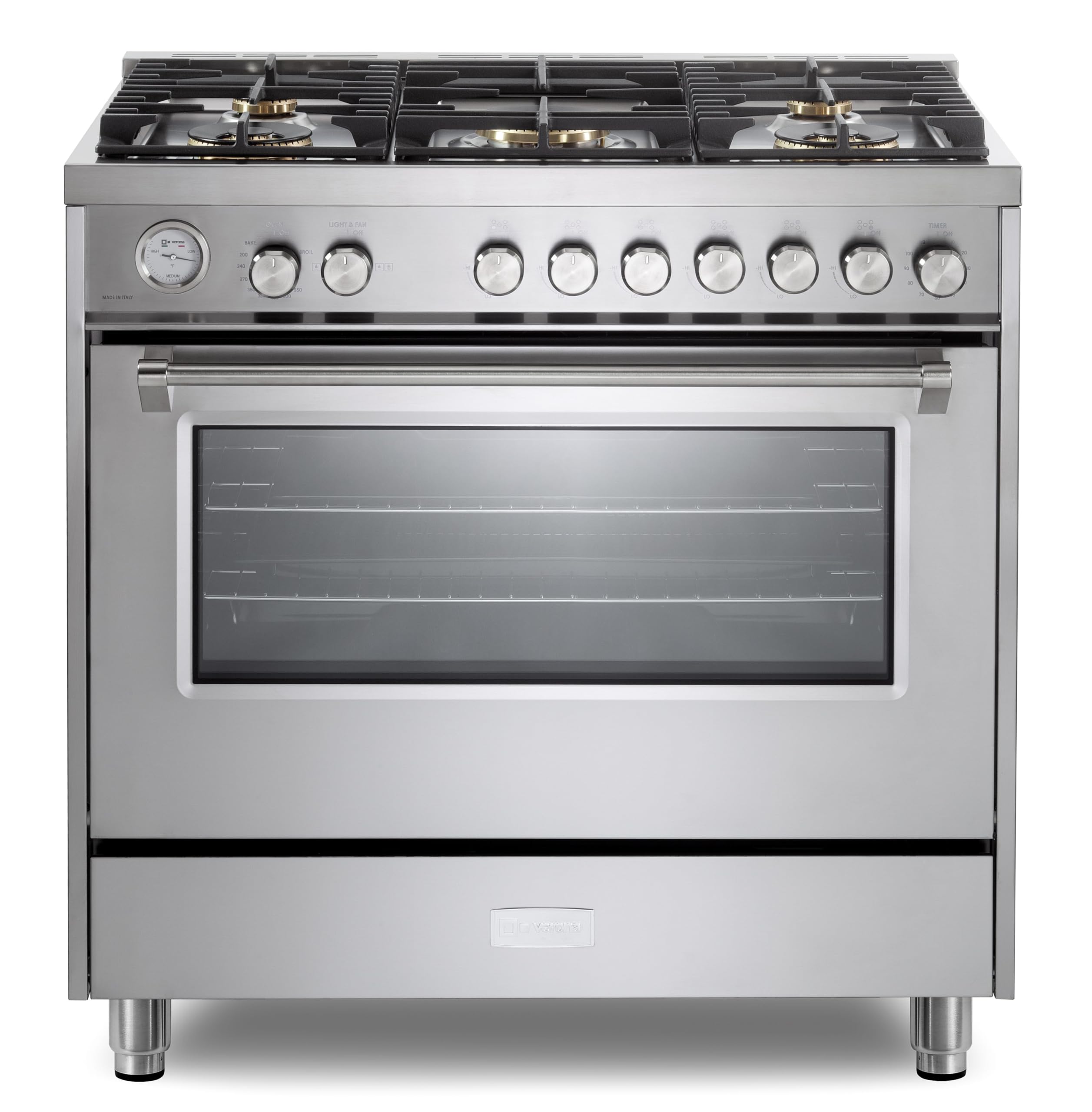
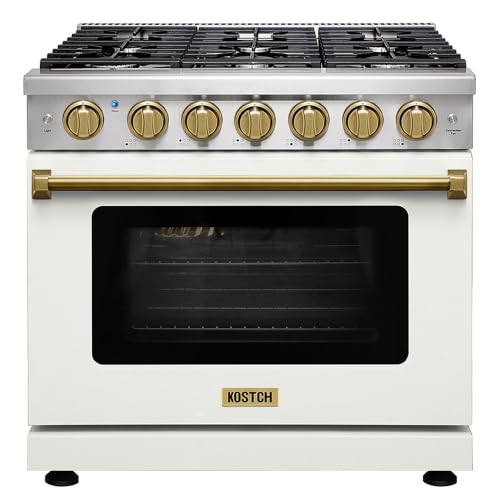
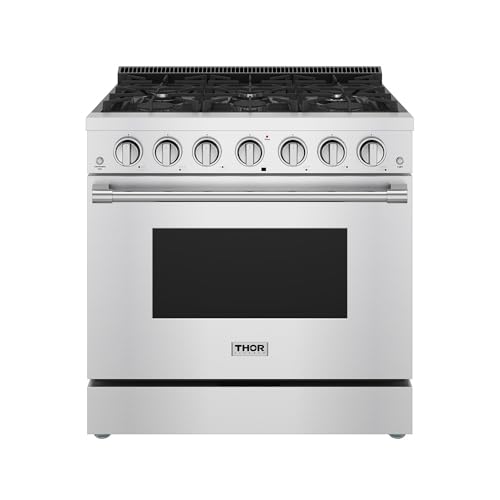
Quick Guide: Three Buying Profiles for Different Homes
The Busy Family Kitchen Profile
Choose a five or six burner layout with a large center burner and a true convection oven if you cook several dishes at once most nights. Families gain the most from wide grates that let pans slide without lifting, an oven that holds at least two sheet pans, and controls that stay simple when several people take turns cooking. A removable griddle can help with weekend breakfasts, but only pick it if you have storage for it when it is not in use.
The Keen Home Baker Profile
Prioritise oven evenness over raw burner power if bread, cakes, and roasts matter more than fast boils. Look for convection with a rear fan, a reliable low temperature hold, and racks that glide smoothly under heavy dishes. A dual fuel layout can suit this profile, and our comparison of dual fuel vs gas range models explains how an electric oven changes baking results. Also check that the oven fits your largest roasting pan with the door closed.
The Style Led Remodel Profile
Focus on finish, fit, and ventilation if the range is the visual center of a remodel. A clean stainless steel front, sturdy knobs, and a low backguard can suit open plan kitchens where the range is always on view. This profile often costs more for looks than for cooking gains, so keep money aside for the hood and install work that complete the look. Daily ease still matters, so favour sealed burners and parts you can wipe without special cleaners.
Before You Buy: A Checklist for Choosing a 36 Inch Gas Range
Size: Match the Range to Your Space
Standard kitchen ranges come in 20 inch, 24 inch, 30 inch, 36 inch, and 48 inch widths, and each step up changes more than the cooktop. A 36 inch model is usually 36 inches wide, about 27 to 29 inches deep, and about 36 inches high to match standard counters. It needs a full 36 inch cutout, so it will not drop into a 30 inch opening without cabinet work. Measure the opening at the front and back, since older cabinets are not always square.
Which Type Fits Your Routine
Freestanding models have finished sides and a backguard, so they tolerate small gaps and suit most replacement jobs. A slide in style overlaps the counter for a built in look and puts controls at the front, which helps if you dislike reaching over hot pans; our guide to the best slide in gas range styles covers that layout in detail. Pro style models add heavier grates and larger burners but often run deeper. Double oven versions split capacity for different temperatures, while single large ovens handle big trays better.
Features Worth Paying For and Ones to Skip
A high output burner at about 18,000 to 20,000 BTU boils large pots quickly, while a low simmer burner near 5,000 BTU or below holds sauces without scorching. Continuous cast iron grates, sealed burners, and convection are worth paying for because you use them daily. A center griddle earns its place if you cook pancakes or grilled sandwiches weekly. Air fry modes, smart controls, and voice features are easier to skip, since a countertop appliance or a simple timer often does the same job for less money.
Measurements and Compatibility With Your Setup
Check four things before you order: the cutout width, the depth to the back wall, the gas line position, and the electrical outlet for the igniters and controls. Confirm whether your home uses natural gas or propane, because many models need a conversion kit and a different setup for propane. Walk the delivery path and measure doorways, halls, and turns, since a 36 inch range is wide and heavy. Keep the make and model measurements with you when you talk to your installer.
Safety Listings and Ventilation
Look for a recognised safety listing such as CSA, UL, or ETL on the rating label, and follow the clearance distances printed in the manual for walls and cabinets. A 36 inch gas cooktop produces a lot of heat and moisture, so plan a hood that covers the full width and vents outdoors where possible. Good ventilation also helps control carbon monoxide and cooking fumes, and a working carbon monoxide alarm near the kitchen adds a further safeguard. Check local rules before you change a gas line or hood duct.
Professional Installation and What It Adds
Gas work is not a casual weekend job. A licensed installer will confirm line capacity, fit the shutoff valve, test for leaks, and level the range so pans sit flat and the oven door seals well. Costs rise if the line needs moving, the floor needs leveling, or old cabinets need trimming, so read our breakdown of gas range installation cost before you set your total budget. Book the installer before delivery day so the new range is not left blocking the kitchen.
Realistic Budget Ranges
Most 36 inch gas ranges cost far more than 30 inch models, with many homes spending about $2,000 to $4,000 before delivery and install fees. Under about $2,500 you usually get a sound freestanding layout with five burners and a single convection oven. From about $2,500 to $4,500 you gain stronger burners, heavier grates, and better oven features. Above that range you mostly pay for pro style build, finish options, and dual fuel ovens, so spend there only if those gains match how you cook.
How to Evaluate a 36 Inch Gas Range
Start with installation and compatibility, because the best specified range is a poor buy if it does not fit or cannot connect safely. Next judge build quality and finish by looking at grate weight, knob feel, door hinges, and how easily the oven racks slide. Then compare the features you will use weekly against the ones you will ignore. Finish by checking certifications, warranty length, and whether service and spare parts are easy to arrange in your area.
Use maker specification sheets and verified buyer feedback to cross check claims about burner output, oven capacity, and dimensions. Treat headline BTU figures with care, because pan size and grate height change how fast a pot actually boils.
Is a 36 Inch Gas Range the Right Size for You?
The width pays off when you regularly cook with three or more large pans, host often, or bake on full sheet pans. A household of four or more that cooks most dinners at home will feel the gain every week, especially with five or six burners and a wider oven.
Stay with a smaller size if your kitchen is tight, your gas line upgrade is costly, or you mostly cook one or two pans at a time. Many couples and small households get better value from the sizes covered in our guide to the best 30 inch gas range, and they keep more cabinet storage. Giving up six inches of counter or cupboard space is a real loss in a small kitchen, so weigh that trade honestly before you commit.
Common Mistakes to Avoid
- Ordering before measuring the cutout at the back, so the range arrives and will not slide fully into place.
- Forgetting the gas fuel type, so a natural gas model reaches a propane home without the right conversion kit.
- Keeping an undersized hood, so heat, grease, and steam spread through the room every time all burners run.
- Paying for a griddle, air fry, and smart controls you rarely use, while cutting the budget for installation.
- Ignoring the delivery path, so the range cannot pass a narrow door or tight turn in the hall.
- Skipping the anti tip bracket, which the installer should fit so the range cannot tilt forward when the oven door is open and loaded.
Cost of Ownership and Care
Running costs stay modest for most homes, but upkeep shapes how the range feels after a few years. Wipe spills from the cooktop once it cools, lift the grates to clean under them weekly, and wash burner caps in warm soapy water so the ports stay clear. Blocked ports cause uneven flames and slow ignition, so let every part dry fully before you put it back. Use the oven self clean cycle sparingly if your model has one, and follow the manual limits.
Budget for small replacements over time, such as igniters, knobs, oven door seals, and grate feet, and keep the model number handy when you order parts. An annual check by a qualified technician can catch gas or ignition issues early, especially if flames turn yellow or you smell gas, in which case you should stop, ventilate the room, and call your gas provider or emergency service.
Your Questions, Answered
Which gas range brands tend to be most reliable?
Reliability depends more on model design, local service cover, and parts access than on a single brand name. Simpler ranges with fewer electronic boards tend to give fewer faults over time. Before you buy, check how many authorised service firms work in your area and how long common parts stay available. A strong warranty with clear labour cover is a practical sign that a maker supports its ranges well after delivery.
How do you clean a 36 inch gas range?
You clean a 36 inch gas range by removing the grates and burner caps once cool, washing them in warm soapy water, and wiping the sealed surface with a soft cloth. Dry every part fully before refitting it so ignition stays reliable. For baked on oven soil, a paste of baking soda and water left overnight loosens deposits without harsh fumes. Avoid soaking cast iron grates for long periods, since prolonged soaking can damage their seasoning and finish.
Is a 36 inch gas range worth it?
A 36 inch gas range is worth it if you often cook several pans at once or bake large trays and your kitchen can spare the width. The value shows up in calmer weeknight cooking rather than in any single meal. If you cook simple meals for one or two people, the extra burners will sit unused and the money would work harder elsewhere. Renters and owners planning a near term move may also find the install costs hard to recover.
How long does a 36 inch gas range last?
A 36 inch gas range typically lasts about 13 to 18 years with regular cleaning and prompt repairs. Heavy cast iron grates and simple controls tend to age well, while complex electronic boards are often the first parts to fail. Keeping burner ports clear and the oven door seal intact helps the range hold its performance. If repair quotes approach half the cost of a comparable new range, replacement usually makes better financial sense.
What size gas range do I need for my kitchen?
You need the size that matches your cutout, your cooking volume, and the storage you can give up. Measure the opening first, then count how many burners and how much oven space you use on your busiest cooking day. A 30 inch range suits most two or three person homes, while 36 inches suits larger households and keen cooks. Remember to include hood width in the plan, because the hood should match or exceed the cooktop width.
What is the best 36 inch gas range for a family home?
The best choice for a family home is the type that fits your cutout, offers a large convection oven, and pairs strong burners with a gentle simmer. Family use rewards easy cleaning and sturdy grates more than show features. Check that front controls sit out of reach of small children or choose models with control locks where offered. Match the final pick to your fuel type and confirmed install quote so there are no surprises on delivery day.
Final Thoughts
A wider range can change daily cooking for the better, but only when the size, layout, and install plan all suit your home. Work through the checklist, compare your shortlist against the profiles above, and keep the budget honest by including delivery, ventilation, and fitting costs. Chosen that way, the best 36 inch gas range for your household will be the one that fits your space, matches your routine, and stays easy to live with for years.