Best Double Oven Gas Range: A Complete 2026 Buying Guide
Disclosure: We may earn a commission when you buy through links on this page, at no extra cost to you. As an Amazon Associate I earn from qualifying purchases. Learn more
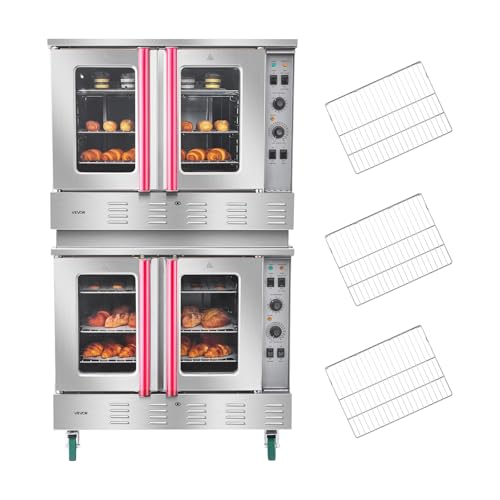
If you already know you want gas heat on the cooktop and two separate oven cavities underneath, the real work starts once you look past the basic pitch. A double oven gas range lives or dies by the details on the gas side, including how the burners are laid out, how much heat they actually put out, and how the oven ignites when you turn the dial. This guide skips the fuel comparison, since you have already settled on gas, and goes straight into what separates a gas range that performs well every day from one that just looks good on a spec sheet, plus the installation details many buyers overlook until moving day.


Burner Configuration and BTU Output: What Actually Matters on the Cooktop
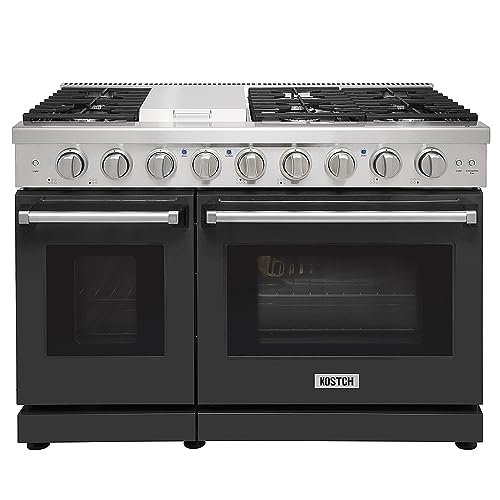
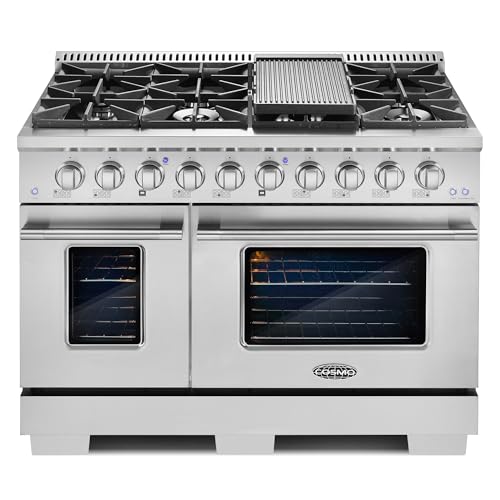
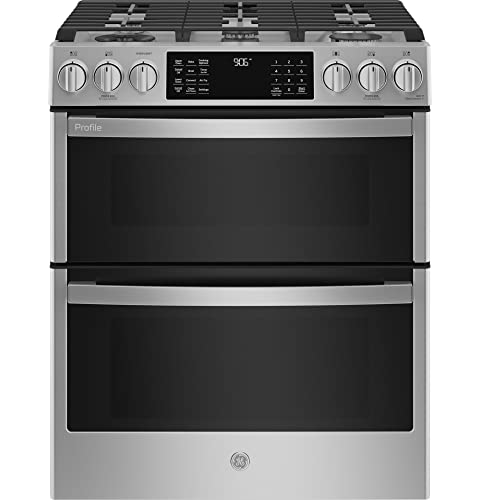
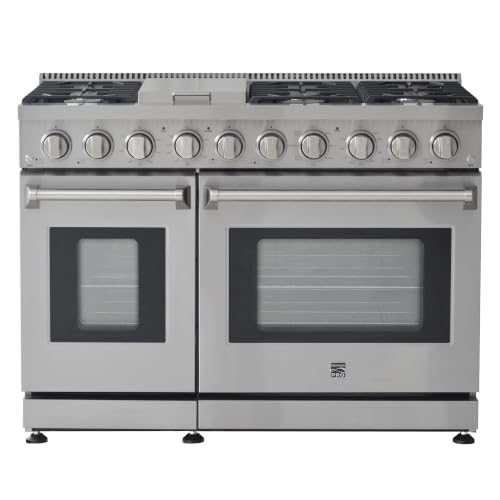
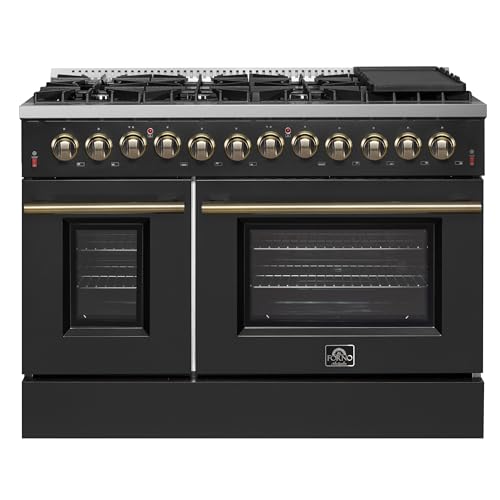
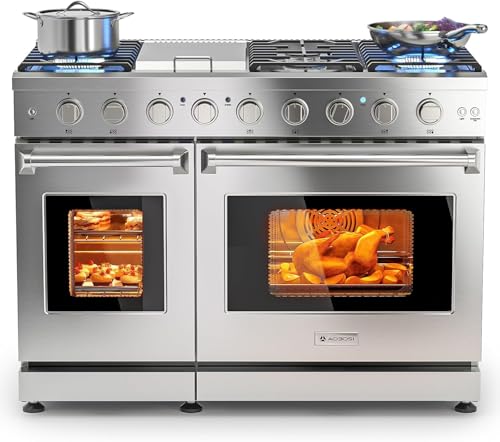
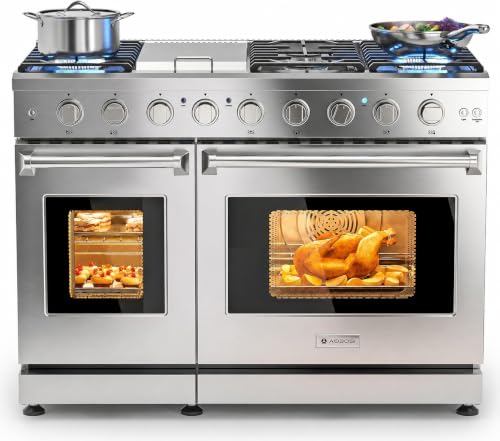
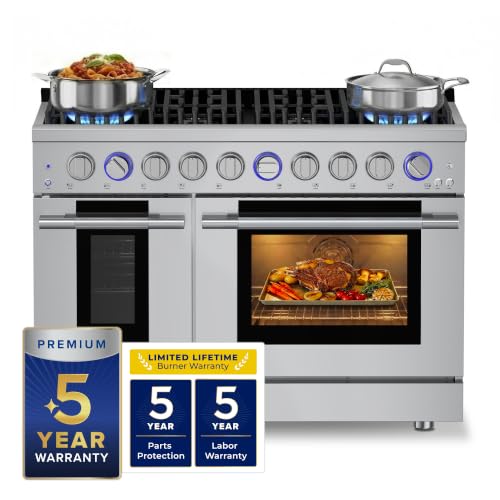
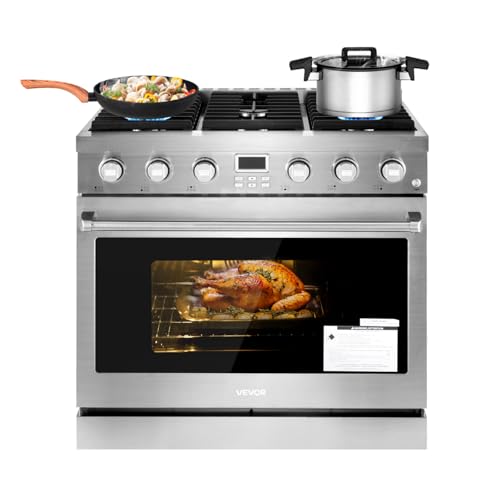
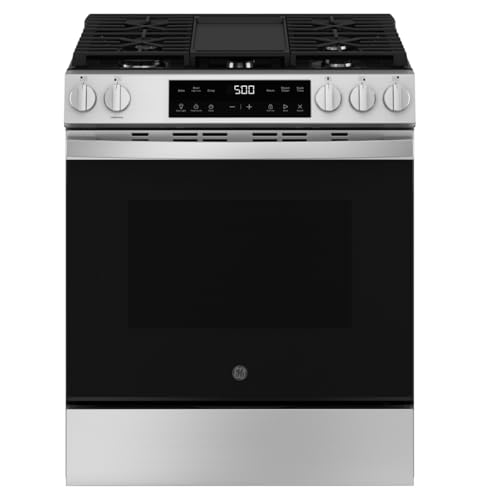
Most 30 inch double oven gas ranges pack four to six burners of mixed sizes rather than one uniform set, and the mix matters more than the total count. A low output simmer burner, often in the 500 to 2,000 BTU range, is what keeps a delicate sauce from scorching or lets you hold melted chocolate at a safe temperature. On the other end, a high output or power burner in the 15,000 to 18,000 BTU range is what gets a pot of pasta water boiling quickly or sears a steak with real color. Many double oven models also include a center oval burner around 10,000 BTUs sized for a griddle pan or a stockpot that would not sit steady on a round grate.
Rather than chasing the highest number available, match BTU output to how you actually cook. A household that mostly sautes and simmers gets more use out of a wide BTU range across several burners than out of one oversized burner it rarely needs. If you are still deciding whether gas is the right fuel for your kitchen at all, our overview on double oven ranges compares gas, electric, and dual fuel side by side.
Sealed Burners vs. Continuous Grates: Two Different Cooktop Designs
Sealed burners sit inside a ring that keeps spills from dripping down into the burner assembly, which makes daily cleanup considerably easier since a boiled over pot wipes off the surface instead of running underneath. Open burner designs expose more of the flame and can reach higher peak output, which is why they show up more often on professional style ranges, but they also mean disassembling more parts to clean thoroughly.
Continuous grates are a separate feature worth checking independently of burner type. A single connected grate spans the entire cooktop, so you can slide a heavy pot from one burner to another without lifting it, which matters when you are managing multiple dishes across two ovens and need to move things quickly. Individual grates per burner are lighter to lift out for cleaning but do not offer that same sliding convenience.
Ignition Systems: Electronic Ignition vs. a Standing Pilot
Nearly all new gas ranges use electronic ignition, where a spark module fires only when you turn a knob and shuts off the moment the burner lights. That design uses less gas overall than a standing pilot, which keeps a small flame burning around the clock so the burner ignites instantly whenever you need it. The tradeoff is that electronic ignition depends on household power.
During a power outage, the surface burners on an electronic ignition range can typically still be lit with a long match since gas continues to flow through the line, but the oven itself generally cannot be lit manually and will stay off until power returns. If you live somewhere prone to outages and want a completely power independent cooktop, ask specifically whether a model offers a true standing pilot option, since this is increasingly rare on mainstream ranges.
Gas Line, Clearance, and Venting Requirements Before You Install
Before a double oven gas range arrives, confirm your kitchen already has a gas supply line rated for the appliance, and check whether the unit ships set up for natural gas or requires a conversion kit for propane. A licensed installer should handle the hookup and pressure test regardless of how straightforward the connection looks.
Ventilation deserves more attention than it usually gets. Combustion on a gas cooktop releases byproducts into the kitchen air, so an outdoor vented range hood is strongly recommended even in areas where local code does not require one. As a rough guideline, look for a hood rated around 600 CFM or higher if your range includes a high output burner, and mount it within the height range the hood manufacturer specifies, generally 24 to 30 inches above the cooktop. Our wall mount range hood guide covers what to look for in a properly vented option. Finally, double check side and rear clearance requirements, since the taller cabinet of a double oven unit can leave less room than expected for the lower door to swing fully open.
Slide-In vs. Freestanding: Which Style Fits a Double Oven Gas Range
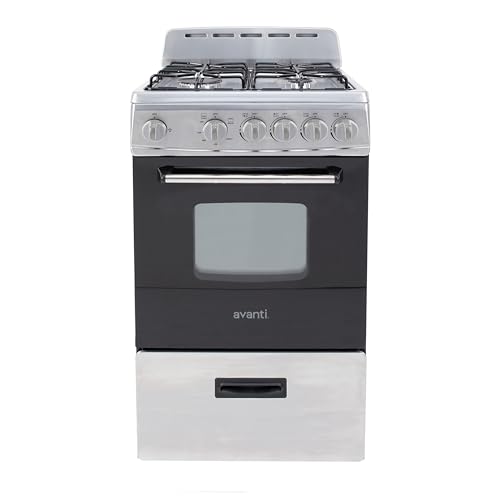
A freestanding gas range has finished side panels and a raised backsplash, so it can sit anywhere in the kitchen, including as a stand alone unit away from cabinets, and its controls may sit on the backsplash or along the front edge. A slide-in gas range is built to sit flush between two cabinets with no visible sides or backsplash, giving a more built in look, and its controls sit exclusively on the front edge for easy access once it is nestled in place.
For a double oven model specifically, the choice affects how a kitchen remodel gets sequenced. A slide-in unit generally needs the surrounding cabinets and countertop finished first so the range can drop into an exact opening, while a freestanding unit is more forgiving if you are replacing an existing range without touching the surrounding cabinetry.
Self-Cleaning Features on a Gas Oven
A self-cleaning gas oven works the same way a self-cleaning electric oven does: the cycle superheats the cavity, often well past 800 degrees, to turn spills and grease into a fine ash you wipe out once the oven cools. Because two cavities on a double oven range run independently, you can typically self-clean one oven while still cooking in the other, though check your specific model since some restrict use of the second oven during a self-clean cycle for safety.
Expect noticeable heat and some odor in the kitchen during a self-clean cycle, so run your range hood and consider timing it when the kitchen will not be in heavy use for a few hours. If a full high heat cycle feels excessive for light daily messes, a lower heat steam clean setting, available on some models, loosens softer spills without the extended cycle time.
Frequently Asked Questions
How many burners does a double oven gas range typically have?
Most 30 inch models have four to six burners in a mix of sizes, with some including a center oval burner for griddles or oblong cookware.
What is a good BTU range to look for in a gas range burner?
A useful spread runs from a simmer burner around 500 to 2,000 BTUs up to a power burner around 15,000 to 18,000 BTUs, giving you low and high heat options on the same cooktop.
Do gas ranges need electricity to work?
The cooktop burners can usually be lit with a match during a power outage, but the oven display, electronic ignition, and most other functions require power to operate.
Is a sealed burner or an open burner better for a gas range?
Sealed burners are easier to clean since spills stay on the surface instead of dripping into the burner assembly, while open burners can reach higher peak heat output and appeal more to serious high heat cooking.
Does a double oven gas range need a special vent hood?
An outdoor vented hood is strongly recommended for any gas range, and a higher CFM rating around 600 or more is worth prioritizing if your model includes a high output burner.
Can a double oven gas range be converted to propane?
Many models can be converted with a kit made for that specific range, but this should be done by a licensed technician rather than as a do it yourself project.
How long does a self-cleaning cycle take on a gas oven?
A full self-clean cycle commonly runs two to four hours depending on the model and how heavily soiled the cavity is, plus additional cooling time before you open the door.
Getting the Gas Side Right
Choosing a double oven gas range comes down to matching burner output and configuration to how you actually cook, understanding the tradeoffs between sealed and open burner designs, and confirming your kitchen can support the gas line and venting the range needs before installation day. Get those specifics right and the rest, from ignition type to cleaning cycle, becomes a matter of personal preference rather than guesswork.