Best 24 Inch 144hz Monitors 2026: Matching the Right Model to Your Routine
Disclosure: We may earn a commission when you buy through links on this page, at no extra cost to you. As an Amazon Associate I earn from qualifying purchases. Learn more
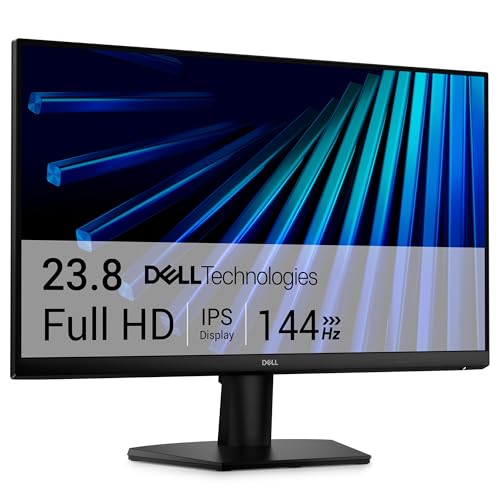
Match the best 24 inch 144hz monitors to your routine, from gaming to work and study, and skip features you will never use.
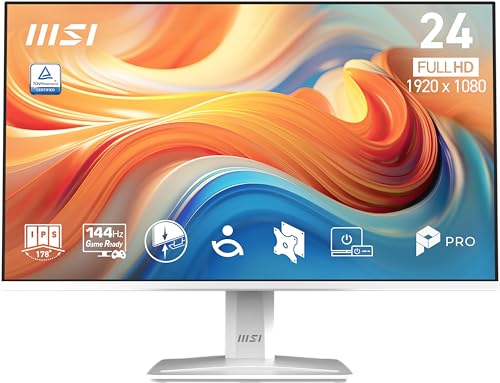
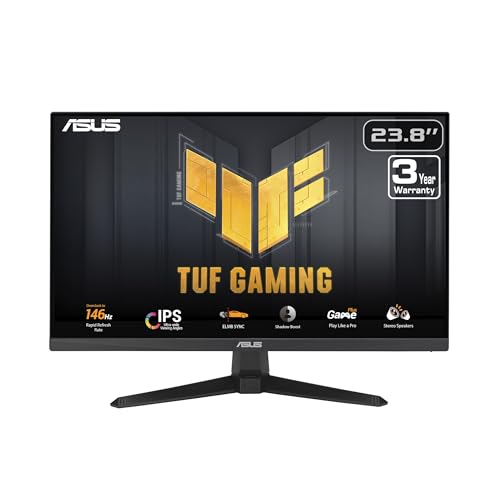
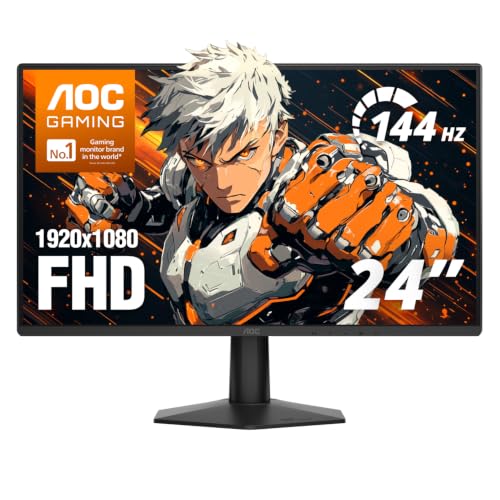
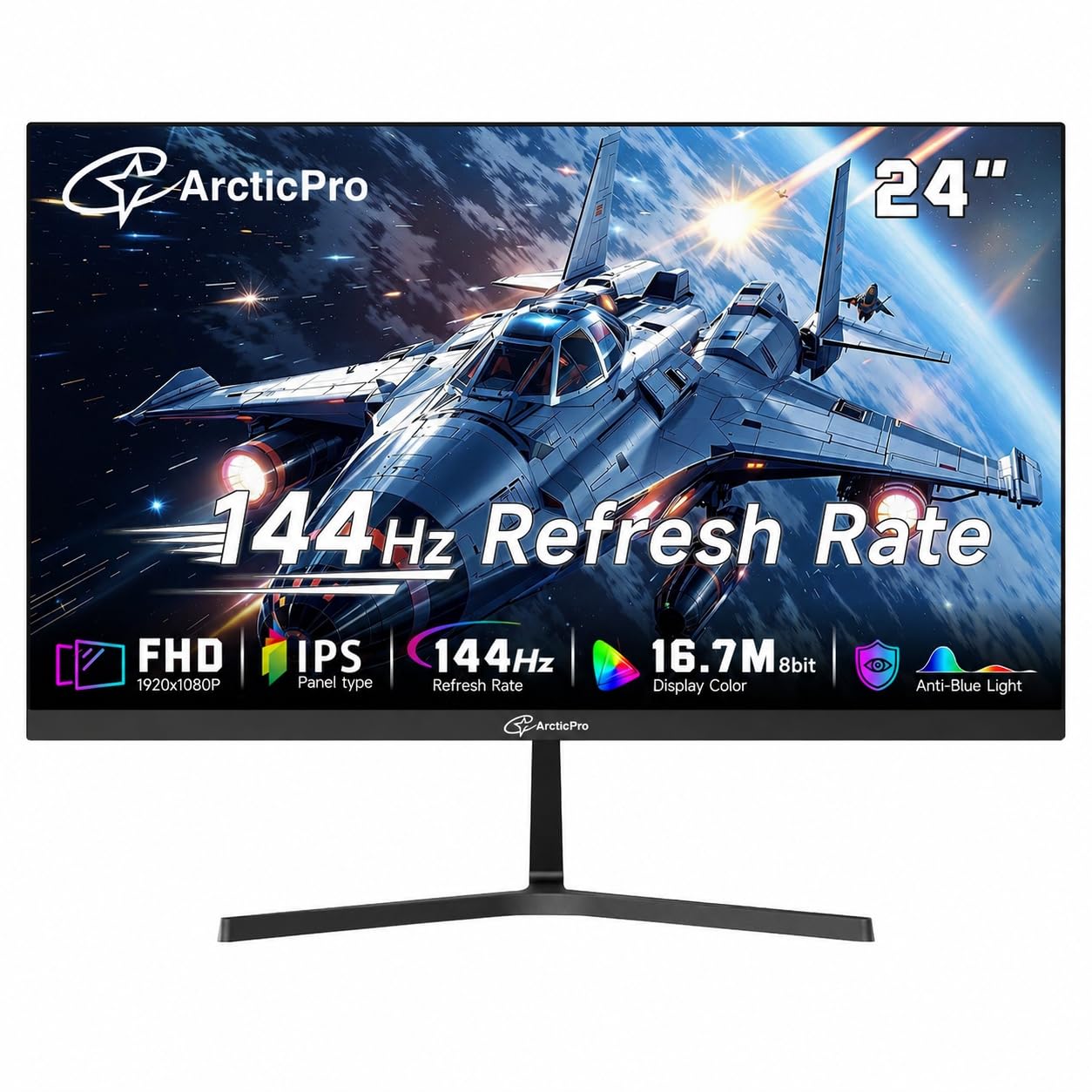
A 24 inch screen running at 144 Hz can feel quick at a small desk, but the right pick depends on your day. The best 24 inch 144hz monitors for a competitive player, a remote worker and a student differ in panel, ports and stand. Use the product table to match each model to the routine it must serve.
This guide starts with use, not specs alone. You will see which panel suits your games or documents, why the cable you use can cap your refresh rate, and where a larger 27 inch screen makes more sense. A careful match now stops you paying for speed or color you will never notice.

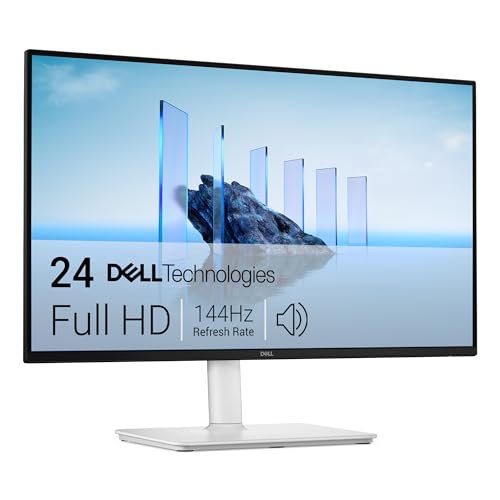

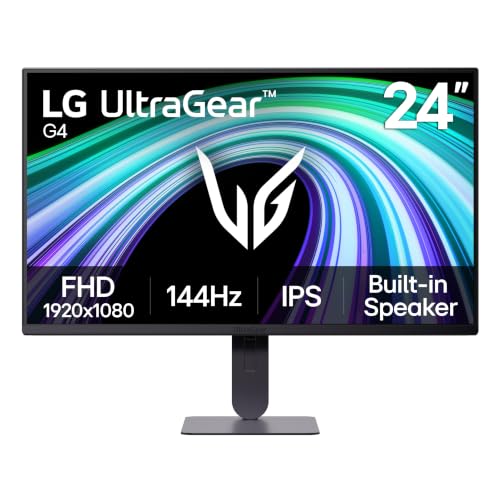
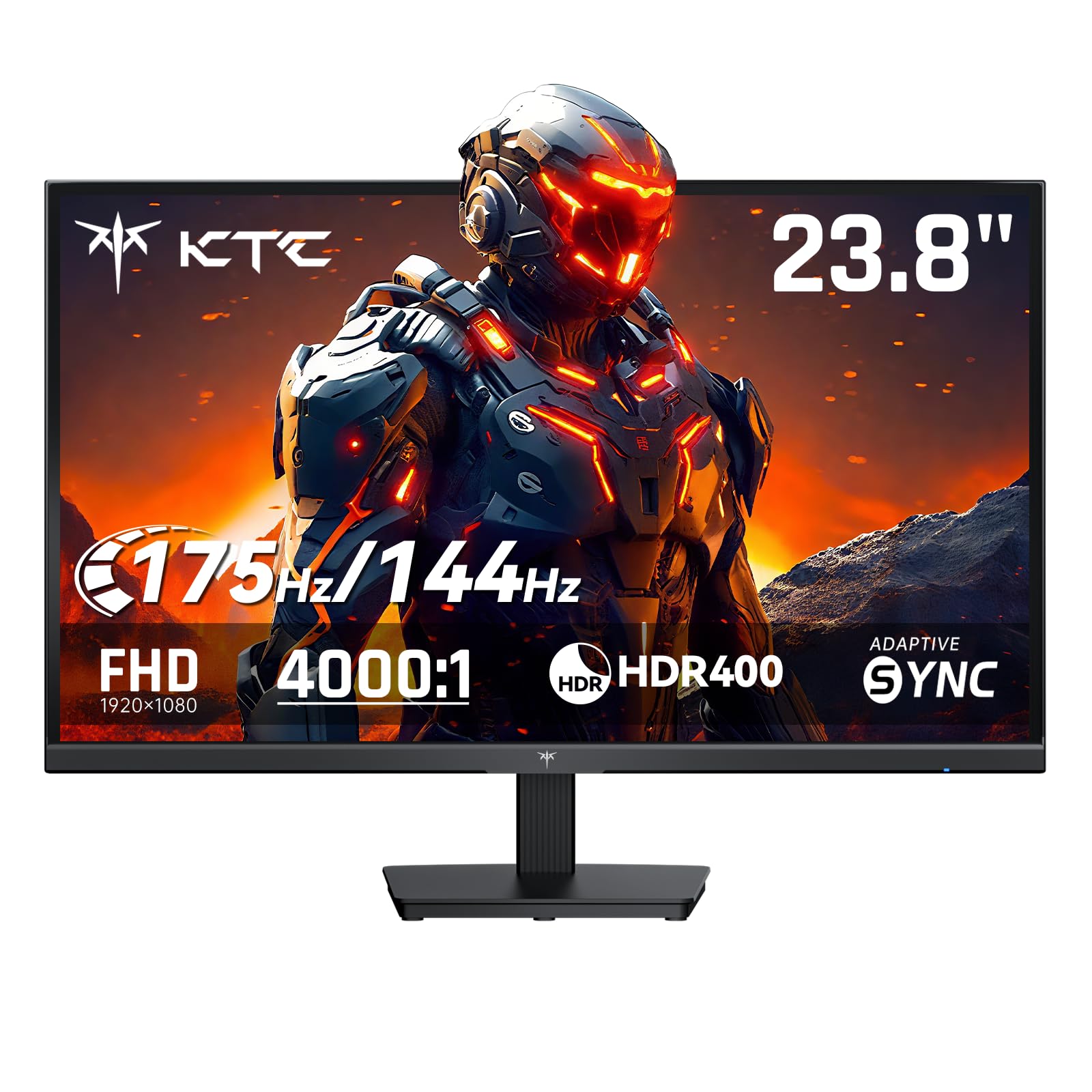


Who Should Buy the Best 24 Inch 144hz Monitors?
Start with the task that fills most of your screen time. A monitor that delights a gamer can tire a writer, and a screen chosen for documents can feel slow in a match, so check the features that serve your main task first.
For Remote Workers and Creators
You need clear text, accurate color and a screen you can face for long hours without strain. An IPS panel with a matte finish keeps text sharp and colors steady. USB C with power delivery lets one cable carry the picture from a laptop and charge it at once. If your desk also holds a desktop PC, see our guide to the best 24 inch pc monitors.
For Gamers and Power Users
You need motion you can track and controls that answer at once. A fast panel, low input lag and adaptive sync matter more to you than wide color for print work. Plan on DisplayPort for the link. Players who want a screen tuned only for play can see our guide to the best 24 inch gaming monitors.
For Students and Everyday Users
You need a stable screen for classes, browsing, video and light play, often about $75 to $140 in this class. A simple stand and clear text at 1080p will serve you well. Sound matters if your desk has no room for separate speakers, so see our guide to the best 24 inch monitor with speakers for lectures and calls.
When a 27 Inch Screen Fits Your Needs Better
The best 24 inch 144hz monitors earn their place on compact desks where you sit close and want fast motion without a wide panel crowding your keyboard. A larger screen helps a different set of tasks, and the contrast below keeps that choice honest.
Best 27 Inch 144hz Monitors
At 27 inches, choose 1440p rather than 1080p, since the same pixel count spread across a larger panel makes text look coarse up close. A deeper desk, about 28 to 34 inches, keeps the wider screen at a comfortable distance. Pick the larger size if you split two windows side by side or edit long timelines. Stay with 24 inches if your desk is shallow or you play fast esports titles and want the whole scene in view at once.
Key Features to Compare
Compare the panel first, then the parts that control motion, image depth, cables and posture. Each factor below changes daily use in a way that a spec sheet alone does not show.
Panel Technology: IPS, VA and TN
IPS panels give the most accurate color and the widest viewing angles, so they suit creators and shared screens. VA panels offer deeper contrast for films and dark game scenes, though dark motion can smear. TN panels answer fastest and cost least, but colors wash out from the side. OLED panels remain uncommon here and cost far more. If color leads your list, see our guide to the best ips 24 inch monitors.
Response Time, Input Lag and Adaptive Sync
Response time describes how fast pixels change color, and lower values mean less blur in motion. Brands measure this figure in different ways, so treat a claim of 1 ms as a best case rather than a promise. Input lag is the delay before your input appears, and you feel it most in fast games.
Adaptive sync, sold as FreeSync or G Sync, matches the screen rate to the frame rate your graphics card sends, which cuts tearing and stutter. Turn it on in the monitor menu and your graphics settings, since either one left off breaks the match.
Resolution and Pixel Density at 24 Inches
Most screens in this class use 1080p, and at 24 inches that gives about 92 pixels per inch, enough for sharp games and clear office text. A 1440p panel looks finer for text and photos, but your graphics card must draw far more pixels to hold high frame rates. A 4K panel needs strong scaling to keep text readable and heavy graphics power for fast play, so it rarely pays off here. For that route, see our guide to the best 24 inch 4k monitors.
HDR and Brightness
For normal indoor use, look for about 250 to 350 nits of brightness, which stays readable near a window with a matte finish. HDR labels in this price range usually mark a peak figure for small bright areas, not a level the whole screen can hold. True HDR impact needs local dimming, which is rare at this size, so weigh contrast and black depth more than the HDR badge.
Connectivity, Ports and VESA Mounting
Plan on DisplayPort for the full 144 Hz at 1080p, and check the manual before you trust an HDMI port, since port versions differ and an older laptop port can cap the rate the screen receives. HDMI 2.1 appears on some models for higher resolutions at high rates. USB C with DisplayPort alt mode suits laptop users.
For posture, look for height adjustment, tilt and pivot to portrait for long documents or code. A VESA pattern, most often 75 by 75 mm or 100 by 100 mm, lets you fit an arm later, so confirm the pattern and screen weight first.
Common Mistakes to Avoid
These errors are easy to make and hard to live with at your desk.
- Buying on refresh rate alone and ignoring panel type leaves you with fast motion and poor color for work.
- Using an old cable or the wrong port can cap a 144 Hz screen at a lower rate silently.
- Choosing 1440p or 4K without a strong graphics card makes games run below the rate you paid for.
- Skipping height adjustment forces you to stack books under the stand, which strains your neck over long sessions.
- Ignoring the VESA pattern and screen weight means a monitor arm bought later may not fit at all.
How to Make Your 24 Inch 144 Hz Monitor Last Longer
Clean the screen only with a dry or lightly damp microfiber cloth, and never spray liquid straight onto the panel, since drips can enter the lower edge and stain the layers inside. Keep the vents at the back clear so heat can leave the case.
Run brightness at the lowest level that stays clear in your room, because a backlight at full power all day dims sooner over the years. Use a standard or sRGB mode rather than a vivid mode, which pushes color past accuracy. If your model uses an OLED panel, run the pixel refresh routine when prompted, since that cycle evens wear across the pixels.
Frequently Asked Questions
Is IPS or OLED Better for a 24 Inch 144 Hz Monitor?
IPS is the better choice for most buyers of a 24 inch 144 Hz monitor. It costs less, holds color well for work and play, and carries no risk from static images. OLED gives deeper blacks and faster pixel response. A fixed taskbar or toolbar left on screen all day can wear OLED pixels unevenly, and warranty terms for that wear vary by brand, so read the cover first.
Does a 144 Hz Refresh Rate Matter for Non Gamers Using a 24 Inch Monitor?
Yes, a 144 Hz refresh rate still helps non gamers, though the gain is smaller than in play. Scrolling through long documents, moving windows and following the cursor all look smoother, which can make a full day of reading feel calmer. One setup step matters here: set the rate to 144 Hz in your system display settings, since many computers default to 60 Hz and never raise it on their own.
What Desk Depth Suits a 24 Inch 144 Hz Monitor?
A desk depth of about 24 to 30 inches suits a 24 inch 144 Hz monitor. That depth places the screen about 20 to 30 inches from your eyes with room for a keyboard in front of it. Measure the stand depth as well, since a deep foot can push the panel closer than the desk size suggests. On a shallow desk, stand depth matters more than a small saving.
How Long Does a 24 Inch 144 Hz Monitor Usually Last?
A 24 inch 144 Hz monitor usually lasts about five to eight years of daily use. The backlight dims slowly with age. Use the first weeks wisely: check for dead pixels and light bleed along the edges while the return window is open, since those flaws are far easier to resolve then than after a year of use.
Is 4K Worth It on a 24 Inch 144 Hz Monitor?
No, 4K is not worth it on a 24 inch 144 Hz monitor for most buyers. Text at native size is too small to read, so the system must scale the image up, and games need heavy graphics power to reach high frame rates. If you edit photos at close range, a 1440p panel at this size adds real detail with gentler scaling. Money saved on resolution buys a better panel or a stand that adjusts.
Wrapping Up
Match the panel to your main task first, then confirm that your cable and port deliver the full refresh rate, and check that the stand or VESA mount fits your posture and desk. Those three checks remove most of the risk in this purchase, and the check costs only a few minutes.
Use the product table above to compare the best 24 inch 144hz monitors against that short list, and choose the screen whose strengths match the hours you actually spend at your desk.