Best 15 Inch Laptops Under 600: Budget, Midrange, and Premium Picks for 2026
Disclosure: We may earn a commission when you buy through links on this page, at no extra cost to you. As an Amazon Associate I earn from qualifying purchases. Learn more

Compare the best 15 inch laptops under 600 at every price point. Learn what you get at budget, midrange, and premium levels and where spending more pays off.
Prices for 15 inch laptops stretch from under $300 to well past $1,500, and the listings all promise speed and quality in the same breath. Knowing which upgrades actually change daily use is what separates a smart buy from a wasted one. This guide to the best 15 inch laptops under 600 breaks the budget into clear tiers so you can see exactly what each extra $100 buys.
Start with the product table to map prices against specs, then use the tier guide that follows to decide where your money works hardest.
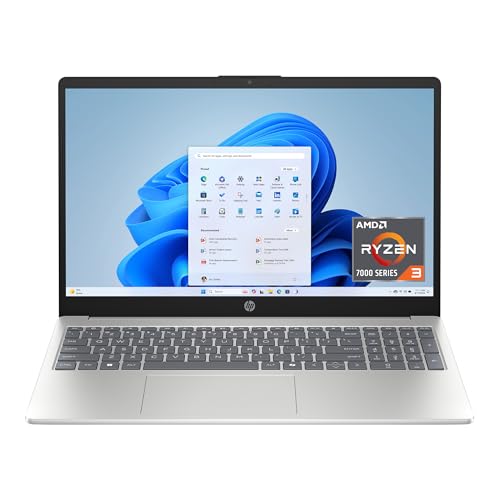

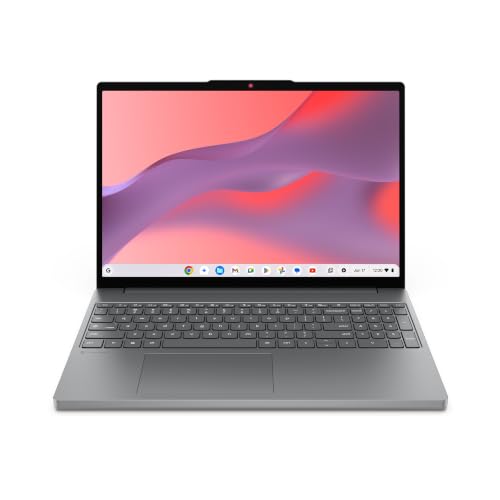
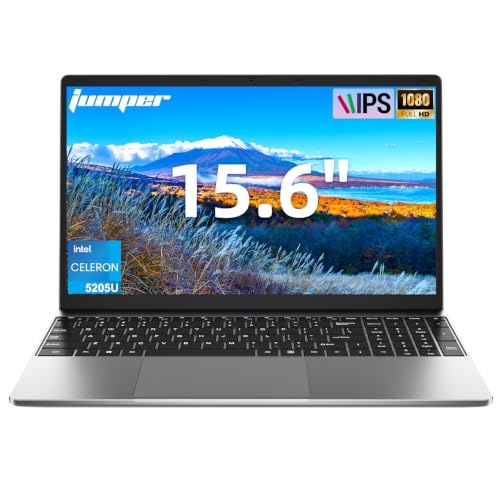
Best 15 Inch Laptops Under 600 by Budget Tier
This section describes the spec profile a strong option should show at each tier. Match any listing in the product table against these profiles before you trust its price tag.
Best Budget Profile
At the budget end, around $300 to $400, look for a Ryzen 3 or Core i3 class processor, 8 GB of RAM, and a 256 GB SSD. A Full HD screen should be nonnegotiable even here. This profile covers documents, email, browsing, and streaming without drama. Expect a plastic body, a 250 nit screen, and battery life of about six to eight hours in real use.
Best Midrange Profile
The midrange, around $400 to $500, is where 16 GB of RAM and 512 GB SSDs start to appear alongside Ryzen 5 or Core i5 class processors. Screens improve to 300 nits, and backlit keyboards become common. This is the profile most buyers should target, because it stays fast for five years or more and handles photo editing and large spreadsheets without complaint.
Best Premium Profile
Near the top of the budget, around $500 to $600, you can expect a part metal body, a brighter and more color accurate screen, and faster storage. Some models add touch screens or convertible hinges. Battery life often reaches nine or ten hours thanks to larger batteries. The compromise is that gaming graphics still stay out of reach, so creative buyers should check integrated graphics benchmarks for their apps.
What Your Money Gets You at Each Price Tier
Budget Tier: What to Expect
Budget models focus on the essentials and cut finishes first. You get a plastic shell, a basic webcam, and speakers that are fine for calls but thin for music. Performance is honest for office work as long as the SSD and 8 GB of RAM boxes are ticked. Skip any model still sold with a spinning hard drive or a low resolution screen, no matter how low the price falls.
Midrange Tier: The Sweet Spot for Most Buyers
Midrange is where compromises shrink to things most people never notice. Keyboards gain backlighting, trackpads get larger, and WiFi 6 becomes standard. A midrange machine also tends to include USB C charging, which means one charger can serve your laptop and phone on a trip. For a family or a student, this tier delivers the longest useful life per dollar spent.
Premium Tier: When Spending More Pays Off
The premium step pays off when you work on the laptop all day. A brighter anti glare screen reduces eye strain, a metal body survives commuting better, and stronger cooling keeps performance steady during long video exports. If the laptop mostly sits at home for browsing and homework, this tier adds comfort rather than capability, and the midrange profile will serve you just as well.
Screen size also shifts the price picture, so it helps to scan our guide to the best laptops under 15 inches if you are still deciding between sizes.
Features Worth Paying For and Ones to Skip
What You Can Realistically Get Under $600
Under $600 you can realistically get 16 GB of RAM, a 512 GB SSD, a 300 nit Full HD screen, and a modern midrange processor. You will not usually get an OLED display, a dedicated graphics card, or Thunderbolt ports on Windows models. Spend first on memory and storage, because screens and bodies improve gradually while a shortage of RAM slows everything at once.
Keyboard, Trackpad, and Build
A backlit keyboard with a numeric keypad is worth a small premium if you type in the evening or enter data often. Large trackpads with smooth surfaces reduce the need for a mouse at a cafe table. On build, check hinge stiffness by reading owner comments, because a wobbly hinge is the most common complaint in this class. Weight between about 3.5 lb and 4.5 lb is normal, so pick based on how far you carry it.
Ports and Connectivity
Two USB C ports, two USB A ports, HDMI, and a headphone jack cover nearly every desk and classroom setup. USB C charging adds flexibility on trips. WiFi 6E appears on some models near $600 and helps on crowded networks, though WiFi 6 is still fine for most homes. An Ethernet port is rare now, so budget for a small adapter if your work requires a wired connection.
Processor and Performance Tier
Processor names matter more than clock speed numbers. Ryzen 5 and Core i5 or Core Ultra 5 chips are the safe center of this market, balancing speed and battery life. Ryzen 7 or Core Ultra 7 chips near $600 help with editing and compiling code. Entry level chips are fine for a Chromebook style workload, but on Windows they age quickly once you add video calls and many browser tabs.
If your budget is tighter, the step down still buys a capable machine, as our guide to the best 15 inch laptops under 500 explains. If you need a larger screen for desk work, compare our guide to the best 17 inch laptops under 600 before deciding.
Long Term Costs to Factor In
The sticker price is only part of ownership. Budget around $30 to $60 for a padded sleeve or bag, and about $40 to $80 for a USB C hub if your desk needs extra ports. A battery replacement after four or five years can cost around $60 to $120 on popular models. An extended warranty makes sense only for a laptop that commutes daily, because home desk machines rarely need it. Software costs stay low if you use the included office trials carefully or free office suites.
Shoppers willing to stretch further can see what changes in our guide to the best 15 inch laptops under 700, while those planning a bigger jump should read our guide to the best 15 inch laptops under 1000.
One more point before you buy: check whether RAM and storage can be upgraded later. Some slim models solder both in place, which means the spec you buy is the spec you keep. A model with an open memory slot or a second SSD slot can gain a second life in year three for around $40 to $80 in parts, which often beats replacing the whole machine.
15 Inch Laptops: Your Questions Answered
Can you get a good 15 inch laptop under $600?
Yes, and this budget is easier than $500 because 16 GB of RAM and a 512 GB SSD become common. That combination keeps Windows smooth with many tabs, calls, and documents open together. Focus on screen brightness and the processor tier next. A model that gets those four points right will feel current for at least five years of normal use.
Is a dedicated GPU worth it?
Usually not at this price, because the few models with dedicated graphics use older entry level chips and cut corners elsewhere. Modern integrated graphics handle streaming, casual games, and light photo editing well. Spend the money on RAM and storage instead. Only choose a dedicated GPU if a specific game or design program you use lists it as a requirement.
How long should a 15 inch laptop last?
Expect five to seven years from a midrange or premium tier model in this guide, with a battery replacement likely around year four or five. Longevity depends more on RAM and storage headroom than on the body material. Keep vents clean, install updates, and avoid constant heat from soft surfaces like beds, and the hardware will usually outlast the software demands placed on it.
Should I buy a laptop or a tablet?
Choose a laptop when typing, multitasking, and file handling are part of your week, which covers most students and office workers. A tablet is lighter for reading and video, but a keyboard case and stylus push its cost close to a laptop with fewer capabilities. A convertible laptop bridges the gap if you want handwritten notes, though it adds weight compared with a simple clamshell.
Is a Chromebook enough for school?
For most schoolwork, yes, because lessons, research, and assignments run in the browser and cloud documents. Chromebooks in this size also tend to offer long battery life at low prices. The risk is a class that requires Windows only software or proctored exam tools. Confirm with the school list first, and remember that a Chromebook cannot later convert into a Windows machine if needs change.
Our Verdict
Match the tier to your workload first, then confirm RAM, storage, and screen brightness in that order. For most people the midrange profile delivers the best 15 inch laptops under 600 value, with speed that lasts and few real compromises. Check your finalists against the product table, and spend any leftover budget on a good sleeve and a backup drive.