
Best 17 Inch Laptops under 600 for 2026: Types Compared and How to Choose
Disclosure: We may earn a commission when you buy through links on this page, at no extra cost to you. As an Amazon Associate I earn from qualifying purchases. Learn more

Shoppers on a budget can compare the best 17 inch laptops under 600 by type, processor, battery, ports, and display before choosing a large screen laptop.
An extra hundred dollars over the strictest budget tier changes a surprising amount in a large laptop, but only if you spend it on the right parts. Shoppers comparing the best 17 inch laptops under 600 face a mix of convertibles, plain budget models, Chromebooks, and tablets that all promise a big screen in very different ways.
This guide compares those types first, with honest strengths, limits, and typical prices, then turns to the specifications that separate a good buy from a slow one. Use the product table to check current configurations as you read.
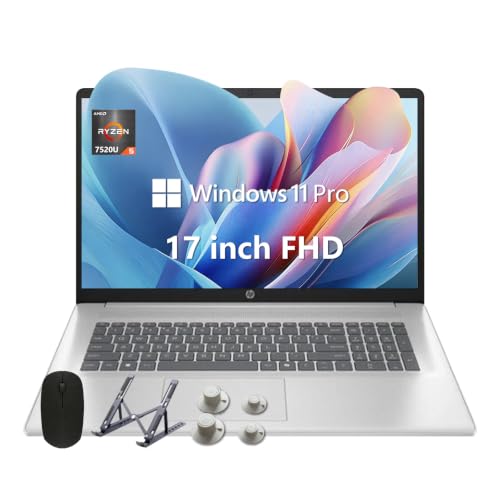
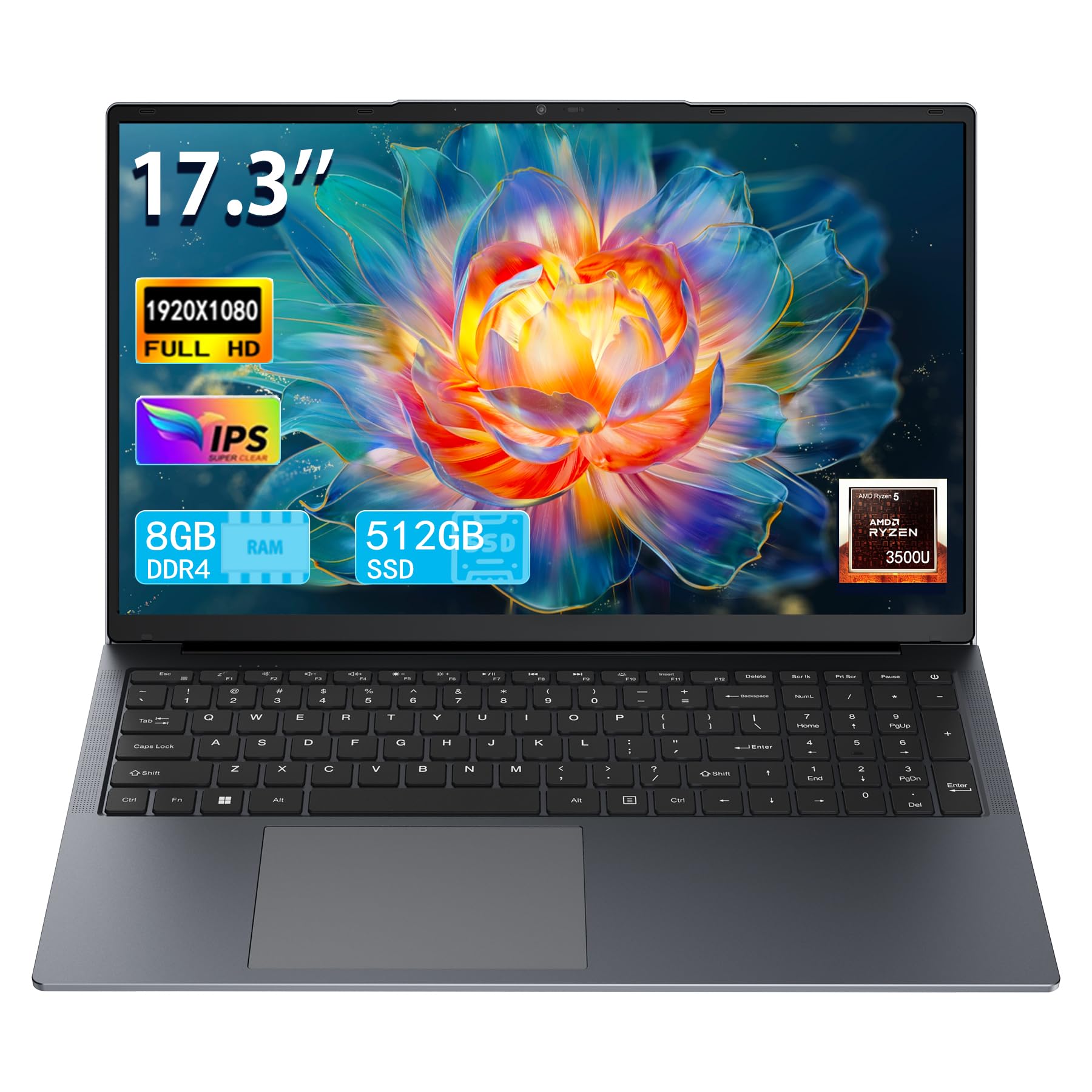
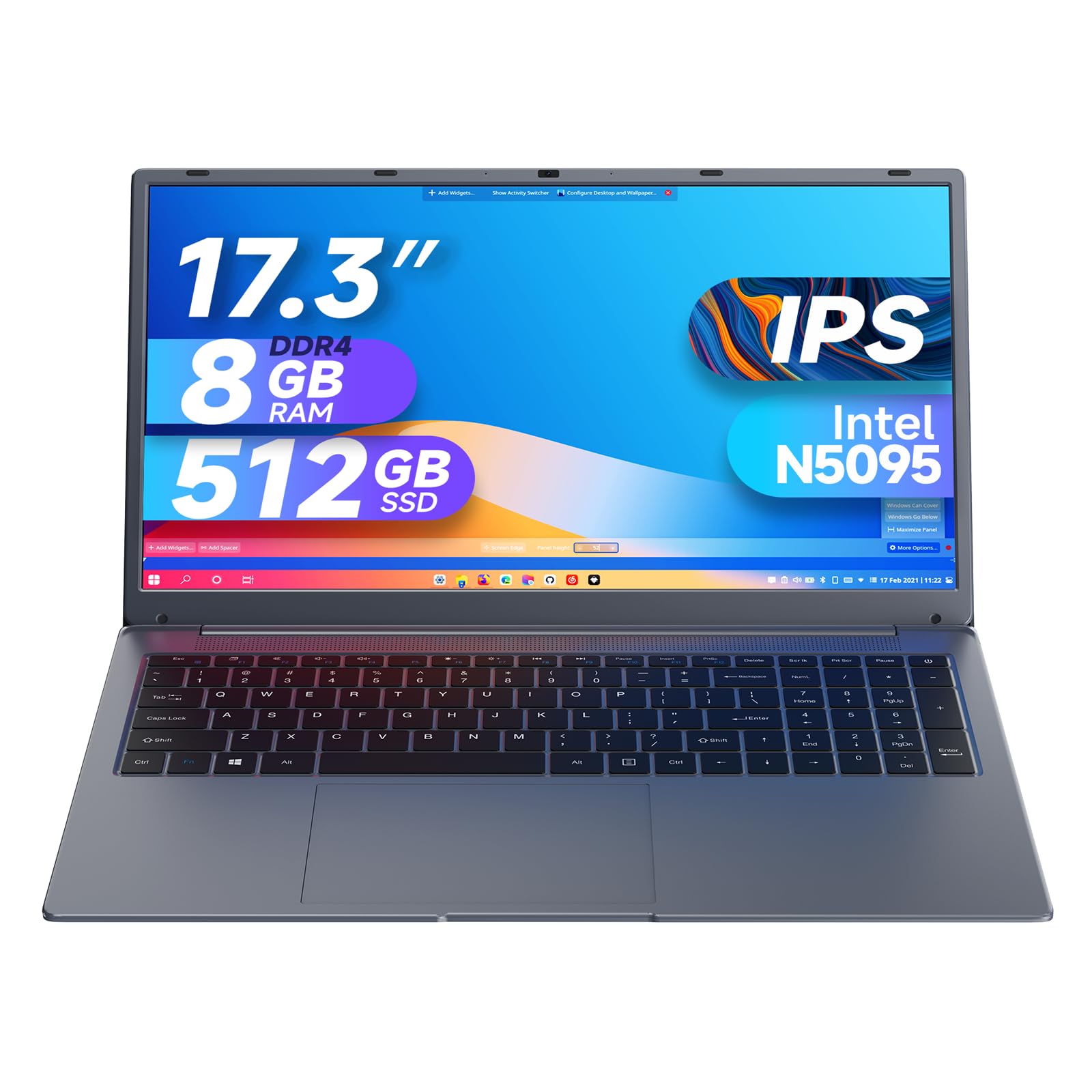
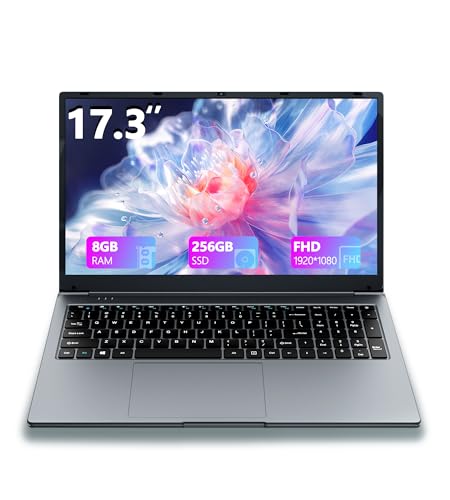

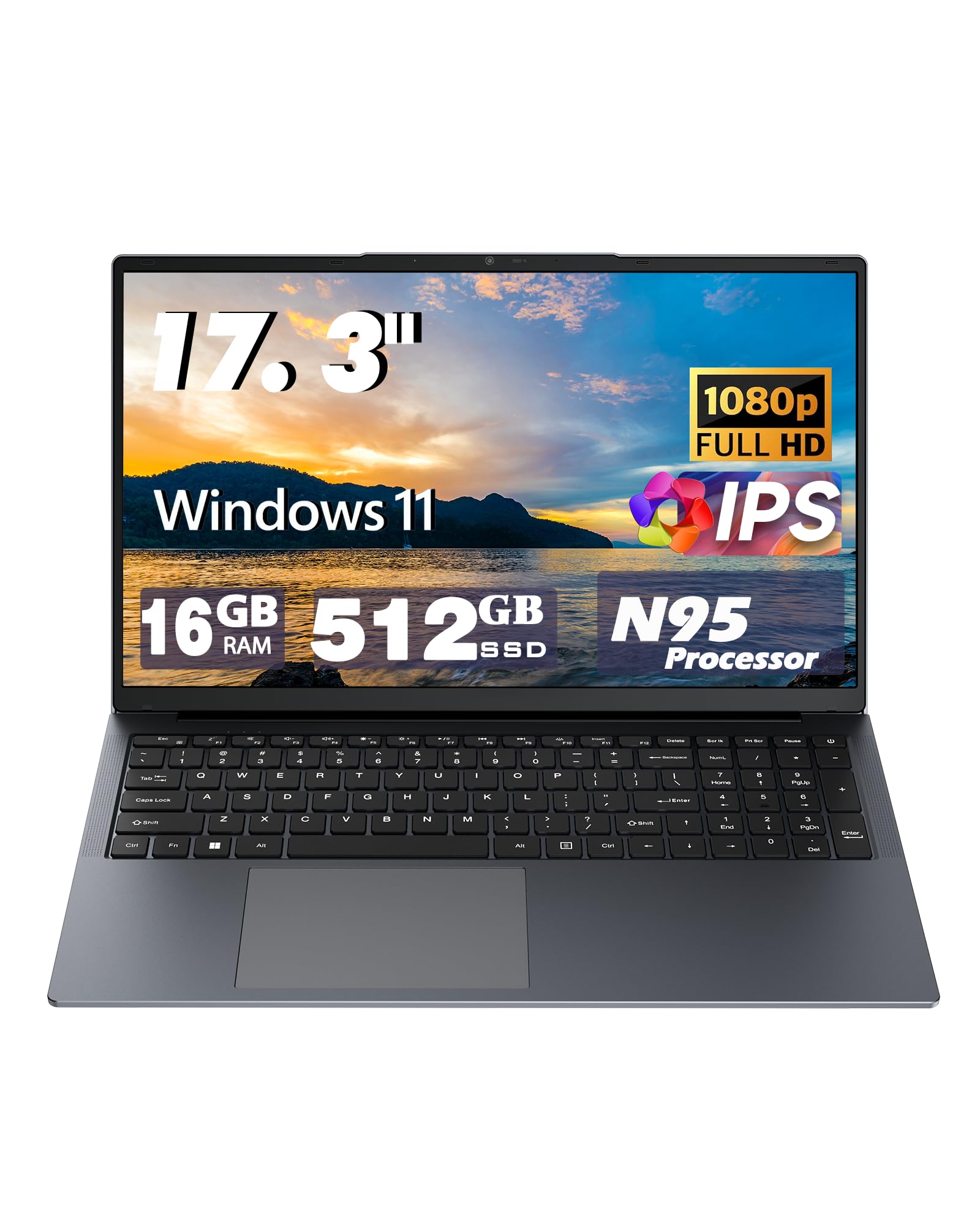
Types of 17 Inch Laptops Compared
Here is the short version before the detail. Convertibles cost the most, usually around $550 to $600 at the very bottom of their range, and suit people who present and annotate. Budget clamshell laptops, around $450 to $600, suit the widest range of work. Chromebooks, around $350 to $550, suit browser based study and home use. Tablets with keyboard covers, around $300 to $600, suit reading and travel but rarely replace a laptop. The sections below explain each type properly.
2 in 1 Convertibles
A convertible folds flat or detaches so the screen works as a tablet, which helps for marking up documents, sketching ideas, signing forms, and presenting without a desk. At under $600, true 17 inch convertibles are rare, and most examples sit at the top of the budget with mid tier processors. You pay for the hinge, touch layer, and pen support with extra weight and a higher price for the same speed. Choose this type only when touch and pen input are weekly habits, not someday ideas.
Budget Laptops
The classic budget clamshell is the workhorse of this price range: a fixed keyboard, a large screen, and Windows software support in a plastic body. Around $500 to $600 buys a modern Core i5 or Ryzen 5 class processor, 16GB of memory on the better listings, and a 512GB SSD. Nothing about it is exciting, and that is the point. It runs everything a home, student, or small office user needs, and parts like memory and storage can often be upgraded later.
Chromebooks
Chromebooks run ChromeOS and center your work in the browser, with fast startup, simple updates, and battery life that often beats Windows rivals at this price. Around $350 to $550 buys a large, bright screen and a machine that feels quick for documents, classes, email, and streaming. The boundary is software: full desktop programs, serious games, and some specialist tools do not run. If your day already lives in web apps and cloud storage, a Chromebook gives you the calmest ownership experience under $600.
Tablets
A large tablet with a keyboard case covers reading, notes, video, and light writing, and it wakes instantly and travels light. As your only computer it frustrates quickly, because multitasking is cramped, ports are few, and many desktop websites and tools behave like afterthoughts. True 17 inch tablets barely exist, so you also give up the screen size that started your search. Treat a tablet as a second device for the couch and the road, and let a real laptop do the sustained work.
2 in 1 Convertibles vs Budget Laptops: Which Should You Choose?
Compare them on five points. On software, both run full Windows, so that is a tie. On input, the convertible wins with touch and pen. On speed per dollar, the budget laptop wins clearly, because none of its price goes to hinge engineering. On comfort, the clamshell keyboard deck is sturdier for long typing, while the convertible is more flexible for meetings. On price, convertibles start where budget laptops top out. The verdict follows your habits: frequent annotators and presenters should stretch for the convertible, and everyone else should take the faster, cheaper clamshell and spend the change on memory or a warranty.
How to Choose the Right 17 Inch Laptop
With the type settled, use these checks on any listing, including the step up options in our best 17 inch laptops under 1000 guide if your budget grows during the search.
What You Can Realistically Get Under $600
Among the best 17 inch laptops under 600 you can reasonably expect a current mid tier processor, 16GB of memory, a 512GB SSD, and a full HD display, especially during sales. That is a real step up from the under $500 tier, where 8GB and 256GB are still common. What remains out of reach is premium metal construction, high resolution OLED panels, and strong dedicated graphics. Do not trade the SSD or the screen resolution for a fancier finish, because you feel storage and display quality every day and the finish only on day one.
Processor and Performance Tier
Aim for a recent Core i5 or Ryzen 5 class processor, which handles office multitasking, video calls, and dozens of tabs without complaint. Core i3 and Ryzen 3 chips remain fine for light use and often appear in Chromebooks and value models. Intel Core Ultra and newer AMD generations add efficiency and better integrated graphics at the top of this budget. Apple silicon sits above this price in large sizes, so cross platform shoppers should compare on software needs rather than benchmarks alone.
Battery Life in Real World Use
Large screens drink power, so judge battery claims with care. A good 17 inch model under $600 delivers about seven to nine hours of light work such as documents and browsing at moderate brightness, and far less during video calls or games. USB C charging with fast top up support is a genuine plus for students and commuters. If the laptop lives at a desk, battery size matters less than a compact, reliable charger you can leave plugged in.
Ports and Connectivity
Check for two or more USB C ports, at least one with charging and video output, an HDMI port for TVs and meeting screens, and a couple of USB A ports for older accessories. WiFi 6 or 6E keeps home and campus networks fast, and Bluetooth 5 or newer handles mice and headsets cleanly. A memory card slot is a small bonus for photographers. Docking through one USB C cable is realistic at this price and keeps a desk setup tidy.
Display Size, Resolution, and Brightness
At 17 inches, full HD resolution is the floor and keeps text acceptably sharp across the wide panel. Brightness near 300 nits or above matters more than exotic panel types at this budget, because it decides whether the screen works near windows and in bright classrooms. A matte finish cuts glare during long sessions. Higher refresh rates are rare here and unnecessary for office work, so let gaming shoppers chase them in other categories while you prioritize brightness and resolution.
Setup and Care Tips
- Keep the operating system and firmware updated, and enable automatic updates during setup so the habit never depends on memory.
- Avoid running at full charge all the time if your model offers a charge limit for desk use, since partial charging slows battery aging.
- Use a padded sleeve when commuting, because a wide laptop lid is easier to crack in an overfilled bag.
- Run the built in storage cleanup monthly, and keep at least a tenth of the drive free so the SSD stays fast.
- Write down the serial number and keep the receipt digitally, which speeds any warranty claim later.
17 Inch Laptops: Your Questions Answered
Can you get a good 17 inch laptop under $600?
Yes, this is the first budget where a good all round 17 inch laptop becomes straightforward to find. Modern mid tier processors, 16GB of memory, and a 512GB SSD appear together here, which was rare a tier below. You still skip premium materials and strong graphics. Shoppers moving up from the best 17 inch laptops under 500 tier will feel the difference most in multitasking smoothness and storage room.
How long should a 17 inch laptop last?
Plan on about four to six years for a well chosen model in this range. Memory and storage headroom decide most of that span, which is why 16GB and 512GB are worth prioritizing now. The battery typically needs replacement or acceptance of shorter runtime around year four. Models with accessible upgrade panels age best, because one cheap SSD or battery swap can add years.
Is a Chromebook enough for school?
Yes for most students, since documents, research, online classes, and school platforms all run well in the browser, and battery life easily covers a school day. The exception is a course that names Windows or Mac software, such as advanced design, engineering, or music production tools. Check requirements before enrollment deadlines. For general study, the money saved versus a Windows model can fund a good bag, mouse, and headphones.
Should I buy a laptop or a tablet?
Buy the laptop if it is your main device, because sustained typing, file management, and true multitasking decide productivity across months. A tablet suits consumption and quick notes, and pairs well as a second screen later. If your work includes long documents or spreadsheets, the question answers itself. Households often end up happiest with one solid laptop first and accessories added over time.
How much RAM do I need?
Sixteen gigabytes is the right target under $600 and is realistic to find at this price. It keeps heavy browsing, calls, and office apps smooth and delays the slow feeling that ends a laptop life early. Eight gigabytes remains acceptable on a Chromebook or a very light use Windows machine. Avoid any model where the memory is both small and soldered, since that combination cannot be fixed later.
Is a dedicated GPU worth it?
Usually not at this price, because a dedicated graphics card here is typically an older entry model that forces cuts to the screen, memory, or storage. Integrated graphics from current Intel and AMD processors handle light games, photo editing, and video calls well. Serious players should save toward a gaming category instead. If your software lists a GPU requirement, follow it, but let everyone else spend on the display and SSD.
The Bottom Line
Choose the type that matches your software, then insist on a modern processor, 16GB of memory, a 512GB SSD, and a bright full HD screen. Those four checks filter out nearly every weak listing in this category. Compare finalists in the product table above, and if a smaller machine would travel better, the guides to the best 15 inch laptops under 600 and the best 13 inch laptops under 600 show what the same money buys at those sizes. For a full overview of the size class, see the best 17 inch laptops guide. Picked this way, the best 17 inch laptops under 600 deliver a big, comfortable screen and years of easy everyday use.


