Best 13 Inch Laptops Under 700: Types Compared and How to Choose for 2026
Disclosure: We may earn a commission when you buy through links on this page, at no extra cost to you. As an Amazon Associate I earn from qualifying purchases. Learn more
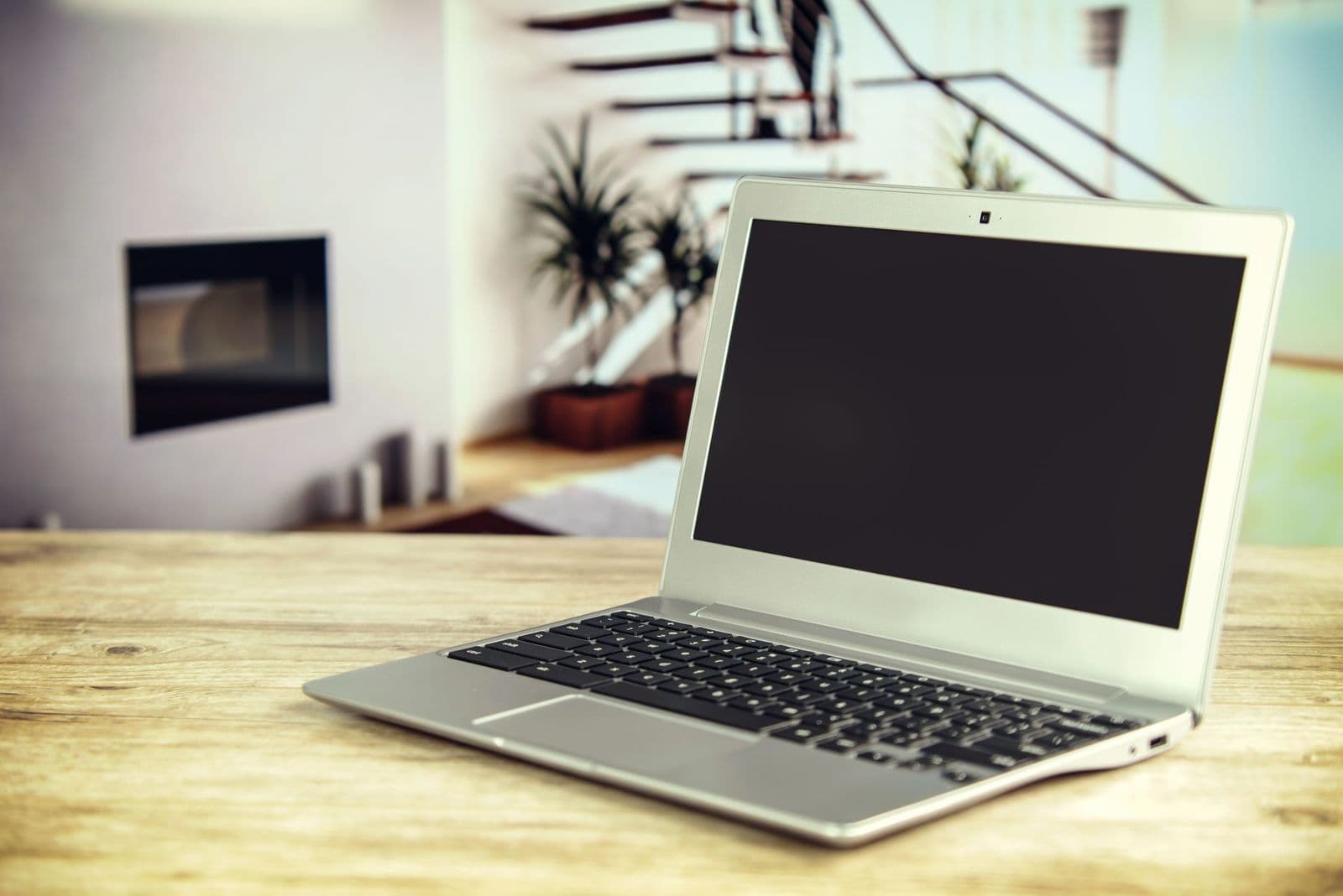
Compare the best 13 inch laptops under 700 by type, with pros, cons, ideal users and typical prices, so you pick the right style.
At this budget the confusing part is not the specs. It is the sheer variety of shapes a small laptop can take, from folding convertibles to simple Chromebooks to tablets pretending to be laptops. This guide compares each type honestly so you can match the best 13 inch laptops under 700 to the way you actually work, study, and relax.
Each type below gets the same treatment: how it works, what it does well, where it frustrates, and who should choose it. Read the comparison first, then use the choosing section to check the details that separate a good listing from a weak one.
Types of the Best 13 Inch Laptops Under 700 Compared
Here is the landscape in brief before the details. Convertibles, which usually run about $550 to $700 in this class, suit pen users and presenters. Budget laptops, around $400 to $600, suit value hunters who want full Windows software. Chromebooks, around $300 to $550, suit web based school and office work. Tablets with keyboards, around $400 to $700 once the keyboard is added, suit media and drawing. Typical prices overlap, so the type decision matters more than small price gaps.
2 in 1 Convertibles
A convertible has a hinge that rotates the screen a full circle, turning the laptop into a stand or a thick tablet. The advantage is flexibility: you can type an essay, fold the screen for a film on a train tray, or write notes with a pen directly on readings. Battery life is usually good and bodies are slim. The drawbacks are extra weight from the reinforced hinge, a keyboard that sits face down in tablet mode, and a price premium over a plain laptop with the same processor. Choose this type if pen input or presenting is part of your weekly routine.
Budget Laptops
Budget laptops are traditional clamshell machines that spend the money on core specs instead of flexible hinges. At this ceiling they are not bare bones at all: many listings offer metal bodies, 16 GB of RAM, and sharp displays. The advantage is the best performance and storage per dollar plus full Windows software support. The drawbacks are plainer designs and no pen or tablet modes. Choose this type if your work is documents, spreadsheets, calls, and browser research, and you want the most computing power your $700 can buy.
Chromebooks
Chromebooks run ChromeOS, a light system built around the Chrome browser, web apps, and cloud storage. They start in seconds, update in the background, and need almost no maintenance, which is why schools love them. At this price they feel quick and often include touchscreens and convertible hinges. The drawback is software limits: desktop programs built for Windows or macOS will not install, and offline work depends on which apps you set up ahead of time. Choose this type if everything you use already lives in a browser tab.
Tablets
Tablets in this class are 13 inch class slates that pair with a detachable keyboard, sold separately or in a bundle. Their strengths are media, reading, drawing, and the lightest possible travel setup, plus cameras no laptop matches. Their weaknesses appear at a desk: kickstands wobble on laps, keyboards feel cramped, ports are few, and window management is more limited than a true laptop system. Prices also climb fast once the keyboard and pen are added. Choose a tablet as your main device only if your work is genuinely light and app based.
2 in 1 Convertibles vs Budget Laptops: Which Should You Choose?
These two types fight for the same buyers, so compare them on five points. On input, the convertible wins if you use a pen, while the plain laptop wins for pure typing comfort and lap stability. On weight, the plain laptop is usually a little lighter. On durability, fewer moving hinge positions give the clamshell a small edge. On value, the clamshell delivers more RAM and storage for the same money. On media, the convertible folds into a stand that is nicer for films and calls.
The verdict follows your habits. If you mark up documents, sketch, or present in small spaces at least weekly, the convertible earns its premium. If not, the plain laptop gives you more power and fewer compromises. Shoppers comparing screen sizes can also see our guide to the best 15 inch laptops under 700 for what a larger screen does to this same budget.
How to Choose the Right 13 Inch Laptop
Weight and Portability
Weight decides how often the laptop travels with you. Under 3 lbs is the comfort zone for students and commuters, and convertibles often sit at the top of that range because of their hinges. Check the total with the charger included, since a heavy power brick quietly erases a light body. USB C charging keeps the travel kit small because one adapter can serve the laptop and your phone. If the machine will live on one desk, an extra half pound in exchange for a bigger battery is a fair trade.
Keyboard, Trackpad, and Build
You touch the keyboard and trackpad thousands of times a week, so their quality shapes your opinion of the whole machine. Look for keys with a firm, quiet press and a backlight for dim rooms. A large glass trackpad tracks smoothly and supports gestures without sticking. On build, aluminum bodies resist flex and feel cooler and sturdier than thin plastic, and at around $700 metal construction is a realistic expectation on many listings. A lid that opens with one hand and hinges that hold the screen steady are small signs of careful engineering.
Processor and Performance Tier
Recent Intel Core and AMD Ryzen chips in the mid tier and upper mid tier both handle study, office work, and light creative tasks with ease. Extra cores speed up exports and large file work, while efficient designs stretch battery life. Apple M series chips are superb but mostly belong to laptops priced above this ceiling when new. For most buyers, pairing a current mid tier processor with 16 GB of RAM and a 512 GB SSD gives the smoothest long term experience in this class. Spending more on the processor while accepting 8 GB of RAM is the wrong balance.
What You Can Realistically Get Under $700
Around $700, expect a bright and sharp display, 16 GB of RAM, a half terabyte SSD, a backlit keyboard, and a metal or part metal body on many listings. Premium touches such as OLED screens appear on some models, usually balanced by a smaller battery or fewer ports. What remains rare is a dedicated graphics chip, and build quality still varies between brands at the same price. Do not give up screen brightness or storage size for a novelty feature. Those two specs shape daily satisfaction more than any headline number.
Display Size, Resolution, and Brightness
At 13 inches, resolution above full HD makes text look especially crisp, which writers and coders appreciate during long sessions. Brightness around 300 nits or higher keeps the screen usable in bright rooms and near windows. A standard 60 Hz refresh rate is fine for work, study, and video. Glossy touchscreens look vivid but reflect more light, while matte panels trade a little pop for calmer viewing. If you read for hours, prioritize brightness and resolution over touch, because your eyes will notice the difference every day.
Choosing 13 Inch Laptops for Your Situation
Best 13 Inch Laptops for 700
Buyers shopping for best 13 inch laptops for 700 usually want one machine that does everything well for years. Spend the budget in this order: screen first, then 16 GB of RAM, then a 512 GB SSD, then build quality. That ordering produces a laptop that feels premium daily and ages slowly. If a listing forces a choice between a touchscreen and a brighter non touch panel at the same price, take the brighter panel unless pen work is central to your routine.
How to Make Your 13 Inch Laptop Last Longer
Type specific care keeps each style alive longer. Convertible owners should open and close the hinge from the center of the lid to keep torque even. Chromebook owners should check the update end date in settings and plan around it. Everyone benefits from the same basics: keep the OS and firmware updated, avoid running at 100% charge all the time by using a charge limit for desk use, and use a padded sleeve when commuting, because drops cause more early deaths than worn parts. If your needs shrink rather than grow, our guide to the best laptops under 500 13 inches shows the simpler tier below this one.
13 Inch Laptops: Your Questions Answered
Can you get a good 13 inch laptop under $700?
Yes, this is the budget where good becomes genuinely polished. You can expect a sharp bright screen, 16 GB of RAM, generous storage, and a metal body on many listings. The compromises that remain are graphics power and the very thinnest designs. For students, professionals, and home users, a careful $700 purchase can comfortably serve as a main computer for years.
Should I buy a laptop or a tablet?
Buy a laptop if your week involves long documents, many browser tabs, or software with a desktop version you rely on. Buy a tablet if reading, drawing, and video dominate and your writing is short. Remember to price the tablet honestly with its keyboard and pen included. Once those are added, the gap to a convertible laptop often shrinks to almost nothing, and the laptop gives you more.
How long should a 13 inch laptop last?
Expect four to six years, and often longer for light duties after that. Batteries fade first, typically holding less charge after several years of daily use. Choosing 16 GB of RAM and a larger SSD from the start is the simplest way to stretch that span, because memory and storage pressure are what make aging laptops feel slow. Chromebook buyers should also confirm the software update end date before purchase.
How much RAM do I need?
At this budget, treat 16 GB as the standard choice rather than an upgrade. It handles heavy tab loads, big documents, and video calls together without slowdowns, and it protects you as apps grow hungrier over the years. Eight GB is acceptable only on a Chromebook or a notably cheaper Windows listing. Since RAM is soldered in most thin 13 inch models and cannot be added later, this is the one spec to get right on day one.
Is a Chromebook enough for school?
For most students, yes, because essays, research, slides, and school platforms all run in the browser, and Chromebooks at this price are quick and easy to manage. The caution is specialized coursework: some science, engineering, and design classes require Windows or macOS programs. Check course requirements before the term starts. If everything is web based, a Chromebook leaves money spare for a good bag, a mouse, and a second charger.
The Bottom Line
Choose the type first, because that decision shapes everything else. Convertibles serve pen users, plain laptops serve value and power, Chromebooks serve simplicity, and tablets serve media lovers. Then check the screen, the RAM, and the storage in that order, whether you are stepping down to the best 13 inch laptops under 600 or up to the best 13 inch laptops under 800.
The shoppers who end up happiest with the best 13 inch laptops under 700 are the ones who matched the type to their habits before comparing numbers. Do that, check your shortlist against the screen, RAM, and storage guidance above, and your choice will still feel right long after the box is recycled.