Best 4 Core Laptops: Everything to Know Before Your First Purchase for 2026
Disclosure: We may earn a commission when you buy through links on this page, at no extra cost to you. As an Amazon Associate I earn from qualifying purchases. Learn more

Shopping for the best 4 core laptops for the first time? Learn the terms, compare options, and avoid common mistakes with this easy guide for daily use.
A first laptop purchase invites confusion. Screens shout about processor names, core counts and graphics, while the basics that shape daily comfort get buried. This guide explains the best 4 core laptops in simple terms, so you can match a machine to school, office work, browsing and light creative tasks without overspending.
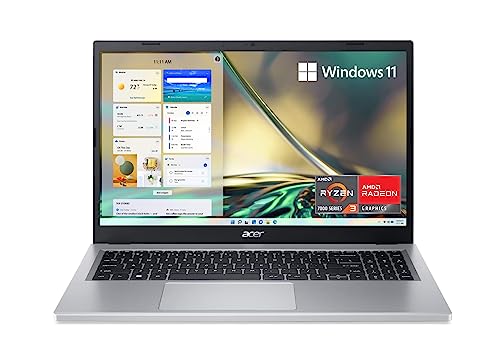
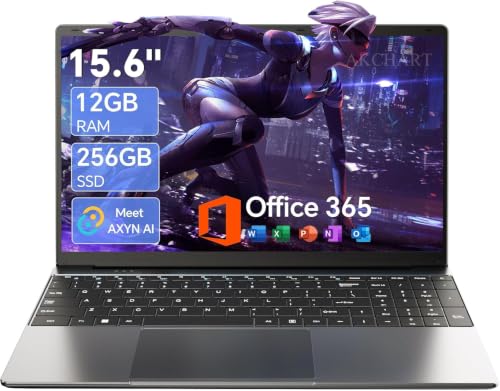
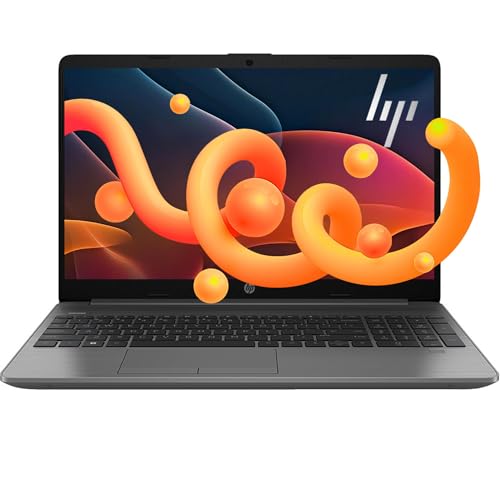
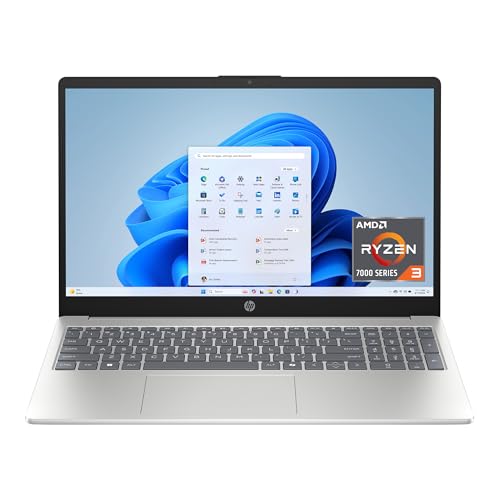
We will cover what four cores actually do, then walk through memory, storage, battery, ports and build quality one by one. Scan the product table for screen size and weight, then use the guide to judge the rest with confidence.


4 Core Laptops 101: The Basics
A core is a processing unit inside the main chip that handles tasks. Four cores can split work, so your laptop can run a video call, a browser with many tabs and a document at the same time without constant pauses. Modern four core chips also use smart scheduling, sending light tasks to efficient cores and heavy tasks to stronger ones, which saves battery.
For everyday work, core count is only part of the story. Clock speed, chip generation and cooling design all change how fast a given four core laptop feels. A recent four core chip will usually beat an old eight core chip on daily tasks while using less power. That is why this guide looks beyond the number in the name. If you keep that in mind, the product table becomes much easier to read.
Key Specs Explained in Plain English
Processor and Performance Tier
Current four core options appear across Intel, AMD and Apple product lines, and each new generation improves speed and battery use. For office work, school and web use, almost any recent four core processor is enough. Photo editing and light video work benefit from a stronger tier within the same core count, plus a cooler and quieter fan design. Avoid very old stock sold at a small discount, because you lose years of efficiency gains and software support. Check the exact chip name and its release generation before you buy, not just the core count. Keep these points in mind throughout your search for the best 4 core laptops.
Ports and Connectivity
Ports decide how easily the laptop joins your desk and travel kit. Look for at least two USB C ports, ideally with charging support, plus one standard USB A port for older accessories. An HDMI port saves you from carrying an adapter for presentations and hotel screens. WiFi 6E or WiFi 7 gives faster, steadier wireless in busy buildings, while Bluetooth handles mice and earbuds. If you move files from cameras, a card reader is a quiet convenience. Fewer ports can work with a dock, but add the dock cost to your true total.
Weight and Portability
Weight shapes whether you actually carry the laptop or leave it at home. Under 3 lbs feels easy in a school or work bag, especially with the charger included in that mental total. Between 3 and 4 lbs suits occasional travel and a mostly desk based life. Screen size drives much of the weight, so a 13 or 14 inch model is the usual sweet spot for portability. Check the charger size too, since a bulky brick can erase the benefit of a light machine. A compact USB C charger is a real travel advantage.
Battery Life in Real World Use
Maker battery claims are measured under light conditions, so expect less in daily use. A laptop rated for 12 hours may give you 8 to 9 hours of mixed browsing, documents and video calls, which is still a full school or work day. Screen brightness is the biggest drain you control, so a bright screen you can dim without strain helps. Fast charging over USB C is valuable, because a short top up during lunch can add hours. If you work near an outlet all day, battery matters less than weight and screen quality.
RAM and Storage
RAM is short term memory for open apps and tabs. Treat 8GB as a minimum for light use, and choose 16GB if you can, because it keeps the laptop smooth for more years and handles video calls plus many tabs with ease. Storage is where your files live. A solid state drive, or SSD, is essential for fast startup and quick file opening. Choose 256GB only if most of your files live in cloud storage. Most buyers are safer with 512GB, especially for photos, offline media and large school or work projects. For a compact alternative format, see our guide to the best notebook laptops.
Keyboard, Trackpad, and Build
You touch the keyboard and trackpad all day, so they deserve real weight in your decision. Keys should have clear travel, steady feel and backlighting if you work in dim rooms. A large, smooth trackpad with accurate clicks reduces your need for a mouse on the go. Build materials matter too. An aluminum shell usually feels sturdier and resists flex better than thin plastic, though good plastic can still last. Open and close the lid in a store if you can, and check that the hinge feels even and the base stays put while you type.
Rookie Mistakes to Avoid
- Choosing by core count alone, while ignoring chip generation, RAM and storage speed.
- Buying 8GB of RAM and 256GB of storage to save a little, then hitting limits within a year.
- Forgetting to check port types, then spending extra on adapters for your monitor and drives.
- Trusting the headline battery claim as a promise for heavy video call days.
- Skipping keyboard and screen comfort, even though you will feel both in every session.
If gaming is on your list, be realistic about what four cores and basic graphics can do. Casual and older games run well, while demanding new titles need stronger graphics. Our guide to the best laptops for sims 4 shows a lighter gaming use case in more detail.
Getting Started: Setup and First Use
Start by plugging in the laptop and running all system updates before you install your apps. Keep the OS and firmware updated on a regular schedule, because updates fix security issues and often improve battery behavior. Set up a backup habit in the first week, whether that is cloud sync or an external drive, while setup is still fresh in your mind. Remove trial programs you do not want, set your browser and sign in accounts, and test every port with your real accessories.
One battery habit pays off for years. Avoid running at 100 percent charge all the time if the laptop lives on a desk. Many laptops offer a charge limit setting near 80 percent for desk use, which slows battery wear. Use full charges for travel days when you need the range. Also learn the keyboard shortcut for brightness, because small brightness cuts are the easiest way to stretch a long day away from an outlet.
4 Core Laptops: Your Questions Answered
Is a Chromebook enough for school?
For many students, yes, if the school works mainly in a browser with documents, slides and video calls. Chromebooks are simple, secure and often affordable, with long battery life. The limit appears when a class needs specific Windows or Mac software, offline tools or special exam programs. Check your school software list first. If every required tool runs in a browser or has a web version, a Chromebook can be a smart and low stress choice.
How much RAM do I need?
Choose 16GB if your budget allows it, because it covers heavy tab use, video calls and light editing with room to spare. 8GB still works for documents, browsing and streaming, but it will feel tight sooner as software grows. RAM often cannot be upgraded later in thin laptops, so this is the specification to protect at purchase time. If you must choose between more RAM and more storage, pick RAM and use cloud or external storage for extra files.
Should I buy a laptop or a tablet?
Buy a laptop if you write long documents, manage files or use full desktop software, because the keyboard, trackpad and window management make long work sessions easier. A tablet wins for reading, sketching and media on a couch or plane. Adding a keyboard case to a tablet narrows the gap but rarely matches a laptop for serious typing. Many students do best with a laptop as the main device and treat a tablet as an optional second screen later.
Is a dedicated GPU worth it?
For office work, school and browsing, no, integrated graphics in a modern four core chip handle those tasks and even light photo editing well. A dedicated GPU earns its cost for serious gaming, 3D work and heavy video editing, where it can cut render times sharply. It also adds price, weight and fan noise. If you are curious about stronger processor tiers instead, our guide to the best i7 core laptops explains that step up.
How long should a 4 core laptop last?
Plan on four to six years of useful life for school and office work with 16GB of RAM and a healthy battery. The screen, keyboard and SSD usually outlast the battery, which may need service after several years of daily charging. Software support is the other limit, so a recent chip generation at purchase time adds real lifespan. When the machine slows, a fresh system install and a storage cleanup often restore much of the original feel.
Wrapping Up
Put chip generation, RAM and battery at the top of your list, then confirm ports, weight and keyboard comfort. With those checks done, the best 4 core laptops for your budget are easy to spot in the product table. Buy for the work you do each week, not for a rare task, and your first laptop will serve you well for years. For a deeper look at processor families, see our guide to the best intel core for laptops.