Best Small Toaster Ovens: A Complete Buying Guide
Disclosure: We may earn a commission when you buy through links on this page, at no extra cost to you. As an Amazon Associate we earn from qualifying purchases. Learn more

A studio kitchen or an RV galley rarely has room for a full-size oven, and most people in that spot don't need one. A small toaster oven handles toast, reheated leftovers, and the occasional baked side without eating up counter space you don't have. The catch is that "small" is a loose label. Some compact models barely fit a mug of coffee next to them, while others still run hot enough to warm the cabinet above. This guide covers what actually changes when you shrink a toaster oven down, and how to pick one that fits both your counter and your cooking habits.
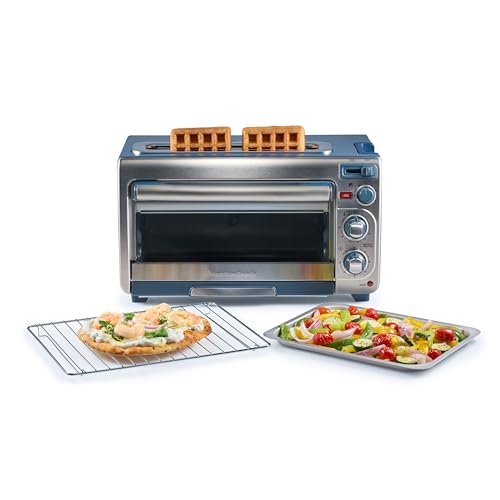
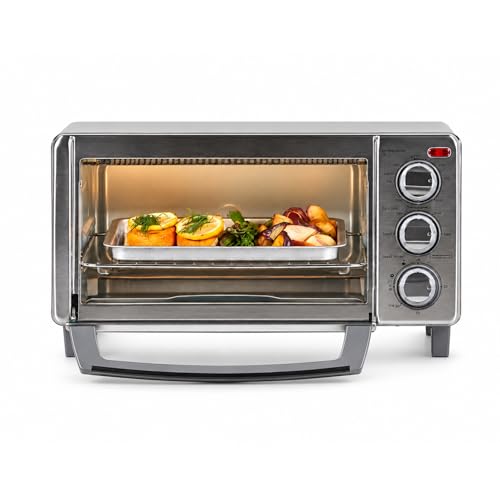
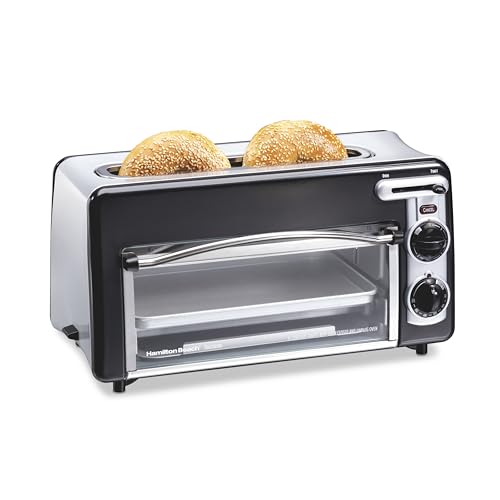
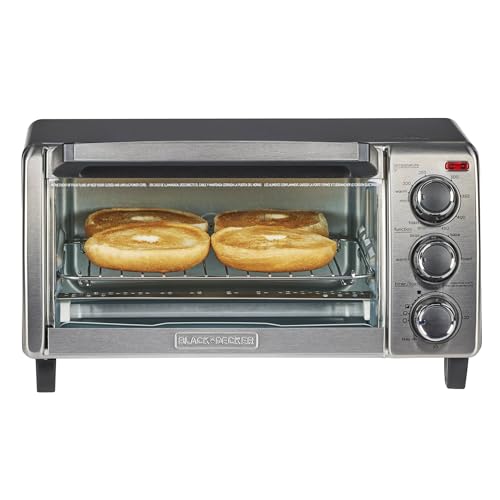
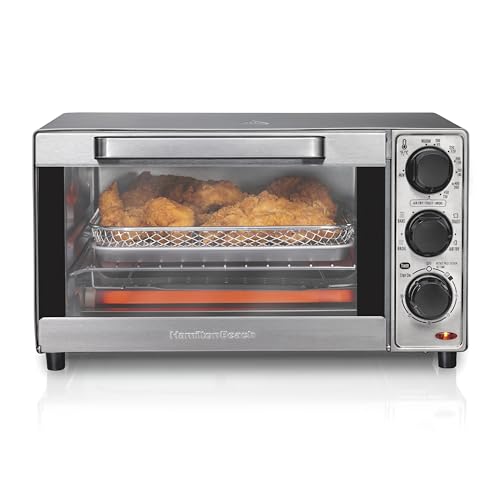
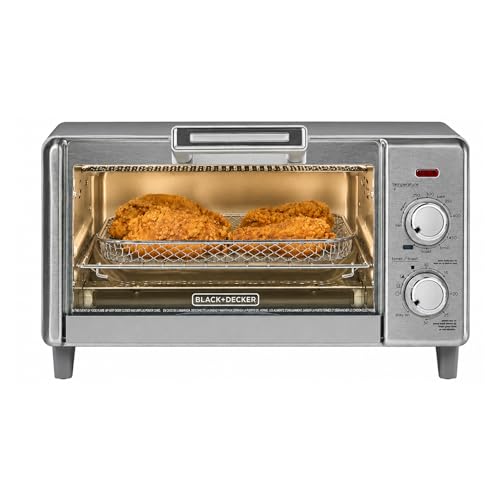
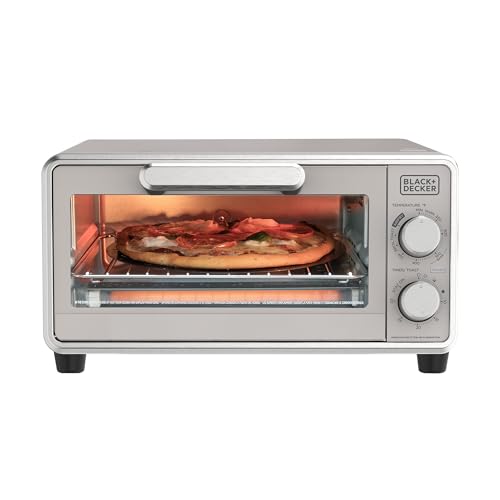
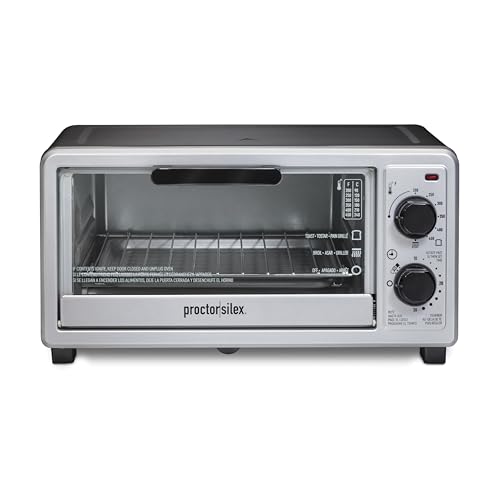
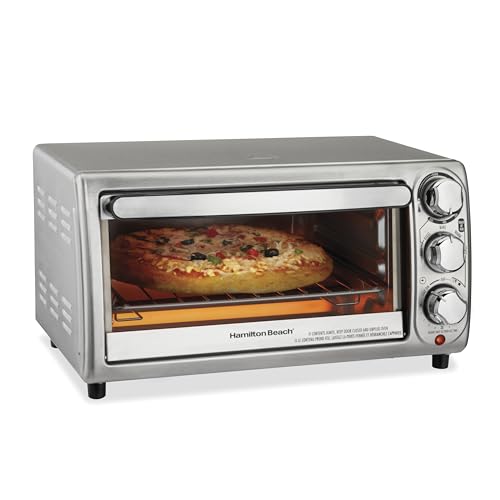
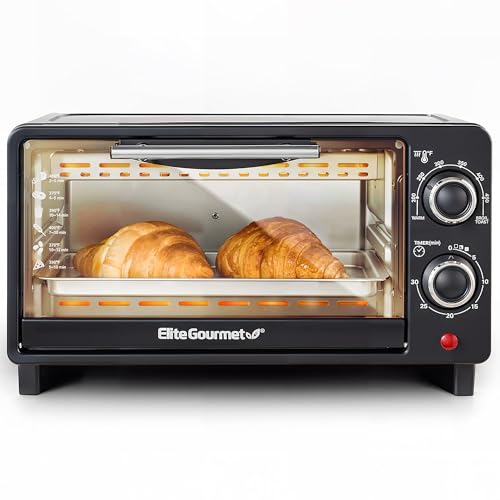
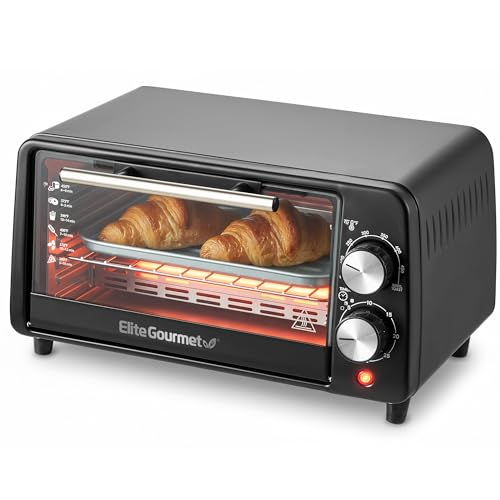
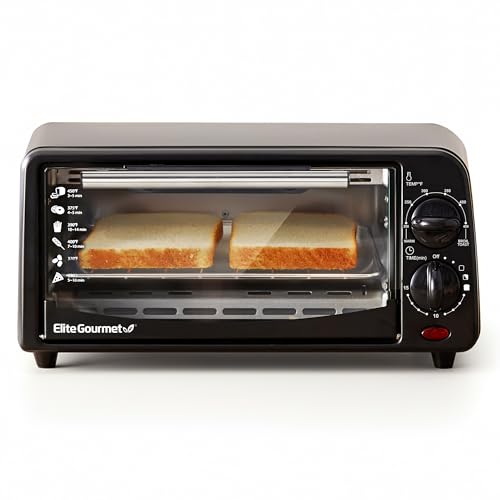
How Much Counter Space a Small Toaster Oven Actually Needs
Manufacturers list slice capacity, but the number that matters most for a tight kitchen is the exterior footprint. A unit rated for two or four slices can still measure over 16 inches wide once you account for the housing, handle, and control panel. Before buying, measure the actual counter run you plan to use, then subtract a few inches on each side for airflow. Most makers recommend leaving space on the back and sides for ventilation, and skipping that clearance is one of the fastest ways to trip a thermal shutoff or shorten the appliance's life.
Depth causes more problems than width in narrow kitchens. A toaster oven that looks compact from the front can still stick out past the edge of a shallow counter, blocking a walkway or a cabinet door. If your kitchen has less than 20 inches of counter depth, check that spec before anything else.
Door swing matters just as much as the box itself. A drop-down door needs open floor space in front of the unit, while a side-swing door needs clearance to one side, which can be the better layout on a narrow galley counter where nothing sits directly across from it. Weight is worth a glance too, since a lighter compact oven is easier to move off the counter and store in a cabinet when it's not in daily use, something apartment and RV kitchens both benefit from when counter space doubles as prep space.
What Fits Inside: Slice Counts and Real Capacity
Slice ratings are a rough guide, not a promise. A "four slice" oven usually fits four slices of standard sandwich bread laid flat, but a thick bagel or an odd-shaped roll can crowd that same interior fast. For pizza, expect a small toaster oven to handle something in the 8 to 9 inch range, roughly a personal-size pie rather than anything meant to share. If reheating a full dinner plate or a 9x13 dish is part of your routine, look at interior height and depth together, not just the slice number on the box.
Buyers who bake more often than they toast tend to outgrow the smallest units quickly. If regular baking is part of the plan rather than the exception, a compact convection microwave combo can offer more usable interior volume in a similar footprint, at the cost of a slightly bigger overall unit.
Wattage, Preheat Time, and Why Lower Isn't Always Worse
Small toaster ovens typically draw between 1,000 and 1,800 watts, well under the 2,000 to 5,000 watts a full-size electric oven pulls. That gap translates into real electricity savings for daily reheating and small bakes, since a compact oven reaches temperature in roughly a third of the time a full oven needs and uses noticeably less energy per task. For someone toasting bread and reheating leftovers most days, that difference adds up over a billing cycle.
Lower wattage does mean a longer wait before food starts cooking, so a unit far below 1,000 watts can feel sluggish for daily use. The trade-off worth understanding: in a small kitchen or an RV where every circuit is shared, a 1,000 to 1,200 watt oven is often the more practical choice even though it preheats a bit slower than a 1,800 watt model.
Recovery time after opening the door matters more than the spec sheet suggests. Checking on food partway through cooking lets heat escape fast in a small cavity, and a lower-wattage unit can take noticeably longer to climb back to temperature than a higher-wattage one. If a recipe calls for frequent checking, that gap adds real minutes to the total cooking time, so it helps to think about wattage alongside how hands-on the cooking style actually is, not just the electricity bill.
Basic Toasting vs Air Fry Extras
Not every small kitchen needs a fan-driven air fry setting. If the daily routine is toast, bagels, reheated pizza, and the occasional tray of vegetables, a basic convection-free model does the job with a smaller footprint and a lower price. Air fry functions add a motor and extra vents, which usually means a bit more exterior bulk for the same interior capacity, plus more surface area to clean.
For shoppers who do want crisping and roasting in the same unit, a toaster oven with air fryer covers that ground, though it typically asks for a larger footprint than a toast-and-bake-only model. Deciding between the two comes down to whether the extra function earns its counter space in your kitchen, not whether it's a nice feature to have.
Keeping Cabinets and Countertops Safe From Radiant Heat
A common complaint with compact toaster ovens is how hot the outer housing gets during a bake or broil cycle. Thin-walled small units insulate less than full-size ovens, so heat escapes through the sides and top rather than staying contained. In a small kitchen, that heat can sit close enough to upper cabinets to discolor the finish over time or trip a built-in safety shutoff.
Leaving several inches of open space above and behind the unit solves most of this. Avoid tucking a toaster oven directly under a cabinet unless the manufacturer confirms that clearance is safe, and skip placing it against a wall lined with anything flammable. A heat-resistant mat under and behind the unit adds a cheap extra layer of protection on a counter with limited airflow.
Broil settings run hotter than baking, so any unit used for broiling regularly deserves extra clearance rather than the bare minimum listed in the manual. In a rental or an RV where the walls and cabinets aren't easy to replace, that extra margin is worth more than the few inches of counter space it costs.
Toaster Oven or Microwave: Which One Should You Keep
When counter space allows for only one reheating appliance, this is the real decision point. A microwave reheats faster and handles liquids like soup with no issue, something a toaster oven struggles with. A toaster oven wins on texture, since it crisps pizza crust, chicken skin, and leftover fries instead of leaving them soft. For someone who mostly reheats solid food and rarely microwaves liquids, a small toaster oven can genuinely replace a microwave and free up more counter room than keeping both.
Anyone unsure which fits their routine better should look at what actually goes in the appliance during a normal week. Shoppers leaning toward keeping a compact microwave instead can compare footprints against a small microwave built for tight spaces before deciding which single appliance to keep.
Using a Small Toaster Oven in an RV or Camper
RV kitchens add a wrinkle that most apartment buyers never think about: amperage. A typical small toaster oven running 1,800 watts draws around 15 amps on a standard 120-volt circuit, which can max out a 30-amp RV electrical system once a few other appliances are running at the same time. On generator or battery power, that draw gets even harder to manage since running high-wattage appliances off an inverter drains a battery bank fast.
For boondocking or generator-dependent setups, a toaster oven under 1,200 watts is the safer pick, since it leaves more headroom for a refrigerator, water pump, or other essentials running on the same circuit. Pair the oven with a compact appliance lineup built for the same constraints, the way a dedicated RV coffee maker is sized around limited power and storage, and the whole galley setup stays easier to run without tripping breakers.
Quick Answers for Small-Kitchen Shoppers
Will a small toaster oven heat up my kitchen in summer?
Less than a full oven, but it still adds noticeable heat to a small room. Running it near an open window or with a fan nearby helps in a studio apartment without central air.
Is a two-slice toaster oven too small for daily use?
It works for one person focused on toast and light reheating, but it gets cramped fast if baking or reheating full plates becomes a regular habit. A four-slice model gives more flexibility for only a little extra counter space.
Do small toaster ovens need a dedicated outlet?
Not usually in a standard home, but on an RV or an older apartment circuit shared with other appliances, running one at full power alongside a microwave or space heater can trip a breaker.
A small toaster oven earns its spot on a tight counter by doing a handful of things well: toast, reheat, and the occasional small bake, without the bulk or the electricity draw of a full oven. Matching wattage, footprint, and clearance to the actual kitchen it's going in matters more than chasing extra features that a compact space was never built to support.