Best Microwave Ovens: A Complete Kitchen Buying Guide
Disclosure: We may earn a commission when you buy through links on this page, at no extra cost to you. As an Amazon Associate we earn from qualifying purchases. Learn more
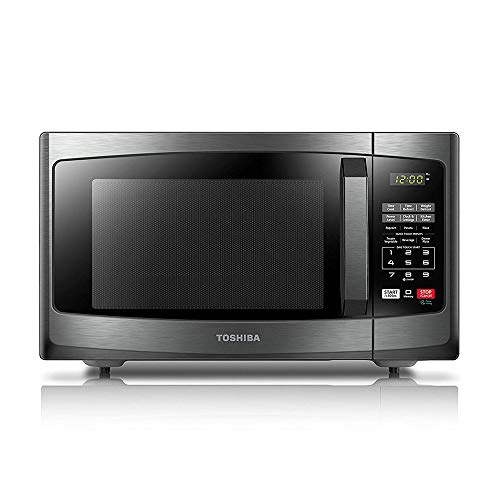
A microwave is one of the few appliances almost every kitchen has, yet most people buy the first one that fits their budget and never think about it again until it starts humming louder, heating unevenly, or refusing to turn on. Shopping for one of the best microwave ovens for your household is less about chasing a long feature list and more about matching a handful of specs to how you actually cook day to day.
This guide covers the mounting styles available, the specs that genuinely affect performance, the extra features worth paying for, and the installation and safety details that get skipped in most buying guides. If you already know you need something compact or you are set on baking-capable convection features, this piece will point you to the right deep-dive along the way.


Match the Microwave Type to Your Kitchen, Not the Other Way Around
Before comparing specs, it helps to settle on a mounting style, since it determines your installation effort, counter space, and price range more than any single feature does.
Countertop Microwaves
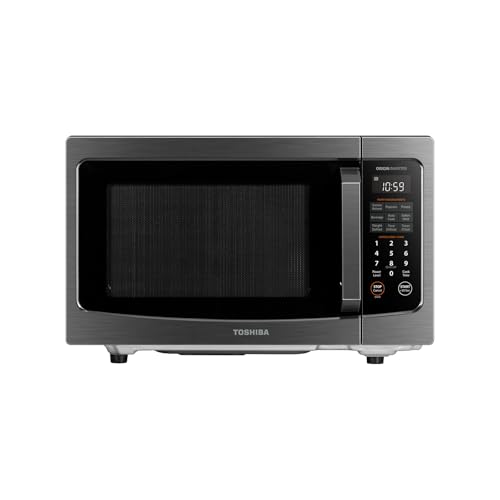
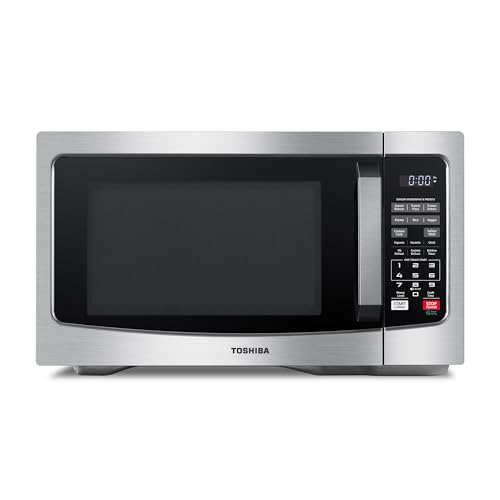
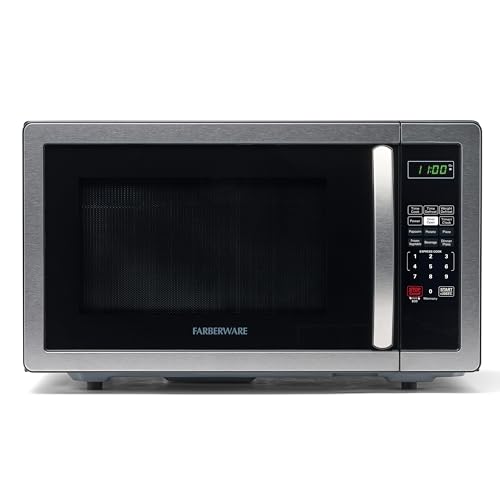
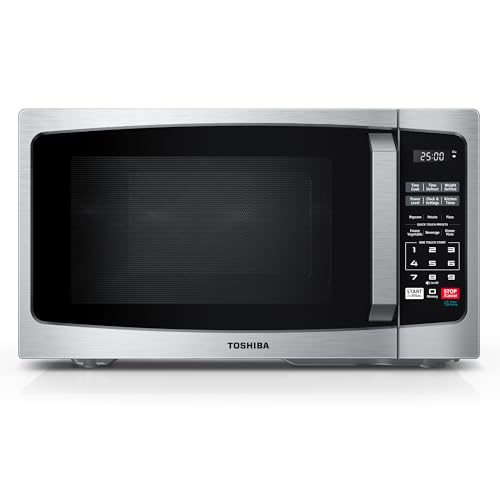
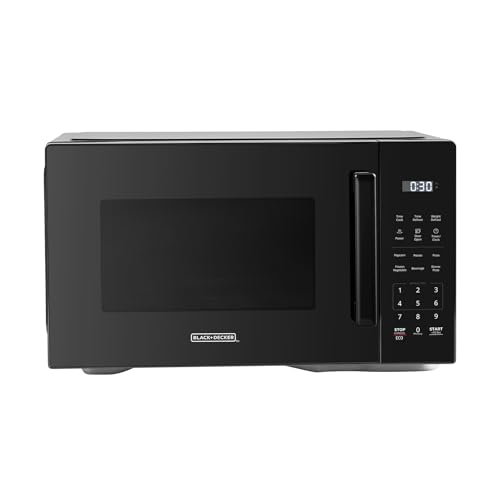
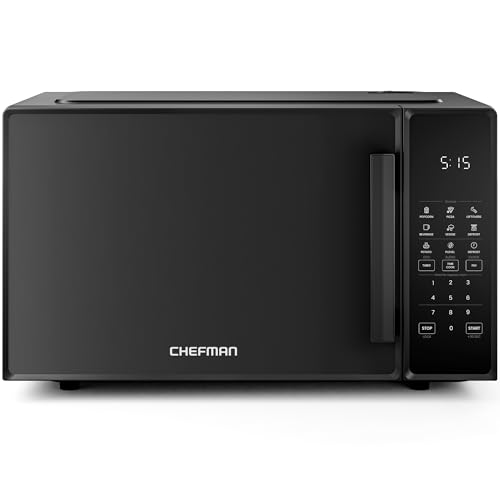
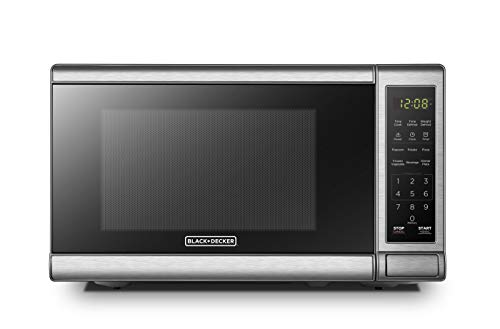
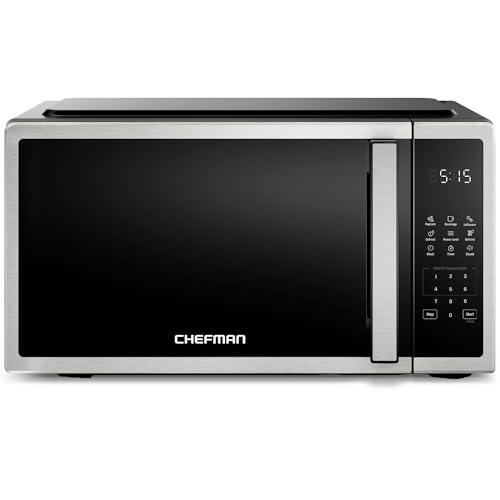
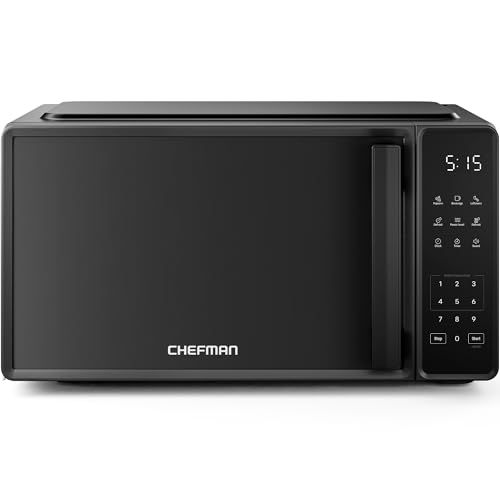
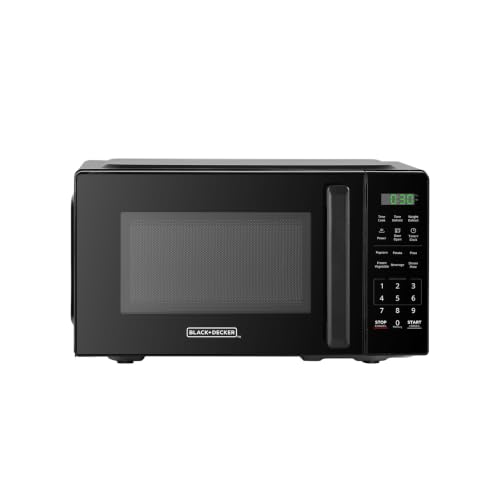
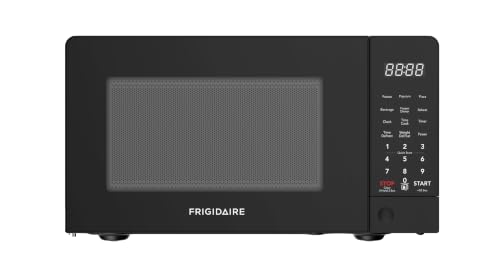
Countertop units are the simplest option: plug them in and they work. They come in the widest range of sizes and prices, which makes them the default choice for renters, first apartments, or anyone replacing a broken unit without wanting an installation project. The obvious tradeoff is lost counter space, which matters more in a galley kitchen than a large one. If space is genuinely tight rather than just a minor annoyance, it is worth comparing dedicated compact options directly, since a small microwave built for tight spaces handles that scenario better than trying to squeeze a mid-size countertop unit into a corner it barely fits.
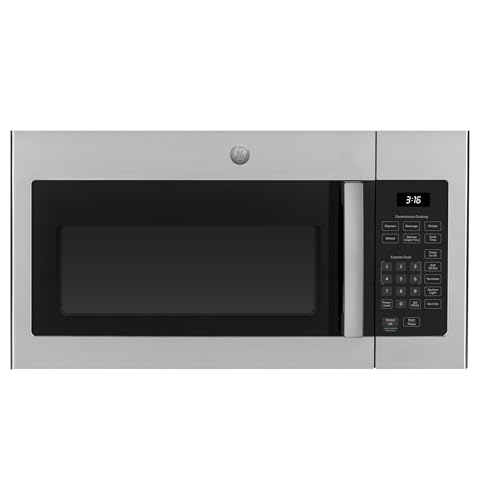
Over-the-Range Microwaves
Over-the-range (OTR) models mount above the stove and usually double as a range hood, venting cooking exhaust either outside or through a recirculating filter. They free up the counter entirely, which is why they are common in smaller kitchens and remodels. The catch is that they are the most involved to install of the three types, and reliability varies noticeably by brand within this category rather than tracking neatly with price.
Built-In and Convection Combo Microwaves
Built-in models sit flush in cabinetry using a trim kit, giving a finished look that is popular in full kitchen remodels, often planned alongside a wall oven when a kitchen is being laid out from scratch. Within this category, convection microwave combos add true baking, roasting, and browning on top of standard microwave functions. If your household bakes or roasts regularly and you are seriously weighing that upgrade, it deserves its own comparison rather than a summary here. A more detailed look at what separates a genuinely useful convection microwave combo for baking from one that barely improves on a standard model covers the tradeoffs in full.
Wattage and Capacity: The Numbers That Actually Predict Performance
Two numbers on the spec sheet do more to predict how a microwave will actually perform than anything else on the box.
Wattage
Most microwaves run somewhere between 600 and 1,200 watts. Anything under 700 watts will noticeably struggle with dense or frozen foods and will roughly double the time a recipe or package instruction expects, since those instructions are almost always written assuming 1,000 watts or more. For a primary kitchen microwave, 1,000 watts is a reasonable minimum; going lower only really makes sense for a secondary unit used mostly for reheating drinks or small plates.
Capacity
Cubic footage is where advertised numbers and real-world usability tend to diverge. Independent lab testing has found that the usable interior space in many models runs well under what the listed capacity implies, since manufacturers often measure the full interior cavity rather than the space actually clear of the turntable, vents, and rounded corners. A model listed around 1.2 cubic feet or larger is a safer bet if you need to fit a standard dinner plate or a tall mug without checking dimensions first, and it is worth measuring your own most-used dish or mug before assuming any listed capacity will accommodate it.
Sensor Cooking, Inverter Technology, and the Turntable Question
Beyond the base spec sheet, three features come up repeatedly in comparisons of the best microwave ovens, and they are worth understanding individually rather than as a bundled "premium" checkbox.
Sensor Cooking
Instead of running a fixed timer, sensor cooking reads the steam and humidity coming off food and adjusts time and power automatically. In practice this tends to produce more consistent results than manually guessing a time, particularly for reheating leftovers of varying size and moisture content, though it works best on the auto-cook presets it was designed for rather than for a completely custom manual setting.
Inverter Technology
Standard microwaves cycle the magnetron on and off at full power to simulate a lower setting, which is why food defrosted at 30 percent power can still end up partially cooked at the edges. Inverter models instead deliver a steady, continuous lower power level, which produces noticeably more even defrosting and gentler cooking for delicate foods like fish or eggs. It is a genuinely useful upgrade for households that defrost meat often, and less essential if your microwave use is mostly reheating already-cooked food.
Turntable vs. Flatbed
A rotating turntable remains the most common way microwaves distribute heat evenly, but it is also one of the more common points of mechanical failure over years of daily use, and it eats into usable space for rectangular dishes or large takeout containers. Flatbed interiors skip the rotating plate entirely, trading a small amount of heating evenness for more usable square footage and one less moving part to eventually wear out. Some newer models let you disable the turntable and use either mode depending on what you are heating, which is worth checking for if this tradeoff matters to you.
Installation, Venting, and Safety Habits Worth Knowing
These details rarely make it into spec comparisons, but they affect how smoothly your purchase actually goes once it arrives.
Installation Reality for Over-the-Range Units
Swapping in an OTR microwave is not a plug-and-play job in most homes. It typically requires a dedicated electrical circuit, precise alignment with the existing mounting bracket and cabinet cutout, and either ducting to the outside or a recirculating charcoal filter if there is no external vent path. If your kitchen layout allows it, separating the two functions by installing a standalone wall-mount range hood for ventilation and a countertop or built-in microwave elsewhere can sometimes be simpler than replacing an OTR unit that has to do both jobs at once, especially in an older kitchen with limited existing wiring.
Door Seals and Everyday Safety
Microwave radiation leakage is a legitimate but frequently misunderstood concern. Regulatory limits are set far below any level that causes harm, and a properly maintained door seal keeps leakage effectively negligible. The realistic risk is not the appliance itself but a bent door, damaged mesh, or food debris built up along the seal and latch area over time, which is why wiping down the door gasket periodically is a genuine safety habit rather than just a cleanliness one. If a door does not close and latch firmly, or the seal looks visibly warped, that is worth replacing the unit over rather than continuing to use it.
Frequently Asked Questions
How many watts do I actually need?
Aim for at least 1,000 watts for a primary kitchen microwave. Below 700 watts, cooking and defrosting times stretch noticeably, and package instructions written for higher wattage will no longer be accurate.
Is sensor cooking worth paying extra for?
For households that reheat a wide variety of foods, yes. It adjusts automatically based on steam and moisture rather than a fixed timer, which tends to produce more consistent results than guessing manually, especially on the auto-cook presets it was built for.
Do I need inverter technology?
It is most valuable if you defrost meat or cook delicate foods like fish and eggs often, since it delivers steady lower power instead of cycling on and off. For mostly reheating already-cooked leftovers, it is a nice-to-have rather than essential.
Can I install an over-the-range microwave myself?
It is possible for an experienced do-it-yourselfer, but most manufacturers recommend professional installation because it usually involves electrical wiring, ducting or a recirculating filter, and precise wall bracket alignment. Getting any of those wrong can create a safety issue or void the warranty.
Should I worry about microwave radiation leaks?
Regulated leakage limits are set well below any harmful threshold, and a properly maintained seal keeps exposure effectively negligible. The realistic issue is a damaged door, warped seal, or debris buildup rather than the appliance itself being inherently unsafe.
How long should a microwave last?
Most units run seven to ten years with normal use. Keeping the turntable, roller ring, and door seal clean, and avoiding running the unit empty, both help it reach that range.
Bringing It Back to How You Cook
There is no single best microwave oven, only the right combination of type, wattage, and features for how your household actually cooks. A countertop model covers most people's needs with the least commitment, an over-the-range unit makes sense when counter space is tight and you are ready for a real installation, and a built-in or convection combo fits a kitchen already being remodeled around it.
Once you have settled on a mounting style, prioritize real wattage and usable capacity over marketing numbers, add sensor cooking or inverter technology if your cooking habits actually benefit from them, and do not skip the installation and seal maintenance details that keep whichever model you choose running safely for years.