
Best Septic Tank Treatments (Explained Simply for 2026)
Disclosure: We may earn a commission when you buy through links on this page, at no extra cost to you. As an Amazon Associate I earn from qualifying purchases. Learn more

What the best septic tank treatments really are: pumping, good habits and optional monthly bacteria packets.
The best treatment for a septic tank is regular inspection and pumping, careful water use and keeping the wrong things out of the drains. Monthly bacteria and enzyme additives are an optional extra that some homeowners use, but they do not replace pumping. This guide to the best septic tank treatments explains what actually keeps a system healthy, how to do each step, which mistakes to avoid and which products can help.
Every product in the table above is sold new on Amazon US. A failing septic system can expose your family to raw sewage and contaminate groundwater, so call a licensed septic professional if you notice sewage odors, gurgling drains, soggy ground over the drain field or backups.


Quick Answer
The best septic tank treatments are: having the tank inspected about every 3 years and pumped every 3 to 5 years, spreading out water use, flushing only toilet paper, protecting the drain field and, if you choose, adding a monthly bacteria and enzyme packet such as Green Gobbler, Rid-X or Cabin Obsession.
The US Environmental Protection Agency recommends inspection by a professional about every three years for most household systems, with pumping typically every three to five years, depending on household size, tank size and water use.
Why It Matters
A septic tank separates solids from wastewater. Bacteria break down some of the solids, while the liquid flows to a drain field where soil filters it. When sludge builds up too high, solids escape into the drain field and clog it, which can lead to backups, odors and very expensive repairs or replacement.
Good care protects your home, your health and local water sources. Failing systems can release bacteria, viruses and nutrients into groundwater, wells and nearby streams. Simple habits and scheduled maintenance cost far less than a new drain field.
Best Septic Tank Treatments Explained
Here are the most effective ways to keep a septic system healthy, from most to least important.
1. Regular Inspection and Pumping
This is the single most important treatment. A licensed professional measures the sludge and scum layers and pumps the tank when needed, usually every 3 to 5 years. Keep records of each visit. Larger households and smaller tanks need more frequent pumping.
Ask the pumper to check baffles and the effluent filter, if your tank has one, during each visit. A clogged filter is a common cause of slow drains.
2. Water Conservation
Too much water at once can push solids out of the tank before they settle. Fix leaky faucets and running toilets, use water efficient fixtures and spread laundry loads across the week instead of doing them all in one day.
High efficiency washing machines and water saving toilets use less water per use, which gives solids more time to settle in the tank.
3. Flush Only Toilet Paper and Waste
Wipes labeled flushable, paper towels, feminine products, cat litter, dental floss and medications do not break down and can clog the tank or harm its bacteria. Keep a trash can in every bathroom.
Garbage disposals add a lot of solids, so use one sparingly or compost food scraps instead.
4. Keep Grease and Harsh Chemicals Out
Cooking grease hardens in pipes and the tank. Large amounts of bleach, drain openers, solvents and paint can kill helpful bacteria. Normal household cleaners in normal amounts are generally fine, as Green Gobbler notes on its listing.
Wipe greasy pans with a paper towel before washing them.
5. Protect the Drain Field
Do not park or drive on the drain field, build over it or plant trees nearby, since roots can clog pipes. Grass is the best cover. Direct roof drains and sump pumps away from the area.
Mark the corners of the drain field so contractors and guests know where not to dig or drive.
6. Monthly Bacteria and Enzyme Additives
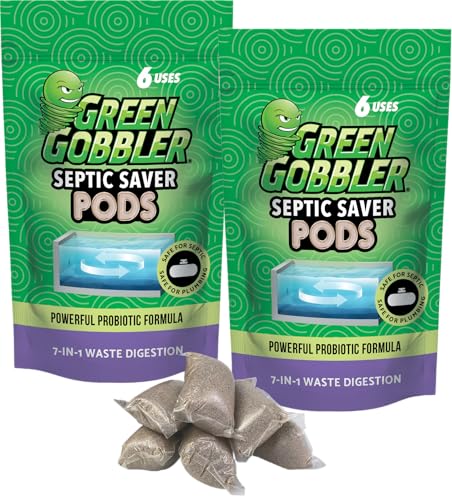
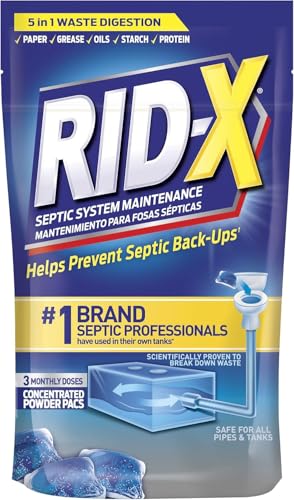
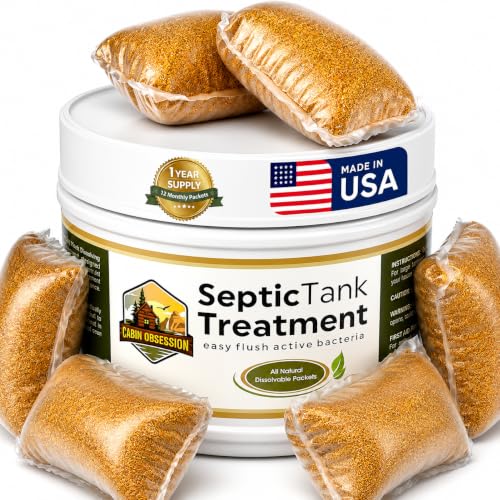
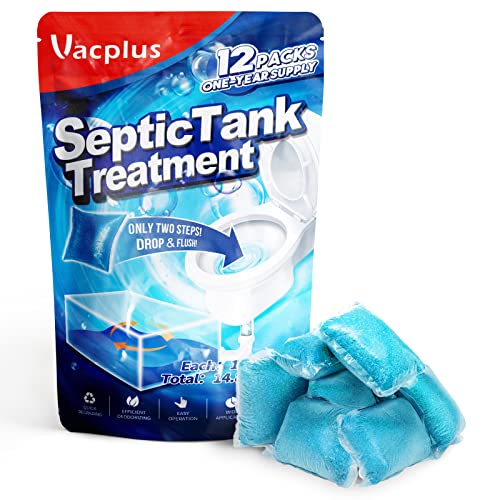
Monthly packets add bacteria and enzymes meant to help break down waste. Green Gobbler, Rid-X, Vacplus and Cabin Obsession all suggest flushing one packet a month. The EPA notes that additives are generally not needed for a properly working system, so treat them as optional and never as a substitute for pumping.
If you try additives, follow the label dose and drop the packet in the toilet closest to the tank, usually on the main floor.
7. Drain Field and Shock Treatments
Drain field cleaners, like Green Pig Drain Field Cleaner, are sold for slow or clogged leach fields. If your drain field is failing, have a professional inspect it first, since many problems need repair rather than a product.
Helpful Products That Make It Easier
Monthly packets are the easiest add on. Green Gobbler's 12 month supply, at around $24, lists a probiotic formula that targets toilet paper, fats, oils, grease, proteins and sugars, with one pod flushed monthly in the main floor toilet.
Rid-X Septi-Pacs, at around $14 for a 3.2 ounce pack, list a dual action formula of fast acting enzymes and bacteria for tanks up to 1,500 gallons. Cabin Obsession's 12 pack, at around $20, lists billions of live bacteria cultures and is made in the USA. Vacplus offers a 12 pack at around $10.
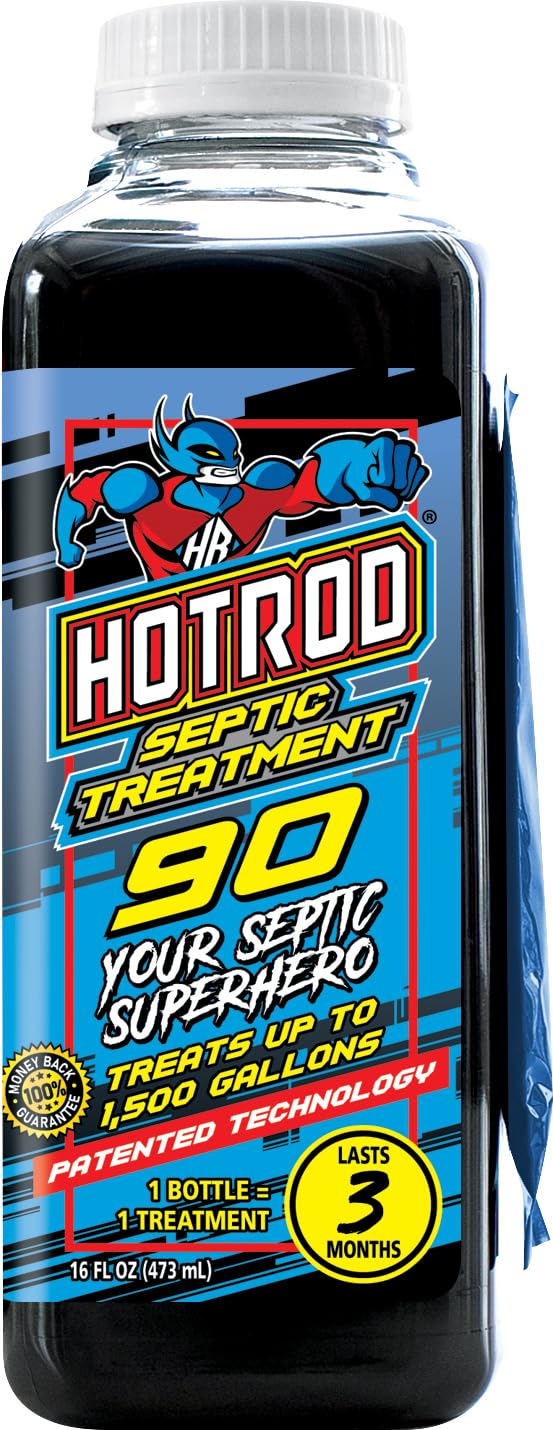
Other formats include Rid-X powder at around $78 for a 12 month supply, Green Pig packets at around $38 for a 5 year supply, Unique Septic System Digester liquid at around $47 for 16 monthly treatments and HOTROD 90 liquid at around $35.
Low flow and water saving toilets also help by reducing the water load on the tank.
Common Mistakes to Avoid
- Skipping pumping because you use additives. No product removes the sludge that settles at the bottom of the tank.
- Flushing wipes. Even wipes labeled flushable can clog the system.
- Pouring grease down the drain. It hardens in pipes and the tank.
- Doing all the laundry in one day. Large water surges can flood the drain field.
- Ignoring warning signs. Slow drains, odors and wet spots need prompt professional attention.
FAQs
How long does it take to see results?
Pumping gives immediate relief from a full tank. Better habits pay off over months and years in fewer problems. If you use additives, makers describe them as monthly maintenance, so there is usually no single dramatic change to notice.
Can doing it wrong make things worse?
Yes. Harsh chemicals can kill helpful bacteria, flushing the wrong items can clog pipes and delaying pumping lets solids reach the drain field. Some products sold to clear clogs can push solids into the drain field if misused.
What else can help alongside it?
Water efficient fixtures, a lint filter on your washing machine, a trash can in every bathroom, careful use of the garbage disposal and keeping a map of where your tank and drain field are located all help.
Is it safe for everyone?
Most monthly packets are marketed as natural and septic safe, and Rid-X and Cabin Obsession say they are safe for aerobic and anaerobic systems. Keep all products away from children and pets, and never open a septic tank lid yourself, since tank gases are dangerous.
Do I need any special equipment?
No for daily care. Pumping and inspection need a licensed professional with a pump truck. Aerobic systems use air pumps or aerators, which a service provider should maintain.
Risers that bring the tank lid to ground level make future inspections faster and cheaper.
How often should I do this?
Have the system inspected about every 3 years and pumped every 3 to 5 years, or as your professional recommends. Daily habits apply every day, and monthly additives, if you use them, go in once a month.
Our Verdict
The best septic tank treatments are regular professional inspection and pumping, careful water use and keeping grease, wipes and harsh chemicals out of the system. Monthly bacteria packets like Green Gobbler and Rid-X are an easy optional extra but never a replacement for pumping.
For more home guides, see the best water saving toilets for home, the best toilet plungers, the best submersible sump pump and the best composting toilets. Then compare current prices in the product table above.


