
Best Mosquito Bite Relief: Everything to Know Before Your First Purchase
Disclosure: We may earn a commission when you buy through links on this page, at no extra cost to you. As an Amazon Associate I earn from qualifying purchases. Learn more

The best mosquito bite relief explained: heat pens, suction tools, creams and patches compared for first time buyers.
Mosquito bites are a small problem that can ruin a summer evening, a camping trip or a good night's sleep. The itch comes from your body's reaction to proteins in mosquito saliva, and scratching only makes the swelling worse and can break the skin. Bite relief products tackle that itch in very different ways: heated pens, suction tools, anti itch creams and balms and stick on patches. This guide to the best mosquito bite relief options is written for first time buyers, explaining the terms in plain English, comparing options and helping you avoid rookie mistakes.
We cover the basics, the key specs, rookie mistakes, setup and first use and answers to common questions. Every product in the table above is sold new on Amazon US. This guide is general information, not medical advice: seek emergency care for signs of a severe allergic reaction like trouble breathing or swelling of the face or throat, see a doctor for bites that look infected, spread or come with fever, and ask a pediatrician before using medicated creams or heat devices on young children.



Mosquito Bite Relief 101: The Basics
When a mosquito bites, it injects saliva that triggers a mild immune reaction, causing a red, itchy bump. Most bites fade on their own in a few days, but relief products can shorten the itchy phase and help you stop scratching.
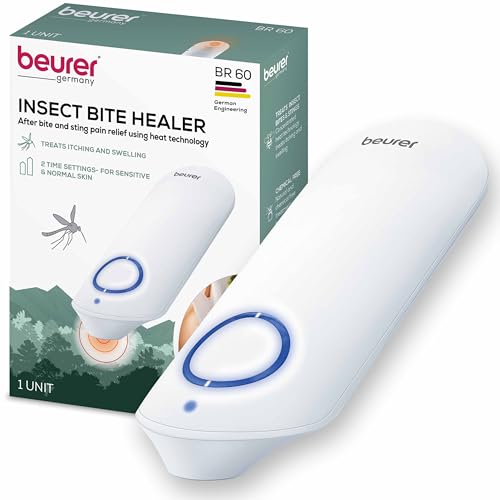
Products fall into four main groups. Heat devices, like the Beurer BiteX and Vibis bite relief pen, apply brief, controlled heat to the bite.
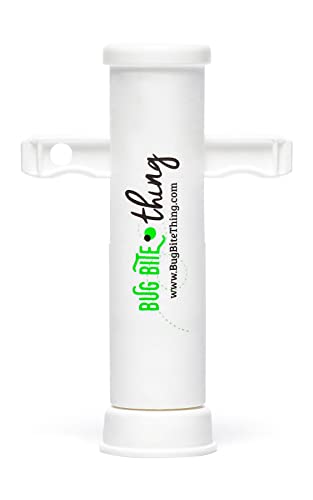
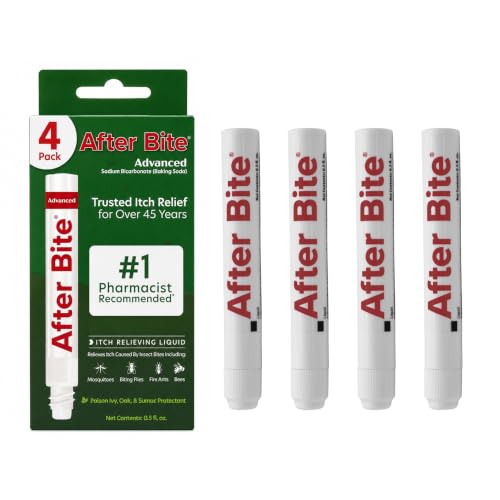
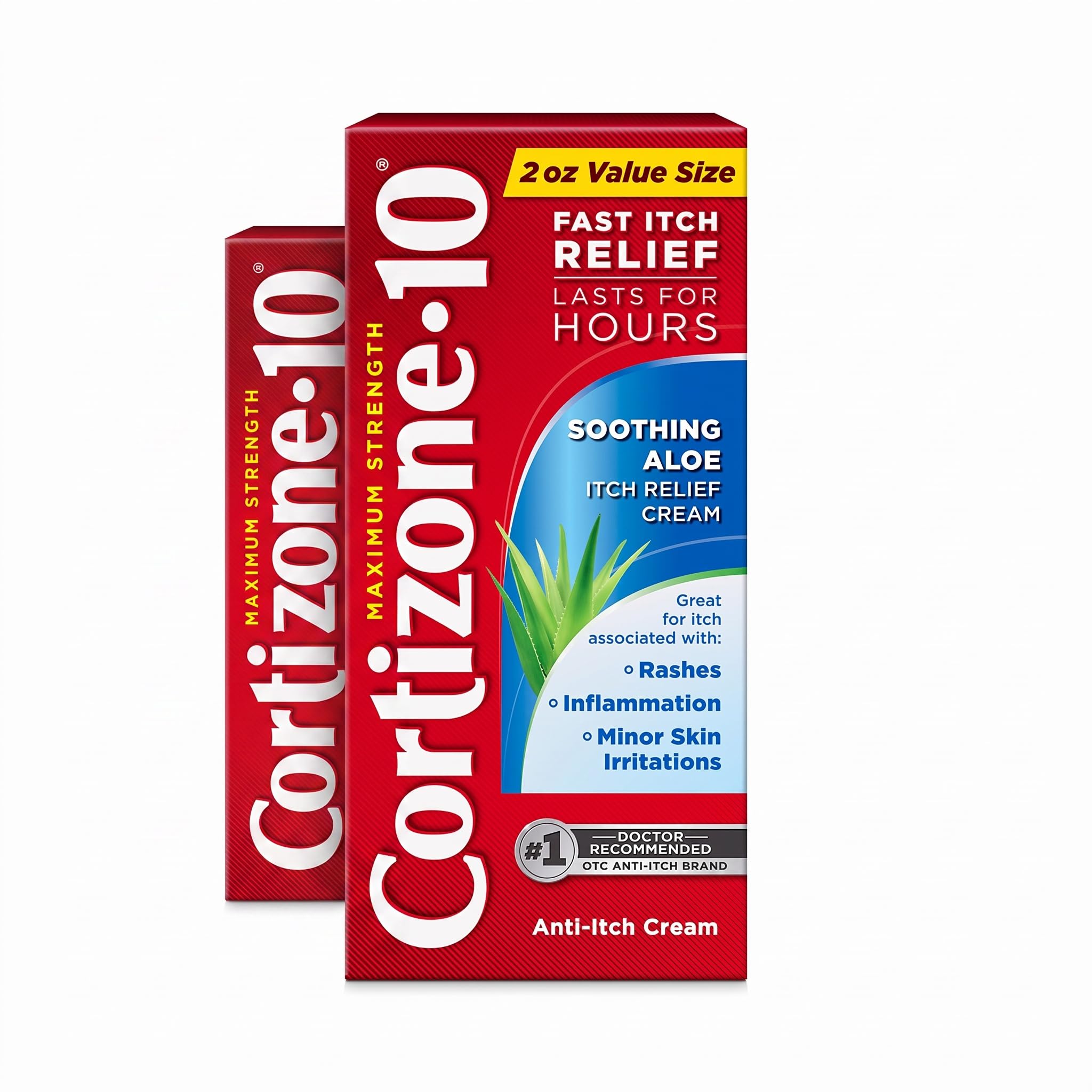
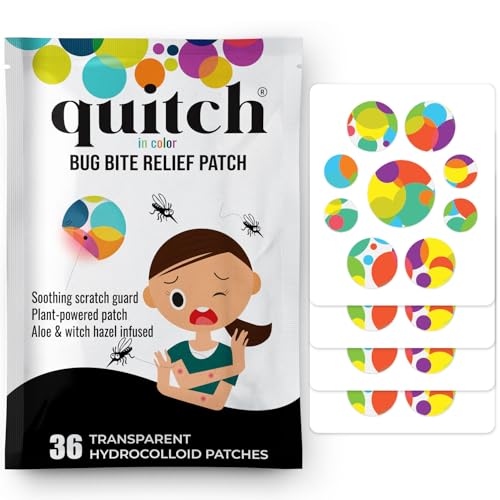
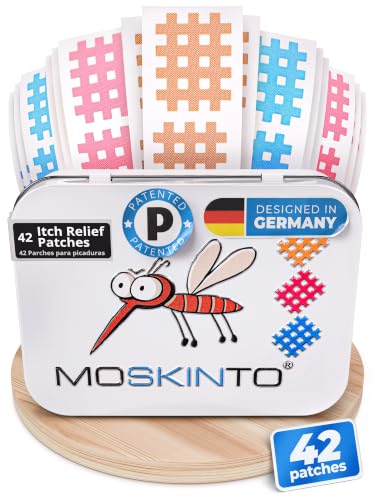
Suction tools, like the Bug Bite Thing, pull fluid from just under the skin. Topical treatments, like After Bite, Badger After Bug Balm and 1% hydrocortisone creams such as Aveeno and Cortizone-10, soothe the skin. Patches, like Quitch and Moskinto, cover the bite to stop scratching and help calm the itch.
Many families keep more than one type: a device or pen for fast relief and patches or cream for longer comfort, especially at bedtime.
Prices are low across the board, from around $7 for a tube of hydrocortisone cream to around $26 for a heated bite pen. The best mosquito bite relief for your household depends on who gets bitten, how often and whether you prefer chemical free options.
Some people react more strongly than others. Kids, people new to an area and those with sensitive skin may get larger, itchier welts, which makes having relief on hand more important for them. A few people have a stronger local reaction sometimes called skeeter syndrome, which is worth discussing with a doctor.
Key Specs Explained in Plain English
The key specs are relief method, ingredients and safety, value, portability and power and suitability for kids. Here is what each means.
Read labels for age limits, active ingredients and how often you can reapply, since these vary widely between devices, creams and patches.
The best mosquito bite relief kit for most families combines one fast acting option, like a heat pen or suction tool, with a gentle cream or patch for lasting comfort, especially overnight.
Relief Method and Who It's For
Heat pens suit adults and older kids who want chemical free relief in seconds. Beurer says its BiteX heats a ceramic plate for 3 to 6 seconds, with two programs, and Vibis lists two modes, 124°F and 117°F, plus blue light and heat pulses.
Suction tools suit people who want a simple, reusable, chemical free option; Bug Bite Thing says it removes saliva under the skin using suction. Creams and balms suit soothing many bites at once. Patches suit kids and nighttime, since they cover the bite.
Heat devices are thought to work by briefly warming the area, which may help reduce the itch response. Suction tools aim to draw out irritants. Neither replaces medical care for serious reactions, but many people find them handy for everyday bites.
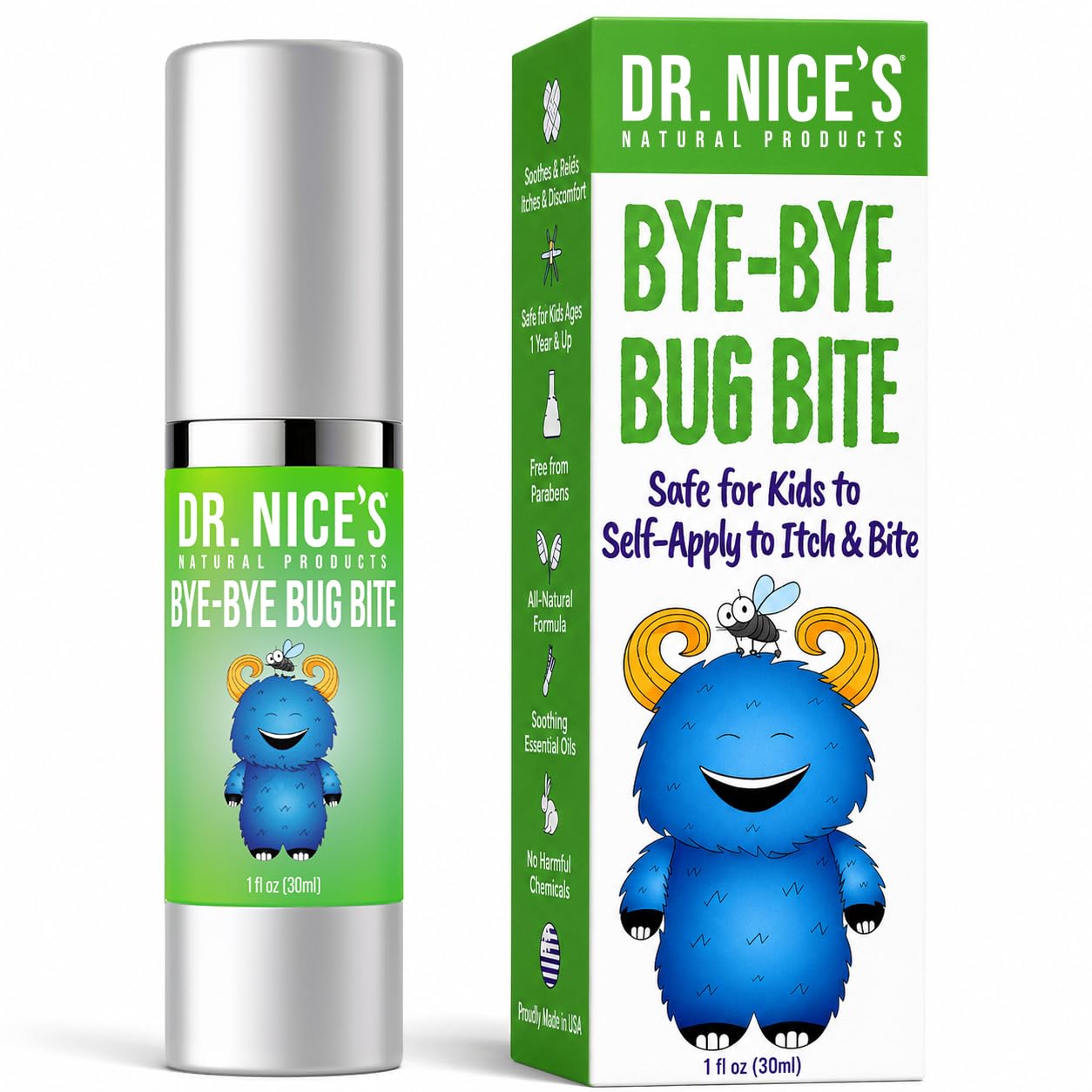
Topical treatments work differently from devices. Baking soda based liquids, like After Bite, and oatmeal balms, like Badger, soothe the skin surface, while hydrocortisone creams reduce inflammation. Cooling hydrogels, like DR. NICE'S Bye Bye Bug Bite, add a soothing layer and are marketed as safe for kids.
Ingredients and Safety
After Bite Advanced uses 5% sodium bicarbonate in a paraben free liquid, according to After Bite. Badger's balm uses 10% organic colloidal oatmeal with menthol.
Hydrocortisone creams, like Aveeno Maximum Strength and Cortizone-10, use 1% hydrocortisone to calm itch and inflammation; follow the label age limits. Quitch patches use a hydrocolloid base with aloe and witch hazel, and Moskinto patches use a drug free grid design. Heat devices contain no chemicals but must be used carefully to avoid burns.
Check labels for age limits; hydrocortisone creams often carry guidance about use on children under 2. Spot check any new cream on a small area first if you have sensitive skin, and stop using a product that causes redness or burning.
Fragrance free and hypoallergenic options suit sensitive skin. Badger describes its balm as hypoallergenic and certified organic, while Moskinto lists unscented, latex free patches.
Keep all products away from eyes and mouths, and wash hands after applying creams.
Price vs Value
Suction tools cost around $10 and last for years. Patches cost around $12 to $14 per pack; Moskinto's family pack has 42 patches.
Creams cost around $7 to $16. Heat devices cost around $25 to $26 but are reusable. For frequent bites, reusable devices offer the most value over time.
For families with several kids, a large pack of patches and a reusable device often cover a whole summer for less than buying multiple creams.
After Bite's 4 pack of pen applicators, at around $21, spreads relief across bags, cars and first aid kits.
Store brand hydrocortisone creams often cost less than name brands with the same 1% strength.
Compare cost per use, not just sticker price.
Portability and Power
Pens and patches fit in pockets, purses and first aid kits. Vibis lists a 300mAh rechargeable battery that charges in 45 to 60 minutes, lasts about 15 days and weighs only 0.8 ounces. Beurer's BiteX runs on a battery. Suction tools and creams need no power at all.
Moskinto says its patches are waterproof and stay on while swimming, showering or sweating, which suits beach and pool days.
Battery powered pens need a spare battery or charge before trips; Vibis says one charge lasts about 15 days of use.
Creams and sticks should stay out of hot cars, which can change their texture.
Kid Friendliness
Patches are often the easiest choice for kids, since they cover bites and discourage scratching. Quitch describes its patches as dermatologist engineered and gentle for kids, and Badger says its balm is pediatrician approved. Heat devices may feel too hot for young children; follow age guidance and check the temperature on yourself first.
Fun designs on kids' patches can make them more willing to leave bites alone, which is half the battle.
For babies and toddlers, talk to a pediatrician before using any product, and focus on prevention with nets and protective clothing.
Hydrocolloid patches, like Quitch's, also absorb fluid from bites and form a soft barrier that protects skin while it heals.
Let kids pick their patch designs.
Rookie Mistakes to Avoid
The most common mistake is scratching, which can break the skin and lead to infection. Another is waiting too long to treat; most products work best soon after the bite.
Some people use heat devices too long or on sensitive skin, risking burns. Using hydrocortisone on broken or infected skin or on young children without checking the label is another mistake. Finally, relying on relief products instead of prevention leads to more bites; use repellent and cover up at dusk.
Another mistake is applying several products at once on the same bite. Stick to one approach at a time to avoid irritating the skin.
Some people also keep heat pens on the skin longer than the set cycle, thinking more heat works better. Use the device exactly as directed.
Finally, ignoring signs of infection, like pus, warmth or red streaks, can let a minor bite become a bigger problem.
Getting Started: Setup and First Use
Wash the bite with soap and water first. For heat pens, charge or insert batteries, choose the lower setting first, press the tip to the bite and wait for the beep. For suction tools, place the tip over the bite and pull the handle gently for 10 to 30 seconds.
For creams and balms, apply a thin layer as directed. For patches, place a patch over clean, dry skin and leave it on as long as the label suggests. A cold pack can also help reduce swelling.
Keep a kit with a bite pen or suction tool, a small tube of cream and a few patches in your beach bag, car and camping gear so relief is always close by.
Trim kids' fingernails during mosquito season to limit damage from scratching, and dress kids in light, long sleeves at dusk.
Prevention still matters most: use an EPA registered insect repellent as directed, empty standing water around your home and avoid peak mosquito hours at dawn and dusk when possible.
Frequently Asked Questions
How long does mosquito bite relief last?
Heat and suction tools often relieve itching for a few hours, creams last a few hours per application and patches work for as long as they stay on, often several hours. Reapply or repeat as needed.
Most bites stop itching on their own within a few days. If a bite stays swollen, red or painful for longer, see a doctor.
Heat and suction devices can be repeated after a short break if itching returns, following the maker's limits.
What features matter most when buying mosquito bite relief?
The relief method, safety for your age group, ingredients and portability matter most. Families often choose patches and gentle balms, while adults may prefer heat or suction devices.
For travel, choose compact, TSA friendly options like patches, pens and small sticks.
People who prefer chemical free options often choose heat pens, suction tools or drug free patches.
How much should I spend on mosquito bite relief?
Most products cost around $7 to $26. Creams and suction tools are cheapest, patches cost a bit more and heat devices cost the most but are reusable.
Spending a little more on a reusable device often pays off over a buggy summer.
A basic kit can cost under $30 total.
Are expensive bite relief devices worth it?
Heat devices are worth it for people who get bitten often and want chemical free relief. Occasional bites may only need an inexpensive cream or suction tool.
People who prefer to avoid creams and medications often find a reusable device worth the upfront cost.
Devices also avoid the sticky feel of creams, which some people dislike on hands and faces.
How do I care for a bite relief device?
Wipe heat pens and suction tools with an alcohol wipe after each use, keep them dry and recharge or replace batteries as needed. Store creams and patches in a cool, dry place.
Check the tip of heat pens for residue, which can affect heat transfer.
Replace patches and creams once they pass their expiration date.
Our Verdict
The best mosquito bite relief depends on who is bitten and how often. Beurer BiteX and Vibis heat pens offer fast chemical free relief, Bug Bite Thing is a low cost reusable suction tool, After Bite, Badger balm and hydrocortisone creams soothe many bites and Quitch and Moskinto patches suit kids and nighttime. Prevent bites first, and see a doctor for severe reactions.
Pack relief in every outdoor bag so you can treat bites before the scratching starts.
For more outdoor and home guides, see the best bug zappers, the best insect traps, the best camping coolers and the best rechargeable flashlight. Then compare current prices in the product table above.


