
Best Submersible Sump Pump: A Complete Buying Guide
Disclosure: We may earn a commission when you buy through links on this page, at no extra cost to you. As an Amazon Associate I earn from qualifying purchases. Learn more

Water finding its way into a basement rarely announces itself politely. It shows up after a storm, during spring thaw, or the one week you're out of town. A submersible sump pump is the piece of equipment most homeowners lean on to keep that water from turning into a real problem, since it sits down in the pit itself and pushes water out before it has a chance to rise.
Picking one isn't complicated once you know what actually matters. This guide walks through sizing, housing material, float switch compatibility, and what to expect when the power goes out, so you can shop with confidence instead of guessing.


Sizing It Right: Horsepower, Flow Rate, and Vertical Lift
Getting the sizing right is the first real decision to make when shopping for a submersible sump pump. The single biggest sizing mistake is assuming more horsepower always means better protection. A pump that's oversized for a small pit will cycle on and off constantly, which wears out the motor and the float switch far faster than steady, correctly sized operation would.
Horsepower Is Only Half the Story
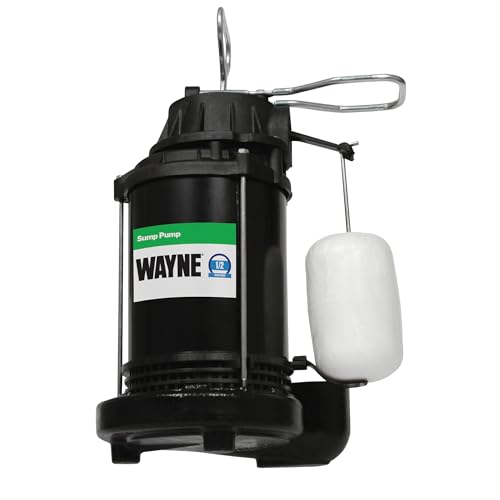
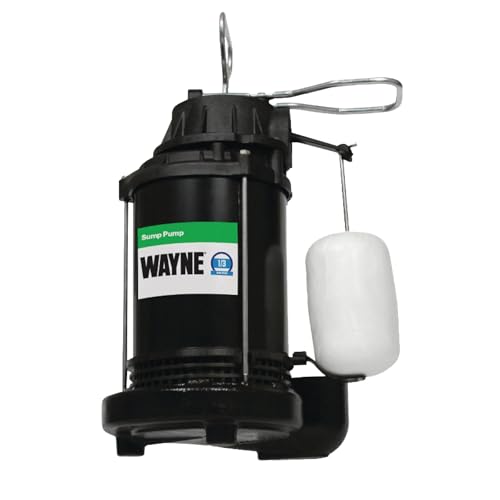
Most average homes with a moderate water table do fine with a 1/3 HP pump, handling roughly 10 feet of vertical lift. Homes with a higher water table, a deeper basement, or a history of heavier seasonal flooding usually need 1/2 HP, and homes in flood-prone areas or with long discharge runs may call for 3/4 HP or more. Horsepower alone doesn't tell the whole story, though, since two pumps with the same rating can move very different amounts of water depending on their design.
Reading GPH at Real-World Lift Heights
Gallons per hour, or GPH, is the number that actually predicts performance, and it changes depending on how high and how far the water has to travel. A pump's rated GPH is almost always measured at zero lift, so check the manufacturer's performance chart at the vertical lift and horizontal run that match your setup, not just the headline number on the box. A longer horizontal discharge run adds friction loss the same way a taller lift does, so both distances matter when you're comparing flow rates.
Cast Iron or Thermoplastic: Which Housing Holds Up?
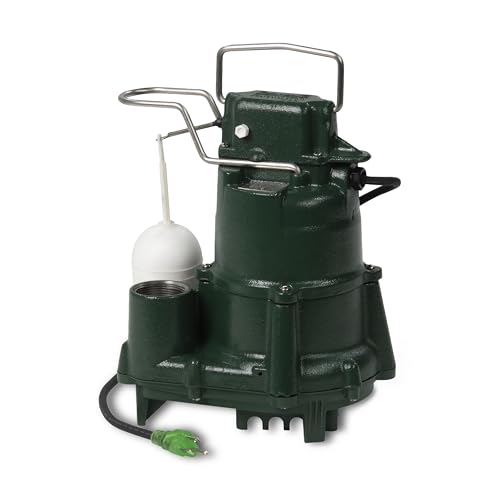
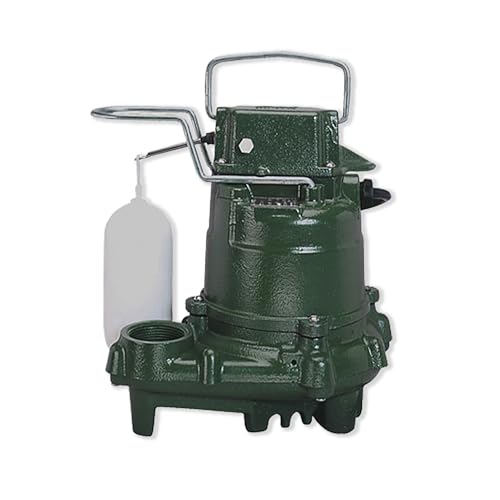
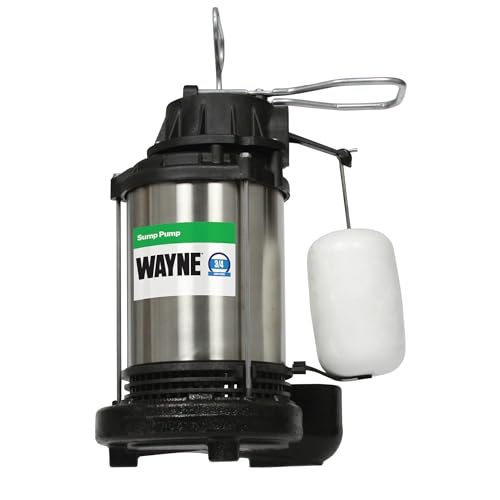
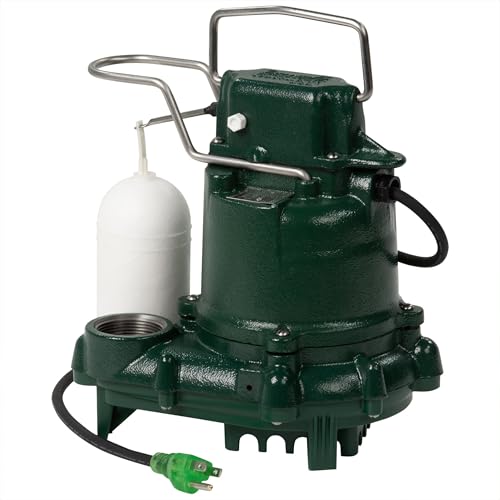
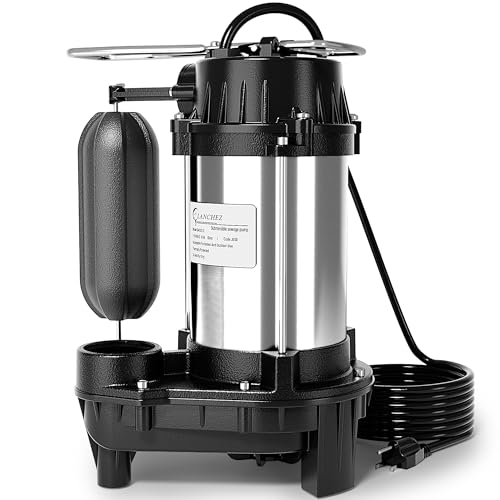
Housing material affects both lifespan and how the pump handles heavy cycling. Cast iron pulls heat away from the motor more efficiently than plastic, so the motor tends to run cooler during long or frequent cycles, and cooler operation generally means the windings and seals last longer. Cast iron also resists warping and cracking better than thermoplastic under sustained use.
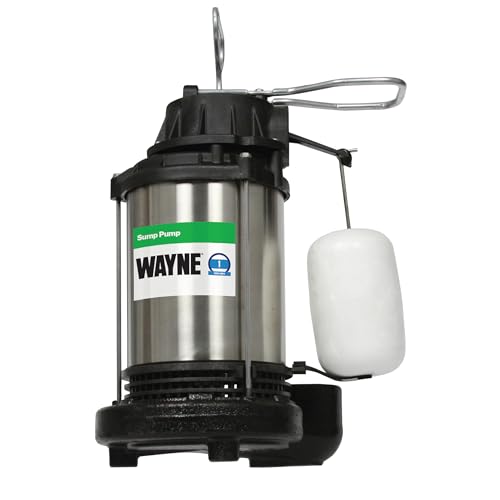
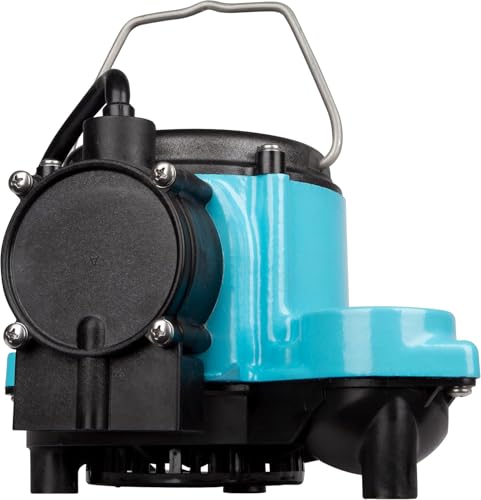
The trade-off is corrosion. Cast iron can rust over time, particularly in pits that stay wet constantly, while a quality thermoplastic housing has no metal to corrode and typically costs less. For a pit that only sees heavy use during major storms, or for a backup unit that rarely runs, thermoplastic is often the practical choice. For a primary pump in a pit with a consistently high water table, the extra durability of cast iron tends to pay for itself.
Float Switch Type and Pit Size
The float switch decides when a submersible sump pump turns on and off, and its design has to match the physical size of your sump pit or it simply won't work well.
Tethered Floats
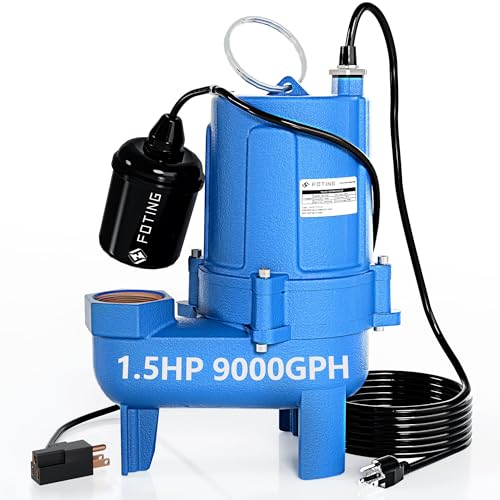
A tethered float hangs on a cord and swings in an arc as water rises and falls. It needs a wider pit, generally 14 inches in diameter or larger, to swing freely without catching on the pit wall or the discharge pipe. In a pit that size, a tethered float gives the motor a longer rest between cycles, which helps it run cooler.
Vertical Floats
A vertical float rides up and down on a rigid rod instead of swinging, which makes it a better fit for narrow or shallow pits where a tethered float would get stuck against the sides. The trade-off is that vertical floats tend to cycle the pump more often, since they typically have a shorter travel distance between on and off points.
What Happens When the Power Goes Out
This is the scenario that worries homeowners most, and for good reason: a standard submersible sump pump runs on household electricity, and the storms most likely to flood a basement are also the storms most likely to knock out power. A battery backup pump solves this by sitting in the same pit with its float set slightly higher than the primary pump's, kicking in automatically if the power fails or the primary pump can't keep up on its own.
A combination of a primary pump plus a battery backup, or a portable generator sized to run the primary pump during an extended outage, gives the most reliable protection. Relying on the primary pump alone leaves a gap during exactly the situation it's most needed for.
How Long a Submersible Pump Should Last
Most submersible sump pumps last somewhere between five and fifteen years, with seven to ten years being a realistic average lifespan for a pump that runs regularly. Constant exposure to water shortens the life of any submersible unit compared with a pump that sits above the pit, which is part of the trade-off for quieter, more efficient operation.
A few warning signs are worth watching for: cycling more frequently than usual, running longer than it used to for the same amount of water, unusual noise, or visible rust around the housing or fittings. Once a pump passes the ten-year mark, repair costs often land close enough to the price of a new unit that replacement is usually the better value. Keeping the pit free of debris and checking the pump every few months goes a long way toward catching problems before they turn into a flooded basement.
A sump pump only handles bulk water, though. Even a basement that never floods can stay damp enough to encourage mold and musty odors, so pairing the pump with a dehumidifier built for basements covers the humidity a pump alone won't touch.
Frequently Asked Questions
What horsepower sump pump do I need?
A 1/3 HP pump handles most average homes with a moderate water table. Step up to 1/2 HP for a higher water table or deeper basement, and consider 3/4 HP or more for flood-prone areas or long discharge runs.
What's the difference between a submersible and a pedestal sump pump?
A submersible pump sits underwater inside the pit, running quieter and often more efficiently. A pedestal pump keeps its motor above the pit on a stand, which makes it easier to service but noisier and generally less powerful.
How long do submersible sump pumps last?
Most last five to fifteen years, with seven to ten years being typical. Constant water exposure is the main reason submersible units wear out faster than pedestal models.
Do I need a battery backup for my sump pump?
A battery backup isn't strictly required, but it protects against the exact scenario a primary pump can't handle: a power outage during a storm. It's worth the investment in basements where flooding would cause serious damage.
Is cast iron better than plastic for a sump pump?
Cast iron generally lasts longer and handles heat better under heavy cycling, but it can rust over time. Thermoplastic resists corrosion and costs less, making it a reasonable choice for lighter-duty or backup use.
How loud is a submersible sump pump?
Submersible pumps run quieter than pedestal models since the motor is sealed and sitting underwater, muffling most of the operating noise. Some hum or vibration is normal, but a sudden increase in noise usually signals a problem worth checking.
Making the Right Call for Your Basement
The right submersible sump pump comes down to matching horsepower and GPH to your actual pit conditions, choosing a housing material that fits how often it will run, and making sure the float switch suits your pit size. Pair it with a battery backup or generator plan for power outages, and check on it a few times a year so small issues get caught early. Get those basics right and the pump will do its job quietly, exactly when it matters most.