
Best Brain Tablets: A Careful and Honest Buying Guide for 2026
Disclosure: We may earn a commission when you buy through links on this page, at no extra cost to you. As an Amazon Associate I earn from qualifying purchases. Learn more

A cautious guide to brain health tablets: ingredients, label transparency, safety questions, and why clinician advice matters more than marketing claims.
Supplements marketed for brain health promise focus, memory, and clarity, yet the evidence behind those promises varies enormously. The best brain tablets conversation should start not with a product list, but with honest questions about ingredients, safety, and whether a supplement is appropriate for you at all. The comparison table below gives a quick side by side view, and this guide explains how to read labels and talk to professionals before buying.
Brain health depends on sleep, exercise, diet, stress, and medical conditions far more than on any single tablet. A supplement cannot replace those foundations, and marketing that suggests otherwise should be treated with scepticism. This guide helps you evaluate products critically, recognise red flags, and have a useful conversation with a clinician or pharmacist.
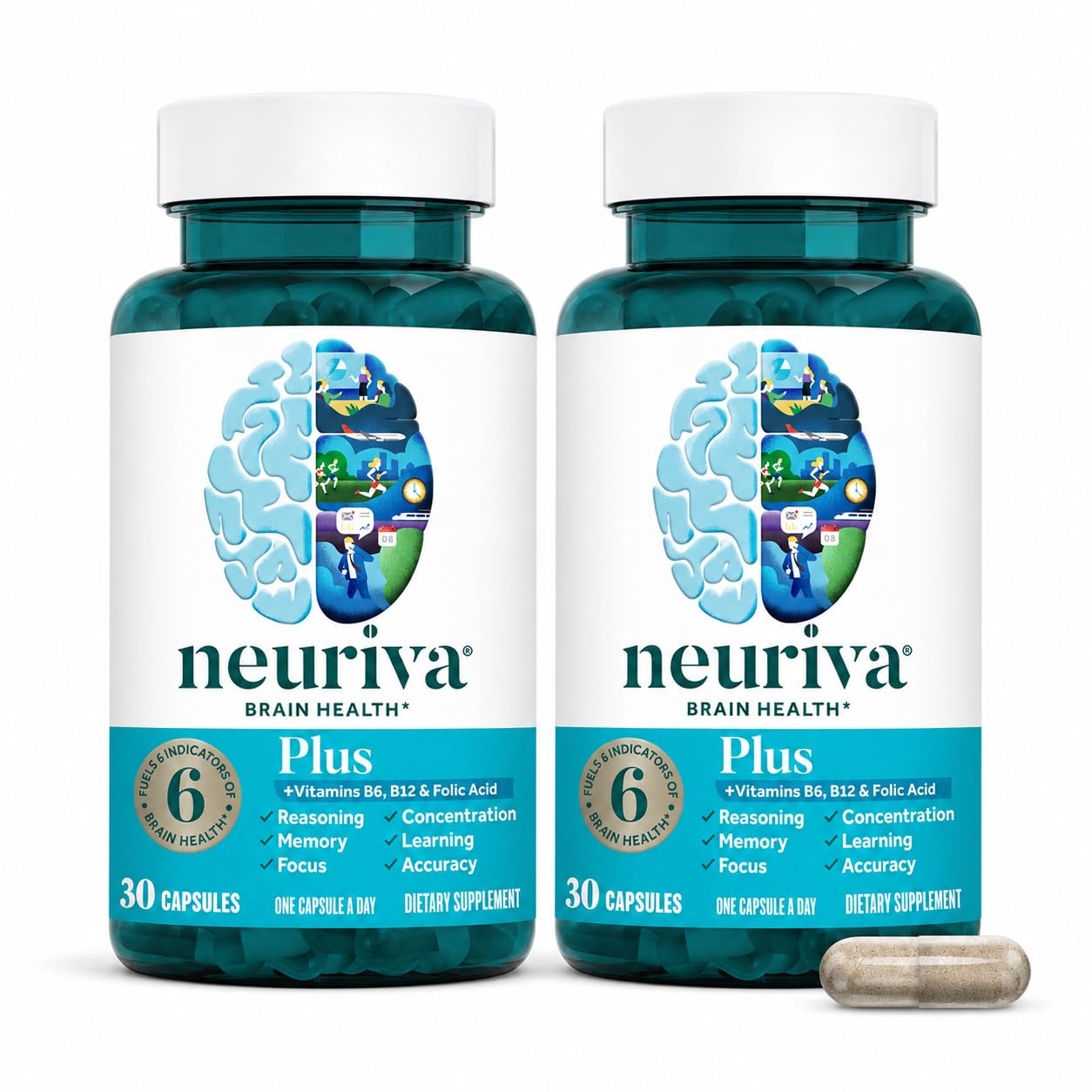

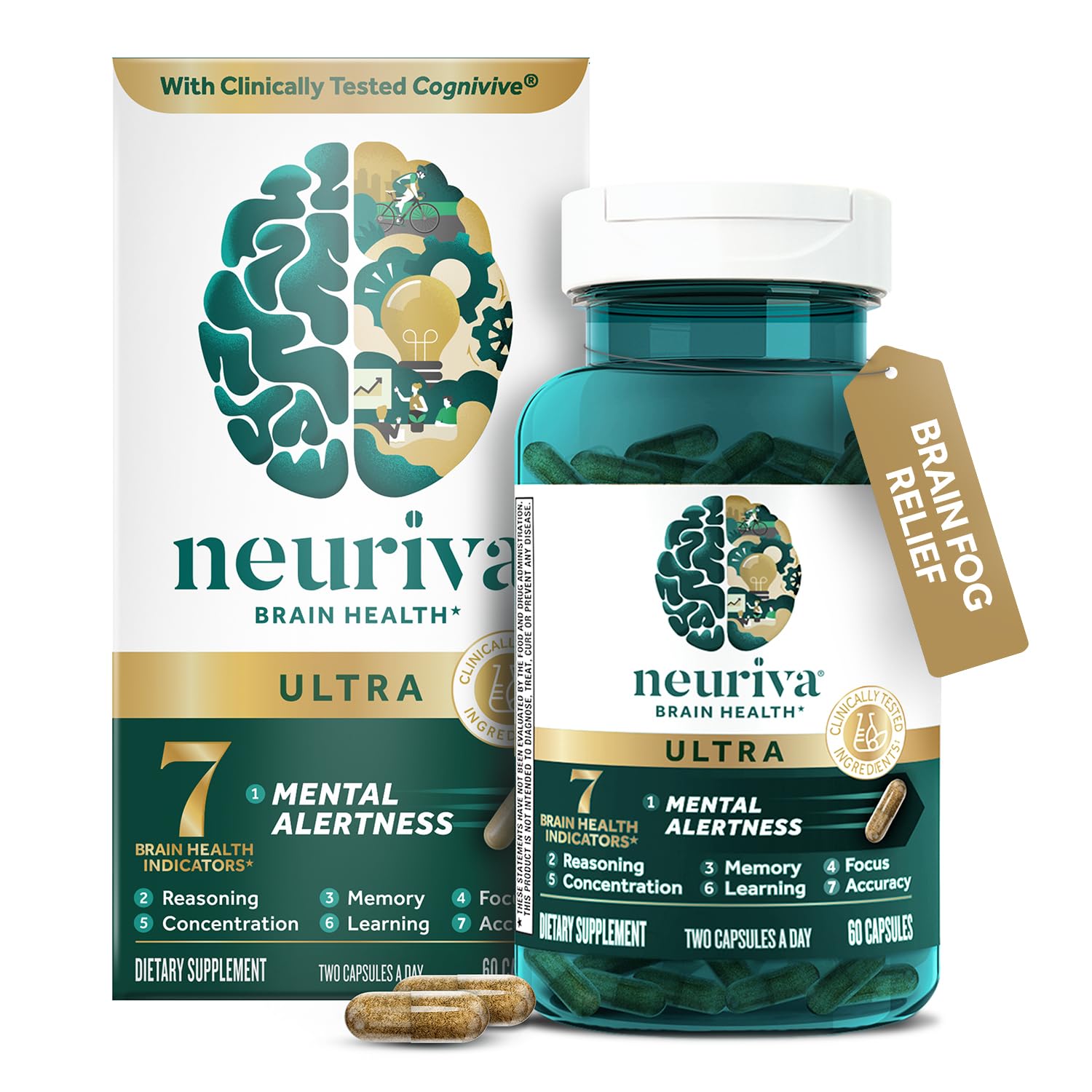


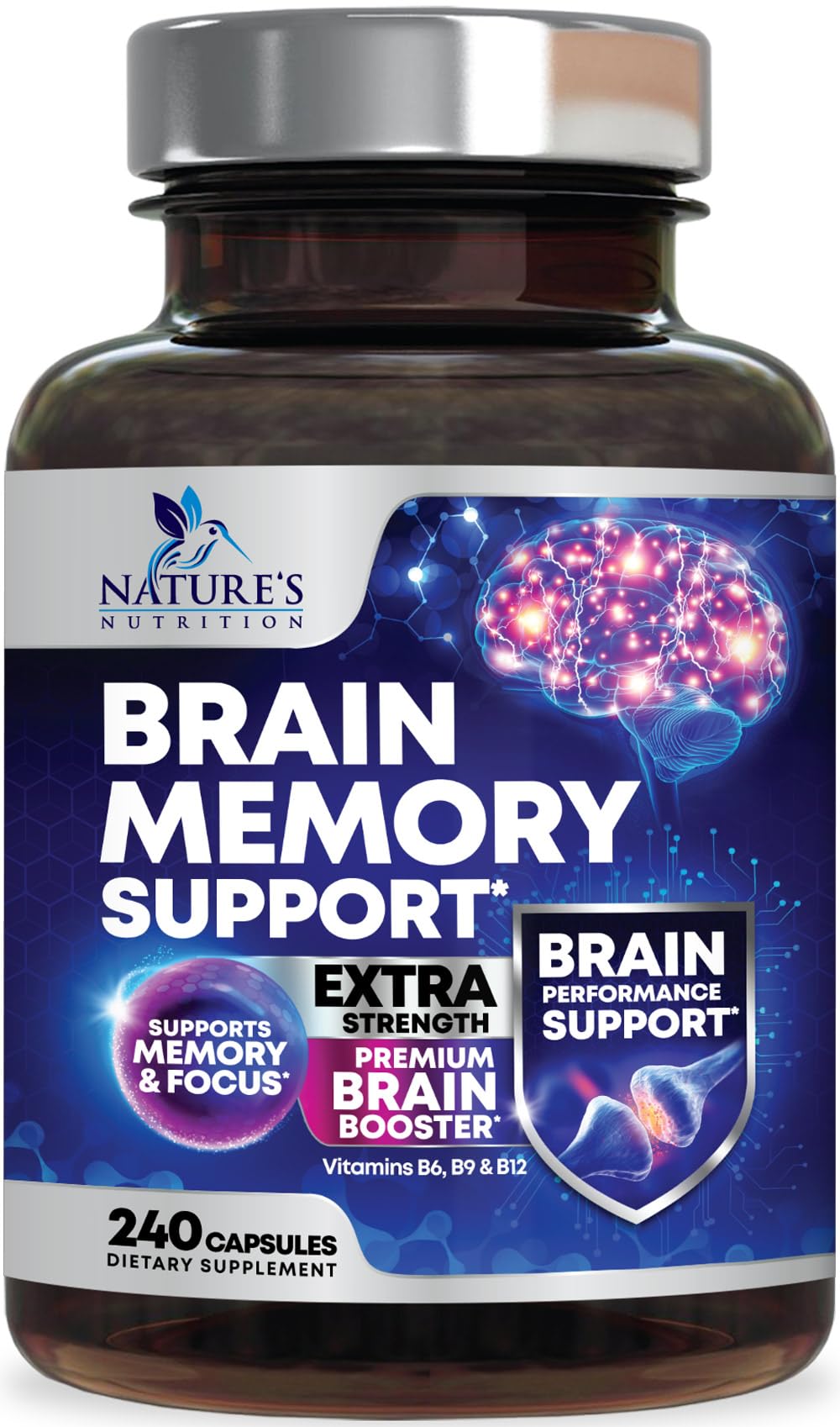

What Brain Tablets Usually Contain
Brain health tablets commonly contain vitamins, minerals, herbal extracts, amino acids, or fatty acids, often in proprietary blends that group several ingredients under one total amount. That blending makes it hard to know how much of each ingredient you actually receive, which matters because effects and risks depend on dose as well as ingredient. Transparent labels that list each ingredient amount separately are far more useful than blends that hide individual amounts.
Common ingredient groups include B vitamins, which support normal nervous system function, omega fatty acids found in fish oil, and plant extracts traditionally used for focus. None of these categories guarantees improved memory or focus in healthy adults, and results in studies often apply to specific groups, such as people with a deficiency, rather than to everyone. Treat broad claims with caution, and look for ingredient lists you can actually understand.
Reading Labels Critically
A trustworthy label states each ingredient, its amount, and the daily serving clearly, without relying on vague phrases such as brain boosting blend or clinical strength. Check whether the product is made in a facility that follows good manufacturing practice, and whether an independent body has tested it for purity. Third party testing does not prove effectiveness, but it does reduce the risk of contamination or mislabelling.
Be wary of products that cite studies without linking them to the actual product and dose sold. A study of a single ingredient at a high dose does not prove that a blended tablet at a lower dose works the same way. If a claim sounds absolute, such as guaranteed sharper memory, that certainty itself is a warning sign, since honest health guidance deals in probabilities and individual differences.
Safety Questions to Ask First
Safety matters more than promised benefits, especially because brain tablets can interact with medicines for blood pressure, mood, blood thinning, and other conditions. Some herbal ingredients affect bleeding risk or blood pressure, and high doses of certain vitamins can cause harm over time. A full medicine list, including over the counter products, helps a clinician or pharmacist spot interactions you might miss.
Warning signs that need prompt professional attention include sudden confusion, severe headache, vision changes, weakness on one side, or a marked change in mood or behaviour. Those symptoms are not side effects to wait out; they need urgent medical assessment. For milder concerns such as persistent headaches, stomach upset, sleep disturbance, or anxiety after starting a supplement, stop use and discuss the product with a clinician or pharmacist before continuing.
Lifestyle Foundations That Matter More
Sleep quality, regular movement, a varied diet, social connection, and stress management all support brain health more reliably than supplements for most people. Poor sleep alone impairs focus and memory the next day, and no tablet reliably compensates for chronic sleep loss. Regular aerobic activity, learning new skills, and managing blood pressure and blood sugar also support long term brain health through mechanisms far better understood than most supplement blends.
If you notice persistent memory problems, difficulty concentrating that interferes with work, or a clear change from your usual abilities, discuss those changes with a clinician rather than self treating with supplements. Early assessment can identify treatable causes such as thyroid problems, vitamin deficiencies, sleep disorders, depression, or medicine side effects. A supplement bought on hope can delay that assessment, which is a real cost worth avoiding.
Talking to a Clinician or Pharmacist
A useful conversation starts with your goals, your full medicine list, and any health conditions, followed by the exact product and label you are considering. Ask whether any ingredient interacts with your medicines, whether a blood test for a deficiency makes sense, and whether a simpler approach, such as diet changes, would serve you better. Bring the bottle or a photo of the label, since ingredient names and blends vary widely.
Also ask about duration and review. Some supplements are intended for short trials with a review point, while others are marketed for indefinite use without any plan to reassess. Agreeing a review date, and stopping if no clear benefit appears, prevents open ended spending on a product that may not help. If a seller discourages professional advice, treat that discouragement itself as a red flag.
A Final Check Before You Buy
Before you buy, confirm that the label is transparent, that no ingredient conflicts with your medicines, and that you have discussed the product with a clinician or pharmacist. Set a review date and a clear way to judge benefit, such as a specific task or symptom diary, rather than a vague feeling of sharpness.
If any warning sign appears, or if memory or concentration problems persist or worsen, seek professional assessment promptly rather than trying another product. The product table above summarises product types, but professional guidance, not marketing, should decide whether any tablet belongs in your routine at all.
Spotting Misleading Marketing
Misleading supplement marketing follows predictable patterns worth learning. Testimonials from unnamed users, before and after stories without verifiable details, and urgency tactics such as countdown timers all push quick buying over careful thought. Celebrity endorsements add glamour but say nothing about evidence, and a product that claims to work for everyone, regardless of age or health, is almost certainly overstating its case.
Another red flag is borrowed science: a product cites a study of a single ingredient at a high dose, then sells a blend at a much lower dose as if the study proved the blend works. Always ask whether the study tested the actual product, at the actual dose, in people like you. If the seller cannot answer that question clearly, treat the claim as marketing rather than evidence.
Regulatory language offers further clues. Phrases such as supports brain health are far weaker than claims of treating a condition, and sellers often choose vague wording deliberately to stay within rules while sounding impressive. A trustworthy seller welcomes professional scrutiny, lists ingredients transparently, and avoids discouraging you from asking a clinician. Those habits, or their absence, tell you a great deal.
Frequently Asked Questions
Do brain tablets improve memory in healthy adults?
Evidence is mixed and often limited to specific ingredients, doses, or groups such as people with a deficiency. Broad claims of sharper memory for everyone are not well supported. Sleep, exercise, diet, and managing health conditions support memory more reliably for most people than any single tablet.
What should I check on a supplement label?
Check that each ingredient and its amount is listed separately, rather than hidden in a proprietary blend. Look for good manufacturing practice and independent purity testing. Be cautious of absolute claims, since honest health information deals in probabilities and individual differences, not guarantees.
Can brain tablets interact with medicines?
Yes, some herbal ingredients and high dose vitamins can interact with medicines for blood pressure, mood, blood thinning, and other conditions. Share your full medicine list with a clinician or pharmacist before starting any supplement, and bring the exact product label to that conversation.
When should I see a clinician about memory problems?
See a clinician promptly for sudden confusion, severe headache, vision changes, weakness on one side, or a marked behaviour change, since those need urgent assessment. Also seek advice for persistent memory or concentration problems that interfere with daily life, rather than self treating with supplements.
Are more expensive brain tablets more effective?
Price does not prove effectiveness, and expensive blends often hide individual ingredient amounts behind marketing. A transparent label, independent purity testing, and professional advice matter far more than price. Agree a review date and stop if no clear benefit appears.
Final Thoughts
Brain tablets deserve scepticism, label scrutiny, and professional input before purchase. Transparent ingredients, realistic claims, and a clear review plan matter far more than bold marketing, and lifestyle foundations such as sleep, movement, and diet support brain health more reliably for most people. The product table above outlines product types, but it does not replace medical advice.
If you are considering a supplement, talk with your clinician or pharmacist first, bring the full label, and agree how you will judge benefit. If warning signs appear or problems persist, seek assessment promptly. That cautious approach is the responsible way to think about the best brain tablets for your situation.


