The Best Toilet Plungers: Buying Guide and Top Picks
Disclosure: We may earn a commission when you buy through links on this page, at no extra cost to you. As an Amazon Associate I earn from qualifying purchases. Learn more

The best toilet plungers for modern toilets: cup shapes, handles, storage and three picks for every home.
A clogged toilet always seems to happen at the worst moment, usually right before guests arrive or late at night. The right plunger clears most clogs in a few pushes without splashing, while the wrong one slides around the bowl and makes a mess. Toilet plungers look simple, but cup shape, handle length and storage make a real difference, especially with modern low flow and elongated toilets. This guide to the best toilet plungers explains what to look for and shares three picks for different households.
We start with our top picks, then cover how to choose a plunger, the main types, care tips and answers to common questions. Every plunger in the table above is sold new on Amazon US. If a clog does not clear after several attempts, or water rises toward the rim, stop plunging and call a plumber to avoid an overflow.

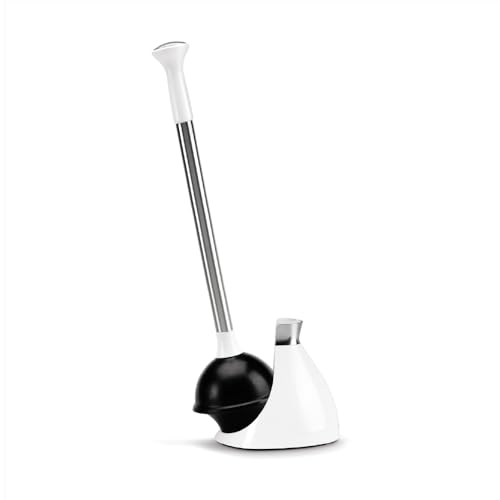

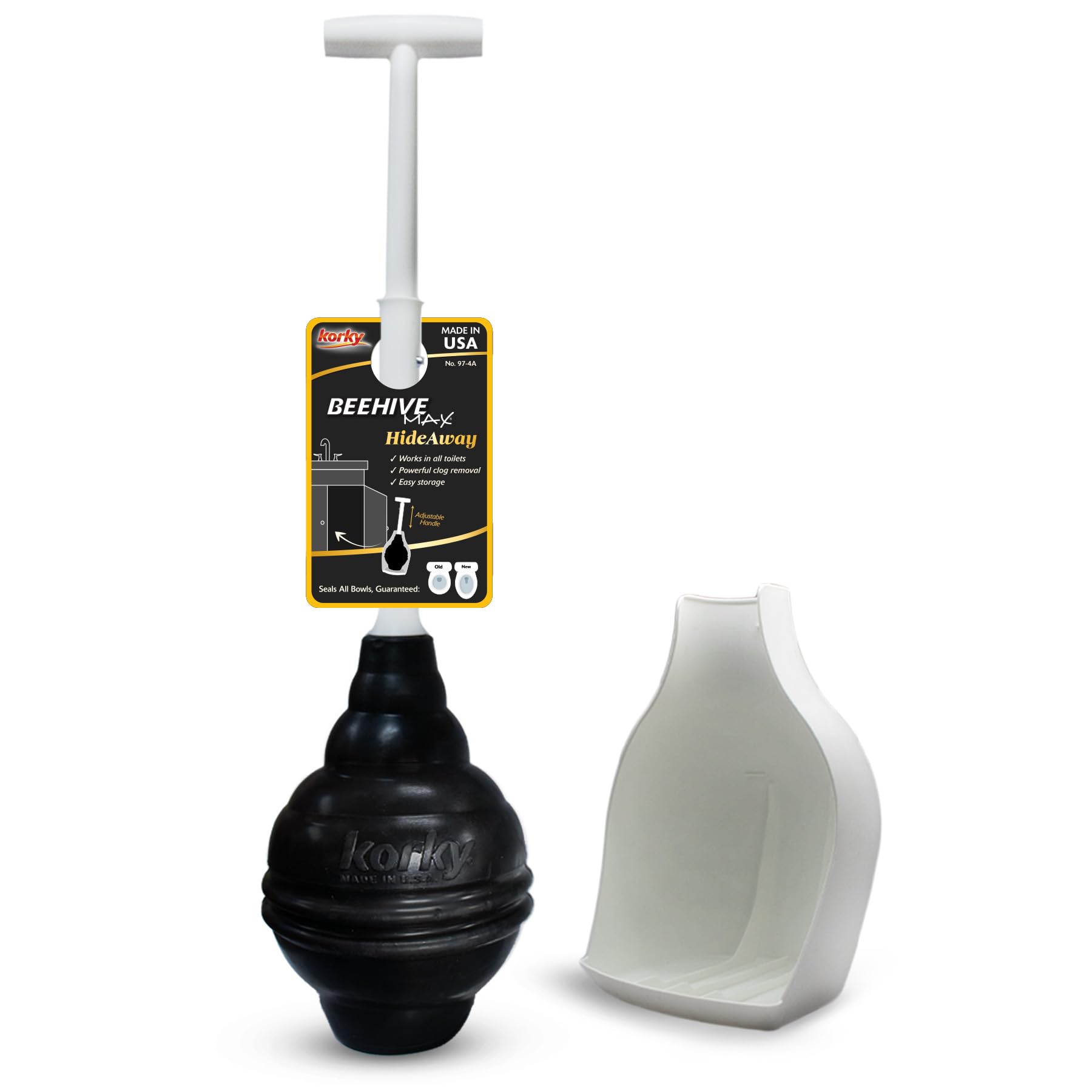
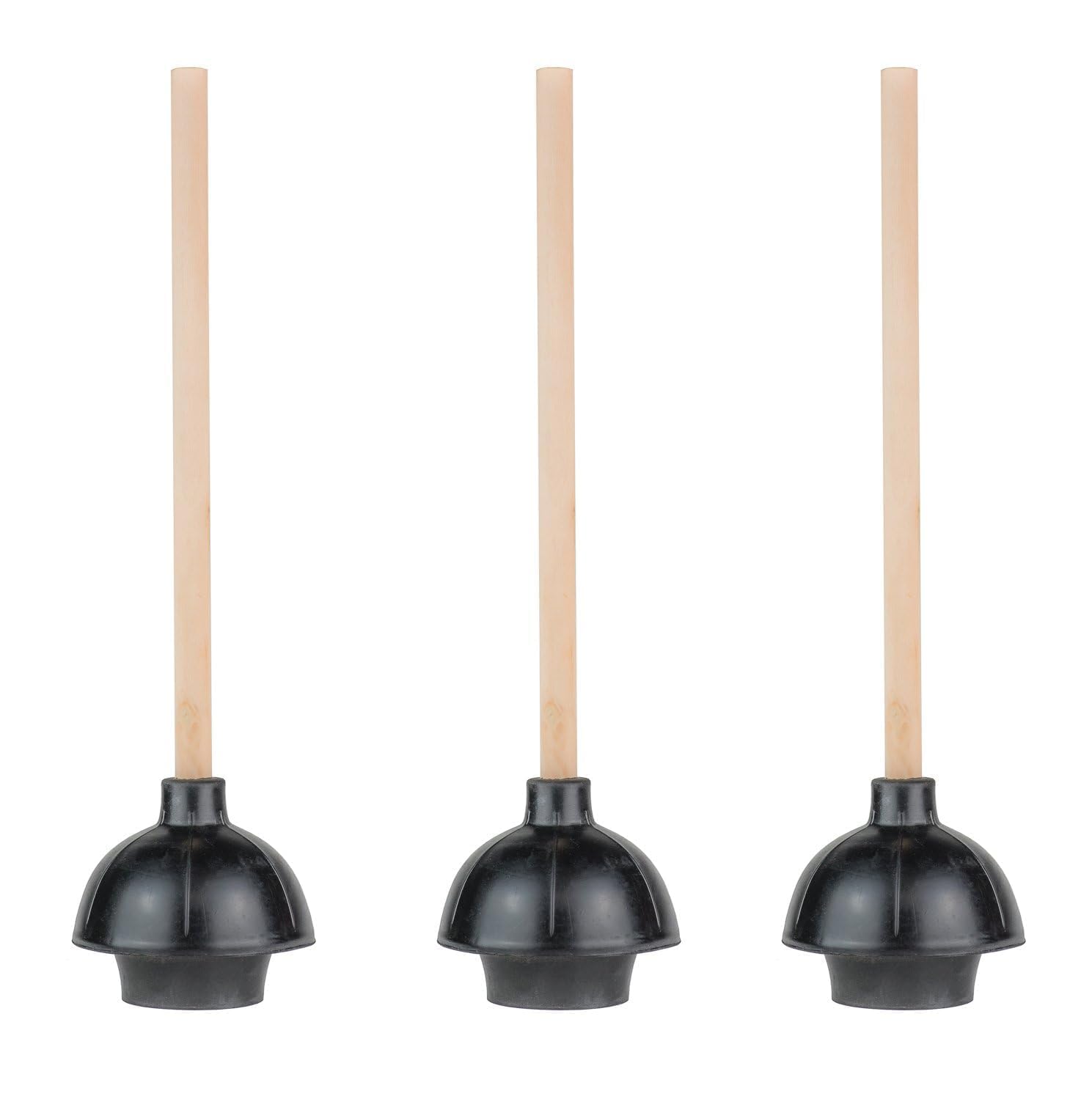
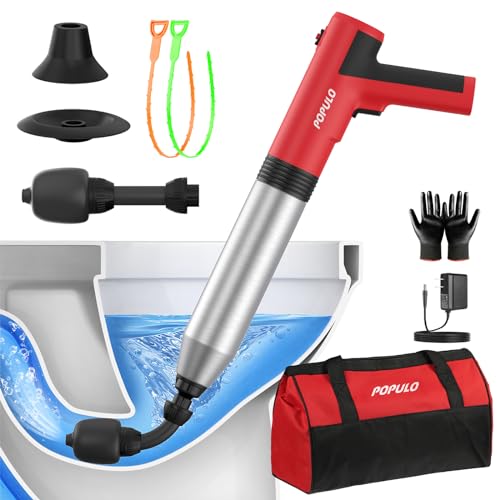

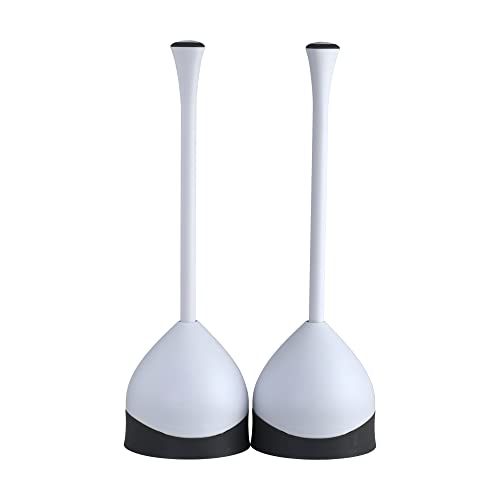

Our Top 3 Picks at a Glance
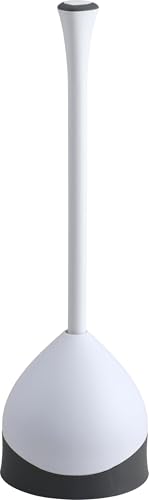
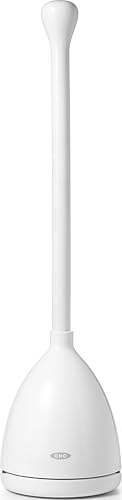
Our picks are the Korky BeehiveMAX for most toilets, the Clorox plunger with hideaway caddy for value and the OXO Good Grips plunger with holder for first time buyers who want tidy storage. All three use flanged or shaped cups designed for toilets.
We compared cup design, seal on different bowl shapes, handle length and grip, materials, storage and hygiene features, along with the overall pattern in owner feedback. We did not use these plungers ourselves; the notes reflect maker specifications.
Best Overall: Korky BeehiveMAX Heavy Duty Toilet Plunger
The Korky BeehiveMAX suits households with modern high efficiency or older toilets who want one plunger that fits them all, at around $16. Its beehive shaped cup is designed to fit both old and new HET toilet bowl outlets, and Korky says it works with older low flow toilets and newer elongated designs.
Two strengths stand out: the beehive shape compresses easily for a strong plunge with less splash back, and the adjustable, telescoping T handle stores neatly under a sink. It is made in America from durable rubber that Korky says will not mark the bowl. The limitation is storage hygiene, since it does not include a holder or drip tray. Skip it if you want a plunger that lives beside the toilet in a closed caddy.

Best Value: Clorox Toilet Plunger with Hideaway Caddy
The Clorox plunger is for anyone who wants a capable plunger and discreet storage for very little money, at around $14. It uses a heavy duty flange cup that creates a seal for strong pressure, with a 15.5 inch handle and an ergonomic grip for leverage.
Its strengths are the hideaway caddy, which opens automatically when you lift the plunger and closes when you replace it, and an internal drip tray that helps keep floors clean. The caddy measures about 6.5 by 6.5 by 16.5 inches and has a non skid rubber base. The trade off is that a standard flange cup may not seal as easily on some unusual bowl shapes. Skip it if your toilet has a very narrow or oddly shaped outlet.

Best for Beginners: OXO Good Grips Toilet Plunger with Holder
The OXO Good Grips plunger suits first time homeowners and renters who want an easy, clean setup, at around $30. OXO says it works on all toilets, including low flush models, and its flat top handle provides a secure, comfortable grip.
The appeal is tidy storage: the canister pops open when you lift the plunger and closes when you replace it, and a drip tray with ventilation slots lets water evaporate. It looks neat enough to leave in view. The limitation is price compared with basic plungers. Skip it if you only need a plunger stored in a closet for rare emergencies.

How to Choose the Best Toilet Plungers: Buying Guide
The best toilet plungers seal tightly on your bowl, give you enough leverage and store cleanly. Here is what to compare.
Cup Shape and Seal
Toilet plungers need a flange, a soft extension under the cup that fits into the toilet drain opening. Flat sink plungers cannot seal in a toilet bowl and mostly push water around. Beehive and accordion shapes, like the Korky BeehiveMAX, fit a wider range of outlets, including those on high efficiency toilets.
A good seal is what moves the clog. Without one, plunging just splashes. If your plunger struggles to seal, try a shaped cup designed for modern toilets.
Warm water softens rubber, which helps a stiff new plunger conform to the drain opening. Running the cup under hot tap water for a minute before use can improve the seal, especially in cold bathrooms.
Handle Length and Grip
Longer handles keep your hands farther from the bowl and give more leverage, while shorter handles are easier to store. T handles and flat top handles, like the OXO, provide a secure grip for firm pushes. Telescoping handles combine reach with compact storage.
Wood handles feel sturdy but can absorb water, while plastic and coated metal handles are easier to clean.
Taller people often prefer handles of 18 inches or more so they can plunge without bending far over the bowl. Shorter handles suit compact bathrooms where space around the toilet is tight.
Material and Durability
Quality plungers use thick, flexible rubber that compresses easily and springs back. Thin or stiff rubber cracks or loses suction over time. Korky highlights durable red rubber that does not mark bowls.
A plunger can last years if rinsed and dried after use. Replace it if the rubber cracks, hardens or tears.
Rubber can dry out and crack if stored near heaters or in direct sunlight, so keep plungers in a cool, shaded spot. A plunger that feels stiff or sticky has likely degraded and should be replaced.
Storage and Hygiene
Plungers drip and can harbor bacteria, so storage matters. Holders with drip trays, like the Clorox caddy and OXO canister, keep floors clean and let the plunger dry. Some holders, like simplehuman's, use a magnetic drip free cover.
A closed holder also hides the plunger, which many people prefer in guest bathrooms.
Avoid storing a wet plunger directly on the floor, where water can pool and damage flooring or grow bacteria. A holder with a vented tray solves this and makes cleanup easier.
Toilet Compatibility
Modern toilets include low flow, elongated and high efficiency designs with different outlet shapes. Plungers marketed for all toilets, like the OXO and Korky, are designed to seal on these outlets. If you have a wall hung or designer toilet, check the outlet size and choose a narrow flange plunger.
Chrome or decorative toilets may need plungers with soft rubber to avoid scuffs.
If you are not sure what kind of toilet you have, look for the model number stamped inside the tank lid or on the back of the bowl, then check the maker's site for the outlet type.
Value and Extras
Basic plungers cost around $14 to $16, while sets with holders or brushes cost more. Combo sets, like the MR.SIGA plunger and bowl brush, offer value if you need both. High pressure air plungers, like the MaxxGeek blaster and POPULO electric plunger, cost more and use air pressure instead of manual plunging.
For most homes, a quality flange plunger with a simple holder offers the best value.
Step by Step: Unclogging a Toilet Safely
First, stop the water from rising: if the bowl looks close to overflowing, lift the tank lid and press down the flapper, or turn off the supply valve behind the toilet. Put on gloves and lay old towels around the base. Make sure the cup is covered by water, adding some from a bucket if needed. Seat the flange in the drain, push down gently to expel air, then plunge firmly 10 to 15 times while keeping the seal. Pull up sharply and see if the water drains. Repeat a few times before trying an auger.
Types of Toilet Plungers
Toilet plungers come in four main styles. Here is who each suits.
Flange Plungers
Flange plungers have a cup with an extended rubber flange that fits into the toilet outlet. They are the standard choice, simple and inexpensive. The Clorox and OXO plungers are flange designs that suit most homes.
Fold the flange out before use and tuck it in to plunge sinks, which lets one plunger cover both jobs in a pinch, though a separate cup plunger is more hygienic for sinks.
Beehive and Accordion Plungers
Beehive and accordion plungers have ribbed, collapsible cups that compress for a stronger push. They suit high efficiency and unusually shaped outlets. The Korky BeehiveMAX is a popular example. They can be harder to clean between ribs.
Accordion plungers need firm, steady pushes; quick, jerky strokes can break the seal and splash water.
High Pressure Air Plungers
Air plungers, like the MaxxGeek blaster, POPULO electric plunger and SteadMax heavy duty plunger, use a pump or pressurized burst to push clogs. They can clear stubborn clogs but cost more and need careful use to avoid splashing or damaging older pipes.
Plunger and Brush Combos
Combo sets pair a plunger with a toilet brush in one holder, like the MR.SIGA and FORASTO sets. They save space and keep cleaning tools together, which suits small bathrooms.
Care and Maintenance Tips
- Rinse after each use. Flush clean water over the plunger cup while it is still in the bowl.
- Disinfect occasionally. Soak the cup in a bucket of diluted bleach solution, then rinse.
- Let it dry. Store in a holder with a drip tray or ventilated canister.
- Replace worn plungers. Cracked or hardened rubber will not seal.
- Keep one per bathroom. Avoid carrying a dripping plunger through the house.
Toilet Plungers: Your Questions Answered
How do I use a toilet plunger correctly?
Make sure there is enough water in the bowl to cover the cup, place the flange into the drain opening and push down gently to release air. Then pump firmly up and down several times, keeping the seal, before pulling up sharply. Repeat as needed and flush to check the clog has cleared.
Avoid flushing repeatedly to check a clog, since each flush adds water that can overflow.
When should I use a toilet auger instead?
Use a toilet auger, also called a closet auger, if plunging several times does not clear the clog or if a solid object is stuck. Augers reach farther into the trap. If neither works, or the clog returns often, call a plumber, since the problem may be deeper in the drain line.
Recurring clogs can also signal a weak flushing toilet, a partially blocked vent or tree roots in the sewer line, all of which a plumber can diagnose.
Is it safe to plunge after using a chemical drain cleaner?
No, avoid plunging after pouring chemical drain cleaner into a toilet, since plunging can splash caustic chemicals onto your skin and eyes. Most toilet makers advise against chemical drain cleaners in toilets. If you have used one, ventilate the room, wear gloves and eye protection and consider calling a plumber.
Is it safe to use around kids and pets?
Plungers themselves are safe, but they carry germs. Store them in a closed holder out of reach of small children and pets, and disinfect after use. Wash your hands thoroughly after plunging.
Keep the toilet lid closed when not in use, which also reduces the chance of toys and other objects causing clogs.
Our Verdict
The best toilet plungers seal on your toilet, give you good leverage and store cleanly. The Korky BeehiveMAX is our best overall pick for most toilets, the Clorox plunger with hideaway caddy offers outstanding value and the OXO Good Grips plunger with holder is a tidy choice for beginners. Choose a flange or beehive cup, and keep it in a holder with a drip tray.
For more bathroom guides, see the best toilet bowl cleaners, the best toilet paper, the best plunger for low flow toilets and the best toilet brushes. Then compare current prices in the product table above.