
Best Brewers Yeast Tablets for 2026: Everything to Know Before Your First Purchase
Disclosure: We may earn a commission when you buy through links on this page, at no extra cost to you. As an Amazon Associate I earn from qualifying purchases. Learn more

Shopping for the best brewers yeast tablets for the first time? Learn the terms, compare options, and avoid rookie mistakes with this easy guide.
Brewers yeast sounds like a baking ingredient, yet the tablets on the supplement shelf are something quite different, and that confusion trips up many first time buyers. This guide explains what the tablets actually contain, how to read the label, and how to choose a dose and format that fit your routine. By the end, you will know how to compare the best brewers yeast tablets calmly and safely.
We will cover the basics first, then the label details that separate a solid product from a vague one, then the mistakes that waste money. Use the comparison table below for a quick side by side view, and read the safety notes with care, because supplements can interact with medicines and health conditions. Nothing here replaces advice from your own clinician, who knows your history.

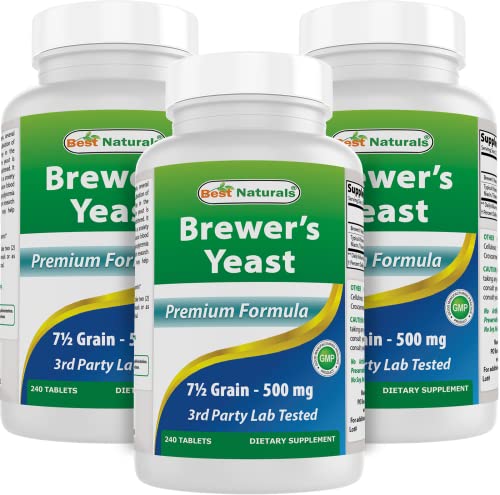

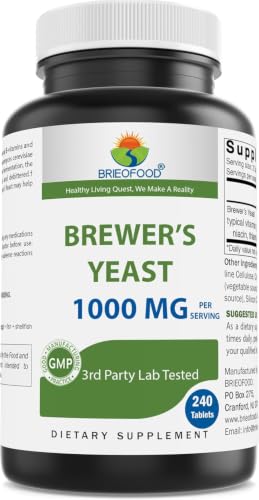

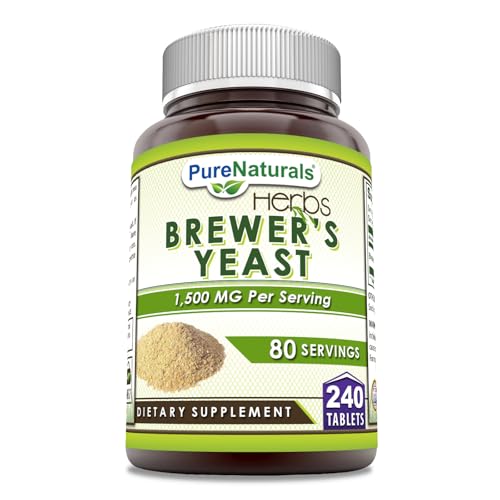
Brewers Yeast Tablets 101: The Basics
Brewers yeast is a single celled fungus, Saccharomyces cerevisiae, grown or collected during beer making, then heat treated so it is no longer alive or able to ferment. Pressed into tablets with a small amount of binding ingredients, it becomes a convenient way to take a food that is naturally rich in B vitamins, chromium, selenium, and some protein. People take it to support energy metabolism, skin and hair nutrition, and general dietary gaps.
Two label terms matter right away. Debittered means the yeast has been processed to remove the harsh, hoppy bitterness, which makes tablets far easier to swallow daily. Non debittered versions keep a stronger taste and sometimes a slightly different nutrient profile. Also know that brewers yeast is not the active yeast used for bread, which can cause bloating, and it differs from nutritional yeast, a close cousin often sold as flakes with a cheesy flavor.
Tablets suit people who dislike powders and want a fixed dose they can count out. The trade off is quantity: a meaningful serving often means several tablets at once, sometimes six or more a day, because each tablet holds only a few hundred milligrams. If that sounds like a lot, compare formats as you read, since dose per tablet is one of the biggest practical differences between brands.
Key Specs Explained in Plain English
Nutrient Content per Serving
The label panel tells you what one serving actually delivers, and serving sizes vary widely, so compare per serving and per day, not per tablet. Look for the B vitamin group, especially B1, B2, B3, B6, folate, and pantothenic acid, listed with amounts and percent daily values. Chromium is another headline nutrient, often included for normal blood sugar metabolism support. A label that lists only a total yeast weight, with no nutrient amounts, gives you little to compare.
Be skeptical of miracle framing. Brewers yeast is a nutritious food supplement, not a treatment for fatigue, diabetes, or skin disease, and no tablet can promise those outcomes. Sensible expectations sound like this: you are filling modest dietary gaps, much as you would with a fortified food. If B vitamin amounts are far above daily values, ask why, since more is not automatically better and excess simply leaves the body.
Tablet Size, Dose, and Daily Routine
Dose is where many buyers misjudge. Some products suggest two tablets a day, others suggest eight or more, and the difference usually reflects tablet size and yeast concentration rather than quality. Multiply the tablets per day by the bottle count to learn how long one bottle lasts, then compare true monthly cost. A cheap bottle that lasts nine days is not cheap at all.
Routine fit matters just as much. Large uncoated tablets can be hard to swallow, so look for smaller tablets or a light coating if you struggle with pills. Splitting doses across meals is common and gentler on the stomach. A product you can take with breakfast and dinner, without a complicated schedule, is the one you will actually keep using after the first month.
Debittered or Regular, and Taste
Taste still matters in a tablet, because you will notice it on the way down and sometimes in mild aftertaste. Debittered tablets are the safer choice for most first time buyers, since the brewing process leaves untreated yeast intensely bitter from hop compounds. Regular tablets appeal to purists who want minimal processing, but many people abandon them within a week.
Storage affects taste too. Yeast tablets pick up moisture and stale odors in a steamy bathroom cabinet, so keep the bottle sealed in a cool, dry cupboard. If a fresh bottle smells sharply sour or the tablets look spotted, do not use them and contact the seller. Fresh tablets smell mildly savory, a bit like stock cubes, and that gentle smell is a good sign.
Allergens, Gluten, and Dietary Fit
Yeast grown on barley during beer production can carry traces of gluten, while yeast grown on other media may not, so celiac and gluten sensitive buyers must check the label for an explicit gluten free claim rather than assuming. The same care applies to soy, dairy, and other binders listed in the other ingredients section. Vegan buyers should confirm the tablet coating and binders, since most are plant based but not all.
Allergy is the hard stop. Anyone with a known yeast allergy should not use these tablets at all. People with Crohn disease, a weakened immune system, or frequent yeast infections are usually advised to ask a clinician first, because guidance for these groups is more cautious. If you are comparing supplement formats generally, our guide to the best fiber tablets shows how allergen and filler checks work across tablet products.
Testing, Purity, and Label Transparency
Supplements are not approved before sale the way medicines are, so the burden of checking quality sits with you. Favor brands that use independent third party testing for identity, purity, and heavy metals, and that print a lot number and expiry date clearly. A company address and responsive contact details are small but real signs of accountability. Avoid products with proprietary blend labels that hide the amount of yeast per serving.
It also helps to compare brewers yeast with its close relative before you buy. Our guide to the best nutritional yeast tablets explains where the two overlap and where they differ, including added vitamin B12, which brewers yeast does not naturally provide in useful amounts. Knowing that one distinction prevents a common disappointment among plant based buyers who expected B12 from the wrong product.
Rookie Mistakes to Avoid
- Comparing price per bottle instead of price per month. Tablet counts and daily doses differ so much that only a monthly cost comparison is honest.
- Expecting B12. Brewers yeast is not a reliable source of vitamin B12 unless the label says B12 was added, so check before relying on it.
- Starting at the full dose on day one. A sudden full serving can cause gas and bloating, so build up over a week or two.
- Ignoring medicine interactions. Yeast products can clash with certain medicines, covered in the FAQ below, so read that section before ordering.
- Buying the largest bottle first. Start with a small bottle to check taste, tablet size, and how your stomach responds.
Getting Started: Your First Weeks
Begin with half the suggested serving for the first four or five days, taken with food and a full glass of water. Taking tablets with a meal reduces the chance of nausea and helps the B vitamins do their normal work alongside other nutrients. Keep a simple note of dose, timing, and how you feel, because small changes in digestion or energy are easy to misremember after two weeks.
Increase to the full serving gradually if you feel fine. Mild gas in the first days is common as your gut adjusts, but stop and seek medical advice if you develop warning signs such as a rash, swelling of the lips or tongue, trouble breathing, severe cramps, or diarrhea that does not settle, since those can signal allergy or a more serious reaction. Store the bottle away from heat, and use a pill organizer only for a week at a time so tablets stay fresh.
Give the routine a fair trial of about a month before judging it, and judge by modest measures: steadier afternoon energy, or simply an easier diet gap filled. If you also take other supplements, such as the products in our guide to the best collagen tablets, stagger the doses through the day rather than swallowing everything at once, which is kinder to your stomach.
Brewers Yeast Tablets: Your Questions Answered
How many brewers yeast tablets should I take per day?
Follow the serving size on your product label, because daily tablets range from about two to more than eight depending on tablet weight. Start below that amount for the first week, then build up with food and water. Do not exceed the label dose to chase faster results, since extra tablets mostly add calories, gas, and cost. If you take medicines, confirm your dose with a pharmacist or clinician first.
How long does it take to notice effects from brewers yeast tablets?
Most people who notice anything report it after three to four weeks of steady daily use, and the changes are gradual rather than dramatic. Nutrient gaps close slowly, and hair and nails reflect nutrition only as they grow. Judge the product after one full bottle used consistently. If nothing at all has changed by then, the honest answer may be that your diet already covered those nutrients.
Are brewers yeast tablets safe during pregnancy or breastfeeding?
Safety data for supplements in pregnancy and breastfeeding is limited, so the cautious answer is to ask your obstetrician or midwife before using them. Brewers yeast is a food with a long history of use, but tablets are concentrated and brands differ in additives and testing. Your clinician can weigh your diet, your prenatal vitamins, and your health history in a way a label cannot. Do not start any new supplement in pregnancy without that conversation.
Can brewers yeast tablets interact with medicines?
Yes, a few interactions matter. Brewers yeast contains tyramine, which can be a problem with MAO inhibitor medicines used for depression and some other conditions. Its chromium content may add to the effect of diabetes medicines, so blood sugar can dip lower than expected. It can also affect some antifungal treatments. Always show the bottle to your pharmacist, who can check your full medicine list in minutes.
Should I choose brewers yeast tablets or powder?
Choose tablets for convenience, travel, and a measured dose without taste or mess. Choose powder if you want larger servings for less money and enjoy stirring it into smoothies, soups, or savory dishes, accepting the bitter flavor as part of the deal. Cost per gram usually favors powder, while habit forming ease favors tablets. Many buyers start with tablets to build the routine, then switch once they know they will stick with it.
The Bottom Line
Focus on three things: a label that states real nutrient amounts, a daily tablet count you can live with, and allergen and medicine checks that fit your health situation. Debittered tablets from a transparent, tested brand give most first time buyers the smoothest start. Keep expectations modest, build the dose slowly, and stop and seek advice if your body objects.
The best brewers yeast tablets for you are the ones you can take safely, afford monthly, and swallow without dread. Compare the options in the product table above with this checklist, and talk with your clinician about your personal needs before you commit.


