Best Composting Toilets (2026 Buying Guide)
Disclosure: We may earn a commission when you buy through links on this page, at no extra cost to you. As an Amazon Associate I earn from qualifying purchases. Learn more
A good composting toilet makes off-grid living genuinely comfortable instead of a daily inconvenience.
Whether you're outfitting a van, a cabin without plumbing, or a boat, a good composting toilet makes off-grid living genuinely comfortable instead of a daily inconvenience. Here is what to look for and our picks for the best composting toilets for 2026.
What to Look for in a Composting Toilet
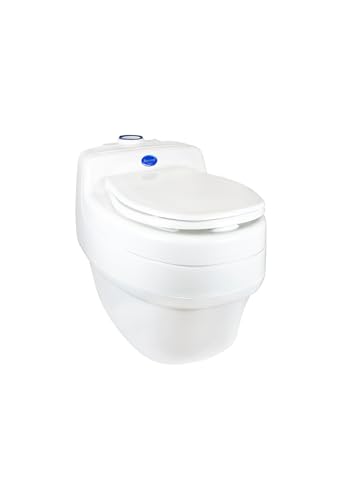
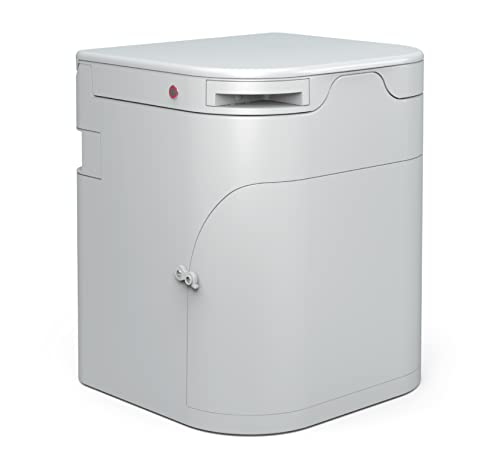
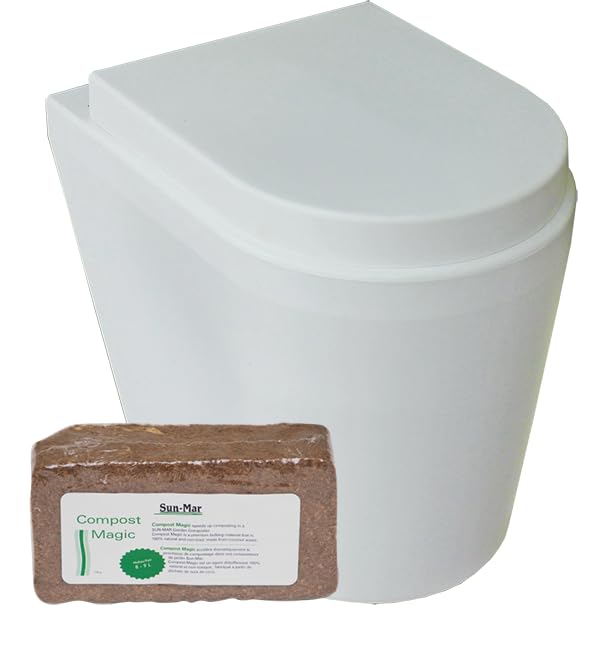
Not every composting toilet works the same way, and understanding the basic types helps narrow down which one actually fits your setup.
Urine-diverting design is standard on nearly every modern composting toilet, since separating liquid and solid waste is the key to controlling odor without a chemical additive. Look for a diverter that's easy to empty and clean, since this is the part you'll interact with most often.
Capacity and emptying frequency vary quite a bit between models. Larger solid waste bins can go weeks between emptying for occasional use, while smaller portable units meant for camping may need emptying after just a handful of uses.
Power requirements differ across models. Some composting toilets use a small electric agitator or fan to speed up composting and control odor, which requires a 12V or standard power source, while fully non-electric models trade that convenience for complete off-grid independence.
Installation type matters for how permanent the setup will be. Fixed, self-contained units are built for a permanent installation in a van, cabin, or boat, while smaller portable composting toilets are designed to be moved, stored, or used seasonally for camping.
Build quality and warranty are worth real attention given how much these cost. Established brands with a multi-year warranty and a long track record of real-world use, especially in full-time van life or off-grid homes, are generally a safer bet than newer, unproven models.
Ventilation plays a bigger role in odor control than most first-time buyers expect. Nearly every composting toilet relies on a small fan and vent hose routed outside to pull air through the unit and away from the living space, so plan for how you'll run that hose during installation rather than treating it as an afterthought.
Best Overall: Nature's Head Self Contained Composting Toilet
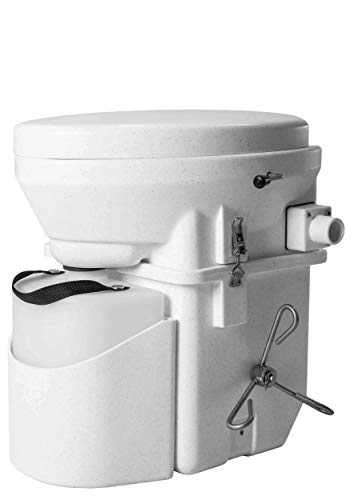
Nature's Head has become the benchmark against which nearly every other composting toilet is measured, and its huge, consistently positive review base reflects years of real-world use in vans, boats, and off-grid cabins. The urine-diverting design and hand-crank agitator keep solid waste composting evenly with minimal odor.
- Type: Self-contained, non-electric agitator
- Diverter: Urine-diverting with spider handle design
- Best for: Full-time van life, boats, off-grid cabins
Pros:
- Proven track record with an enormous, long-established review base
- Hand-crank agitator works without any electrical connection
- Compact footprint fits well in vans and boats
Cons:
- Among the pricier options on this list
Best for Zero Maintenance: Laveo Dry Flush Toilet
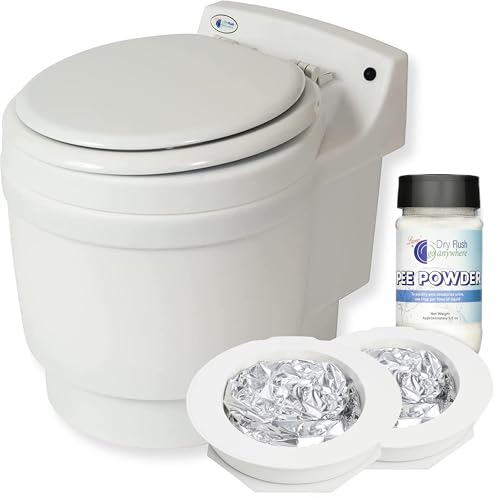
The Laveo Dry Flush takes a different approach entirely, sealing waste into a disposable cartridge liner with the push of a button rather than requiring you to manage a composting process at all. It's the highest-priced option on this list, but it trades ongoing maintenance for a genuinely hands-off experience.
- Type: Cartridge-sealing dry flush, no composting or emptying by hand
- Power: Battery-powered flush mechanism
- Best for: Buyers who want the least hands-on maintenance possible
Pros:
- No handling of waste directly, cartridges seal and dispose cleanly
- No composting process to manage or monitor
- Strong review score for a premium-tier toilet
Cons:
- Ongoing cartridge refill costs add up over time
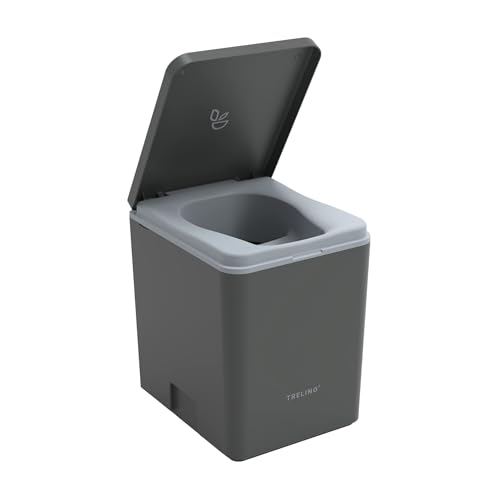
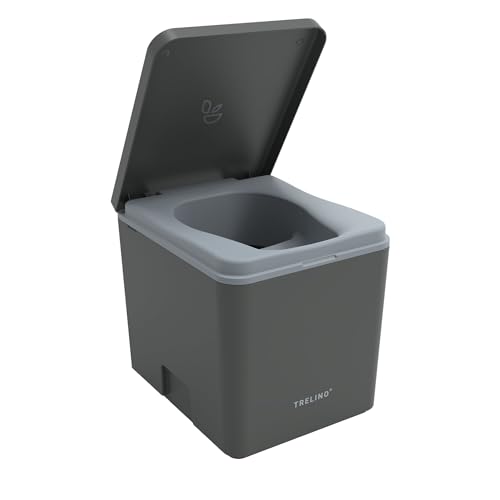
Best for Camping and Travel: TRELINO Composting Toilet Evo M
TRELINO's Evo line is built specifically for camping, overlanding, and other portable use cases where you need real composting toilet functionality without the size or price of a fixed installation. The Evo M sits at a noticeably lower price than the full-size fixed units above.
- Type: Portable, urine-diverting
- Size: Compact mid-size, designed for portability
- Best for: Camping, overlanding, occasional off-grid use
Pros:
- Significantly cheaper than fixed, full-size composting toilets
- Genuinely portable for camping and travel setups
- Urine-diverting design controls odor without electricity
Cons:
- Smaller capacity than full-size units, needs more frequent emptying
Composting Toilets vs. Portable Camping Toilets
It's worth distinguishing a true composting toilet from a basic portable camping toilet, since the two are often shown side by side in search results but serve different purposes. A composting toilet separates liquid and solid waste and allows solids to begin breaking down aerobically, controlling odor without chemicals and reducing how often you need to deal with waste. A basic portable camping toilet is usually just a holding tank or bag system with no composting process, which is fine for occasional short trips but not a realistic full-time bathroom solution.
Frequently Asked Questions
Do composting toilets smell bad?
A properly maintained composting toilet with a functioning urine diverter typically produces very little odor, since most bathroom smell actually comes from liquid and solid waste mixing together. Odor problems usually trace back to an overdue emptying schedule or a diverter that isn't sealing correctly.
How often do I need to empty a composting toilet?
This depends heavily on usage and the size of the solid waste bin, but a typical range for one or two full-time users is roughly every 3 to 4 weeks for solids, while the liquid container usually needs emptying every few days depending on how many people are using it.
Can I install a composting toilet myself?
Most composting toilets are designed for DIY installation, especially in vans and boats, since they don't require plumbing connections the way a traditional toilet does. You'll typically need to secure the unit to the floor, run a vent hose outside, and connect power if the model uses an electric agitator or fan, all of which are manageable weekend projects for most people comfortable with basic tools.
Conclusion
For most full-time van life, boat, or off-grid cabin setups, the Nature's Head Composting Toilet remains the most proven, widely trusted choice on the market. If you'd rather avoid managing a composting process altogether, the Laveo Dry Flush offers the most hands-off experience available, at a premium price. Campers and travelers who need something more portable and affordable should look at the TRELINO Evo M instead.