Best Portable Air Cooler: The Complete Buying Guide
Disclosure: We may earn a commission when you buy through links on this page, at no extra cost to you. As an Amazon Associate we earn from qualifying purchases. Learn more

Summer heat does not wait for a big renovation or a pricey central air upgrade. A portable air cooler promises relief you can plug in today, wheel from room to room, and run without cutting a hole in your window. But these units do not perform the same way in every climate, and picking the wrong size leaves plenty of buyers disappointed on the first truly hot afternoon. This guide explains how portable air coolers actually work, when they make sense, how to match capacity to your room, and what separates a unit that earns its keep from one that just moves warm air around.


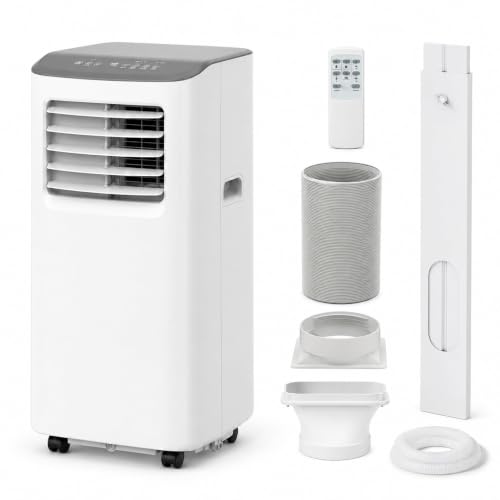

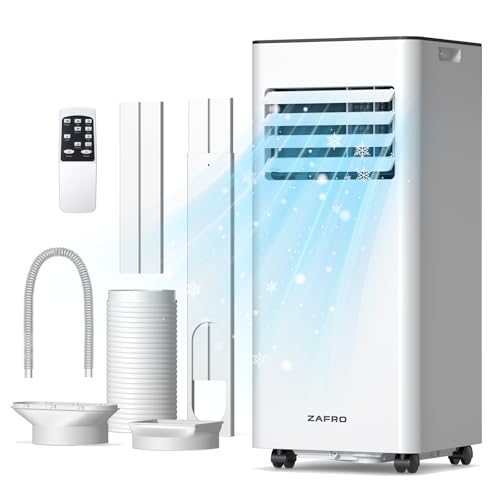
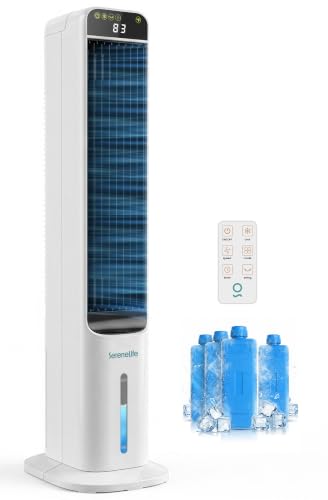
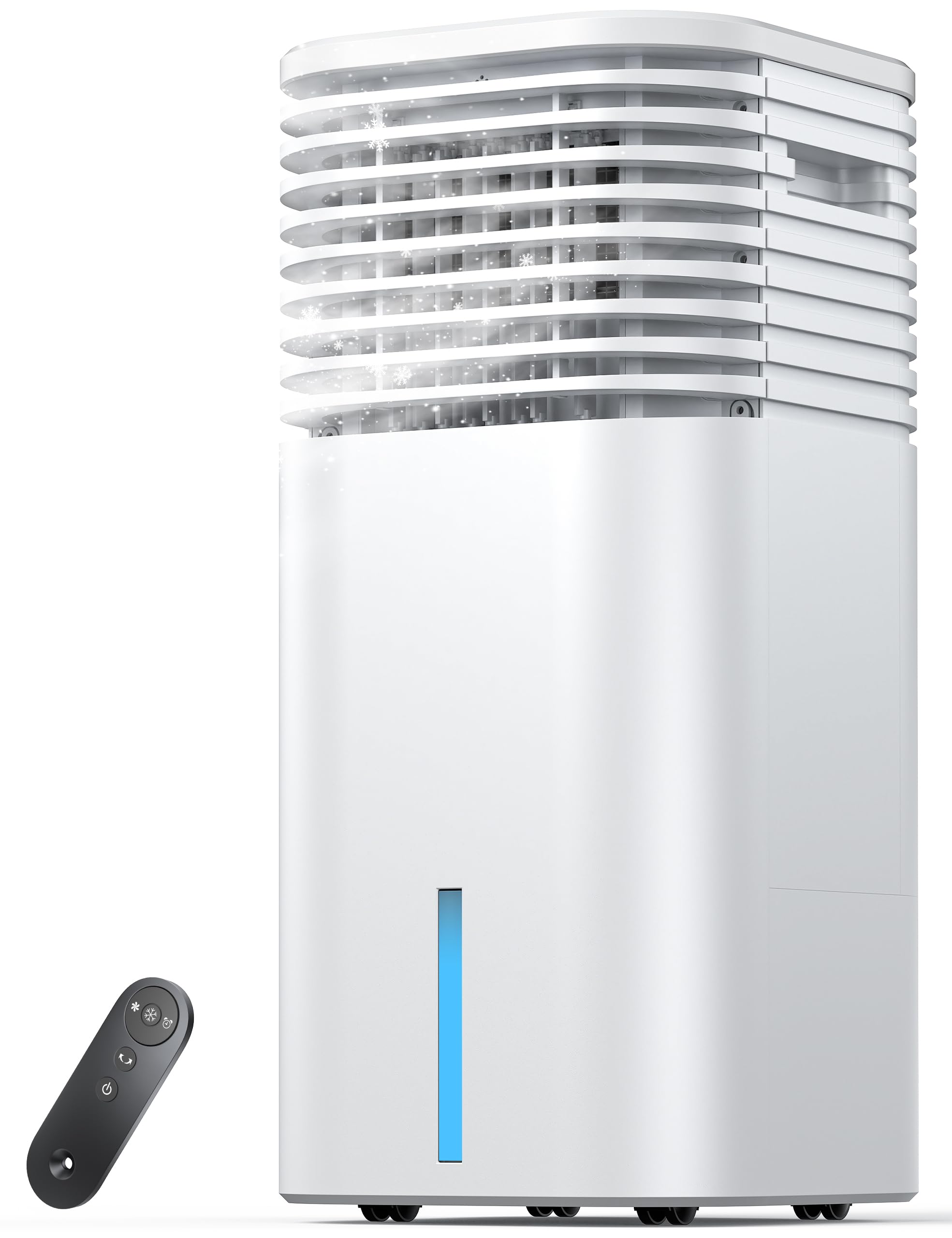
How a Portable Air Cooler Actually Cools a Room
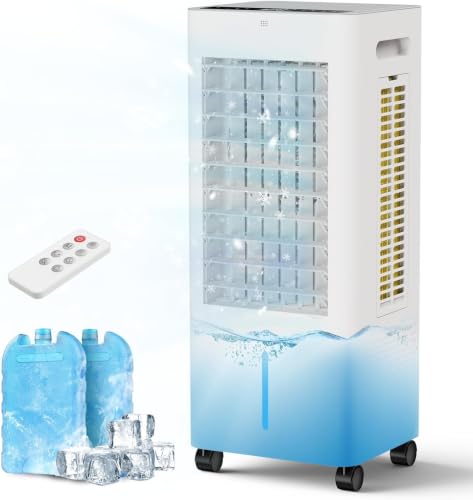
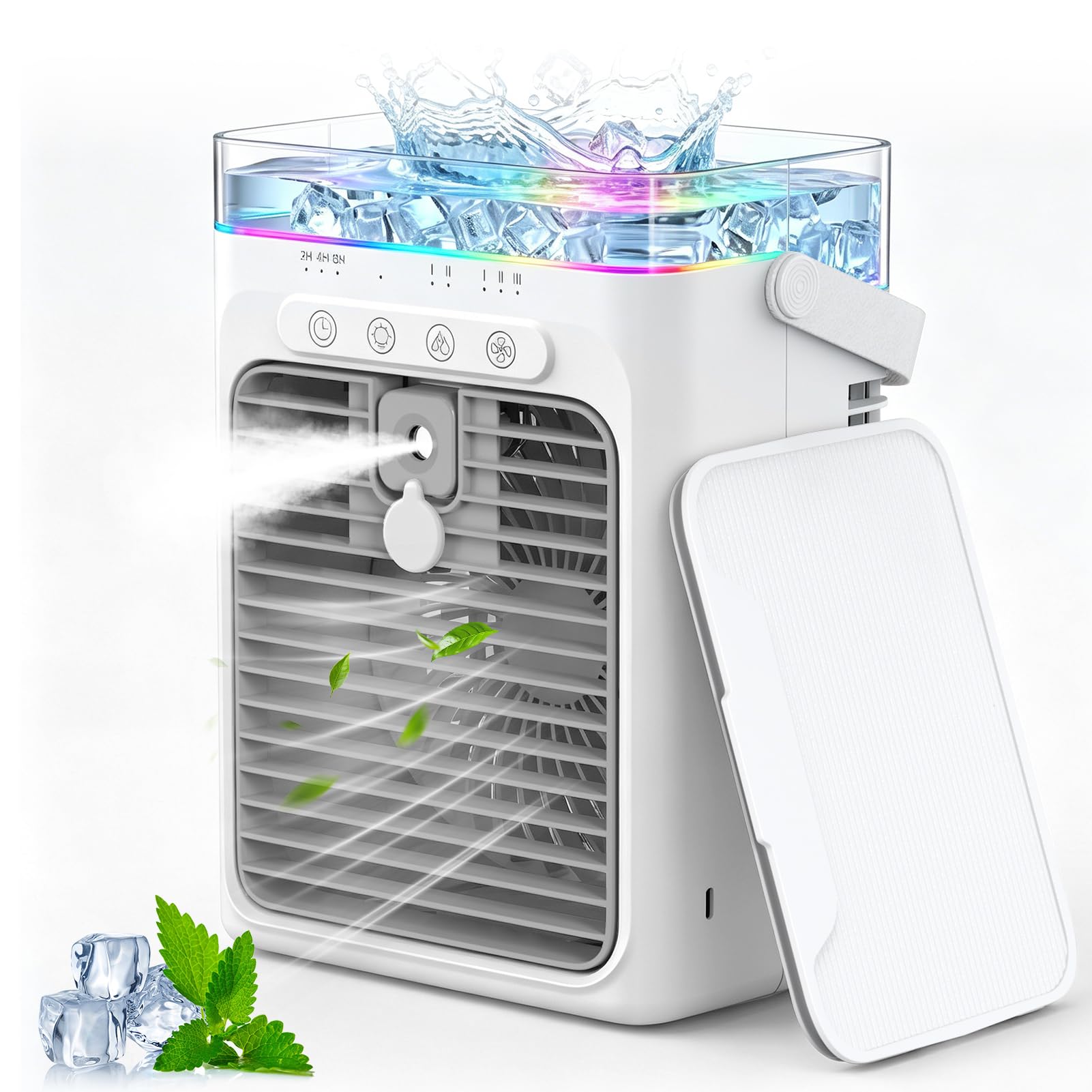
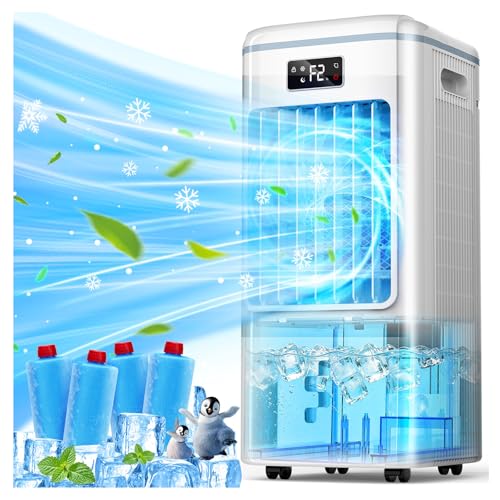
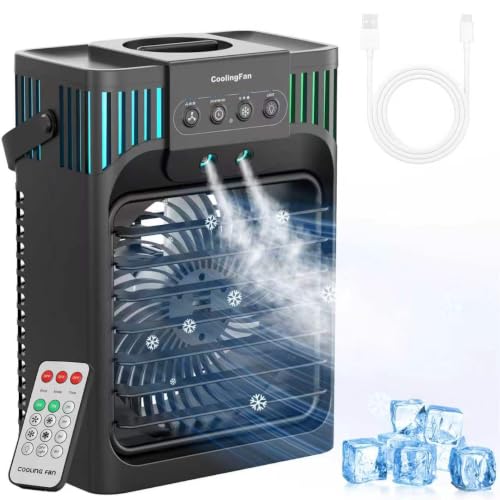
An evaporative air cooler has nothing in common with the refrigerant cycle inside a window or portable AC unit. A fan pulls warm room air through a wet cooling pad, water evaporates off that pad, and the process pulls heat out of the air passing through it. What comes out the front is cooler and noticeably more humid than what went in. There is no compressor, no exhaust hose, and no complicated electrical draw, which is why these units cost so little to run compared to refrigerated cooling.
That mechanism is also the source of every limitation these coolers have. Because the cooling effect depends entirely on water evaporating quickly, the surrounding air's humidity level controls how well the unit performs, far more than the price tag or brand does.
Is Your Climate Right for Evaporative Cooling?
This is the single biggest factor in whether a portable air cooler will satisfy you, and it gets skipped in most product listings. Evaporative cooling works best when relative humidity sits below roughly 30 to 40 percent, which describes much of the arid Southwest and interior West for large stretches of the year. In that kind of dry air, water evaporates fast, heat transfer is strong, and the temperature drop can feel dramatic.
In humid regions, the same unit struggles because the air is already close to saturated and cannot absorb much more moisture. The fan still moves air, but the cooling effect shrinks to almost nothing, and the extra humidity it adds can make a muggy room feel worse rather than better. If you live somewhere humid and already run a dehumidifier to manage moisture, check our guide to dehumidifiers for damp spaces before assuming an evaporative cooler will solve your heat problem, since a standard air conditioner is usually the better fit there. On the flip side, if your climate is dry enough that low indoor humidity is its own complaint in winter, the side effect of an air cooler overlaps with what a humidifier does, just with a cooling bonus attached in summer.
Matching Cooling Capacity (CFM) to Your Room Size
Airflow, measured in cubic feet per minute or CFM, tells you how much space a unit can realistically handle. A rough rule of thumb is about 2 CFM for every square foot you want to cool, though ceiling height and how sealed the room is will shift that number.
Small Rooms and Personal Spaces
A home office, dorm room, or the few feet around a desk usually needs a compact unit rated in the low hundreds of CFM. These personal-sized coolers are meant for spot cooling rather than filling an entire room with cool air.
Medium Bedrooms and Living Rooms
A typical bedroom or mid-size living room calls for a console-style unit in the 400 to 700 CFM range. This is the category most shoppers land in when searching for something to cool an entire room rather than a single spot.
Large or Open-Concept Areas
Garages, open-plan living spaces, or rooms with ceilings above nine feet need a higher-output unit and, in some cases, more than one cooler running at once. Undersizing here is the most common reason buyers feel let down by evaporative cooling.
Water Tank Size, Ice Compartments, and Refill Frequency
Tank capacity determines how long a unit runs before you need to refill it, and that number matters more than most buyers expect going in. A small tank on a high fan speed can run dry in just a few hours, which means nighttime use often calls for a larger reservoir than daytime spot cooling does.
Many models include a small ice compartment or ice packs that drop the output temperature a few extra degrees during peak heat. Treat this as a short-term boost rather than an all-day strategy, since ice melts far faster than a full tank of water empties. A drain valve at the base of the tank makes routine cleaning easier and helps prevent the mineral buildup and mildew that standing water can produce in a warm room.
Portable Air Cooler vs. Window AC vs. Standing Fan
These three appliances solve overlapping problems in different ways, and choosing between them comes down to your climate and how permanent a solution you want. A portable air cooler costs the least to run, needs no installation, and adds humidity as a side effect, which is an advantage in dry air and a drawback in humid air. A window air conditioner costs more upfront and to operate, but it actually removes heat and humidity from a room regardless of outdoor climate, making it the more reliable choice in muggy weather or when the temperature swing needs to be large. A standard cooling fan does not lower the air temperature at all; it only speeds evaporation off your skin, which is why it feels less effective once humidity climbs but costs almost nothing to run.
If your priority is renting-friendly, no-installation cooling in a dry climate, the evaporative route wins on cost and simplicity. If you need dependable cooling regardless of weather, or you live somewhere humid, a window or portable AC unit is worth the extra expense.
Frequently Asked Questions
How much colder does a portable air cooler actually make a room?
In dry conditions, a well-sized unit can drop the air temperature several degrees below the outdoor reading. In humid conditions, the drop can shrink to just a degree or two, since evaporation slows dramatically once the air is already holding a lot of moisture.
Can I run one in a fully closed room?
Not effectively. Evaporative coolers need a way for fresh, drier air to replace the humid air they produce, so cracking a window or door keeps the effect from stalling out after an hour or so.
Do portable air coolers need to be near a window?
They do not require a window mount like an AC unit, but placing one near an open window or door helps it pull in drier outside air, which improves how well it cools.
Will using one raise humidity indoors?
Yes, that is inherent to how the technology works. It is a benefit in a dry climate and a drawback in a humid one, which is why climate matters more than any spec sheet.
How often should the water tank be cleaned?
Draining and rinsing the tank every few days during regular use helps prevent mineral scale and mildew, and the cooling pad should be rinsed or replaced periodically as well.
How long does a portable air cooler typically last?
With regular tank cleaning and pad replacement, most units hold up for several cooling seasons before the pump or fan motor needs attention.
Choosing the Cooler That Fits Your Space
The right pick comes down to two questions: how dry is your climate, and how big is the room you are trying to cool. Get those two answers straight first, match the tank size to how long you need it to run unattended, and the rest of the decision becomes far simpler than it looks on a crowded store shelf.