
Best Humidifier: A Complete Buying Guide for Every Room in Your Home

Dry indoor air can leave your skin itchy, your sinuses irritated, and your wood furniture cracking at the seams, which is exactly why so many households start hunting for the best humidifier once the heating season kicks in. The right unit adds moisture back into a room without turning it into a swamp or a breeding ground for mold. But with cool mist, warm mist, and whole-house options all claiming to solve the same problem, picking one can feel more complicated than it should be. This guide breaks down the real differences between humidifier types, what specs are worth paying attention to, and how to keep whichever model you choose running cleanly for years.
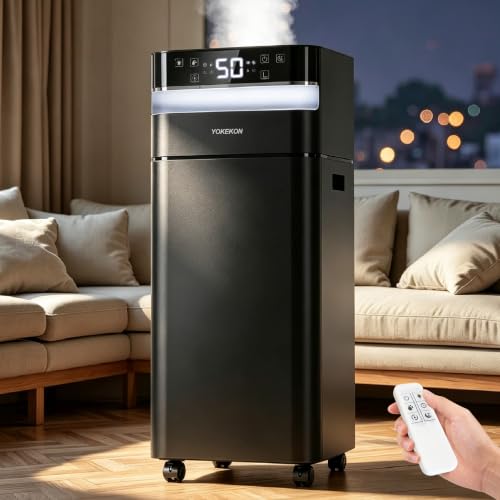
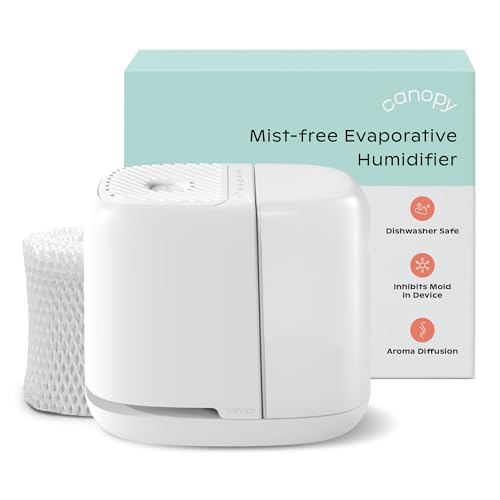

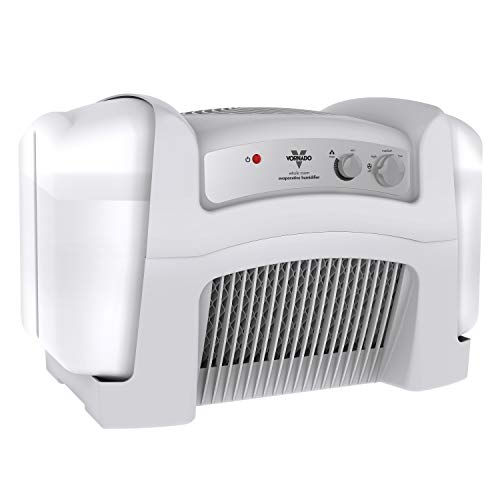
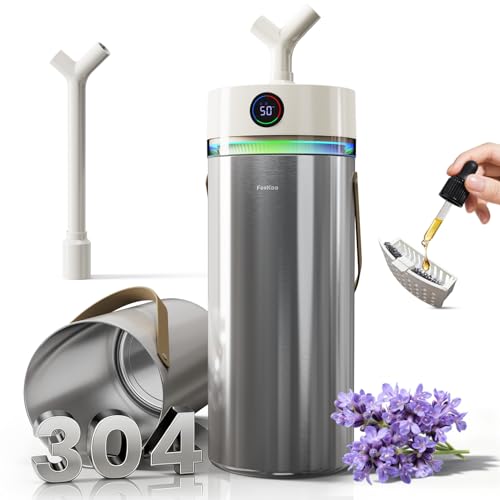
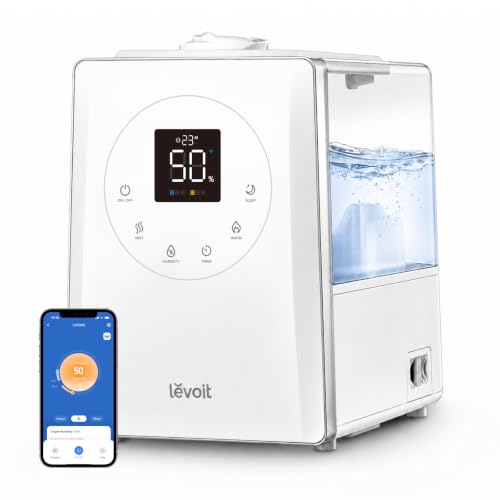
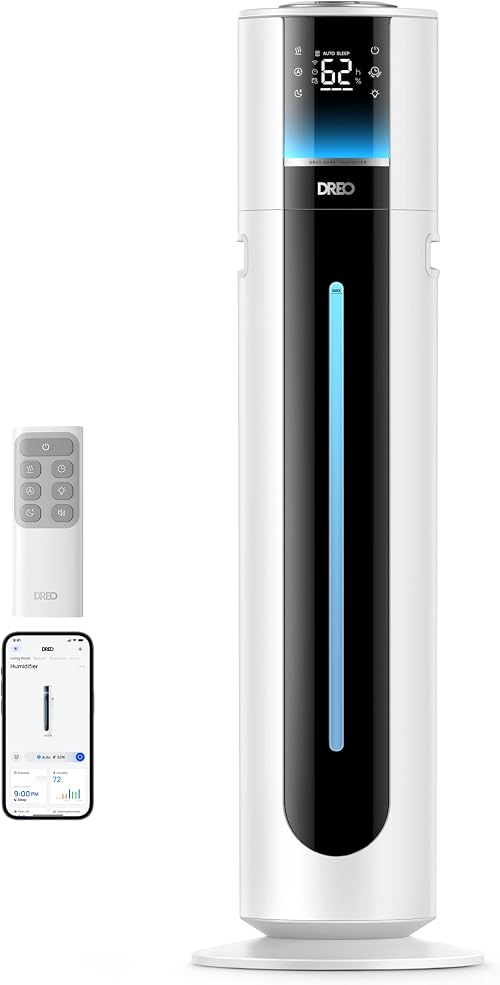
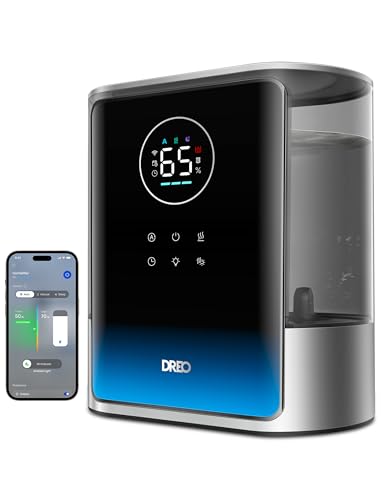
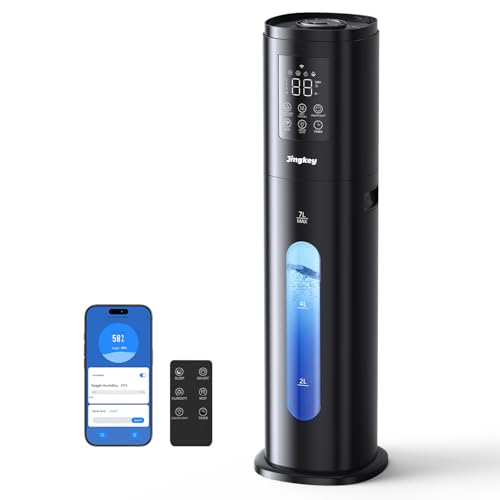
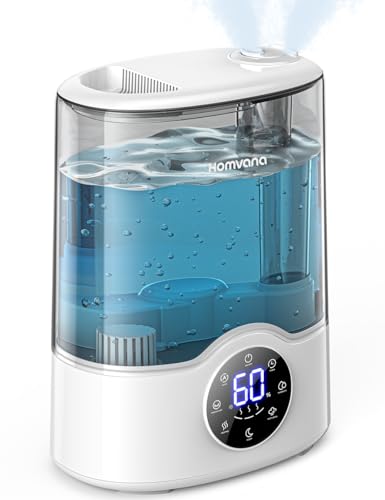
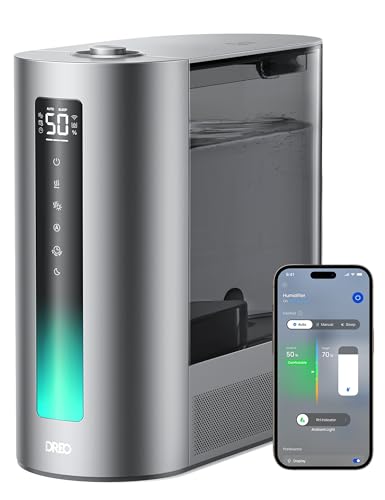
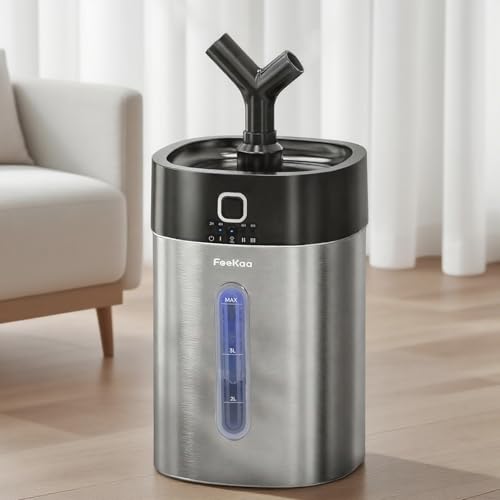
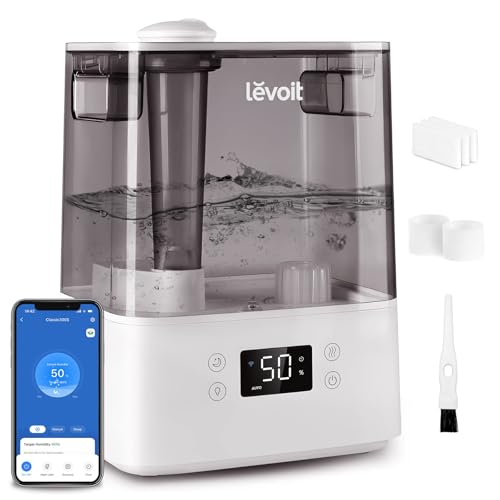
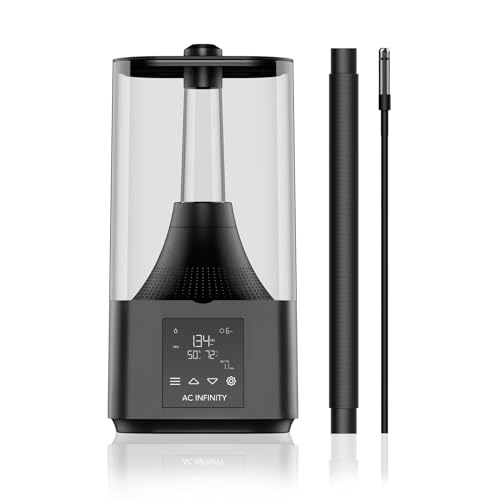
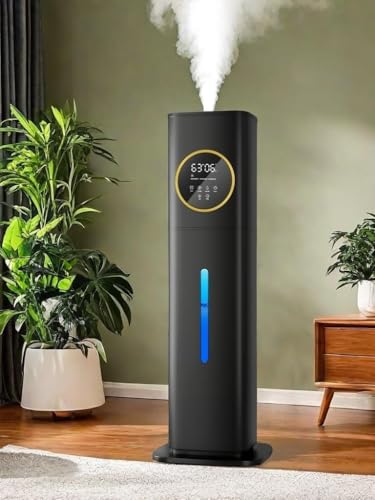
Cool Mist, Warm Mist, and Evaporative: Which Type Fits Your Home
Cool mist humidifiers use either ultrasonic vibration or a spinning disc to break water into a fine, room-temperature fog. They are quiet, energy efficient, and generally considered the safer pick for nurseries and kids rooms since there is no heating element involved. The tradeoff is that hard tap water can leave behind a fine white mineral dust on nearby surfaces.
Warm mist humidifiers, sometimes called vaporizers, boil water and release steam, which naturally kills more bacteria and mold spores in the tank before the moisture ever reaches the air. Many people find the warm output comforting during a cold, though the heating plate means they use more electricity and are not recommended around toddlers who could touch a hot surface.
Evaporative humidifiers sit between the two. A fan pulls air through a moistened wick or filter, and the amount of moisture released naturally levels off as room humidity rises, which makes over-humidifying less likely. They tend to be a bit noisier than ultrasonic models but need less babysitting day to day.
Key Features That Actually Matter When Shopping
Tank capacity determines how often you will be walking to the sink. A half-gallon tabletop tank might need refilling daily in a dry bedroom, while a gallon-plus console tank can often run for a day and a half or more. If refilling a unit every morning sounds like a chore you will skip, size up.
Noise level matters more than people expect, especially for bedrooms and nurseries. Ultrasonic cool mist models are typically the quietest option, while evaporative units with a fan will always produce some audible hum. Look for a published decibel rating rather than a vague "whisper quiet" claim.
- Built-in humidistat that reads room humidity and adjusts output automatically
- Automatic shutoff when the tank runs dry, which protects the motor and prevents overheating
- Wide-mouth tank opening that makes cleaning and filling easier without spills
- Adjustable mist output for matching the unit to how dry the room actually is
Sizing a Humidifier to Your Room
Manufacturers list a coverage area in square feet, and matching that number to your actual room size is one of the simplest ways to land on the best humidifier for the space you actually have. A small tabletop unit rated for a bedroom will barely make a dent in an open living room, while an oversized console in a small nursery can push humidity past the comfortable range within hours.
As a rough guide, small tabletop humidifiers suit rooms up to around 250 square feet, mid-size units cover roughly 250 to 400 square feet, and console or whole-room models are built for anything larger, including open-concept living spaces. If you split time between rooms, a portable mid-size unit is usually more practical than buying two smaller ones.
Keep an eye on actual humidity readings rather than guessing. A simple hygrometer, often built into smart humidifier models, helps you confirm the unit is doing its job without overshooting into damp territory.
Mold, Mineral Dust, and Other Safety Considerations
Indoor humidity above roughly 50 percent creates conditions where mold and dust mites thrive, so more moisture is not automatically better. Aim to keep a room between 30 and 50 percent humidity, and choose a model with a built-in humidistat if you tend to forget to check.
Ultrasonic and impeller humidifiers disperse water directly into the air, which means anything dissolved in that water, including minerals and any bacteria present in the tank, goes airborne too. Using distilled or demineralized water instead of tap water significantly cuts down on the white mineral dust that settles on furniture near the unit.
Standing water left in a tank for more than a day or two is an invitation for mold and bacteria to grow, especially in units that sit unused between seasons. Emptying the tank when the humidifier is not in daily use is a small habit that prevents a much bigger cleaning job later.
Cleaning Habits That Keep Your Humidifier Running Smoothly
Most manufacturers recommend a full clean every three days during heavy use, and at minimum once a week even in lighter use. A simple soak in a diluted white vinegar solution loosens mineral scale and mild buildup without harsh chemicals, followed by a thorough rinse before refilling.
Filters, wicks, and cartridges in evaporative models need regular replacement, typically every one to three months depending on water hardness and how often the unit runs. Ignoring a saturated filter does not just reduce performance, it also gives mold a damp surface to grow on.
Before long-term storage, dry every removable part completely rather than packing the unit away with any residual moisture inside. A humidifier stored wet over the summer is one of the most common reasons people end up needing a replacement the following winter.
Where Buyers Usually Go Wrong
The most common misstep is buying based on price alone and ending up with a tank too small for the room, which leads to constant refilling and eventually to the unit being abandoned in a closet. Checking the square footage rating against your actual room before buying takes two minutes and saves that frustration.
Another frequent mistake is treating a humidifier as a set-it-and-forget-it appliance. Skipping regular cleaning is how a helpful device turns into a source of the very allergens and mold spores it was meant to relieve. Pairing any humidifier purchase with a simple cleaning routine matters just as much as the model you choose.
Finally, running a humidifier constantly without checking actual humidity levels can push a room into the damp range where mold, mildew, and dust mites flourish. A model with an automatic humidistat removes most of the guesswork here.
Frequently Asked Questions
How do I know what size humidifier I need?
Measure your room's square footage and compare it against the coverage rating listed on the humidifier. When a room is unusually tall or open to adjoining spaces, it is generally safer to size up rather than under.
Is a cool mist or warm mist humidifier better?
Both raise humidity equally well by the time the moisture reaches your airways. Cool mist is generally the safer choice around children because there is no heating element, while warm mist can feel more soothing during a cold.
How often should I clean my humidifier?
Aim for a full clean every three days during heavy daily use, and at least weekly otherwise. Any humidifier left with standing water for more than a couple of days should be cleaned before its next use.
Should I use tap water or distilled water?
Distilled or demineralized water reduces the mineral dust that ultrasonic and impeller models can release into the air. If you only have tap water available, more frequent cleaning helps offset the extra mineral buildup.
Can a humidifier make allergies or asthma worse?
It can if humidity climbs too high or the unit itself is not cleaned regularly, since both conditions encourage mold and dust mite growth. Keeping humidity between 30 and 50 percent and sticking to a cleaning schedule keeps this risk low.
What humidity level should I aim for in my home?
Most experts recommend staying between 30 and 50 percent relative humidity. A hygrometer, whether standalone or built into the humidifier itself, takes the guesswork out of hitting that range.
Do I need a humidifier with a built-in humidistat?
It is not strictly required, but a built-in humidistat makes it far easier to avoid over-humidifying a room, especially if you tend to run the unit unattended overnight or while at work.
Bringing Balanced Humidity Into Your Home
Choosing between cool mist, warm mist, and evaporative styles comes down to your room size, who is using the space, and how much upkeep you are willing to commit to. Once you match tank capacity and coverage to the actual room and build in a simple cleaning routine, you will have landed on the best humidifier for your home, one that makes dry air seasons noticeably more comfortable.