Best Window Air Conditioners: A Complete Buying Guide
Disclosure: We may earn a commission when you buy through links on this page, at no extra cost to you. As an Amazon Associate I earn from qualifying purchases. Learn more

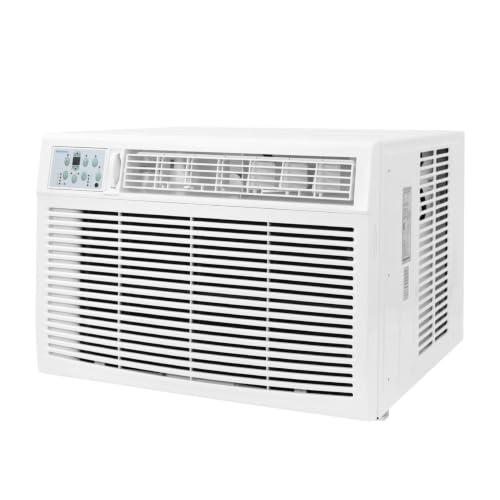
When a single room turns into the hottest spot in the house every summer, it is usually because central air cannot reach it, or the place does not have central air at all. That is where window air conditioners earn their keep. They cool one room fast, plug into a standard outlet, and skip the ductwork and installation crews that whole-home systems require. But not every window unit fits every window, and the wrong size or the wrong features can leave you with a noisy box that barely dents the heat. This guide walks through how to size a window air conditioner correctly, what efficiency numbers actually mean for your electric bill, how noise and window type affect your choice, and which features are worth paying for.


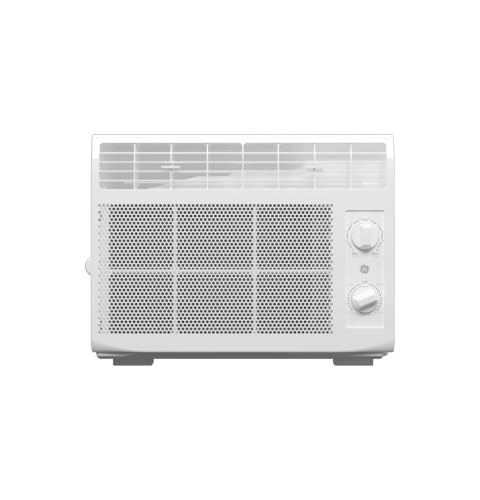
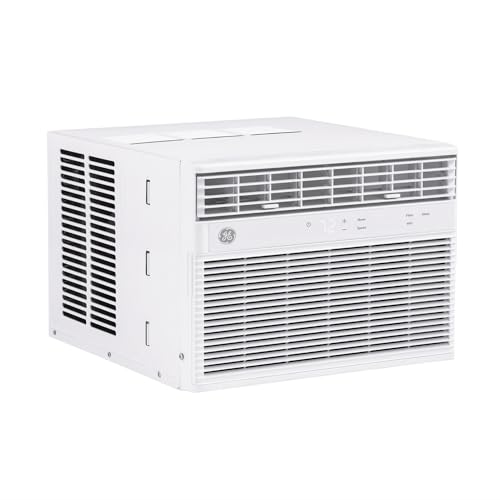
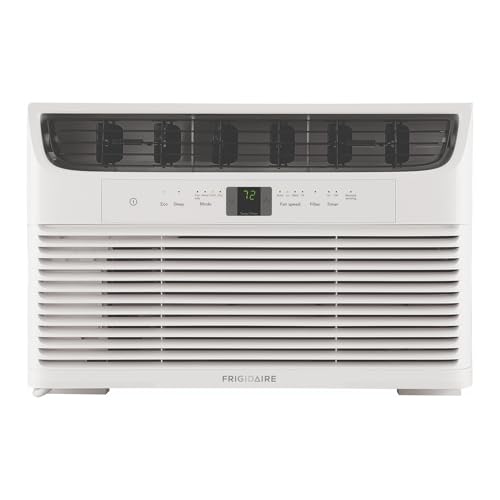
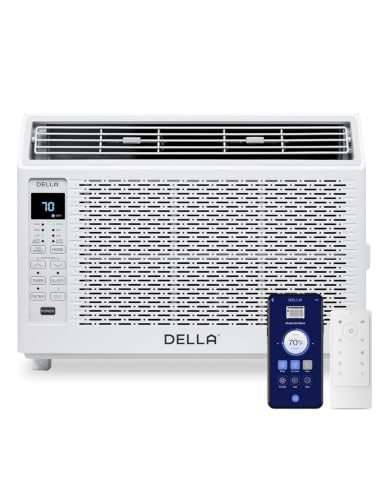


How Many BTUs a Window Air Conditioner Needs for Your Room
Cooling capacity is measured in BTUs (British thermal units per hour), and it is the single biggest factor in whether a window air conditioner actually cools your room or just hums in the background. Buy too small and it runs constantly without hitting your target temperature. Buy too large and it cools too fast without pulling enough humidity out of the air, leaving the room cold but clammy.
A Quick Sizing Formula
A reasonable starting point is about 20 BTUs per square foot of floor space for a room with standard eight-foot ceilings and moderate sun exposure. Rounded to common unit sizes, that works out roughly like this:
- 100 to 150 square feet: around 5,000 BTU
- 250 to 350 square feet: 7,000 to 8,500 BTU
- 350 to 550 square feet: 9,800 to 12,500 BTU
- 550 to 700 square feet or an open floor plan: 12,000 BTU or higher
When to Size Up
Several everyday factors push you toward the next size up: a room that gets direct afternoon sun, ceilings taller than eight feet, more than two people regularly using the space, or a kitchen sharing the same open area. Add roughly 10 percent capacity for heavy sun exposure and another 10 percent for every two feet of ceiling height above the standard. If summer heat radiates down from an uninsulated attic and makes the floor below feel warmer than it should, tackling that heat at the source with an attic fan can take pressure off the unit and let you stick with a smaller, quieter option.
Understanding CEER Ratings and What They Mean for Your Electric Bill
CEER, short for Combined Energy Efficiency Ratio, replaced the older EER rating as the standard way to compare running costs, because it also accounts for the small amount of power a unit draws while plugged in but idle. The higher the CEER number, the less electricity a window air conditioner uses to produce the same amount of cooling.
Units that qualify for an efficiency certification typically carry a CEER of at least 12.0, and models in the 14.0-or-higher range tend to deliver noticeably lower operating costs over a full cooling season, especially if you run the unit for several hours a day. The other factor worth understanding is compressor type. A standard compressor runs at one speed, switching fully on and off to hold temperature. An inverter compressor instead ramps up and down like cruise control, which avoids the energy spike of repeated full restarts and can cut electricity use by roughly a quarter to a third compared with a standard model. Inverter units usually cost more upfront, but in a room you cool for most of the summer, the difference often pays for itself within a couple of seasons.
Noise Levels and Cabinet Design
Noise is one of the most common complaints people bring up about window air conditioners, especially when one sits a few feet from the bed. Most of the sound comes from the fan motor rather than the compressor, and cabinet design has a real effect on how much of it reaches the room. Units with larger, slower-turning fan blades, often described as squirrel-cage blowers, tend to run quieter than compact units that spin small blades at high speed to move the same amount of air.
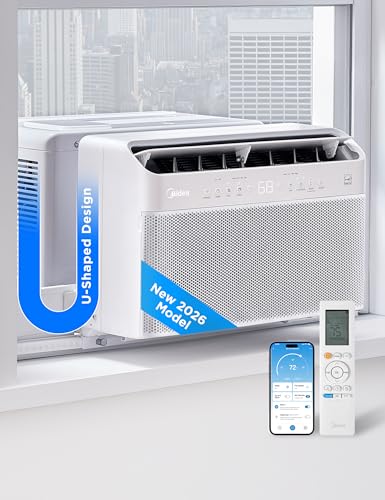
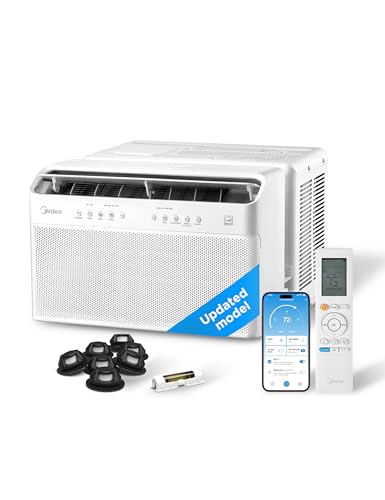
A newer cabinet style worth knowing about is the U-shaped design, which sits partly outside the window and partly inside, with a pane of glass able to close between the room and the compressor section. Because the noisiest part of the unit ends up outside the glass rather than exposed in the room, these designs tend to run noticeably quieter at night. If quiet operation matters more than anything else, look for a published decibel rating on low fan speed and compare it against other models rather than relying on marketing terms like "whisper quiet," which have no fixed standard behind them.
Matching the Unit to Your Window Type
Most window air conditioners are built for double-hung windows, the kind with a sash that slides up and down, and they come with adjustable side panels designed to seal that specific opening. If your home has sliding windows that move side to side instead, you generally need a kit made for horizontal installation, or a unit specifically marketed as compatible with slider windows, since the standard side panels will not seal a horizontal opening properly.
Casement windows that crank outward are the trickiest case, because there is no sash to rest the unit against. In that situation, a through-the-wall unit or a portable air conditioner vented through a small panel insert is usually a better fit than trying to force a window unit into the frame. Whatever the window style, check the minimum and maximum width or height the unit supports before buying, since a unit that is too small for the opening will never seal well no matter how you adjust the panels. In larger, open rooms, some households add a set of cooling floor fans to push the conditioned air further across the space, since a single unit tends to cool the area nearest the wall faster than the far side of the room.
Smart Controls and Everyday Features
Beyond raw cooling power, a handful of features make day-to-day use noticeably easier. A digital thermostat with a remote control lets you adjust the temperature without walking over to the unit, and a programmable timer means the room can be cool by the time you get home instead of running all day. Wi-Fi connectivity and app control have become common on mid-range and higher models, letting you turn the unit on, check the current temperature, or set a schedule from your phone.
A dedicated dry or dehumidify mode is worth having if you live somewhere humid, since it lets the unit pull moisture out of the air without blasting cold air once the room is already comfortable. In basements and other naturally damp spaces, that dry mode often is not enough on its own, and pairing it with a dedicated dehumidifier for basements can prevent the lingering musty, clammy feeling that lingers even after the room cools down. A washable, easy-access filter is a small detail that matters more than it sounds. Units that require tools to remove the filter tend to get cleaned less often, which quietly reduces both airflow and efficiency over time.
Frequently Asked Questions
How long do window air conditioners last?
Most units last around eight to ten years with regular use, and some run well past that with proper care. Cleaning the filter regularly, keeping the coils free of dust, and covering or storing the unit over winter if it stays in the window all help extend its working life.
What size window air conditioner do I need for a bedroom?
A typical bedroom of 150 to 250 square feet usually needs somewhere between 5,000 and 7,000 BTU, depending on ceiling height and sun exposure. Rooms that face west or get strong afternoon sun often do better with a slightly higher capacity than the base calculation suggests.
Can a window air conditioner be installed in a sliding window?
Yes, but it typically requires a kit or panel designed specifically for horizontal sliding windows rather than the vertical panels included with most standard units. Check the product listing for sliding or horizontal window compatibility before buying if that matches your window type.
Do window air conditioners use a lot of electricity?
It depends heavily on the CEER rating and how many hours a day you run it. A unit with a high CEER rating and an inverter compressor can use meaningfully less electricity than an older, lower-rated model of the same cooling capacity.
Is a bigger BTU rating always better?
No. An oversized unit cools the air quickly but shuts off before it has run long enough to remove much humidity, which can leave a room feeling cold and damp at the same time. Matching capacity to room size, rather than buying the largest unit available, generally gives more comfortable results.
How often should the filter be cleaned?
During heavy summer use, once every one to two weeks is a reasonable rhythm for most households, more often if you have pets or run the unit constantly. A dirty filter restricts airflow, forces the compressor to work harder, and can raise your electricity use noticeably.
Making the Right Call for Your Space
Choosing among window air conditioners comes down to matching a few numbers, BTU capacity, CEER rating, and decibel level, to the room and window you actually have, rather than picking the biggest or most feature-packed model on the shelf. Get the sizing right, pay attention to how the unit handles your specific window type, and prioritize the features you will actually use day to day. Do that, and a window unit can keep a single room comfortable all season without the cost or disruption of a whole-home system.