Best Small Portable Air Conditioners for 2026
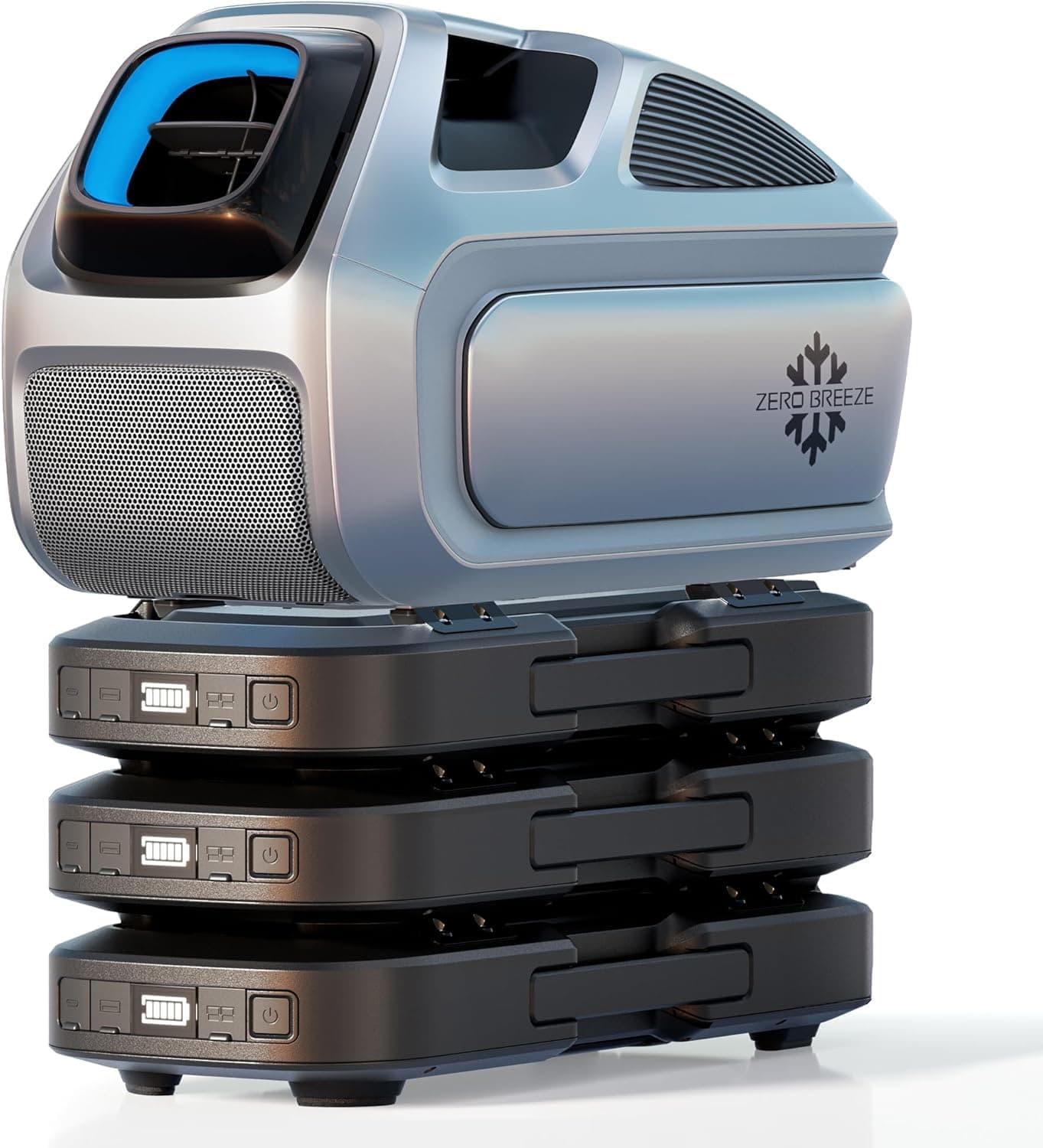
A practical guide to the best small portable air conditioners, covering BTU sizing, venting, noise, efficiency, and maintenance.
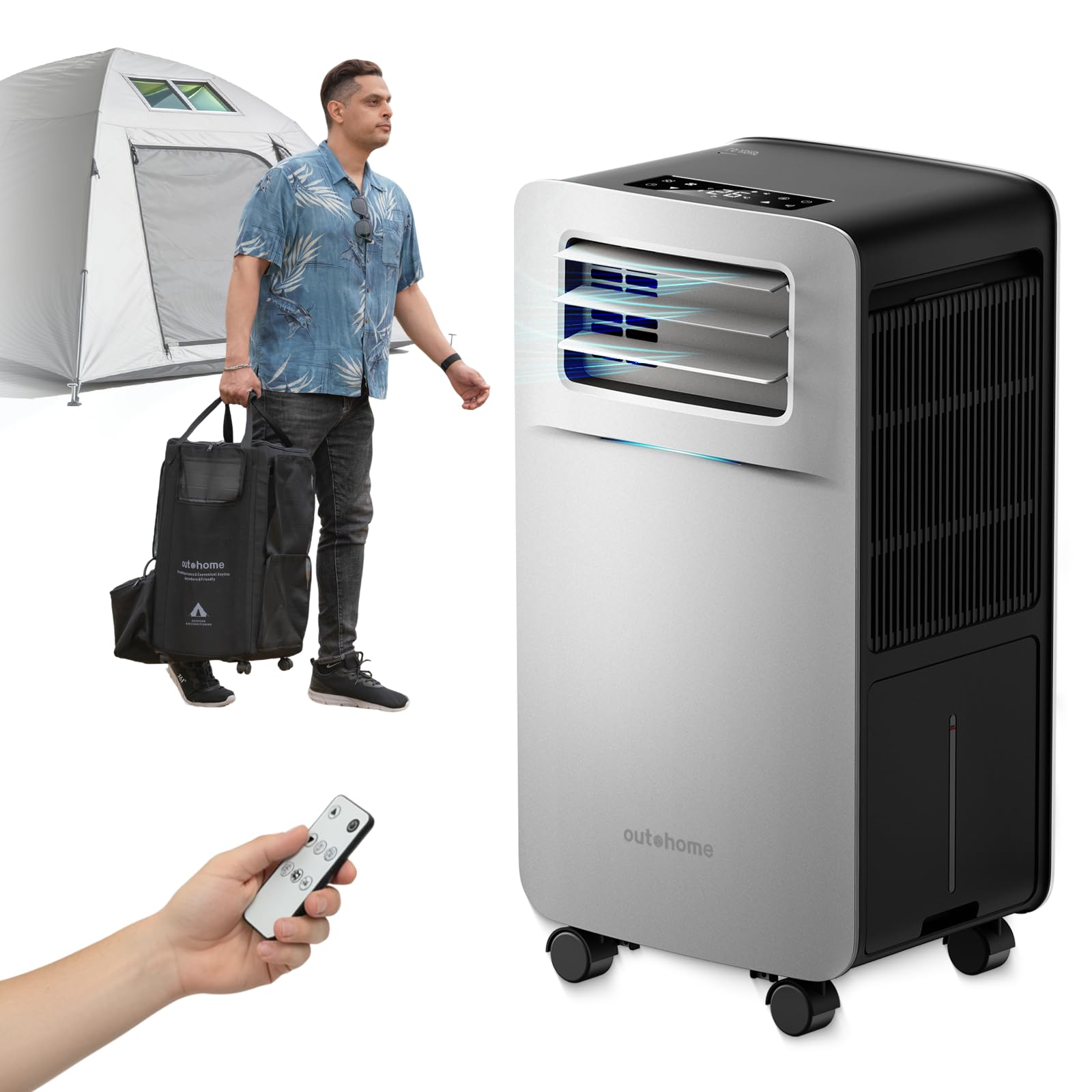
Not every room needs a permanent cooling installation, and window access is not always available either. The best small portable air conditioners cool a single room effectively while remaining light enough to move between spaces, but sizing and venting decisions matter far more than most buyers expect before they actually try one out.
This guide covers BTU sizing, venting methods, noise levels, and efficiency so a purchase actually keeps a room comfortable instead of running constantly without ever catching up.
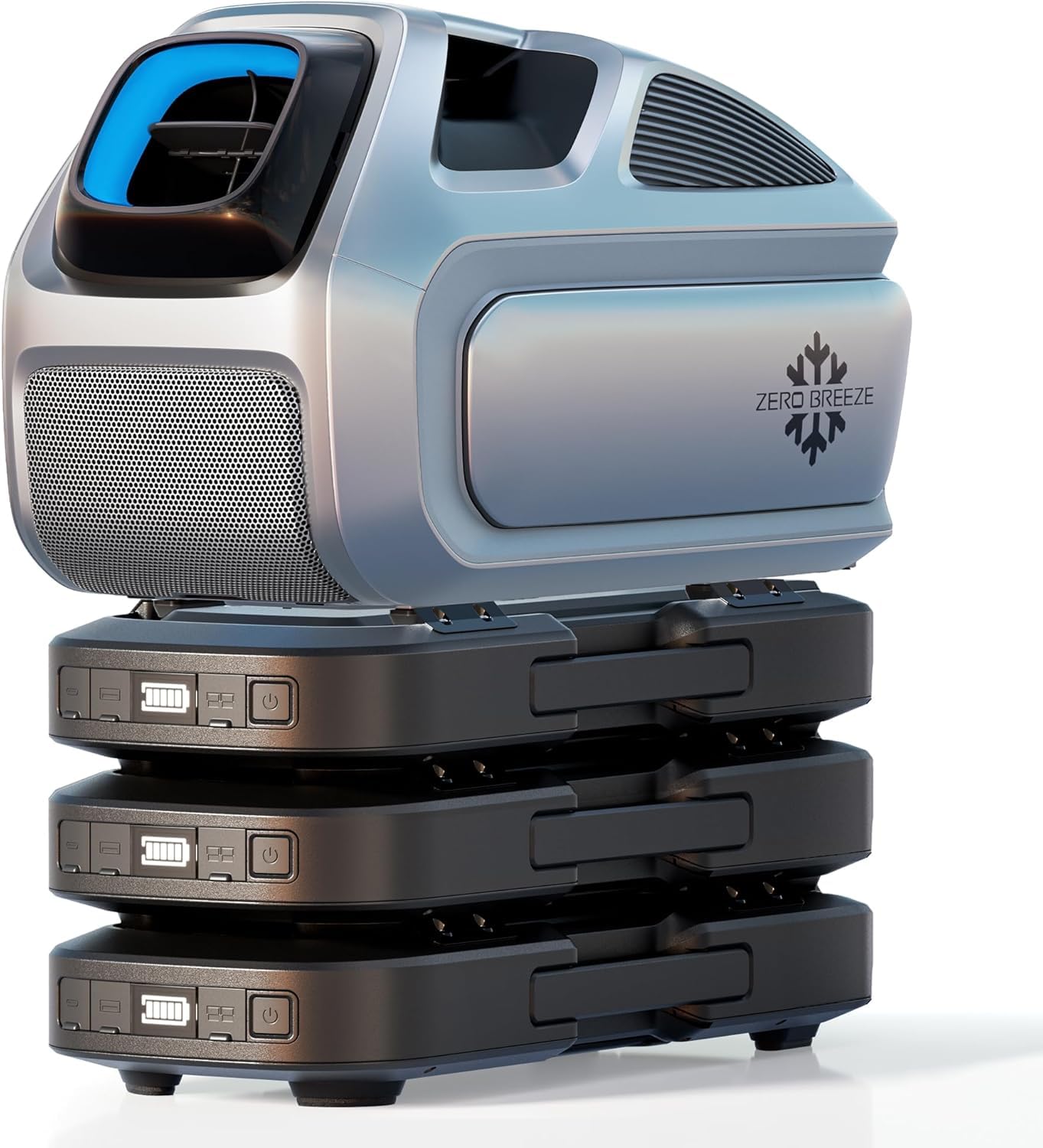
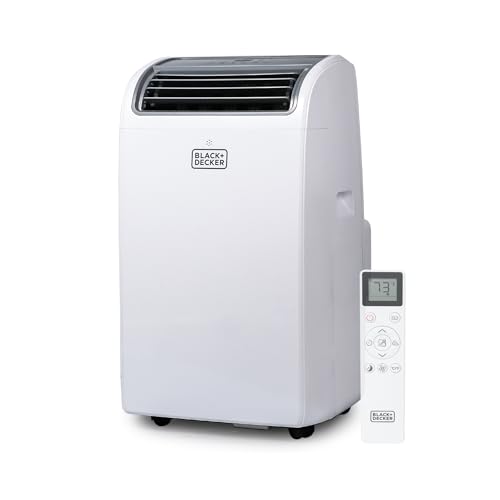
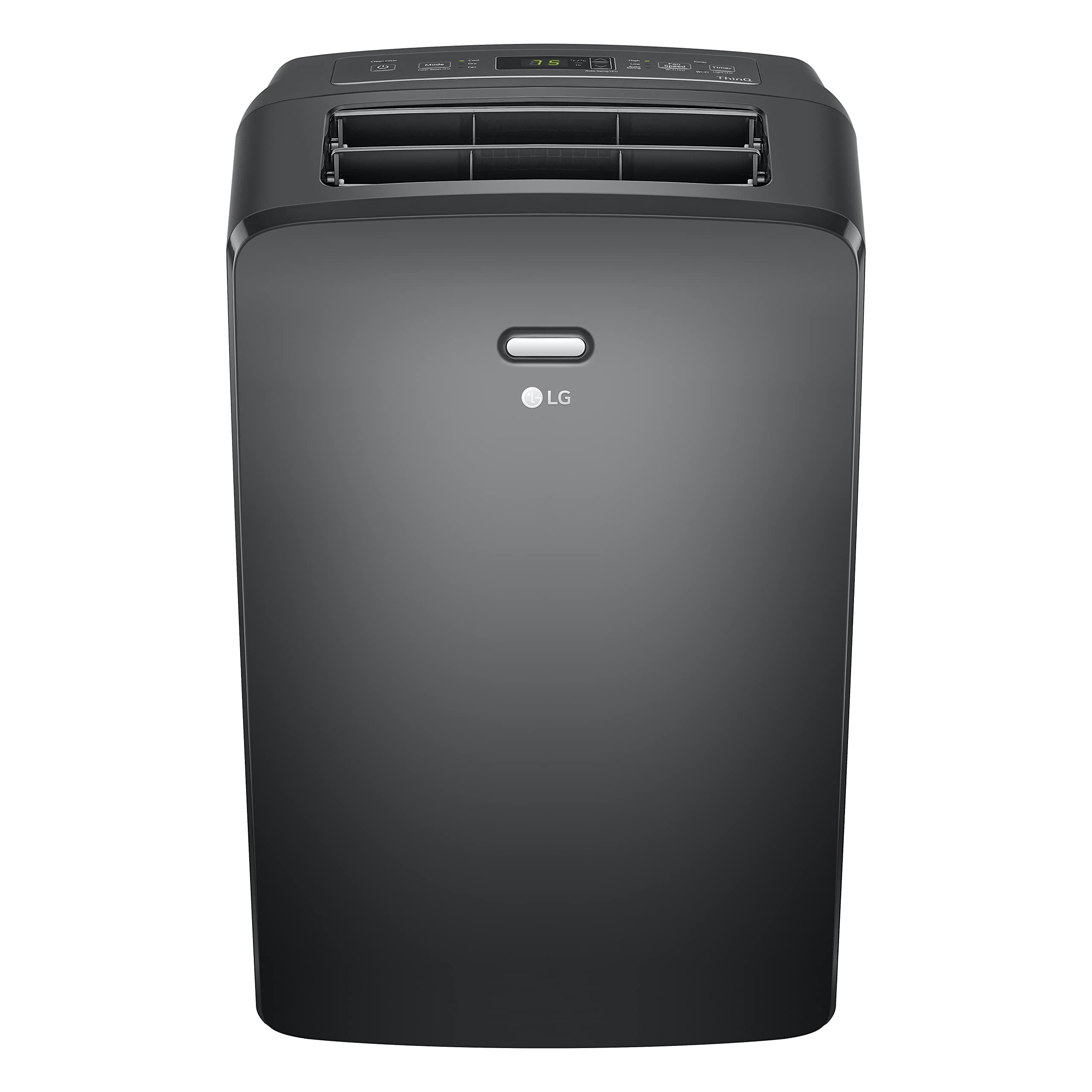
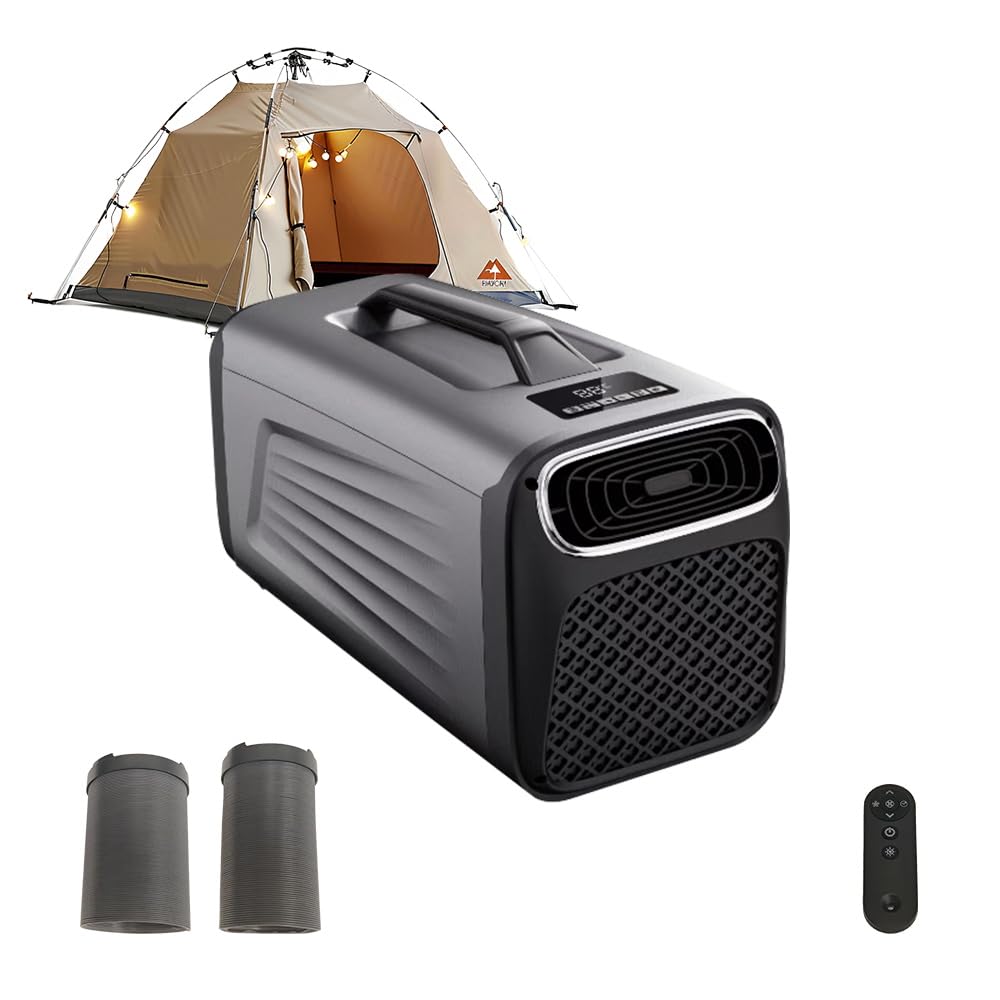
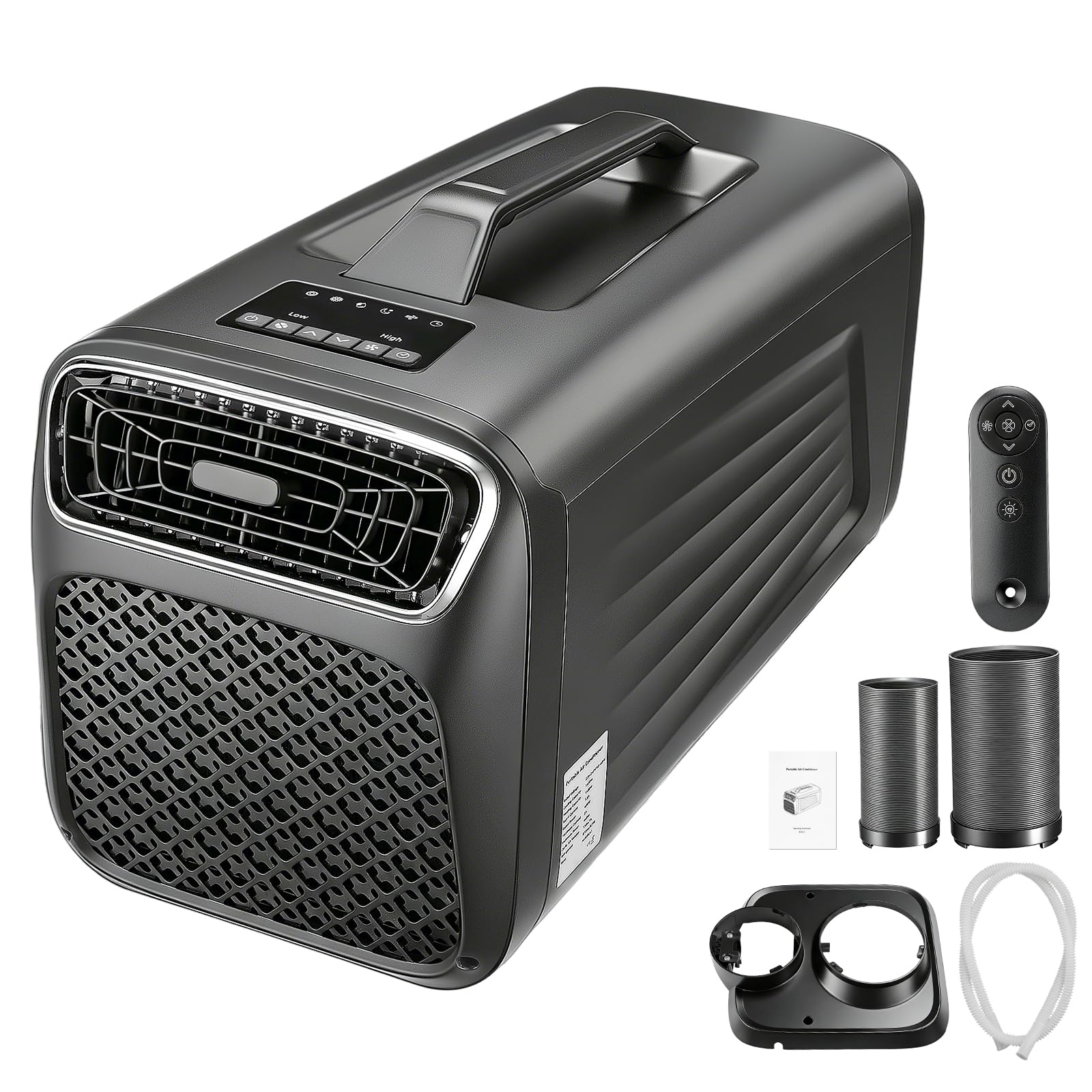

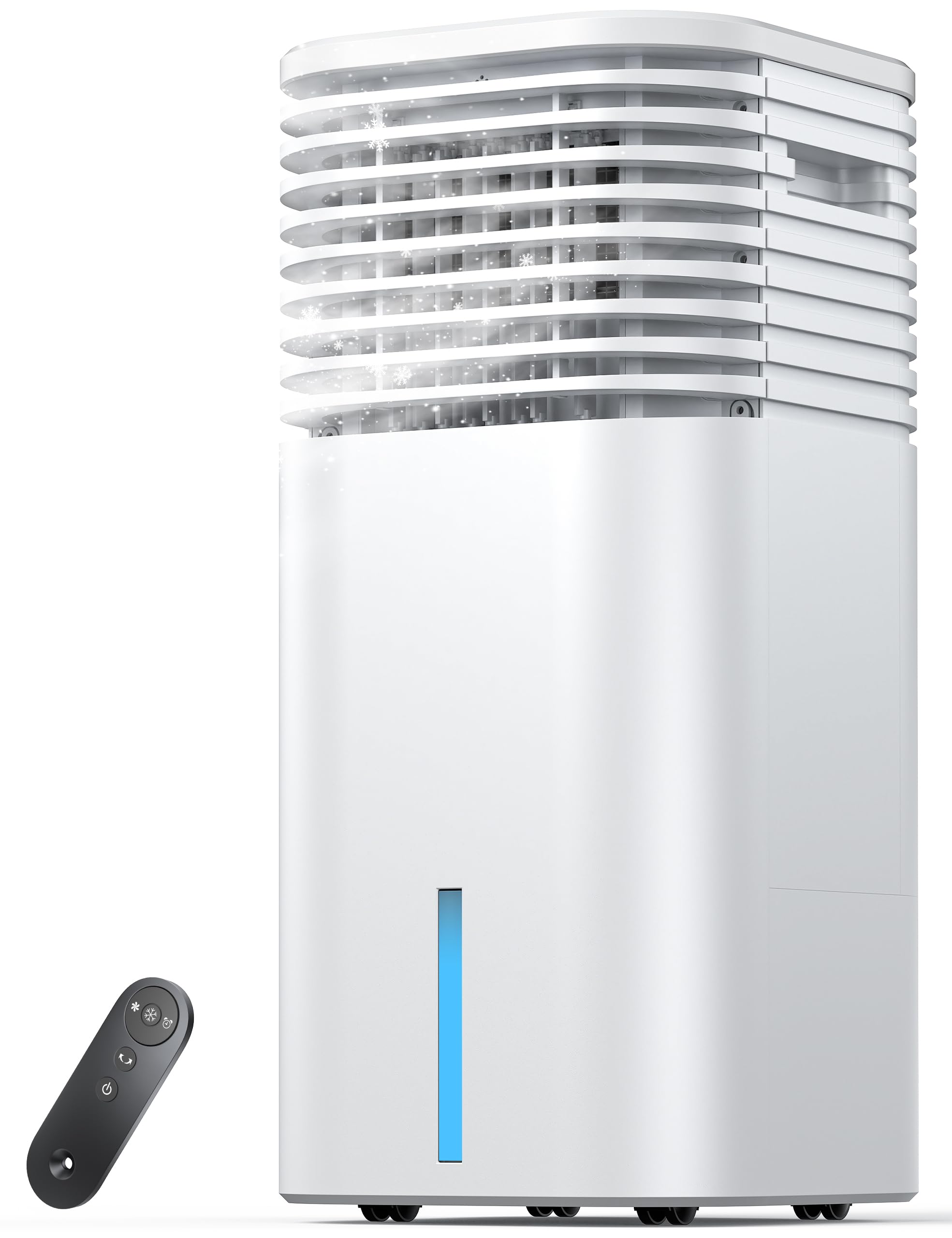
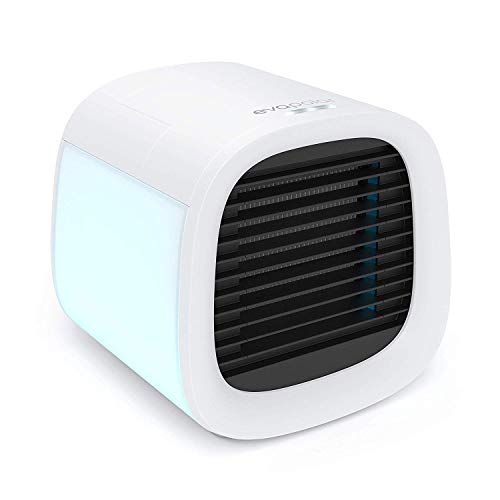
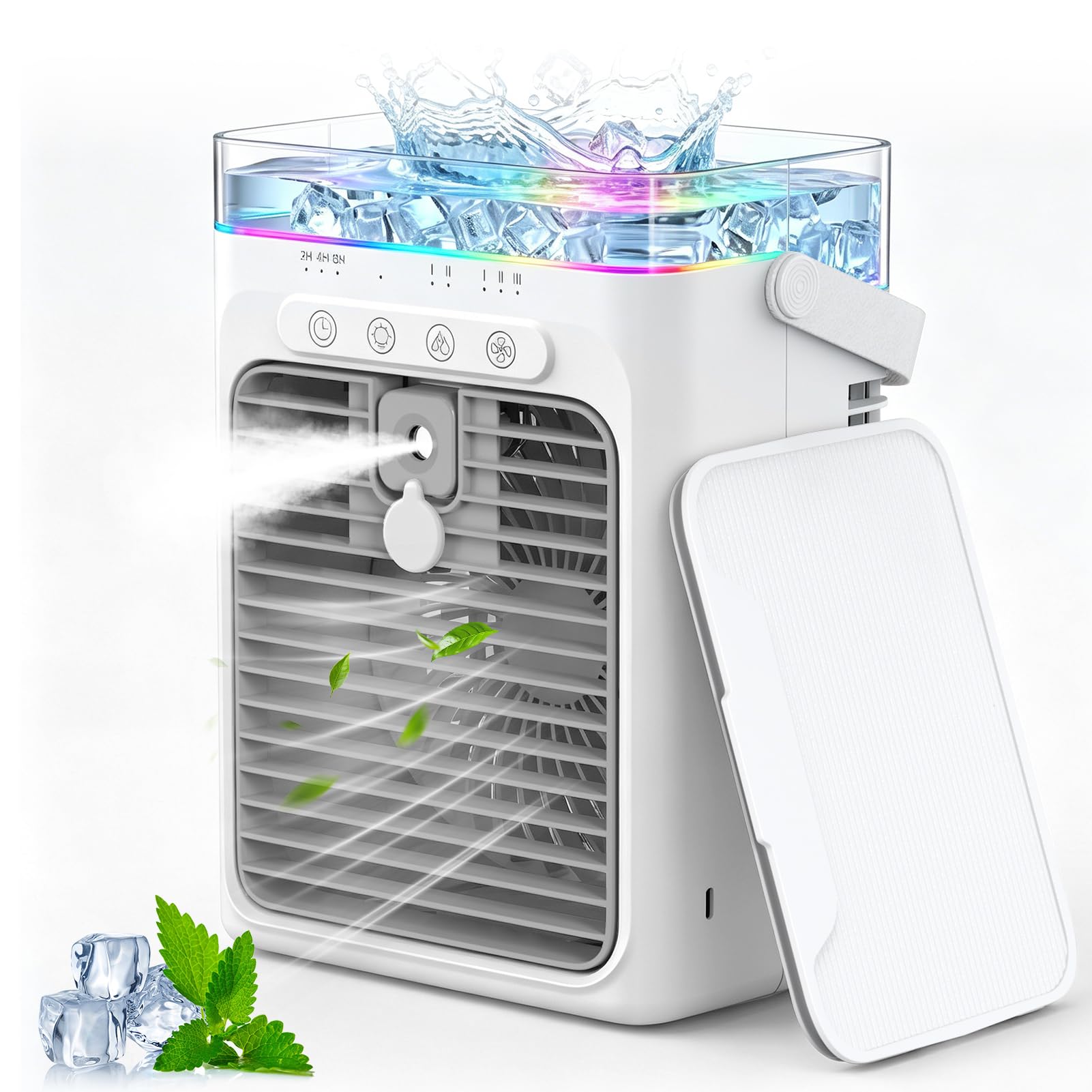
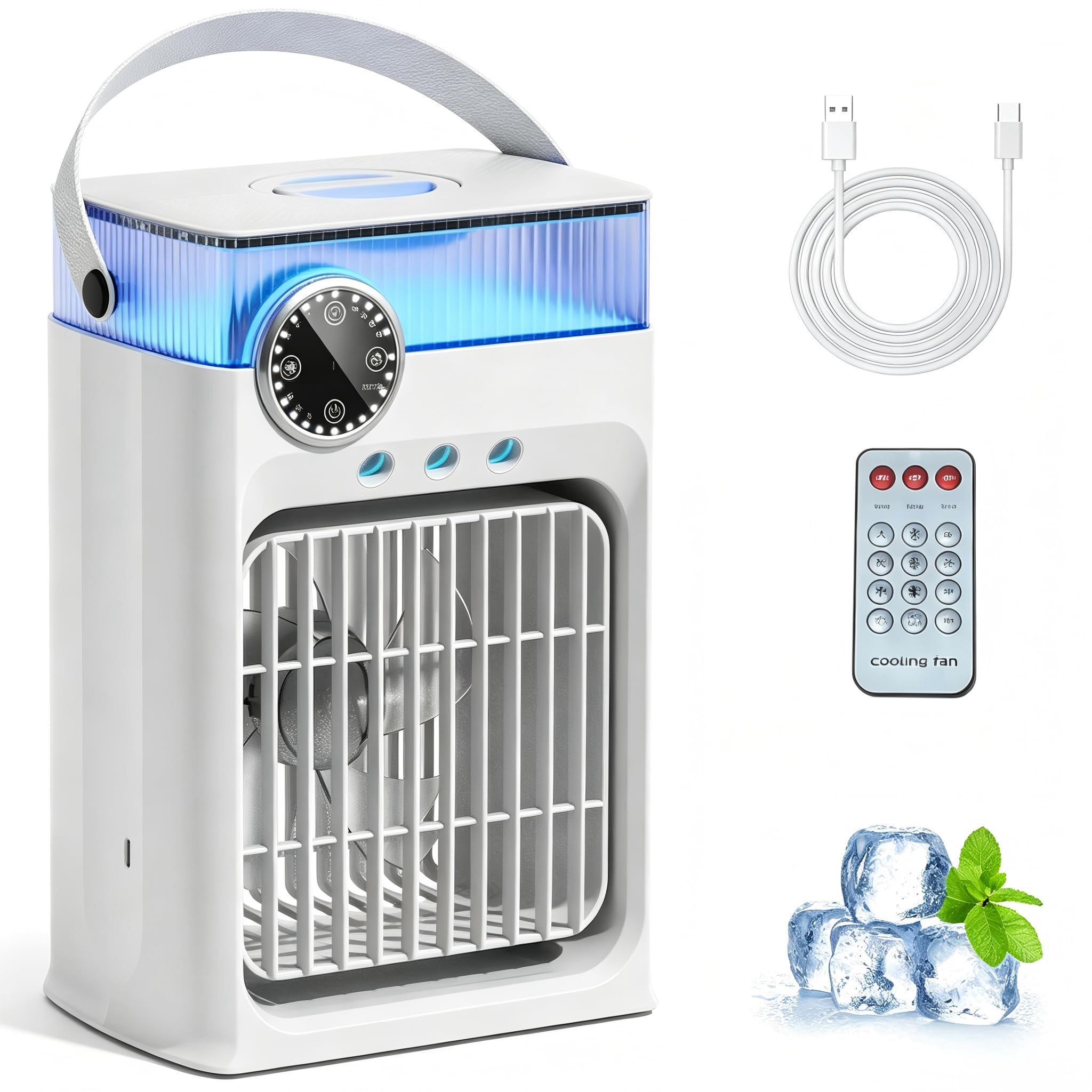
Understanding BTU Ratings and Room Size
BTU, short for British Thermal Unit, measures cooling capacity, and matching this rating to actual room size is the single most important decision in the buying process. An undersized unit runs constantly without ever fully cooling the space, while an oversized one cycles on and off too quickly, leaving the room feeling clammy rather than comfortably dry.
Ceiling height, sun exposure, and the number of windows in a room all affect the effective BTU needed beyond a simple square footage calculation. A sunny, south-facing room with high ceilings typically needs more cooling capacity than a shaded room of the same floor size.
Venting Requirements and Setup
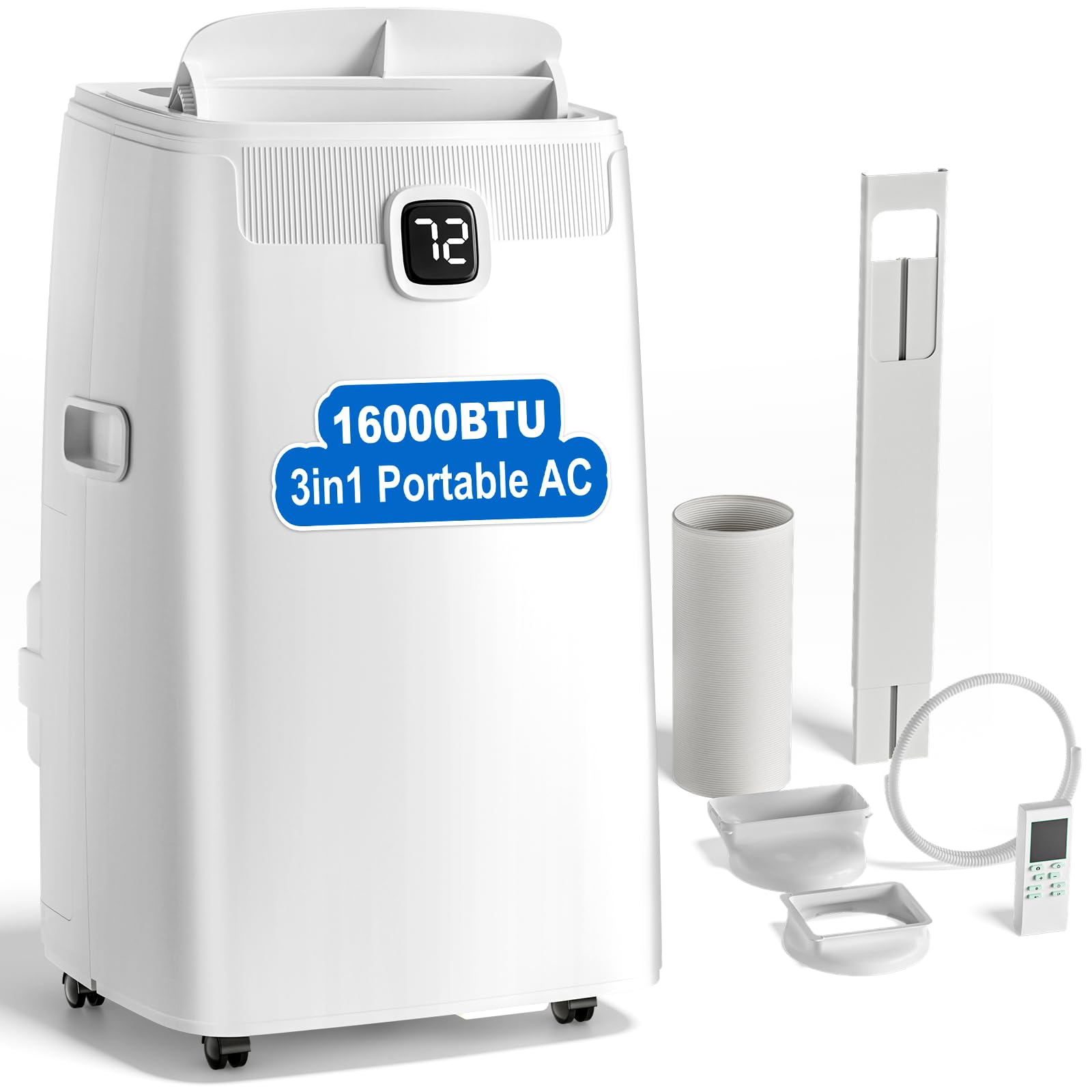
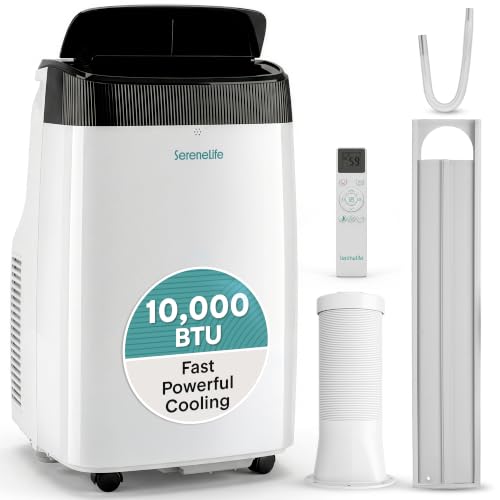
Single-hose units pull air from the room, cool it, and exhaust hot air through a window vent kit, which is simpler to set up but can create slight negative pressure that pulls warm outside air back into the room through gaps elsewhere.
Dual-hose units draw outside air for the cooling process separately from the exhaust air, generally cooling more efficiently as a result, particularly in larger rooms or hotter climates where a single-hose design struggles to keep up.
Window Kit Compatibility
Standard window kits fit most common window types, but sliding, casement, and unusually shaped windows sometimes need a specialized adapter. Checking window compatibility before purchase avoids a frustrating situation where the unit works but cannot be properly vented in the intended room.
Some setups allow venting through a wall opening or drop ceiling instead of a window, which can work well for rooms without convenient window access, though this typically requires more permanent installation work.
Noise Levels and Placement
Compressor-based cooling inherently generates some operational noise, and decibel ratings vary meaningfully between models. Checking published noise levels matters most for bedrooms or home offices, where a loud unit can become genuinely disruptive during sleep or focused work.
Placing the unit away from walls and furniture that could amplify vibration noise, and on a level, stable surface, reduces rattling sounds that can develop over time even with a quiet model.
Energy Efficiency and Running Costs
Energy efficiency ratings indicate how much cooling a unit produces relative to its power draw, and a more efficient model can meaningfully reduce electricity costs over a full cooling season. This matters most for anyone running a unit for extended hours daily throughout a hot summer.
Programmable timers and thermostats help avoid unnecessary runtime by shutting the unit off once a room reaches the target temperature, which both saves energy and reduces excess wear on the compressor over time.
Portability Features That Matter
Caster wheels allow a unit to roll between rooms without a difficult lift, which matters given that many portable air conditioners weigh considerably more than their compact appearance suggests. Testing the wheel quality on different flooring types, when possible, avoids a unit that catches on carpet or uneven surfaces.
A drain system that requires minimal manual emptying, whether through a self-evaporative design or a continuous drain hose option, reduces daily maintenance considerably compared to units requiring frequent manual tray emptying.
- Small bedrooms: lower BTU, quiet operation prioritized
- Living rooms and larger spaces: higher BTU, dual-hose venting
- Rooms without windows: wall or drop-ceiling venting options
- Multi-room use: lightweight design with smooth-rolling casters
Additional Features Worth Considering
Built-in dehumidifier function reduces indoor humidity alongside cooling, which can improve comfort even before the temperature itself drops significantly. This dual function is common on most modern units and adds real value in humid climates.
Among best small portable air conditioners, models with a washable, easily accessible air filter simplify maintenance considerably, since dust buildup in the filter can reduce cooling efficiency over time if left unaddressed.
Maintenance for Consistent Performance
Cleaning or replacing the air filter regularly keeps airflow unrestricted and cooling efficient, and a clogged filter is one of the most common reasons a unit seems to lose cooling power over a season of use. Checking and clearing the drain line periodically also prevents water buildup issues during humid stretches.
Storing the unit properly during the off-season, fully dried out and with the exhaust hose disconnected, helps prevent mold growth and extends the unit's usable lifespan considerably compared to leaving it stored while still damp.
Setting a Realistic Budget
Pricing scales with BTU capacity, added features like dual-hose venting, and app-based smart controls. A basic single-room unit for a small bedroom costs considerably less than a higher-capacity model built for a larger living area, so matching the budget to the actual room size avoids overspending on unnecessary capacity.
Spending slightly more within a reasonable range typically buys a quieter compressor, a more efficient dual-hose design, and better long-term durability, which pays off over multiple cooling seasons of regular summer use. Comparing a few of the best small portable air conditioners in a similar BTU range against noise and efficiency ratings tends to produce a better overall purchase.
Seasonal Storage and Transport
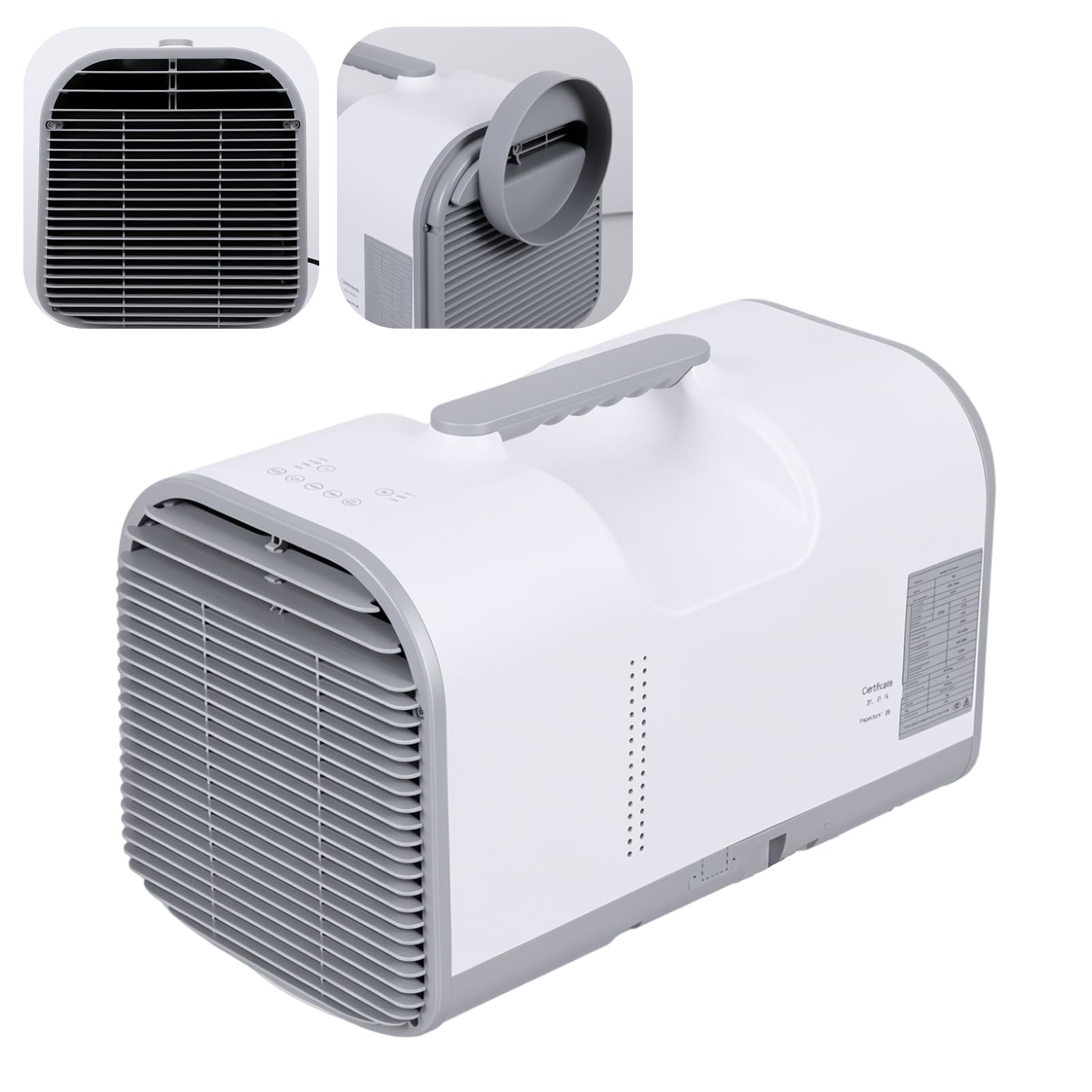
Because portability is the whole point of this category, many households move a unit between rooms depending on the season or which space needs cooling most on a given day. A lightweight frame with sturdy handles makes this kind of regular repositioning far easier than a bulkier, harder-to-grip design.
When storing a unit for the off-season, draining any remaining water fully and allowing the internal components to dry completely before boxing it up helps prevent mold or mildew from developing inside the housing over several months of storage. Storing the unit upright in a dry closet, rather than a damp basement or garage, further protects the internal components between cooling seasons.
Frequently Asked Questions
How many BTUs are needed for a small bedroom?
A typical small bedroom measuring around 150 to 250 square feet generally needs somewhere between 6,000 and 8,000 BTUs, though sun exposure, ceiling height, and insulation quality can all shift that figure noticeably higher.
Are dual-hose units worth the extra cost?
Dual-hose units generally cool more efficiently, particularly in hotter climates or larger rooms, making the added cost worthwhile for anyone running the unit frequently during peak summer heat.
Can a portable air conditioner be used without a window?
Yes, some models support wall or drop-ceiling venting instead of a window, though this typically requires more setup work than the standard window kit most units include.
Is a self-evaporative unit enough to avoid manual draining?
Self-evaporative units handle most condensation automatically in moderate humidity, though very humid conditions may still require occasional manual draining or a continuous drain hose setup.
How loud are portable air conditioners typically?
Noise levels vary by model, but many units fall somewhere between the sound of a normal conversation and a running dishwasher, making published decibel ratings worth checking for noise-sensitive rooms.
Related reading: best portable air cooler and best small room air purifier for allergies.